
Bangkok Street Food Prices & Local Tips 2026 – What Thais Actually Pay
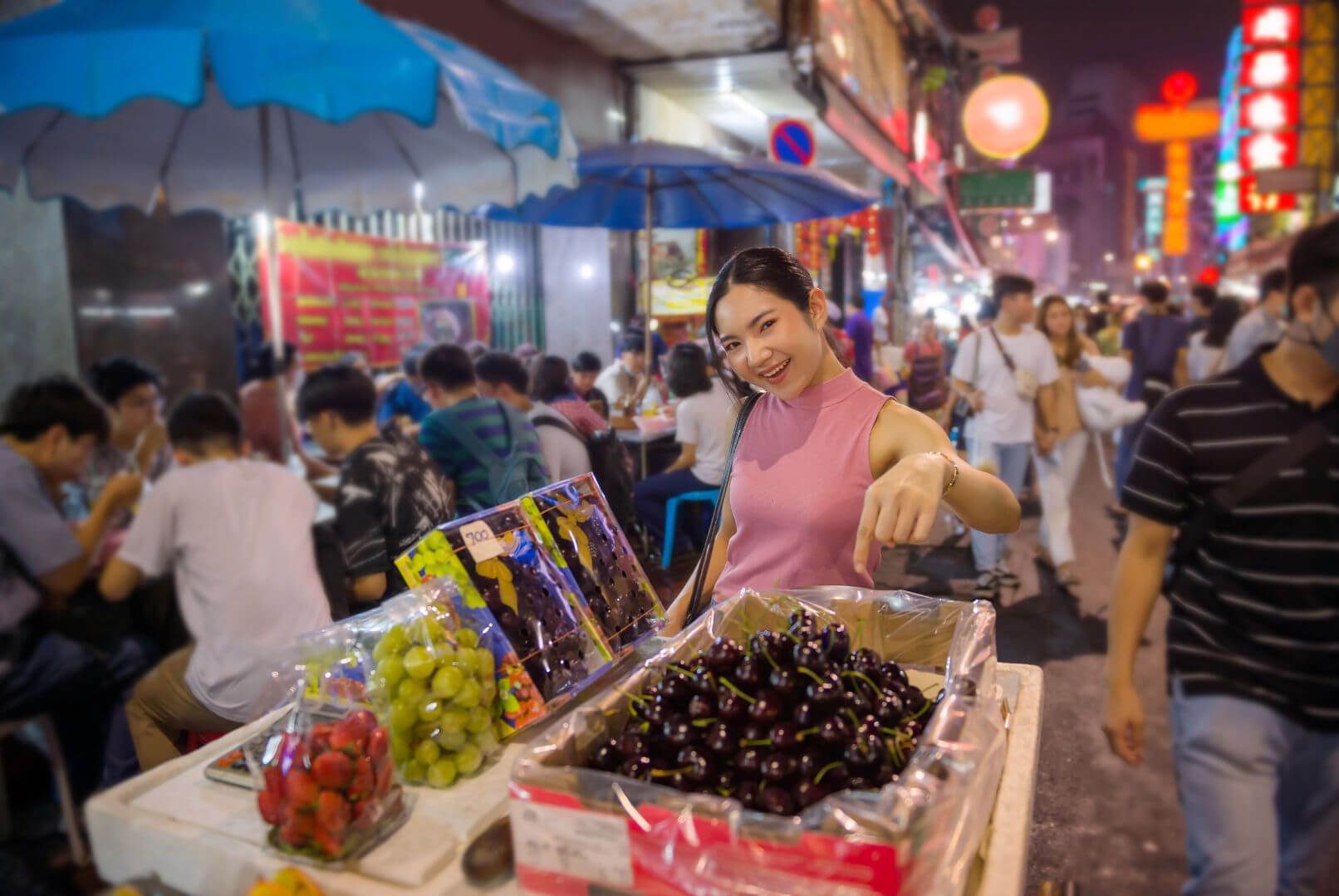
Bangkok street food prices 2026 vary dramatically depending on where you eat — tourist-heavy night markets often charge two to three times more than residential neighbourhoods a short walk away.
Growing up on Bangkok street food — a personal story
Street food has always been a core part of how I ate growing up in Bangkok. It was never a novelty or a tourist experience — it was just how daily life worked. My parents would regularly bring home som tam from a vendor outside their workplace. Sunday evenings often meant stopping by Sukhumvit 38 to pick up pork skewers, khao man gai, or whatever else looked good that night.
At the time, Sukhumvit 38 was one of the best street food spots in the city, a tight strip of long-running vendors that drew locals and curious visitors alike. Most of it has since been cleared, but some of the old Soi 38 vendors moved nearby, and I track where they ended up in my Bangkok hidden gems restaurants guide. That kind of spontaneous, neighborhood food culture has become harder to find in central Bangkok as the city develops.
What I always appreciated about Bangkok street food was never really about price — though the price is genuinely good. It was about convenience, quality, and the fact that some of these vendors have been doing the same thing for close to four decades without ever needing to advertise.
Outside my high school, there was a pork skewer vendor who was a daily fixture. Foreign students who tried it for the first time were often visibly surprised — the flavour hit differently from anything they had tasted before. That kind of reaction says a lot about how good Thai street food is when it comes from someone who has perfected their craft over many years.
Street food in Bangkok is woven into the fabric of the city. It gives families a way to build a livelihood and reflects something genuinely entrepreneurial about Thai culture.
When you step off the BTS Skytrain or hop off one of the canal boats on Saen Saep, there is almost always a food vendor positioned near the exit — not by accident, but because Thai street food culture is built around convenience and proximity to wherever people are moving through. The food is there before you even think to look for it. Our own Bangkok transportation guide covers exactly this kind of route planning, useful if you want to hop between neighbourhoods chasing the best-priced food rather than sticking to one area.
In areas like Rama V where I spend a lot of time, I pay around ฿50 for pad thai and ฿45–฿50 for boat noodles. These are not budget-traveller prices — they are simply what the food costs when you are eating where locals eat. The same dishes in tourist-heavy parts of central Sukhumvit can cost two to three times as much, not because the food is better, but because the location pricing reflects the audience.
One practical note worth mentioning: if you have a sensitivity to MSG (monosodium glutamate), it is worth asking vendors to leave it out where possible. Personally I find that eating food with heavy MSG leaves me dehydrated and affects my sleep.
Some people are more sensitive than others, and for a small number it can trigger reactions including headaches or flushing. Many vendors are happy to accommodate the request — just ask. That said, some dishes use pre-mixed sauces where MSG is already incorporated and cannot easily be removed, so it is not always possible.
Planning your Bangkok trip around food? Most travelers end up in overpriced tourist areas without realising it. This private Bangkok food itinerary is designed around how locals actually eat. You can also browse all travel styles for different ways to experience Thailand.
If you are vegan, this Bangkok vegan guide offers local tips for vegan spots that most people living in Bangkok their whole lives still have yet to visit.
Prefer to plan this with someone local? Message us directly on WhatsApp, reach out via the contact page, or see how custom tours Thailand travelers book already build food-focused days like this into a full private route.
Why Street Food Prices Vary Per Location in 2026
Bangkok street food prices in 2026 vary widely depending on where you eat. In Rama V, I pay around ฿50 for pad thai and ฿45–฿50 for boat noodles. Walk five minutes into a hotel-heavy street in central Sukhumvit and the same dishes can jump to ฿120 or more.
Tourism has recovered, ingredient costs have edged upward, and some vendors now price according to location rather than recipe. Bangkok street food has a rich and well-documented history — the street food of Thailand Wikipedia page gives good cultural context on how this culture developed. But Bangkok is still affordable if you understand where locals actually eat — and for a broader view of how these places connect across the city, see our off the beaten path Bangkok guide.
To see how these street food prices fit into your overall trip costs, estimate your full Thailand travel budget for 2026 before setting your daily food allowance.
If you are exploring spots from my Bangkok hidden gems restaurants guide or quieter districts in the off-the-beaten-path Bangkok neighborhoods guide, you will see prices drop quickly once you leave the main tourist areas.
2026 Street Food Prices – Local vs Tourist Areas
| Dish | Local Stall (฿) | Tourist Zone (฿) | Notes |
|---|---|---|---|
| Pad Thai | 45–60 | 100–150 | Often inflated near hotel streets |
| Tom Yum (Seafood) | 60–80 | 150–220 | Seafood drives price gap |
| Som Tam | 40–60 | 90–140 | Common in residential markets |
| Boat Noodles | 40–50 | 100–160 | Small bowls; locals eat multiple |
| Mango Sticky Rice | 50–70 | 120–180 | Seasonal mango pricing |
| Khao Man Gai | 40–60 | 100–140 | Stable pricing in neighbourhoods |
| Grilled Pork Skewer | 10–15 | 25–40 | Morning markets cheapest |
| Fried Rice | 45–60 | 120–160 | Higher near BTS hubs |
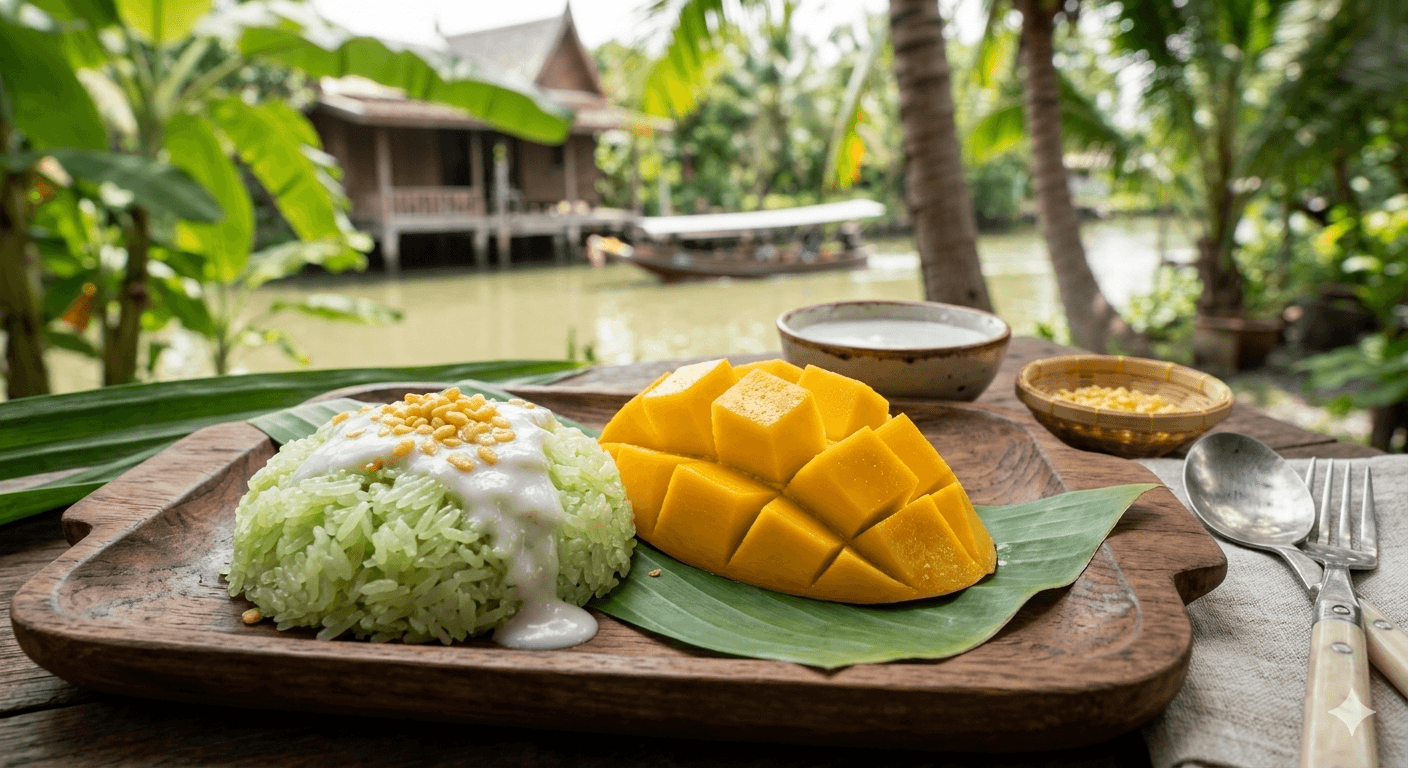
Mango sticky rice costs ฿50–฿70 at a local stall — one of the most iconic Bangkok street food prices 2026 bargains.
Order Bangkok street food from your room — most vendors are now on Grab
One thing that has changed significantly in recent years is how accessible Bangkok street food prices 2026 deals have become. Most of the vendors and local restaurants mentioned in this guide are now listed on GrabFood — Thailand’s most widely used food delivery platform. You can order pad thai, som tam, boat noodles, or khao man gai from well-rated local spots directly from your phone and have it delivered to your room, often within 20–30 minutes.
This is particularly useful if you are staying in a tourist-heavy area where the nearby street food options are tourist-priced. A quick search on GrabFood filtered by distance or rating will often surface the same local vendors that locals use, at the same prices — with a small delivery fee added. It is a practical way to eat well without needing to know exactly where to walk.
The Bangkok street food prices 2026 table above reflects real observed costs — not estimates. If you want to experience this side of Bangkok the right way, this private Bangkok food itinerary is designed to take you straight to the city’s most authentic spots — seamlessly planned, expertly guided, and built around how locals actually eat.
Bangkok Street Food Price Comparison Chart
The chart below shows the midpoint price for each dish in local vs tourist zones, making the gap immediately visible.
Local stall vs tourist zone — midpoint price per dish (฿)
Green = local stall price. Orange = tourist zone price. All figures in Thai Baht (฿).
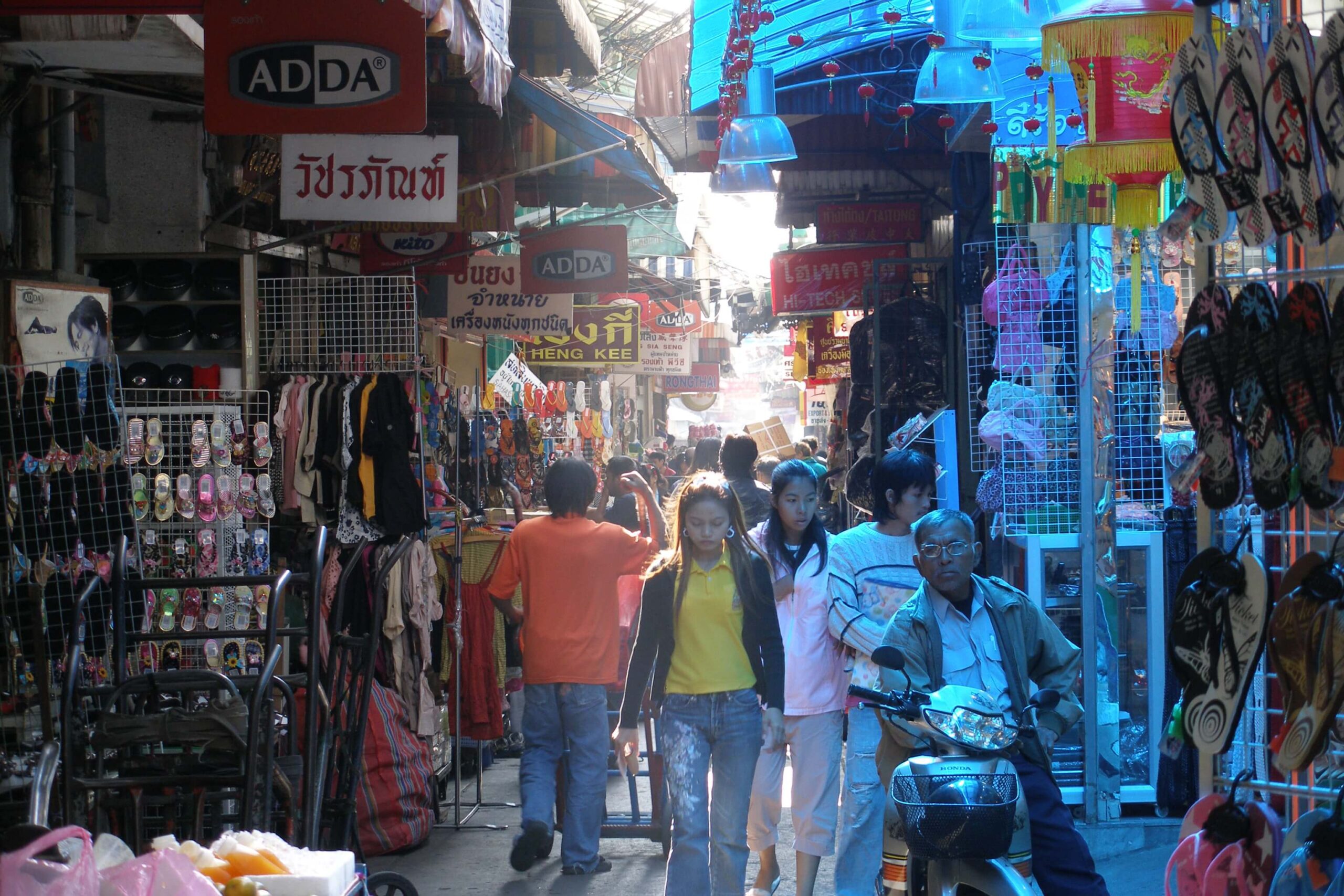
Chinatown and the Sampheng market area remain some of the most concentrated and affordable street food zones in Bangkok — a must for anyone serious about Bangkok street food prices 2026.
Prefer a quick chat?
Message us directly on WhatsApp
If you already have an idea of your trip, send us a message — we’ll guide you through the best options for your travel style.
Chat on WhatsAppThis map helps visualise how local food areas spread across Bangkok, and why prices shift so quickly between residential neighbourhoods and tourist-heavy zones.

A typical noodle plate costs around ฿50–฿60 in local neighbourhoods.
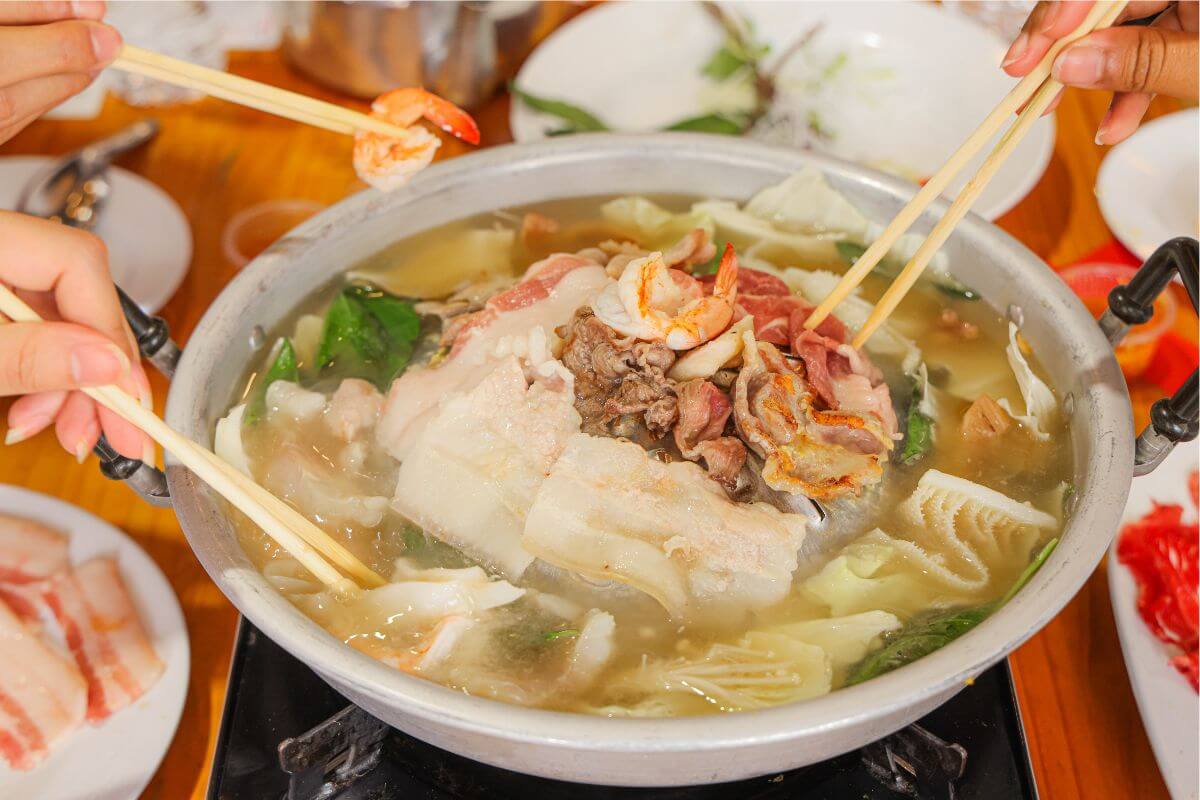
Tom yum seafood usually ranges from ฿60–฿80 outside tourist zones.
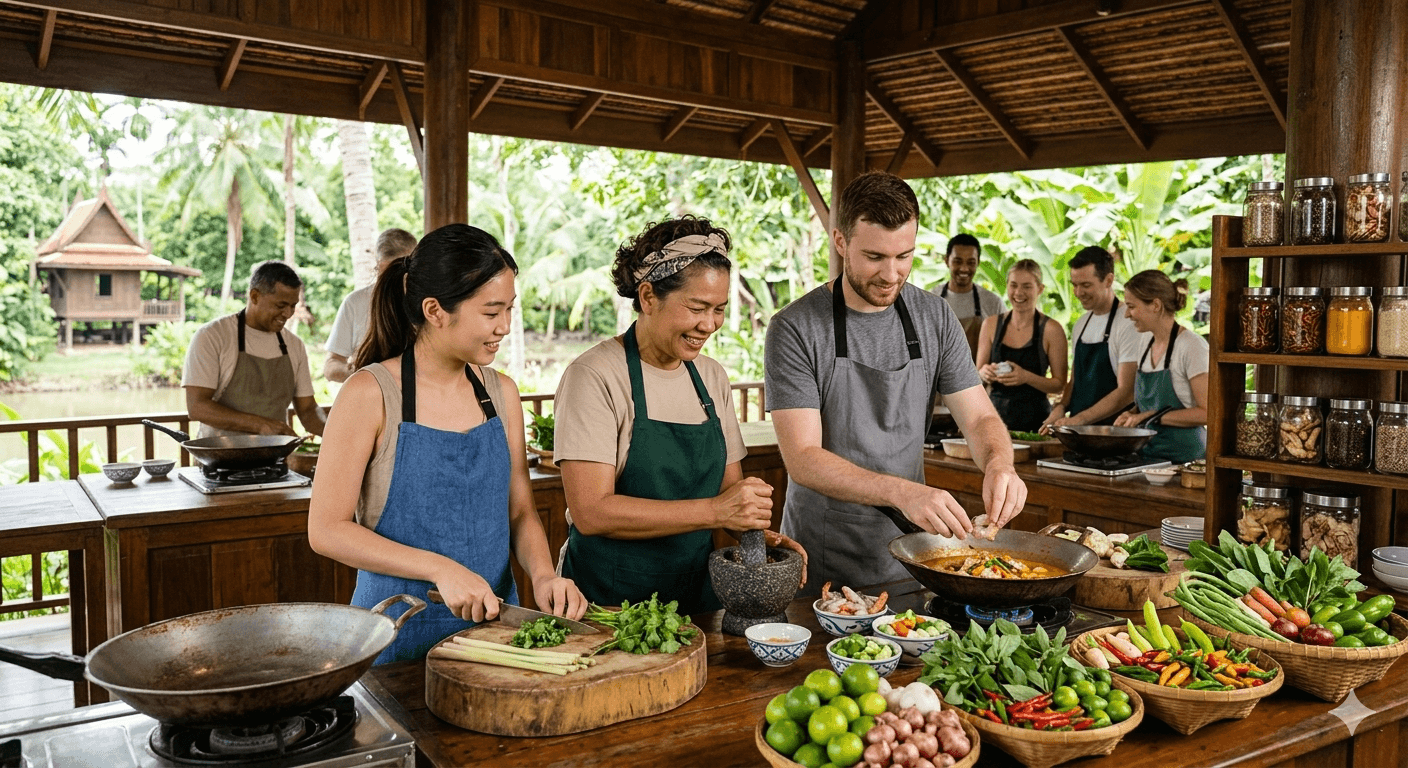
Want to go deeper than just eating? We arrange private Thai cooking classes in Bangkok and across Thailand — a great way to understand the ingredients and techniques behind the dishes in this guide. Contact us to arrange a class.
Price Ladder – Street vs Mid-Range vs Tourist Restaurants
Not every meal I eat comes from a cart. Sometimes I go to Foodland — a reliable Bangkok supermarket chain with in-house restaurants. A proper Thai dish there typically costs ฿150–฿180. It’s air-conditioned and consistent, but still priced for locals.
| Tier | Price Range | Example | Who eats here |
|---|---|---|---|
| Morning market stall | ฿10–฿30 | Pork skewers, porridge, boiled eggs | Commuters, early risers |
| Local street stall | ฿40–฿70 | Pad Thai, Som Tam, Boat Noodles | Residents, office workers |
| Mid-range local chain | ฿150–฿180 | Foodland, MK restaurant | Locals wanting air-con |
| Tourist restaurant zone | ฿200–฿400+ | Hotel-area eateries, Khao San Road | Visitors, expats, business travelers |
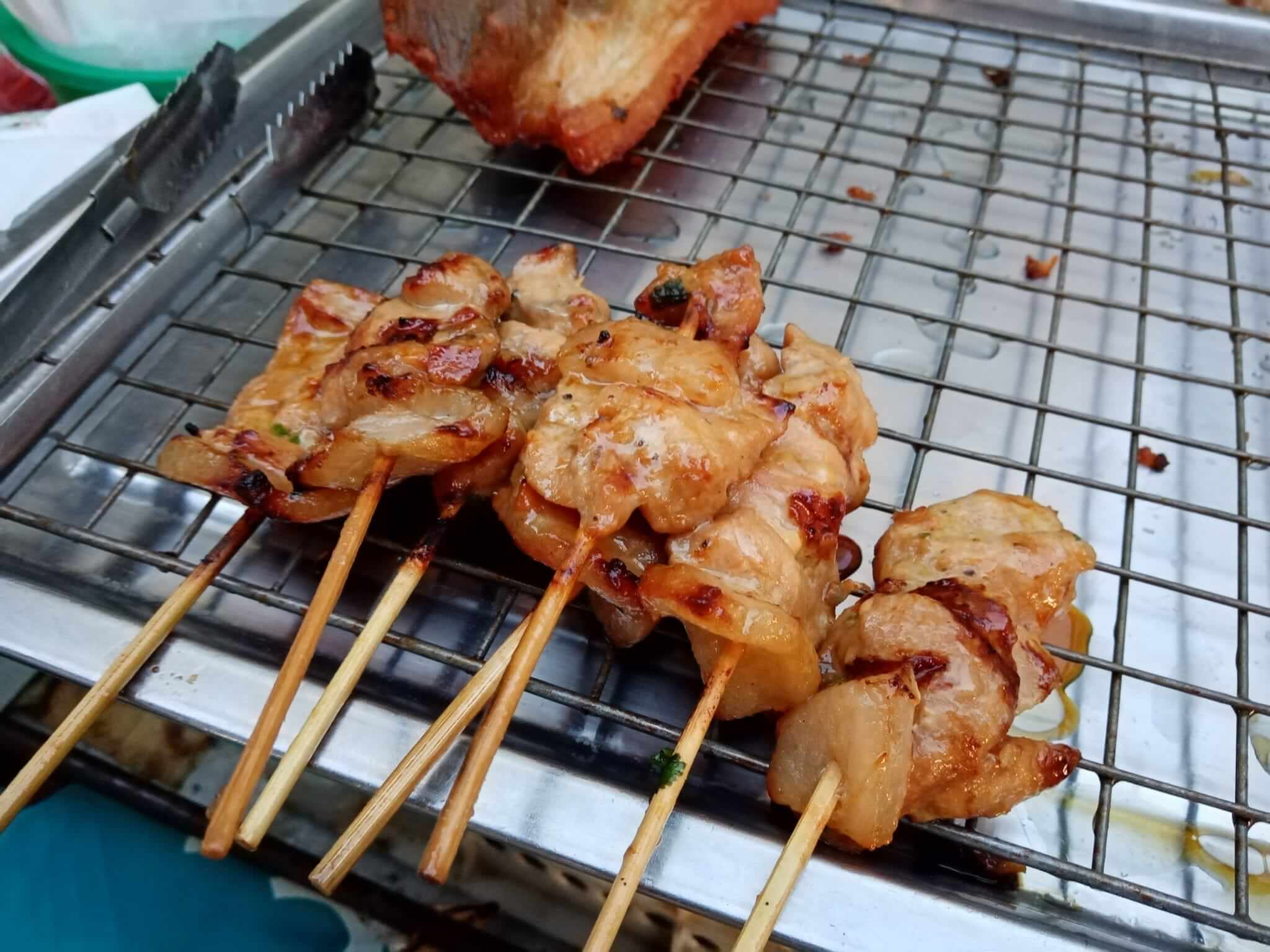
Grilled pork skewers (moo ping) are one of the best value Bangkok street food prices 2026 — ฿10–฿15 each at local morning markets.
Neighbourhood Price Differences
| Area | Typical Pad Thai | Character | Why |
|---|---|---|---|
| Sukhumvit (central) | ฿100–฿140 | Tourist-heavy | High tourist density, hotel proximity |
| Bang Rak | ฿50–฿70 | Mixed residential + office | Local workers, less tourist traffic |
| Ari | ฿70–฿90 | Trendy mid-tier | Young professionals, café culture |
| Riverside zones | ฿120+ | Hotel-heavy | Premium location premium pricing |
| Rama V | ฿45–฿60 | Local residential | Real neighbourhood, minimal tourists |
Understanding Bangkok street food prices 2026 by neighbourhood is the single most useful thing you can do before eating out in the city. Since these areas are spread across the city, our Bangkok transportation guide is worth a read too, knowing how to move between BTS, MRT, and canal boats efficiently makes it far easier to chase down the cheapest, most authentic plates instead of settling for whatever’s closest to your hotel.
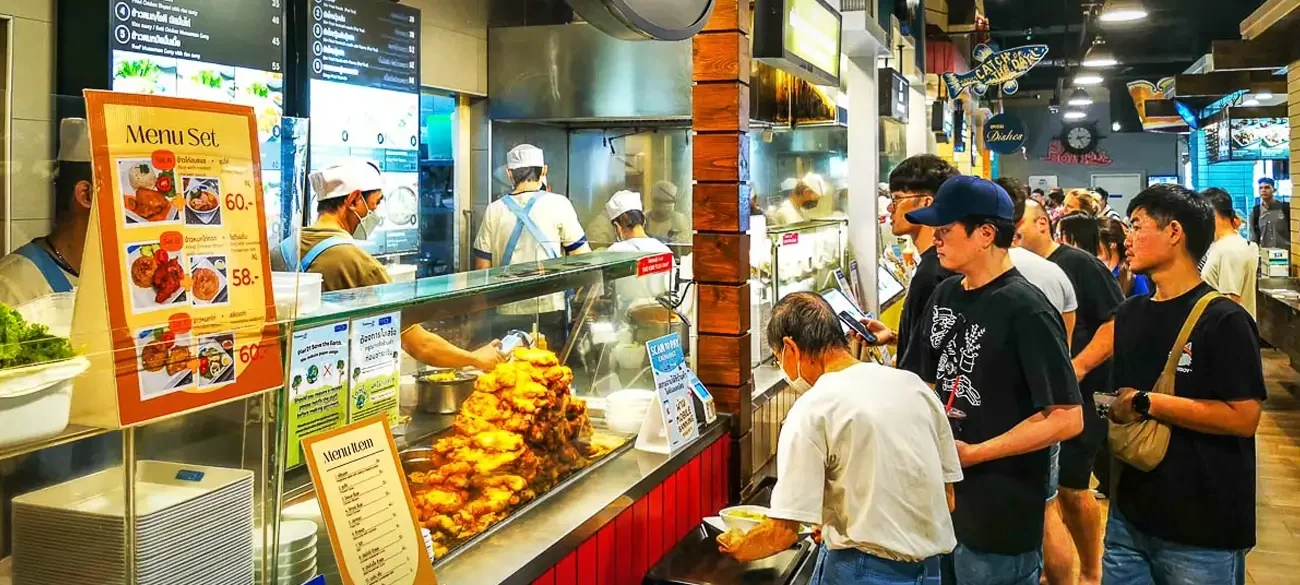
Terminal 21’s food court offers most of the same Bangkok street food at prices close to street level — cleaner surroundings, air-conditioned, and still very inexpensive by any standard. A solid option if you want the flavours without the heat.
For a broader way to explore Bangkok beyond just food, this Bangkok hidden gems itinerary connects markets, neighbourhoods, and everyday local experiences into one seamless plan.
Bangkok Neighbourhood Price Chart — Pad Thai by Area
A visual comparison of what a plate of pad thai costs across different Bangkok neighbourhoods in 2026.
Average pad thai price by neighbourhood (฿)
Based on observed 2026 local pricing. Colour intensity reflects tourist density.
Green = local-priced areas. Orange/red = tourist-priced zones. All figures are midpoint estimates based on 2026 observation.
Daily & Weekly Cost Scenarios
Budget street eater
Three meals a day from local stalls in residential areas. Som tam, boat noodles, khao man gai. No cafes, no tourist zones.
Mix of street + cafes
Street food for lunch, a local cafe breakfast, occasional mid-range dinner. A realistic daily spend for most independent travelers.
Seafood-heavy meals
Regular seafood dishes, tourist-adjacent areas, occasional sit-down restaurants. Still affordable by international standards.
These Bangkok street food prices 2026 scenarios are based on realistic daily eating patterns rather than best-case assumptions. For full trip budgeting across destinations, transport, and accommodation, use the Thailand Trip Budget Calculator 2026. Timing also affects costs — check the Best Time to Visit Thailand 2026 planner before locking in your route.
2024 vs 2026 Price Changes
Here is how Bangkok street food prices 2026 compare to what the same dishes cost two years ago.
| Dish | 2024 price (฿) | 2026 price (฿) | Change |
|---|---|---|---|
| Pad Thai | 45 | 50–60 | +10–15% |
| Pork skewers | 10 | 10–15 | Stable to +50% |
| Mango sticky rice | 50 | 50–70 | +0–40% seasonal |
| Seafood dishes | Baseline | +10–20% | Ingredient costs rising |
| Som Tam | 40 | 40–60 | +0–20% |
| Boat Noodles | 40 | 40–50 | Mostly stable |
Whether you are budgeting carefully or just want to eat well without overpaying, tracking Bangkok street food prices 2026 by neighbourhood makes a real difference to what your daily spend looks like. If you want a fully planned experience, follow the Bangkok food itinerary — or message us directly via WhatsApp or the contact page to build a custom version.
Travelers who enjoy exploring quieter corners of Thailand often continue north — see the Chiang Mai hidden gems guide and the Chiang Mai Market Guide 2026 for the food culture equivalent in the north.

Written by Dee, Thai-born founder of Off Path Thailand. I grew up in Bangkok eating street food daily — from the vendors outside my school to the family Sunday run to Sukhumvit 38. The prices and observations in this guide come from lived experience, not research from a desk. Read the full story →
Embed This Pricing Table
Copy & paste:
<iframe src="https://offpaththailand.com/bangkok-street-food-prices-2026/" width="100%" height="650" loading="lazy"></iframe>
<p>Source: Off Path Thailand</p>
Prefer a quick chat?
Message us directly on WhatsApp
If you already have an idea of your trip, send us a message — we’ll guide you through the best options for your travel style.
Chat on WhatsAppFAQ
How much does street food cost in Bangkok in 2026?
In most local neighborhoods, I still pay around ฿40–฿70 for common dishes like pad thai, khao man gai, som tam, and fried rice. Seafood-based items (tom yum seafood, grilled squid, bigger fish portions) usually start closer to ฿60–฿120 depending on ingredients. In tourist corridors, the same meals are often priced ฿100–฿180 — not because they’re “better,” but because rent and foot traffic are different.
Why is Bangkok street food more expensive in Sukhumvit and riverside areas?
The biggest driver is location overhead. Central Sukhumvit and many riverside strips are packed with hotels, short-stay visitors, and higher rent — so vendors price for that audience. In mixed local zones like Bang Rak, you’ll often see more stable pricing because stalls rely on office workers and repeat customers. A simple rule: walk 5–10 minutes away from hotel streets and you’ll usually see prices drop.
How can I avoid paying “tourist prices” for street food in Bangkok?
I use a few quick signals: menus only in English, aggressive photo boards, and stalls positioned directly outside major tourist venues are more likely to be priced higher. Follow local queues at lunch, eat in residential side streets, and choose places that look built for regulars (fast turnover, simple setup, consistent portions). Paying with small cash notes also helps — it keeps the transaction smooth and avoids awkward “rounding up.”
Is Bangkok street food safe to eat in 2026?
Generally, yes — if you choose busy stalls with high turnover. I stick to places cooking to order (hot wok, fresh soup pot), with ingredients covered and kept cool, and a steady stream of local customers. If you have a sensitive stomach, start with cooked foods like khao man gai or fried rice, skip raw garnishes at first, and avoid anything sitting lukewarm for long periods.
What’s a good backup option for food in Bangkok if I don’t want street food every meal?
Foodland is one of my practical benchmarks in Bangkok. It’s a local supermarket chain with in-house restaurants, and a proper Thai dish is usually around ฿150–฿180 — air-con, consistent, and not priced like a tourist restaurant. It’s not street-stall cheap, but it’s a reliable middle tier when you want a sit-down meal without paying hotel-zone prices.
Tell us your dates and vibe — Our team replies within 24 hours to begin crafting your trip.
Leave everything to us and experience Thailand Off The Beaten Path
Every journey leaves a footprint — the difference is in how we choose to travel. At Off Path Thailand, we focus on keeping those footprints light. Discover how sustainable travel in Thailand connects comfort with care.