
Sustainable Tourism in Thailand: A Local’s Guide to Responsible Travel
Responsible travel in Thailand, explained by someone who grew up here, plus private, low-impact journeys built around local communities and quieter places.

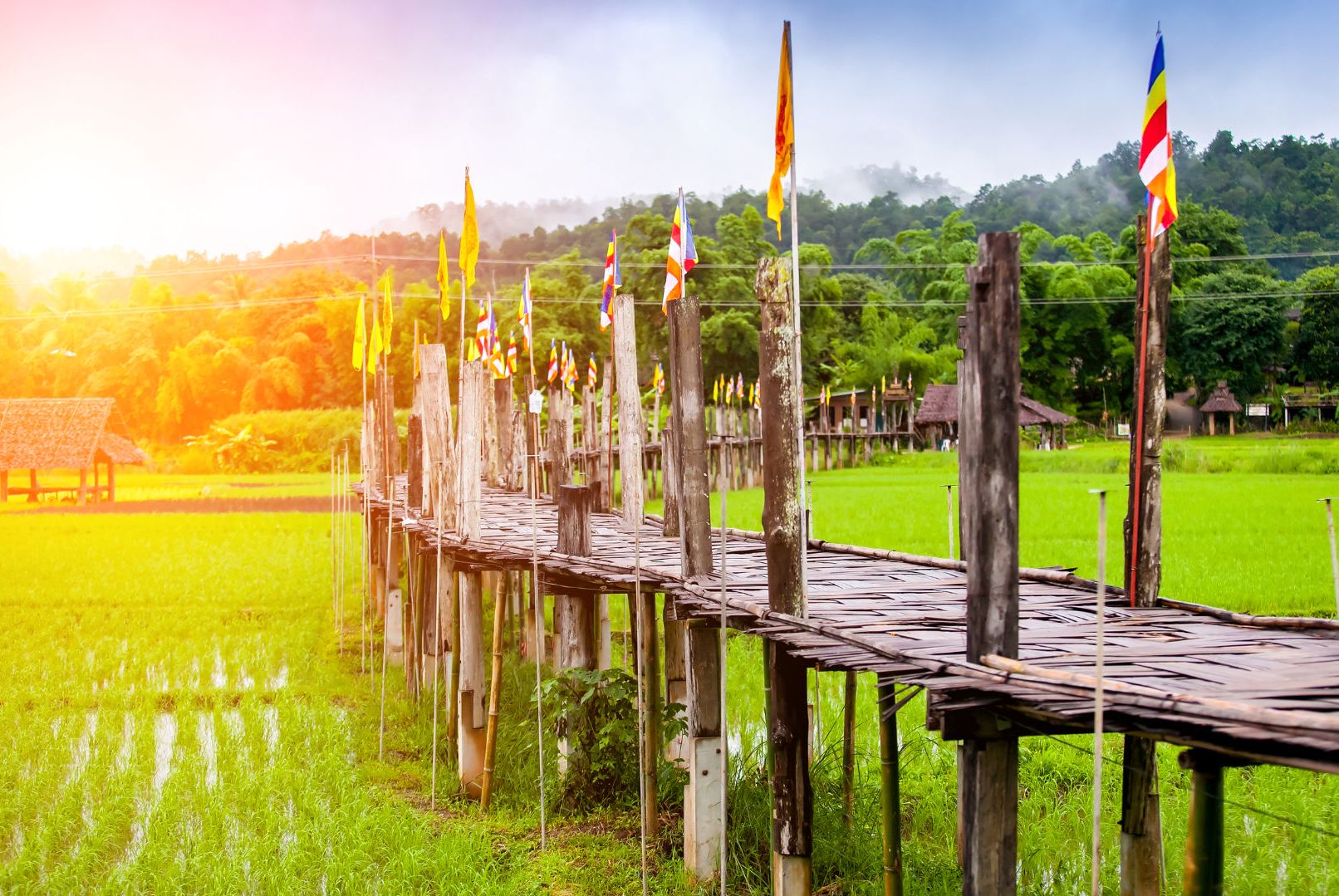
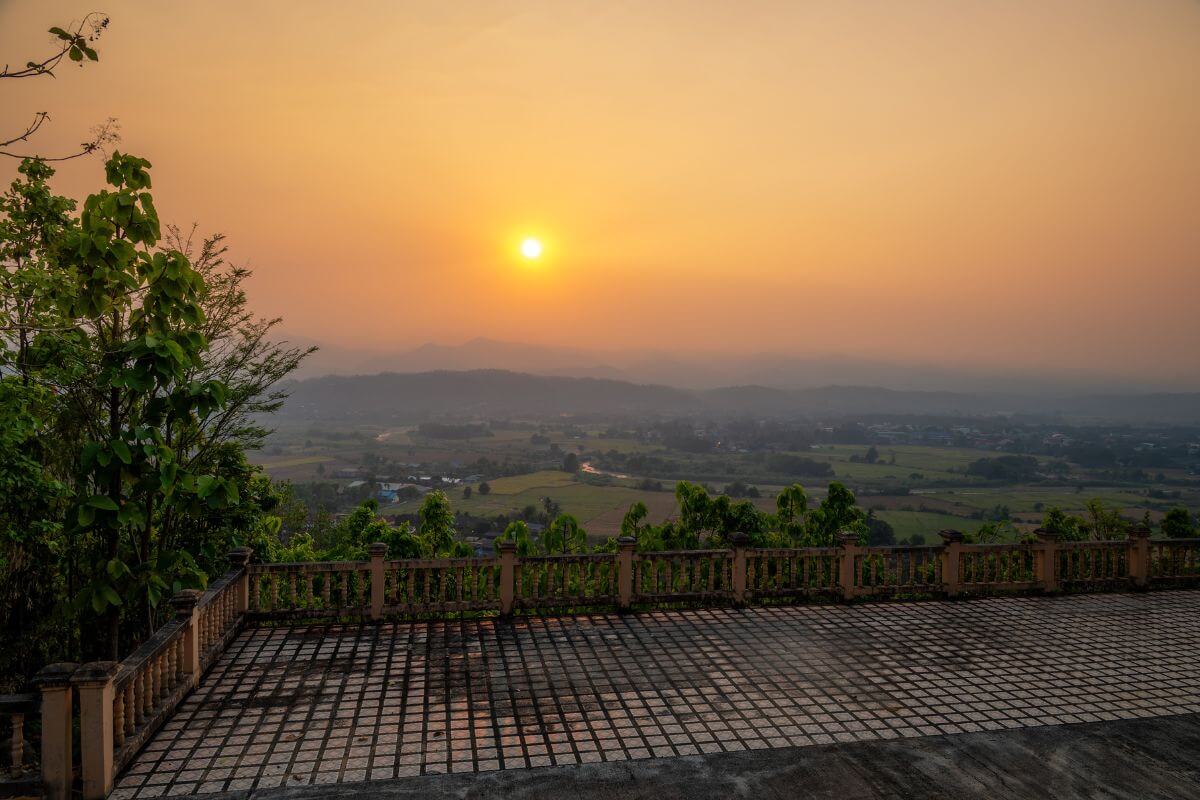
What sustainable tourism in Thailand looks like to someone who grew up here
Sustainable tourism in Thailand isn’t about giving things up. It’s about travelling in a way that protects the places you came to see and keeps more of your money with the people who live there. Done well, it’s also the most rewarding way to experience the country.
I grew up in Bangkok, and I’ve spent close to ten years exploring Thailand’s quieter corners, mostly by scooter and often riding offline with no plan at all. Along the way I’ve seen what mass tourism does to a place. One of my favourite hidden spots near Chiang Mai, a cave and meditation sala I used to have almost to myself, now has a full parking lot and people in every quiet corner. It’s a reminder of how quickly “hidden” becomes “overrun” when everyone follows the same route.
I used to come up to Chiang Mai just to party. These days I’ve given up alcohol, I eat fully vegan, and I spend my time on slow mornings, long rides into the hills and meditating wherever I find a quiet spot, whether that’s a temple, a waterfall or a forest trail. When a client recently wanted to take his son to see elephants, I didn’t book a riding camp. I contacted Elephant Nature Park, a respected rescue sanctuary with a no-riding policy, and their team was quick, friendly and genuinely helpful.

8 ways to travel sustainably in Thailand
Stay local. Choose Thai-owned guesthouses and eco lodges over international chains.
Hire local guides. Pick guides who actually live in the area you’re visiting.
Ethical wildlife only. No riding, no shows, no handling. Observation only.
Refill, don’t buy. Carry a bottle and use the refill machines found everywhere.
Travel slower. Trains and buses over short flights, fewer stops, longer stays.
Skip the hotspots. Spread your visit to quieter places like Nan, Chiang Dao and Koh Kood.
Respect the culture. Dress for temples and ask before photographing people.
Bargain kindly. A few baht matters far more to a small vendor than to you.
Where to experience sustainable tourism in Thailand
These are the places I recommend most for eco tourism in Thailand, chosen because tourism there is still small-scale and locally owned.
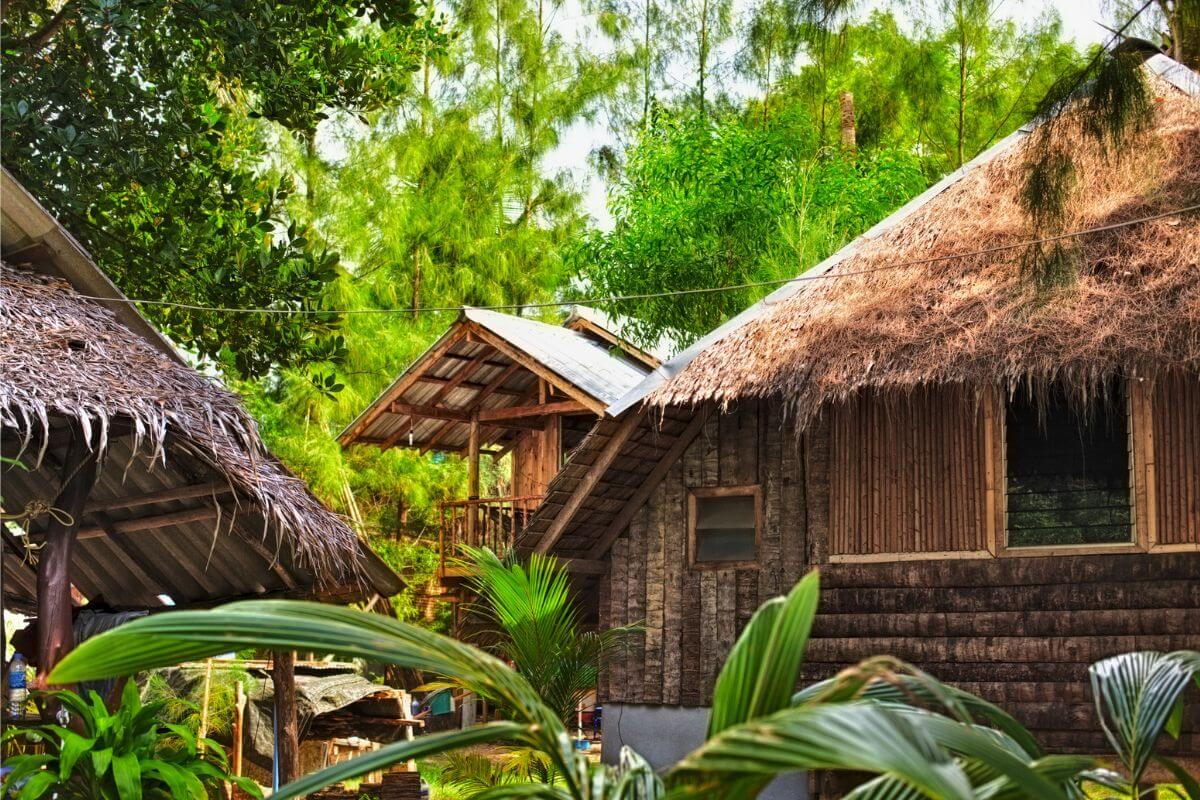
Koh Kood: eco lodges and quiet reefs
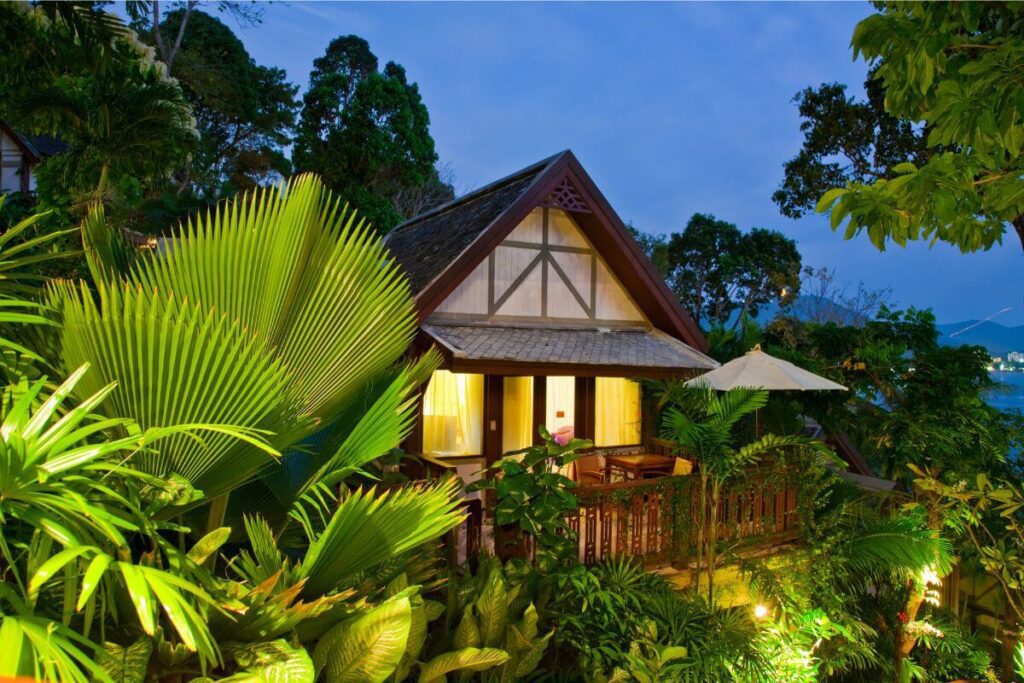
Koh Kood is one of the clearest examples of low-impact island travel in Thailand. Villas sit among the jungle, many built with reclaimed wood and designed around the landscape, and some resorts support coral restoration. It’s one of Thailand’s hidden gem islands: far quieter than Koh Samui or Koh Tao, and better for it.
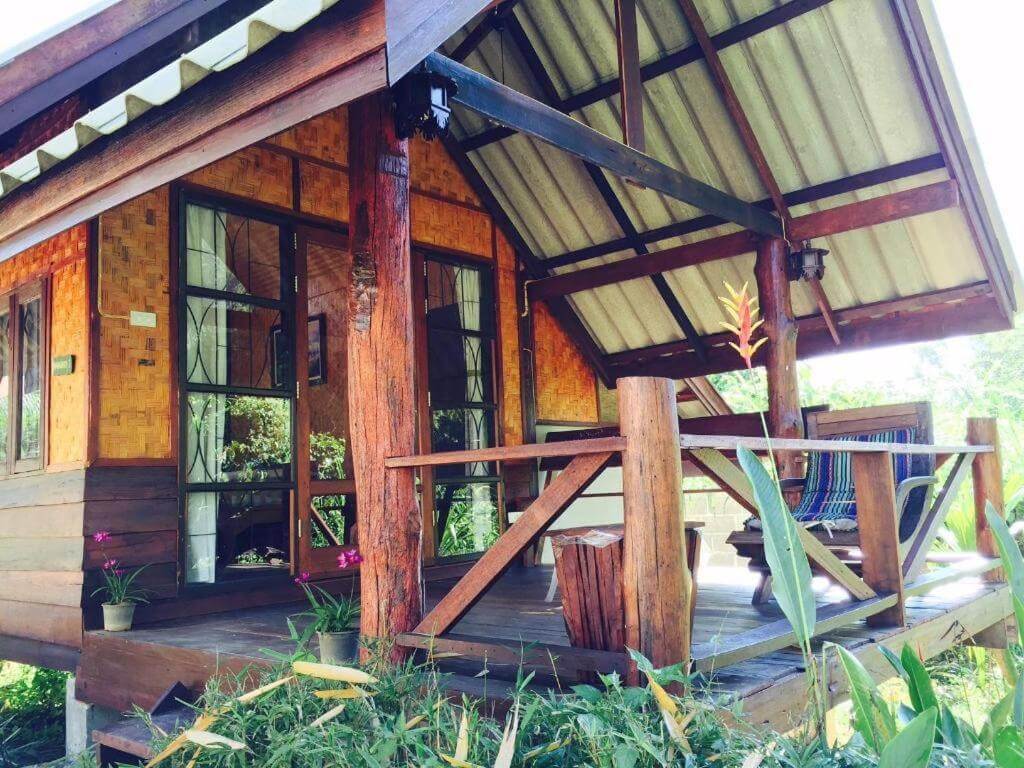
Chiang Dao: a UNESCO biosphere reserve
In Chiang Dao, travelling well means respecting both the mountains and the communities around them. The area is part of the Doi Chiang Dao Biosphere Reserve. Our Chiang Dao guide covers the routes, and our list of the best places to stay in Chiang Dao focuses on Thai-owned, low-footprint stays.
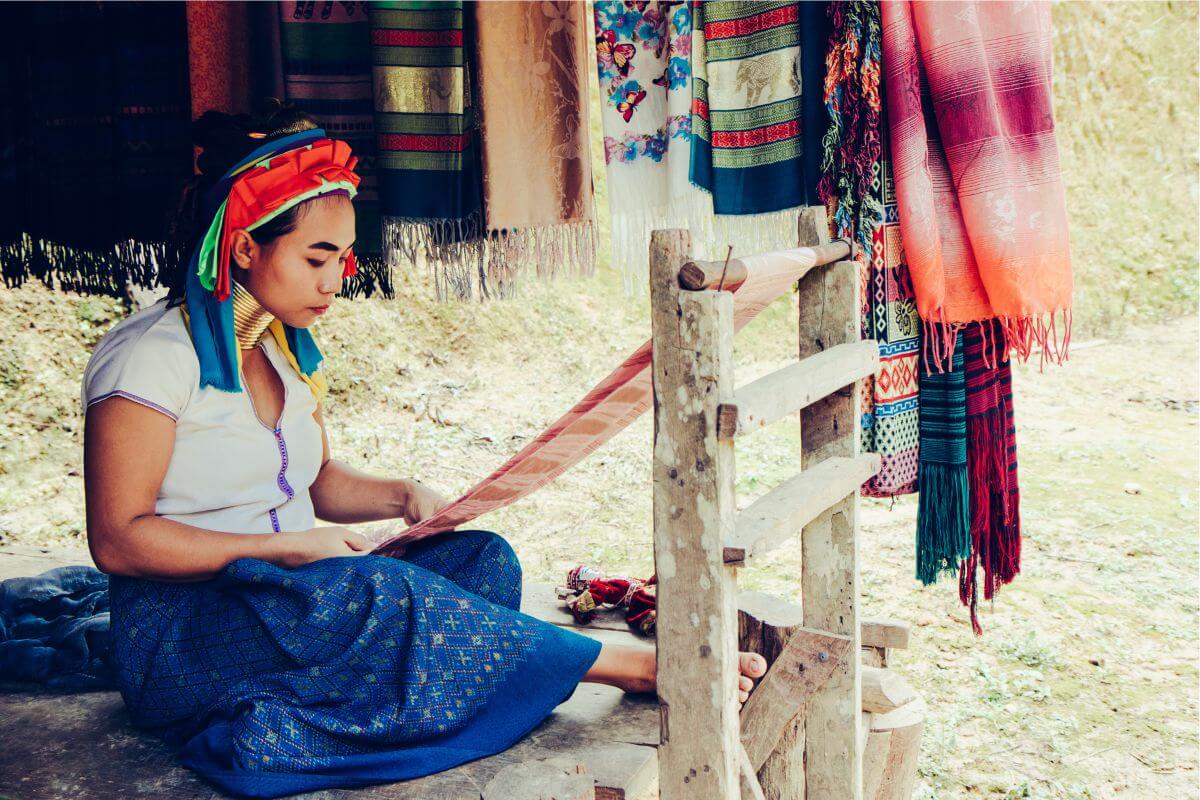
Nan: community tourism in everyday life
In Nan, community tourism isn’t a product. It’s part of daily life. Thai Lue weavers still work traditional looms, and far more of what visitors spend stays in the local economy. It’s one of the most rewarding and least crowded places in the north, and our Nan itinerary shows how to spend a few slow days there.
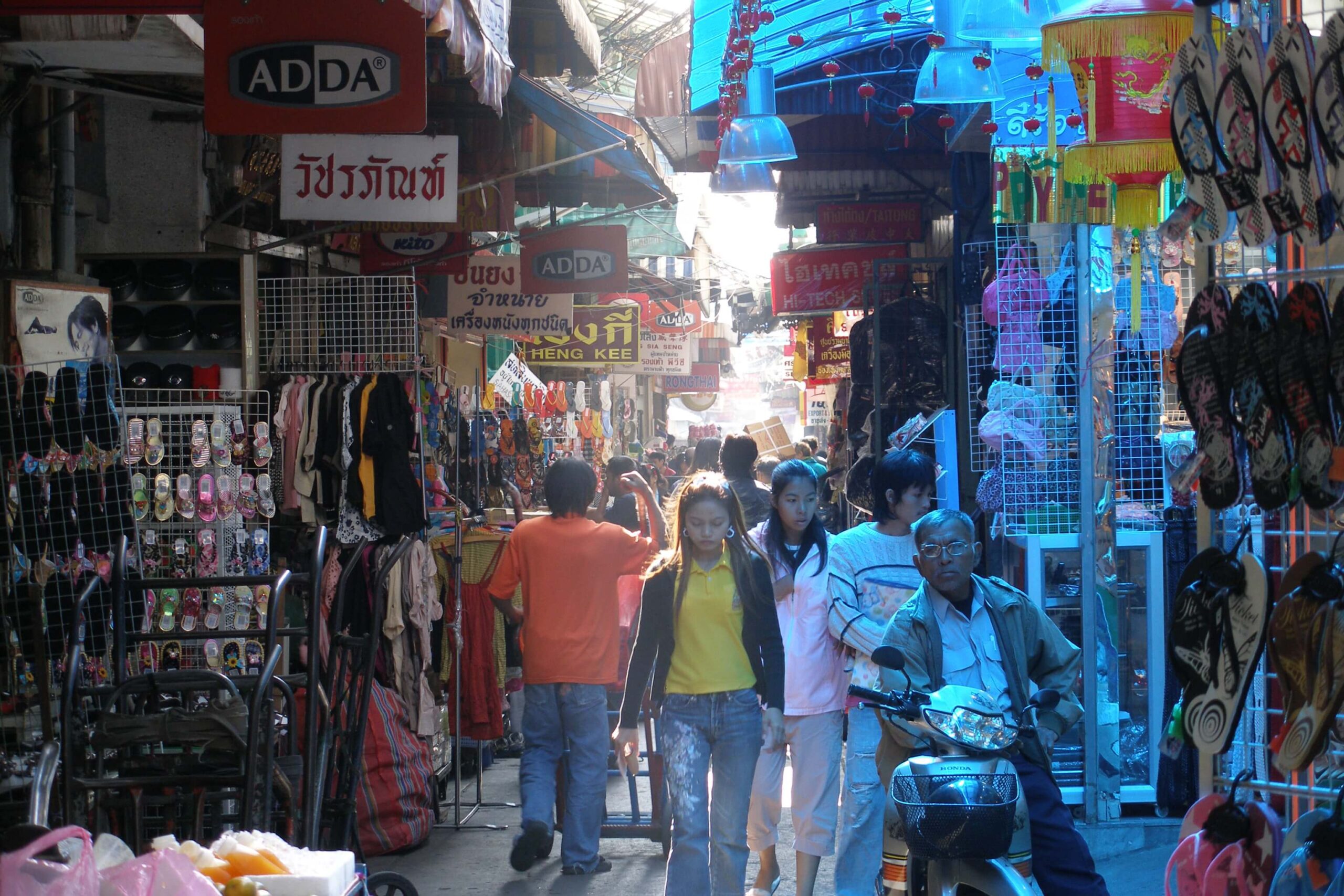
Bangkok beyond the surface
Sustainable travel in Thailand isn’t only for mountains and islands. As someone who grew up in Bangkok, I know the city has a greener, community-rooted side. Cycle the raised walkways of Bang Krachao, shop the hidden local markets where Bangkok actually shops, or spend a slow day in its quiet park escapes. Choices like these keep your money with small vendors and the neighbourhoods they serve.

Morning mist over the cliffs of Chiang Dao
What sustainable tourism in Thailand actually means
Sustainable tourism balances three things: the environment, local culture and the local economy. In Thailand, the most important idea behind it is community-based tourism, where villages and local groups run their own homestays, tours and workshops, and decide how visitors are welcomed.
The idea has deep roots here. Responsible tourism in Thailand is often linked to the late King Bhumibol’s “sufficiency economy” philosophy of moderation and self-reliance. A well-known example is Ban Mae Kampong, a mountain village near Chiang Mai that began offering homestays in 2000 and became a model for community tourism across the country.
For travellers, responsible travel in Thailand comes down to a simple question: when you spend money here, who benefits, and what’s left behind after you go?
Three principles behind every trip we plan
Local-first travel
We work with local guides, family-run stays and community businesses, so tourism supports the people who actually live in the places you visit.
Low-impact journeys
Fewer stops, slower pacing and thoughtful routing reduce pressure on fragile environments and make for a calmer, more meaningful trip.
Respectful cultural exchange
Encounters are built on consent, context and dignity, never performances or exploitative experiences dressed up as culture.
Why sustainable tourism in Thailand matters now
Thailand is one of the most visited countries on earth. That brings real economic benefits, and real costs to places, people and ecosystems.
Sources: Thai Ministry of Tourism and Sports via Xinhua · WTTC Economic Impact Research 2025
What over-tourism does
- Reefs damaged by boat traffic and careless diving, which is why Maya Bay had to close for years
- Popular places like Pai, Chiang Mai’s Old City and Phi Phi see rents rise and family businesses pushed out
- Wildlife exploitation sold as “culture”: elephant riding, tiger selfies, performing monkeys
- Local communities keep only a fraction of the income when outside operators control the supply chain
- Temples and sacred sites reduced to photo stops
- Plastic waste piling up where visitor numbers are high and waste systems are weak
What responsible travel changes
- Spending with family businesses in Nan and other villages keeps more income in the community
- Choosing quieter islands like Koh Kood eases pressure on overloaded beaches
- Community-run experiences share traditions on local terms, with dignity
- Visiting Chiang Dao spreads visitors away from the busiest hotspots
- Slower itineraries create more local income per visitor, without the crowd problem
- Recognised certifications give travellers a way to check sustainability claims
How to travel sustainably in Thailand: 8 practical tips
These are the habits I actually follow, and the ones I build into every trip we plan.
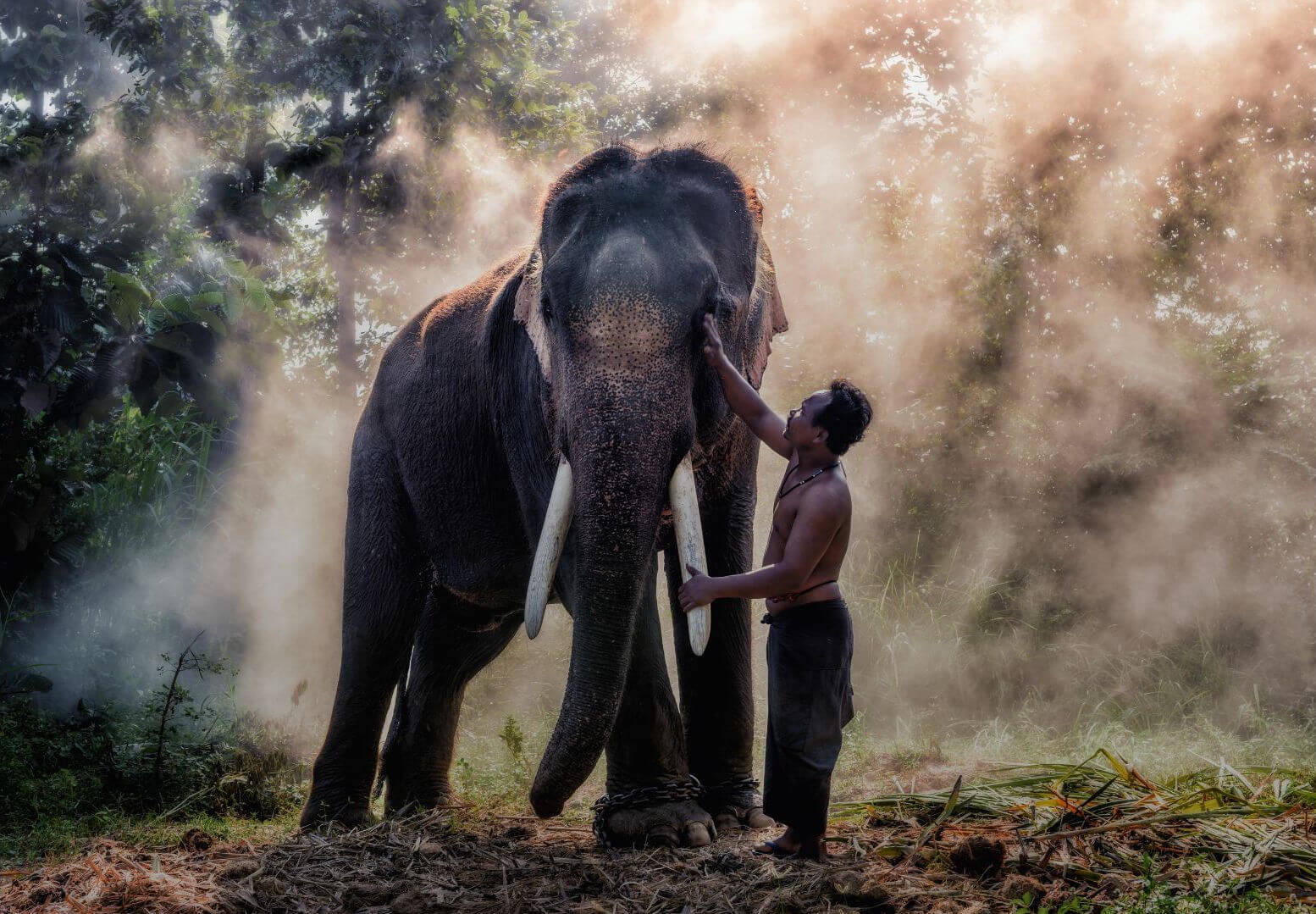
Choose ethical wildlife experiences
Skip riding, shows, painting and anything that involves handling animals for photos. When I arranged an elephant visit for a client and his son, Elephant Nature Park was my choice for exactly this reason.
Protect the reefs
Don’t touch or stand on coral, use reef-friendly sunscreen, and paddle or take small boats instead of crowded speedboat tours. Quieter islands like Koh Kood are far easier on marine life.

Travel slower, and by land
Take trains, the BTS and buses instead of short domestic flights, and stay longer in fewer places. I once spent a whole month in Pai and found villages and hot springs most visitors never see.
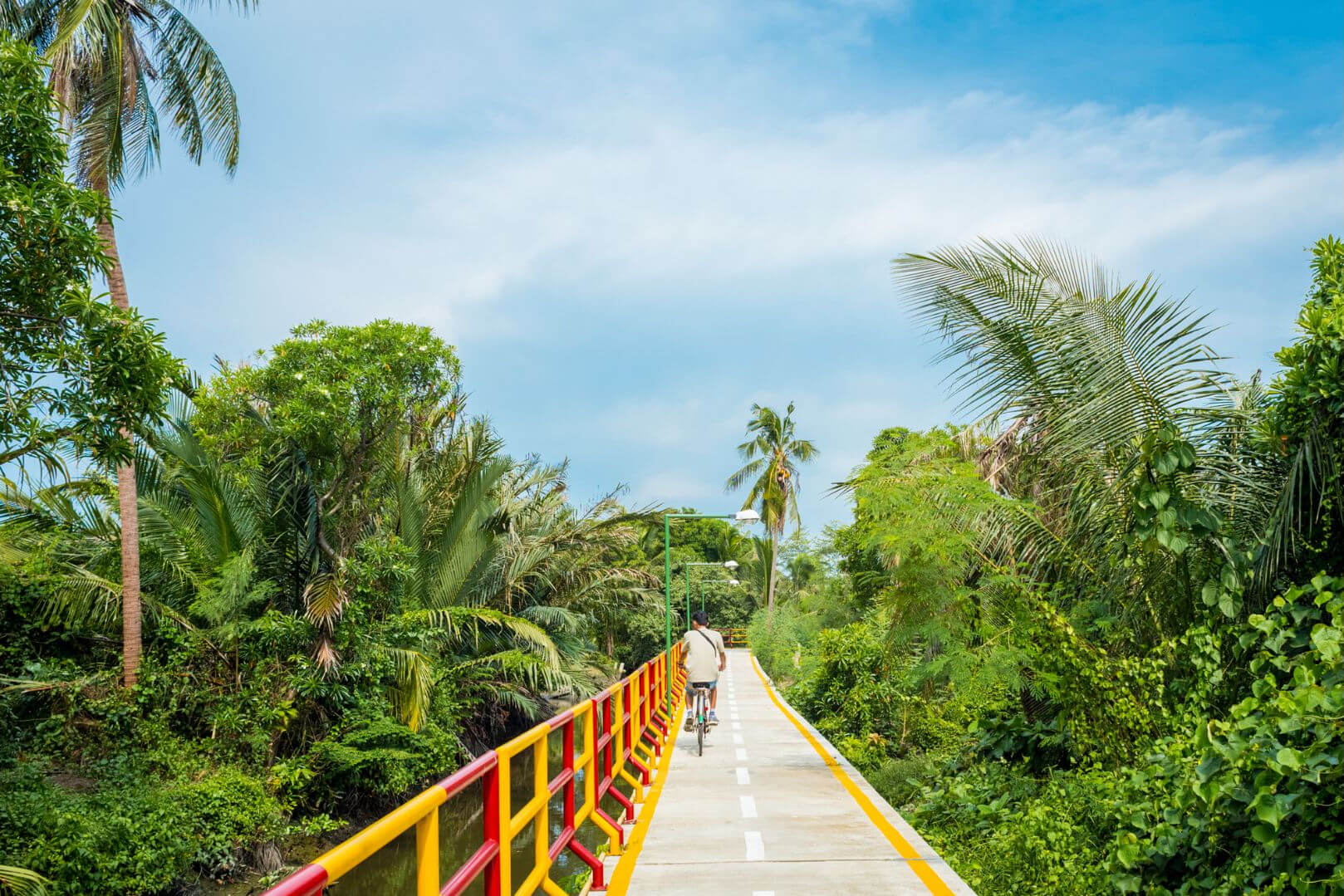
Walk and cycle more
Some of Thailand’s best corners are best seen on foot or by bike. My Chiang Mai walking routes show how much you can see without a car.
Refill instead of buying plastic
Carry a reusable bottle. Water refill machines are common across Thailand and cost just a few baht, and many guesthouses and cafés will refill your bottle for free.
Eat local, and try plant-based
Family-run restaurants and markets keep money in the neighbourhood, and plant-based eating has a lower footprint. My guide to the best vegan restaurants in Chiang Mai is a good place to start.
Respect temples and people
Cover your shoulders and knees at temples, remove your shoes where needed, and always ask before photographing people, rituals or sacred spaces. Bargain kindly too: a few baht matters far more to a small vendor.
Travel off-peak
Visiting outside peak season spreads the pressure on popular places. My Chiang Mai rainy season guide explains why green season is my favourite time of year.
What Thailand is doing about sustainable tourism
Thailand has been building its own framework for greener, fairer tourism. Knowing these names helps you spot businesses that are genuinely committed, rather than just using the word “eco” in their marketing.
STAR rating
Rates hotels, attractions and other tourism businesses against Thailand’s sustainable tourism goals. TAT is aiming for 70% of tourism businesses to be STAR accredited by the end of 2026. Learn more
Thailand Good Travel
A national certification mark for destinations, hotels, tour operators and community tourism groups that meet Thailand’s sustainable tourism standards. Learn more
DASTA
The Designated Areas for Sustainable Tourism Administration develops community-based tourism in selected areas together with local groups. Learn more
Green Leaf and GSTC
The Green Leaf Foundation certifies responsible hotels in Thailand, and the GSTC sets the international baseline many certifications follow.
Sustainable vs conventional travel in Thailand
The difference isn’t always dramatic, but it adds up. Every choice about where you stay, who you book with and how you move shapes what tourism in Thailand looks like long-term.
| Conventional travel | Sustainable travel | |
|---|---|---|
| Accommodation | International chains, where profits largely leave Thailand | Thai-owned eco stays and family-run guesthouses, like our Chiang Dao picks |
| Destinations | Phuket, Koh Samui and Phi Phi, already under heavy pressure | Quieter places like Koh Kood, Chiang Dao and Nan |
| Wildlife | Elephant riding, tiger selfies and performing animals | Observation only, ethical sanctuaries and nature walks |
| Guides | Mass-market operators based outside the region | Local Thai guides who live in the area |
| Shopping | Tourist markets full of imported goods | Artisan markets and local producers, like our Chiang Mai market guide |
| Pace | Many destinations in a few days, with lots of flights | Longer stays, fewer flights and more time in one region |
| Culture | Staged “authentic” shows designed for photos | Real encounters: artisan workshops, temple visits with context, shared meals |
| Accountability | Vague “eco” claims with no proof | Recognised standards like STAR, Thailand Good Travel, Green Leaf and GSTC |
How to tell if a tour operator is really sustainable
“Eco” and “sustainable” are easy words to put on a website. Before you book any sustainable tours in Thailand, including ours, ask these questions. A genuinely responsible operator will answer them happily and specifically.
- Who owns the places I’ll stay? Thai-owned and family-run stays keep more money local.
- Where are the guides from? Local guides mean local income and real knowledge.
- How big are the groups? Small groups have a much lighter footprint.
- What do wildlife activities involve? Any riding, shows or handling is a red flag.
- How is waste handled? Look for refill water and less single-use plastic.
- Any certifications? STAR, Thailand Good Travel, Green Leaf or GSTC-recognised standards are good signs.
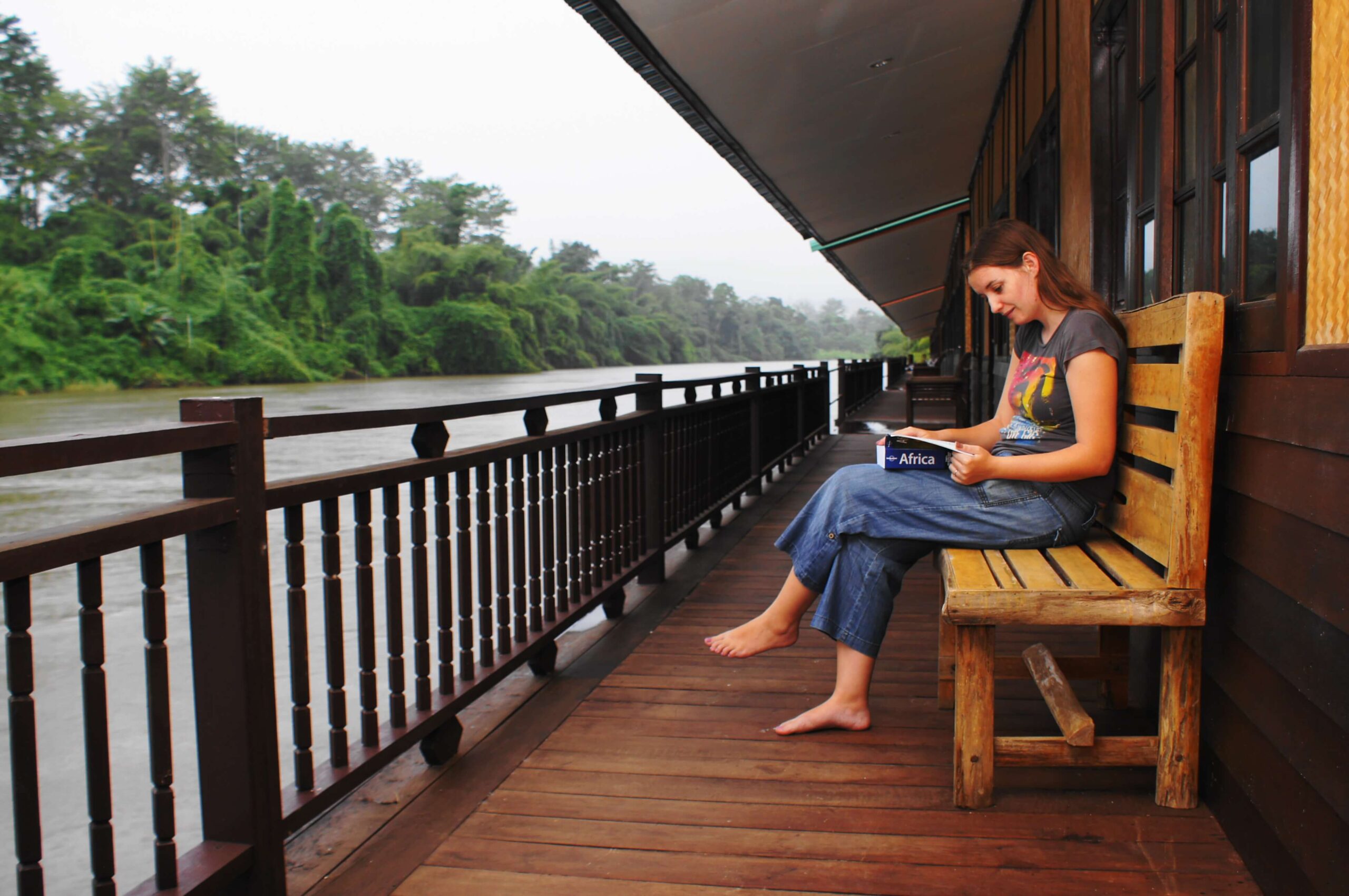
A slow day on a floating raft house in Kanchanaburi
How Off Path Thailand plans sustainable trips
Every trip we design is private and built from scratch around your dates, interests and pace. We route you through quieter destinations, book Thai-owned stays, work with local guides and community partners, and leave enough breathing room that you actually get to know a place. Whether you want wellness and slow travel, culture and villages, or islands without the crowds, the map below shows the eco lodges and community-based destinations we recommend.
Ready for a quieter, more meaningful Thailand?
Tell us your dates and interests, and we’ll design a private, low-impact itinerary around the places and people that make the real difference.
Or email us at [email protected]
FAQ: sustainable tourism in Thailand
What is sustainable tourism in Thailand?
Sustainable tourism in Thailand means travelling in a way that protects the country’s nature and culture while keeping more of your money with local people. In practice, that means Thai-owned stays, local guides, ethical wildlife experiences, slower itineraries and quieter destinations instead of overcrowded hotspots.
How can I travel sustainably in Thailand?
Stay in family-run or Thai-owned accommodation, hire local guides, choose observation-only wildlife experiences, refill a water bottle instead of buying plastic, take trains and buses instead of short domestic flights, eat at local and plant-based restaurants, and dress and photograph respectfully at temples and villages.
Is eco tourism in Thailand more expensive?
Not always. Family-run guesthouses, local restaurants and public transport are often cheaper than the mass-market alternatives. Some eco lodges and community experiences cost a little more because more of the money goes to local people and lower-impact operations, but they usually offer better value through fewer crowds and deeper experiences.
Are elephant sanctuaries in Thailand ethical?
Some are and some are not. Look for places with no riding, no shows, no painting and no forced bathing, where elephants are observed rather than handled. Elephant Nature Park near Chiang Mai is one well-respected example with a strict no-riding policy.
Where is the best place for sustainable tourism in Thailand?
Quieter destinations like Nan, Chiang Dao and Koh Kood are some of the best places for sustainable travel in Thailand, thanks to smaller-scale tourism, local ownership and protected landscapes. Even Bangkok has a sustainable side through its local markets, community neighbourhoods and green spaces.
How do I know if a tour operator is really sustainable?
Ask who owns the accommodation, whether guides are from the area, how big the groups are, what wildlife encounters involve, and how waste is handled. Recognised marks include Thailand’s STAR rating and Thailand Good Travel mark, the Green Leaf certification for hotels, and GSTC-recognised standards. Vague claims with no specifics are a red flag for greenwashing.
Does Off Path Thailand offer sustainable tours in Thailand?
Yes. Off Path Thailand designs private, custom trips built around local guides, Thai-owned stays, community experiences and slower routes through quieter destinations. Message us on WhatsApp or email [email protected] with your dates and interests.

Written by Dee, Thai-born founder of Off Path Thailand. My life changed after renting a scooter in Chiang Mai nearly a decade ago. Riding into the distance with mountains on both sides felt more alive than any PS4 game I had ever played, and I’ve been hooked on Thailand’s quiet, hidden places ever since. Today I travel slowly, eat vegan, and build every trip around local people and places that deserve to stay special. About the founder
Tell us your dates and vibe — Our team replies within 24 hours to begin crafting your trip.