
Last Updated: July 10, 2026
TL;DR: Looking for the best Bangkok neighborhoods to explore and to live away from the tourist crowds? This 2026 guide skips the usual hubs to explore quiet, local districts, canal-side communities, and authentic areas that double as the best Bangkok neighborhoods for expats who want to live where real Thais live. It is the perfect resource for slow travelers and professionals seeking a genuine local vibe in the best Bangkok neighborhoods for expats.
This 2026 guide skips the tourist traps and landmark-chasing to focus on the best Bangkok neighborhoods to explore. Instead, I discuss the quiet corners where the city actually slows down, daily life feels authentic, and allowing you to experience a city that still moves at a human pace.
Bangkok didn’t feel like this when I was growing up.
I spent my childhood in Phrom Phong (Sukhumvit Rd.) in the 1990s, before the city took on its current shape. There were no clustered mega malls, no sky train overhead, and far fewer high-rise condominiums. Traffic existed, but it was mostly confined to main roads. The smaller sois still felt residential. Daily life moved more slowly.
Today, Bangkok has expanded inward as much as outward, reshaping many areas that would typically appear in a standard Bangkok neighborhood guide. Districts like Phrom Phong, Thonglor, and Ekkamai are now defined by constant traffic and congestion spilling deep into sub-sois. The rise of large-scale developments, especially around the EM District, has changed how these neighborhoods function. They still serve a purpose, but they’re no longer the focus of a Bangkok neighborhood guide for someone looking for the city’s quieter side.
Bangkok is full of hidden gems, but they don’t all look the same. Some are quiet cafes in Bangkok where locals work or decompress, others are parks, markets, or entire neighborhoods that rarely appear in travel guides.
This Bangkok neighborhood guide focuses on specific residential areas rather than attractions, highlighting the best Bangkok neighborhoods to explore where life feels calmer, streets are quieter, and the city reveals a more human scale. Some of these hidden gems are surprising even to longtime residents, making them the best Bangkok neighborhoods for explore seeking an authentic side to the city. Others sit just beyond the routes most visitors never leave, offering peace and community while remaining recognized as the best Bangkok neighborhoods to explore.
If you’re looking for Bangkok that feels local, livable, and genuinely off the beaten path, this is where to start. For broader context, start with our Bangkok Hidden Gems guide, then use this post to choose which areas to explore more deeply.
Exploring these neighborhoods is well worth your time, even if you are not planning to settle in Bangkok. It offers valuable insight into how the city has modernized and grown, revealing a more livable, human-scale side of this thriving metropolis.
We’ve also written a comprehensive guide to calm, self-guided walking routes in Bangkok to help you navigate the city’s quietest side streets.
If you would like to experience these areas firsthand, we can arrange a personalized day trip. Feel free to message us on WhatsApp to discuss options and schedule your exploration.
- The Best Bangkok Neighborhoods to Explore to Live Like a Local
- Map: Bangkok Neighborhood Guide
- Where to Live in Bangkok: Why Underrated Neighborhoods Are the Real Hidden Gems
- Seri Thai: A Side of Bangkok You Don’t Expect
- Ladprao Deep Sois: Space, Infrastructure, and Value
- Living Like a Local in On Nut, Bangkok's Laid-Back Expat Neighborhood
- Pattanakarn: Quiet, Functional, and Underrated
- Bangna: Reading the City Through Scale
- Nichada Thani: A Purpose-Built Bangkok Expat Neighborhood Unlike Anywhere Else
- Thonburi (Charansanitwong): The Price Quality Gap
- Ratchada: One of the Best Bangkok Neighborhoods to Live and Its Hidden Back Sois
- Practical Tips for Exploring Bangkok’s Quiet Neighborhoods
- Conclusion
- Message us directly on WhatsApp
- FAQ: Best Bangkok Neighborhoods to Explore
- Are the best Bangkok neighborhoods to explore safe?
- How do I get around the best Bangkok neighborhoods to explore without relying on taxis?
- Which are the best Bangkok neighborhoods to explore for a more local experience?
- Do I need a detailed itinerary to visit the best Bangkok neighborhoods to explore?
- Can Off Path Thailand help me explore the best Bangkok neighborhoods to explore?
- Leave everything to us and experience Thailand Off The Beaten Path
The Best Bangkok Neighborhoods to Explore to Live Like a Local
Most visitors experience Bangkok horizontally, moving between landmarks, malls, and food stops. Locals experience it vertically, through layers of everyday life that sit just beyond those routes. That’s why neighborhoods matter. They change how the city feels, not just what you see.
Two guides worth bookmarking alongside this one: our off the beaten path Bangkok guide covers the quieter neighborhoods, canals, and markets most visitors never see, and our full Bangkok transportation guide breaks down the BTS, MRT, canal boats, and more, so you can actually reach these spots without relying on a taxi for every trip.
Wandering these neighborhoods hits different with someone who actually grew up navigating them, which is exactly what a private route through custom tours Thailand can build around you.
Many neighborhoods in Bangkok are anchored by local parks that shape daily routines, offering quiet green space within walking distance of where people actually live. These pockets of calm are essential features to look for when scouting the best Bangkok neighborhoods to explore, as they define the areas where you can find a true sense of community and balance once you settle down.
Map: Bangkok Neighborhood Guide
This map highlights the neighborhoods mentioned in this guide so you can plan routes, pin areas, and build your own calm Bangkok days.
Where to Live in Bangkok: Why Underrated Neighborhoods Are the Real Hidden Gems
In this guide, we’re digging into the local spots that usually fly under the radar, highlighting the best Bangkok neighborhoods to explore where the city’s frantic pace finally takes a breather. The noise clears out, you actually have some elbow room, and these areas stand out as the best Bangkok neighborhoods to explore because the whole energy just feels more human. You aren’t just dodging motorbikes and tour groups anymore; you’re actually seeing the details—like the way a quiet soi curves, where the best neighborhood coffee stall hides, and how local life actually flows. It’s that specific, grounded feeling you only get when you skip the highlights and explore the best Bangkok neighborhoods to explore that most people miss.
If the heat or the logistics of navigating public transit feels like a bit much, we can help smooth things out. We arrange private drivers and local guides who know these areas inside and out, letting you focus on the atmosphere while we handle the heavy lifting. Just reach out through our contact page to get started.
These areas aren’t undeveloped. They’re functional. Families live there. People exercise in the evenings. Food and daily services exist without needing to entertain anyone. Approached respectfully, these neighborhoods offer depth without intrusion. We’ve also put together a Bangkok walking route guide that covers a few more neighborhoods not included in this guide.
If you want this same local-first lens through food, our Bangkok vegan and vegetarian guide pairs well with neighborhood exploration because it’s built around how locals actually eat and order.
Exploring these quieter pockets doesn’t mean you’ll go hungry—in fact, most of these residential stretches are goldmines for authentic, affordable stalls that haven’t been touched by “tourist pricing.” To make sure you’re ordering like a regular and paying local rates, take a quick look at our Bangkok street food guide. It’ll help you navigate the menus and ensure you’re getting the real deal without any unnecessary markups.
Seri Thai: A Side of Bangkok You Don’t Expect
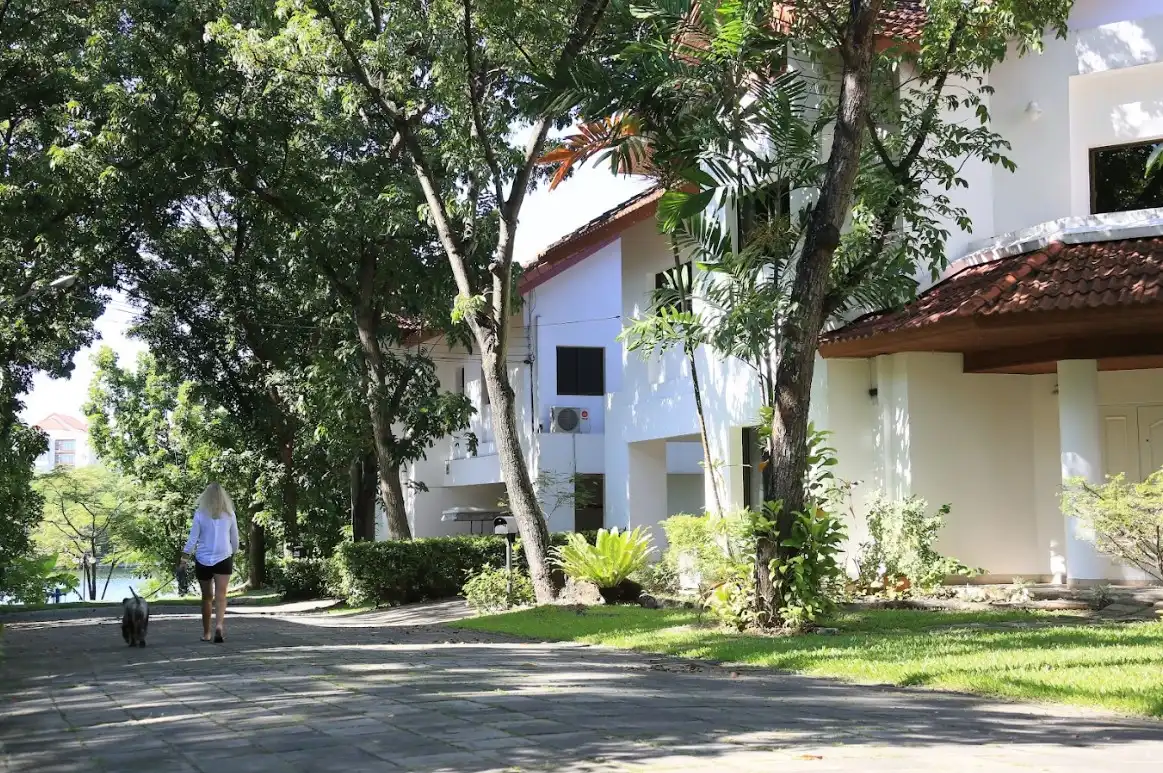
Seri Thai genuinely surprised me. I had never heard anyone mention it until I wandered into the area while cycling after a shoot near Seri Thai Park—the kind of discovery that makes putting together a resource on the best Bangkok neighborhoods to explore so rewarding. What I found felt completely different from the Bangkok most people imagine, making it stand out as one of the best Bangkok neighborhoods to explore looking for a completely authentic, local rhythm.
The streets are wide and well planned. The back sois resemble suburban America as it appears in movies: large houses, greenery, quiet roads, and a sense of order that’s rare in inner Bangkok. There’s no mass transit running through the heart of the neighborhood, and that absence is part of what keeps it calm.
What makes Seri Thai special isn’t isolation, it’s balance. Mall Bangkapi, major bus routes, canal boat piers along Saen Saep, and newer monorail lines are all within reach. Everything you need is nearby, but nothing overwhelms the area itself.
Seri Thai feels markedly distinct from the bustling energy of Sukhumvit or the dense urban fabric of many other Bangkok districts. Where Sukhumvit often pulses with international crowds and constant activity, Seri Thai offers a measured calm and spaciousness that ranks it among the best Bangkok neighborhoods to explore a self-contained small town feel over a fragment of a megacity. This contrast makes it one of the best Bangkok neighborhoods to explore looking to trade high-rise developments for a slower, more authentic pace of daily life.
The neighborhood’s green spaces enhance this character. Well-maintained parks provide pleasant settings for leisurely strolls, with several featuring inviting bakeries and ice cream shops that cater to families and residents seeking relaxed afternoons. These pockets of everyday leisure contribute to an unhurried pace rarely encountered in central Bangkok. One can spend hours cycling or walking without the sensory overload typical of more commercial districts.
This sense of separation is not born of remoteness but of thoughtful planning and scale. The wide avenues, tree-lined residential streets, and low-rise profile create an atmosphere of order and tranquility. In Seri Thai, daily life unfolds at a gentler rhythm—one that allows space for reflection amid the city’s opportunities. For those seeking a balance between suburban comfort and convenient access to Bangkok’s amenities, the neighborhood presents a compelling and often overlooked alternative.
Fun Fact: The Seri Thai (Free Thai Movement) was a secret underground resistance movement during World War II that ran a covert radio station and even hid Allied agents right under the noses of occupying forces.
Ladprao Deep Sois: Space, Infrastructure, and Value
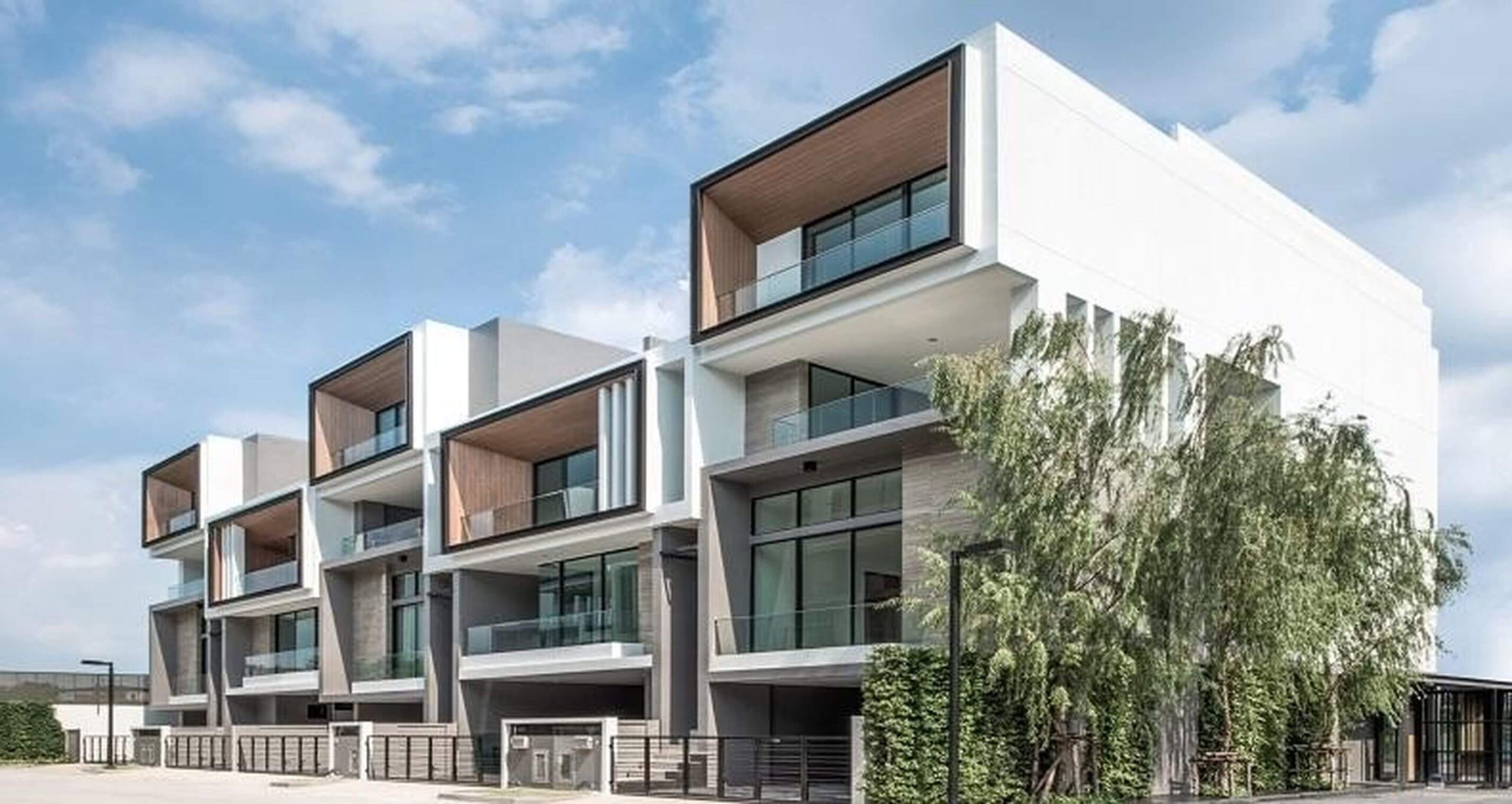
Just north of Seri Thai, the Ladprao area, especially beyond Soi 100, offers a similar sense of space with stronger city connections—an essential addition to any Bangkok neighborhood guide for those looking to venture off the beaten path. Step into the deeper sois and the shift is immediate: quiet streets, large houses, solid infrastructure, and noticeably less chaos.
Access is one of Ladprao’s biggest strengths. The Yellow Line monorail connects the area efficiently, there are major bus routes, top-tier hospitals, large supermarkets, and Saen Saep canal piers close by. You’re never cut off.
From Ladprao 101 through to the Mahad Thai area connecting toward Ramkhamhaeng, you’ll find pockets offering calm, value, and a lifestyle that can work very well for longer stays.
This stretch toward Ramkhamhaeng further enriches the area’s appeal through its vibrant cultural diversity and established institutions, easily making it one of the best Bangkok neighborhoods to explore. Thai Muslim communities maintain a strong presence here, contributing to a distinctive local character that sets the neighborhood apart as one of the best Bangkok neighborhoods to explore who value rich culture. The result is an exceptional culinary scene, particularly renowned for its authentic Muslim cuisine. Visitors and residents alike can enjoy flavorful Thai-Muslim dishes—ranging from rich curries and fragrant biryanis to grilled specialties and fresh street-side options—that make this area stand out among the best Bangkok neighborhoods to explore.
Education and recreation also define this zone. Ramkhamhaeng University, one of Thailand’s most reputable public institutions, anchors the area academically and brings a youthful, intellectual energy to the community. Nearby stands Thailand’s primary national football stadium, Rajamangala which hosts major international matches as well as high-profile friendlies against renowned global clubs. On match days, the stadium generates palpable excitement while remaining integrated within the neighborhood’s generally tranquil fabric.
Practical connectivity strengthens the area’s value. The district runs alongside the Saen Saep Canal, whose express boat service provides a fast and inexpensive route into central Bangkok. Complementing this, the existing Yellow Line monorail and major bus routes already ensure strong access, with a new MRT line under development promising even greater convenience in the near future.
Taken together, the Ladprao–Ramkhamhaeng corridor delivers a compelling combination of suburban calm, cultural richness, academic prestige, and world-class sports facilities. Backed by steadily improving transport links, this dynamic corridor stands out as one of the best Bangkok neighborhoods to live if you are seeking a more balanced, value-driven, and authentic lifestyle beyond the conventional tourist corridors.
Living Like a Local in On Nut, Bangkok’s Laid-Back Expat Neighborhood
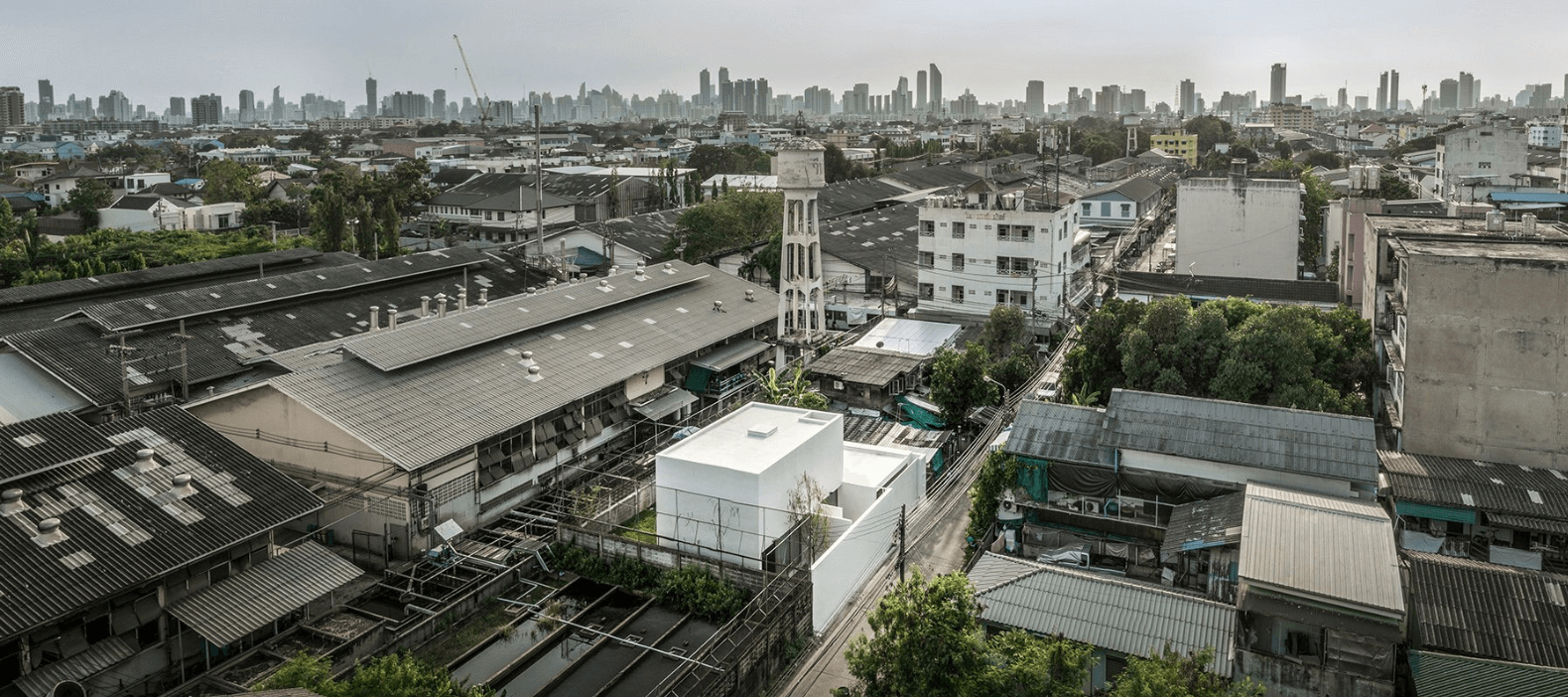
Onnut is technically in Sukhumvit, but context changes everything. Near the main road, you’ll find familiar density and traffic, but if you look deeper into Onnut Road, the atmosphere shifts, making it a standout contender for the best Bangkok neighborhoods to explore. Gated neighborhoods, a mix of new and older condominiums, and streets that feel residential rather than commercial take over, proving it is one of the best Bangkok neighborhoods for explore and to stay connected to Sukhumvit without the constant hustle.
This is one of the few areas where you can have both: easy BTS access and a quieter living environment once you step away from the main artery. It’s practical, modern, and often overlooked by people who assume Sukhumvit is only the busy central stretch.
Onnut exemplifies how context transforms perception within Bangkok’s expansive Sukhumvit corridor. While the area directly adjacent to the main Sukhumvit Road retains the familiar density and traffic characteristic of the district, venturing deeper along Onnut Road reveals a markedly different environment. Gated communities, a harmonious blend of established residences and contemporary condominiums, and predominantly residential streets create a more subdued and livable atmosphere that contrasts sharply with the commercial intensity nearer the BTS line.
This balance of accessibility and tranquility positions Onnut as a compelling inclusion in any comprehensive Bangkok neighborhood guide. Residents benefit from direct BTS access for convenient commutes into central Sukhumvit and beyond, while enjoying quieter side streets once removed from the primary artery. The neighborhood feels practical and modern without the overwhelming pace often associated with Sukhumvit’s more central stretches.
With rising property values and a surge in modern condominiums around the BTS station, Onnut has rapidly evolved from a budget hub into one of the best Bangkok neighborhoods to explore. This shift is mirrored in local infrastructure upgrades, like the major face-lift of the neighborhood Lotus’s supercenter to cater to the area’s growing community of expats and young professionals, securing its reputation as one of the best Bangkok neighborhoods to explore. Yet, despite this modernization, it manages to retain its authentic, residential charm just blocks away from the main road, making it a top choice for those searching for the best Bangkok neighborhoods to explore.
Onnut thus offers discerning residents and long-term visitors an appealing combination of strategic location, improved amenities, and a more relaxed residential character—qualities that make it an increasingly attractive alternative within greater Sukhumvit.
Pattanakarn: Quiet, Functional, and Underrated
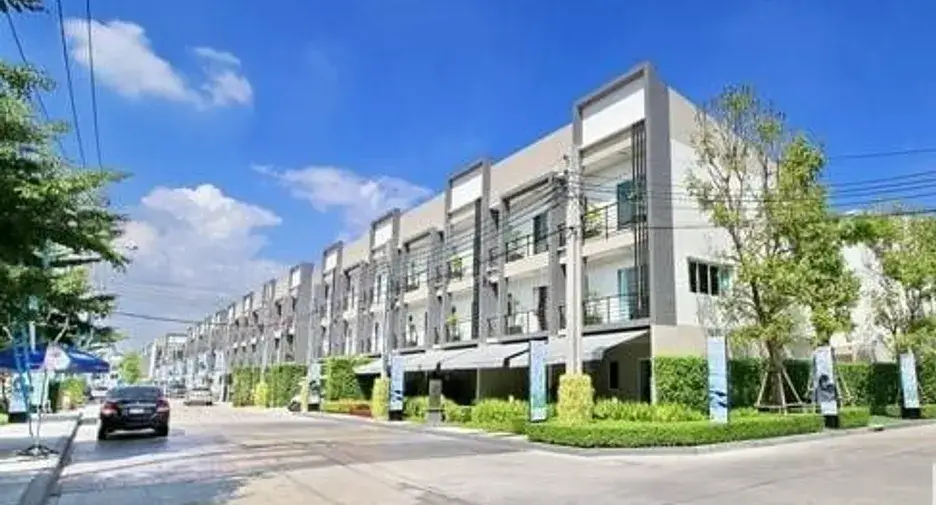
Pattanakarn begins at the far end of Petchaburi Road, running parallel to Sukhumvit, and it’s often overlooked entirely. Here, you’ll find gated estates, low-rise housing, and neighborhoods organized around daily needs rather than nightlife or retail density.
What stands out is value. Housing costs are lower, yet access to downtown is still straightforward by road. Amenities are plentiful, and the area functions smoothly without relying on tourism or constant foot traffic.
Pattanakarn offers a balanced residential landscape, making it one of the best Bangkok neighborhoods to live for anyone seeking a quieter pace of life. The area seamlessly combines established gated communities with a growing number of modern condominium developments, appealing equally to families wanting space and professionals looking for convenience. It maintains a low-key, community-oriented character where local amenities focus on everyday living rather than the frantic commercial intensity of the city center.
Connectivity has improved significantly in recent years through the addition of new road tunnels, which help reduce travel time toward central Bangkok and ease traffic flow along Petchaburi and surrounding arteries. These infrastructure enhancements have made the neighborhood more accessible by car or taxi, reinforcing its practicality for daily commuting. However, Pattanakarn still lacks direct mass transit options such as the BTS Skytrain or MRT subway, meaning residents primarily rely on road-based transport.
Good prices, a wide range of housing, easy road access and a quiet, residential feel make Pattanakarn a smart pick if you value space and comfort more than having a train station on your doorstep. For expats, long-term residents and families who want a slower, suburban pace without being cut off from the city, it’s one of the most underrated options in eastern Bangkok, and a Bangkok expat neighborhood that often gets overlooked for all the wrong reasons.
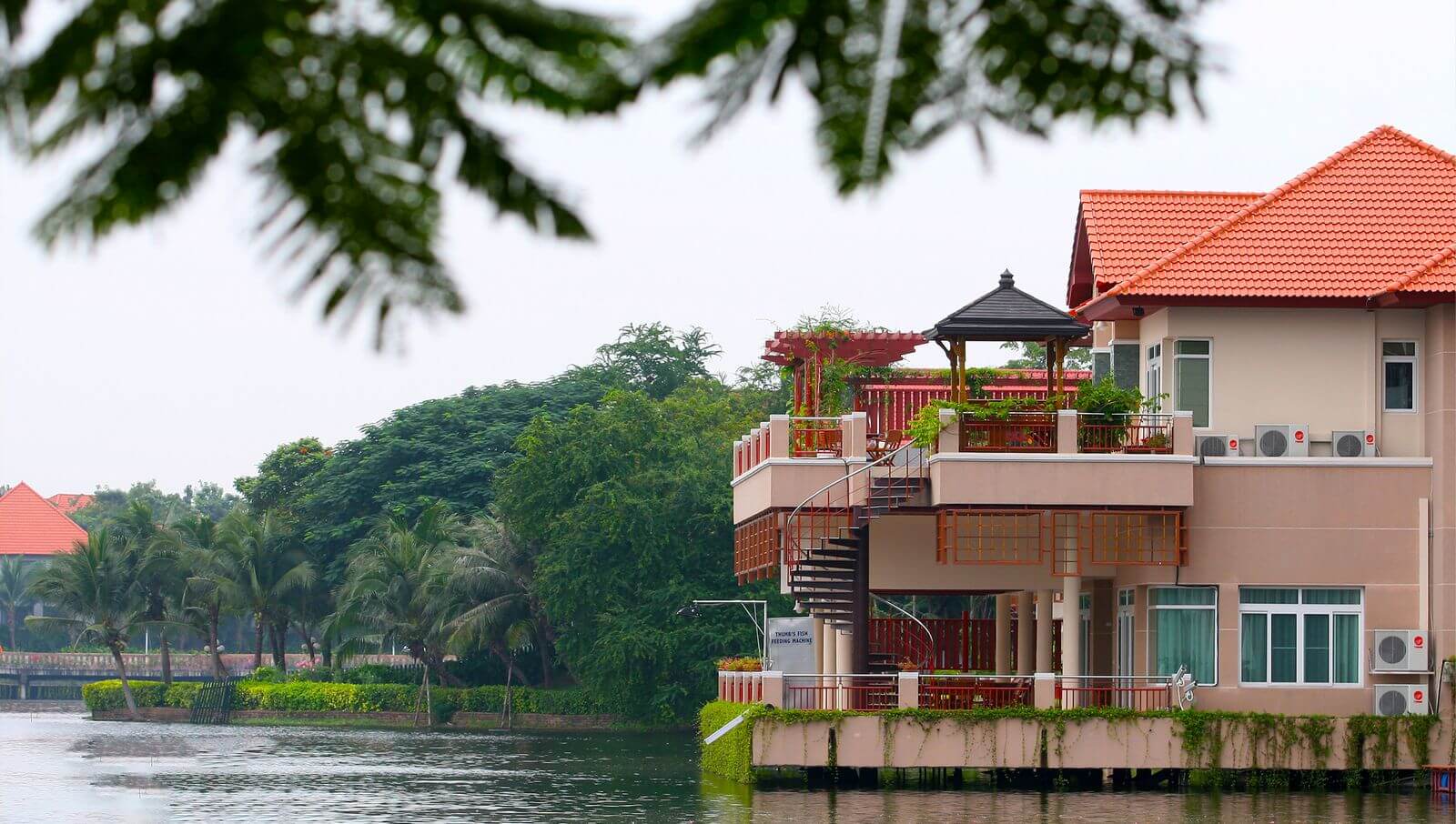
Bangna: Reading the City Through Scale
In Bangna, the clues are architectural. Grand entrances lead into residential enclaves defined by wide internal roads, expansive plots, and homes built for long-term, luxurious living. Large private pools, landscaped lakes, and generous interiors are common here — space is not an afterthought, it’s the point.
Bangna’s appeal is practical as much as aesthetic. Positioned along a major highway and surrounded by large shopping malls and lifestyle centers, it offers convenience without sacrificing scale. The same highway network makes reaching the city center straightforward, while also providing quick access to nearby golf courses and Suvarnabhumi International Airport.
Bangna’s expansive scale sets it apart as one of the best Bangkok neighborhoods to explore if you prioritize space and privacy. While the district powers a vital commercial ecosystem with its major retailers and industrial zones, it balances this scale with clearly defined pockets of upscale living that rank among the best Bangkok neighborhoods for expats who need room to breathe. These large, residential enclaves are tailor-made for families and long-term residents who want premium, community-focused housing away from the cramped city center, making it a standout choice for those looking for the best Bangkok neighborhoods to explore.
Bangna’s layout is shaped by the major highways that run above and alongside it. The roads here are wide and built for heavy traffic, which makes getting in and out of the area easy by car but crossing on foot slow and sometimes stressful. In practice, you’ll want some form of transport for daily errands, whether that’s your own car, a motorcycle taxi or a ride-hailing app like Grab or Bolt. It’s not a Bangkok expat neighborhood built for strolling, so factor that in if you’re used to walking everywhere.
This combination of grand residential estates, substantial commercial and industrial presence, and robust highway access makes Bangna particularly well-suited for those seeking luxurious, spacious living with strong logistical links to both central Bangkok and Suvarnabhumi Airport. It caters effectively to residents who prioritize scale, convenience, and a self-contained suburban environment over pedestrian-centric urban density.
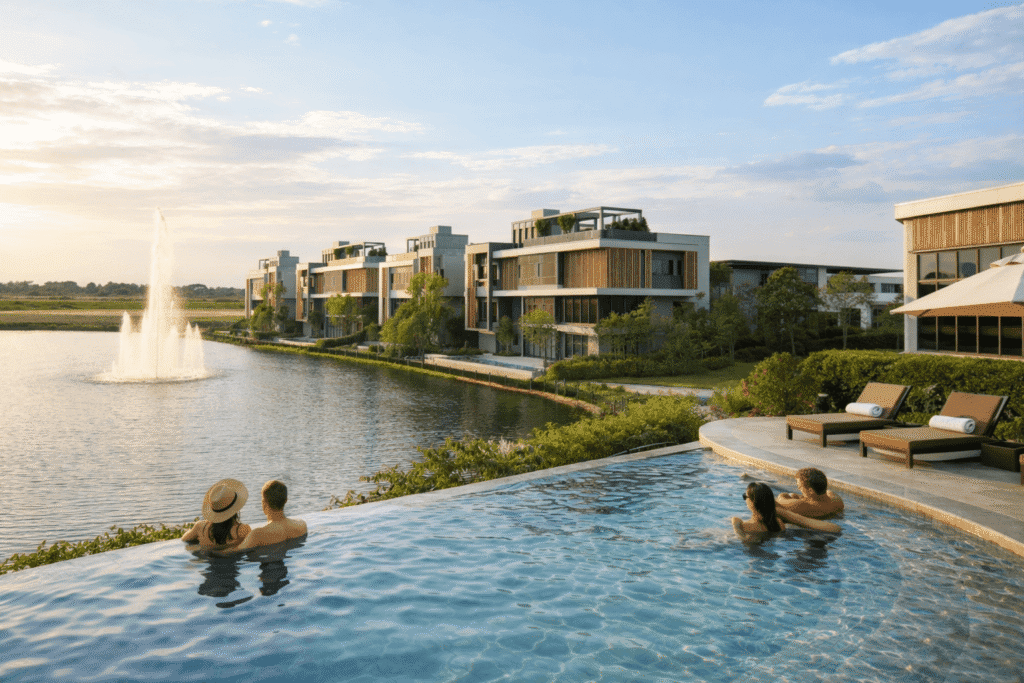
Nichada Thani: A Purpose-Built Bangkok Expat Neighborhood Unlike Anywhere Else
Nichada Thani is one of the most unusual residential areas in greater Bangkok, and one most people never hear about. Located in Nonthaburi, just north of the city, it was developed as a gated community for diplomats, international school families, and long-term expats. What sets it apart isn’t luxury, it’s planning.
Wide, orderly streets, detached houses, consistent greenery, and a level of calm that feels closer to a suburban international enclave than an Asian megacity. It’s one of the few places in and around Bangkok where walking and cycling feel genuinely natural.
Nichada Thani is also home to the International School Bangkok (ISB), one of the oldest and most respected international schools in the region. This presence has shaped the community’s character, attracting a significant number of American expatriate families along with other international professionals. The result is a distinctly suburban-American atmosphere, complete with spacious detached houses set within well-planned gated neighborhoods featuring large gardens and generous living spaces.
The area is remarkably self-contained, establishing it as one of the best Bangkok neighborhoods for expats who value sheer convenience. Residents benefit from high-quality international supermarkets, American-style diners, specialty restaurants, and excellent sports facilities clustered right around the community, making it one of the best Bangkok neighborhoods for expats seeking an easy lifestyle. This comprehensive infrastructure means that long-term residents rarely need to venture into central Bangkok for everyday needs, further enhancing the enclave’s appeal as a serene, effortless home base and cementing its spot among the best Bangkok neighborhoods to explore.
With its emphasis on space, order, safety, and community-focused living, Nichada Thani stands out as a rare example of thoughtful, expatriate-oriented suburban planning in greater Bangkok. It offers an alternative lifestyle that prioritizes comfort and familiarity while remaining within reasonable reach of the capital’s opportunities.
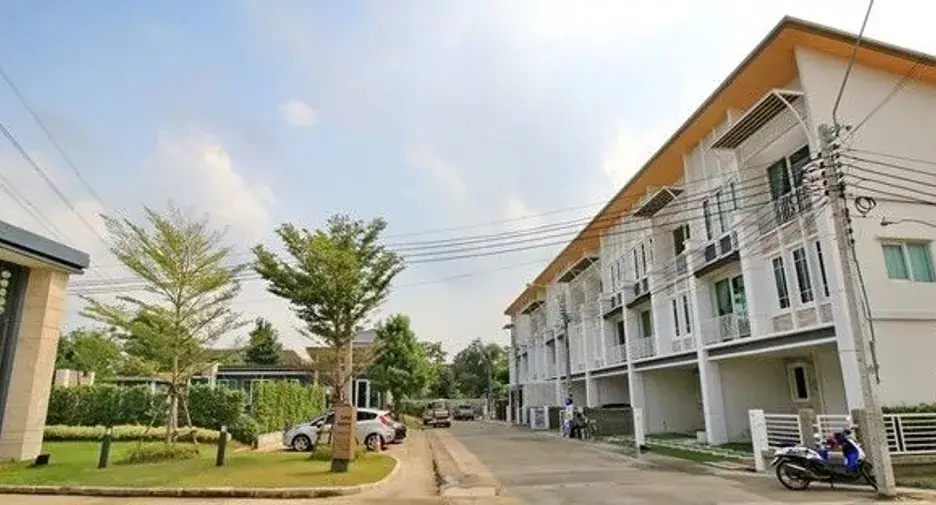
Thonburi (Charansanitwong): The Price Quality Gap
Charansanitwong and surrounding parts of Thonburi were once considered far from downtown. That perception hasn’t kept up with reality. BTS and MRT expansions have made this side of the river easy to reach, and what you get in return is one of the strongest price to quality ratios in the city.
Modern condominiums with pools, gyms, and coworking spaces rent for a fraction of Sukhumvit prices—making this one of the best Bangkok neighborhoods to live if you want premium amenities on a budget. Go deeper into the sois and you’ll find secure residential communities with more space and a calmer pace. For longer stays or value-focused living, this area is hard to beat.
The combination of significantly lower prices and vastly improved connectivity has driven a notable surge in condominium construction across Charansanitwong and surrounding Thonburi neighborhoods. Modern developments now offer contemporary facilities including swimming pools, well-equipped gyms, and shared workspaces, all at a fraction of the cost found on the Sukhumvit side.
Having personally visited and inspected several condominium units in the area, I was impressed by their high build quality, thoughtful layouts, and attention to detail. Many properties deliver finishes and amenities that rival more expensive districts while providing substantially better value. With the MRT network in place, it is entirely feasible to reach the heart of Bangkok — including key commercial and business hubs — in approximately 20 minutes, making daily commuting both practical and efficient.
This blend of affordability, quality housing stock, strong public transportation access, and a more relaxed residential environment positions Charansanitwong and greater Thonburi as an increasingly attractive option for value-conscious professionals, families, and long-term visitors seeking a balanced Bangkok lifestyle. It stands out as one of the best Bangkok neighborhoods to explore who want to maximize their budget without sacrificing connectivity, offering an authentic lifestyle that places it among the best Bangkok neighborhoods to explore who prefer the quieter side of the river. As more people discover this side of the city, Thonburi continues to prove itself as one of the best Bangkok neighborhoods to explore looking for an authentic and peaceful home base.
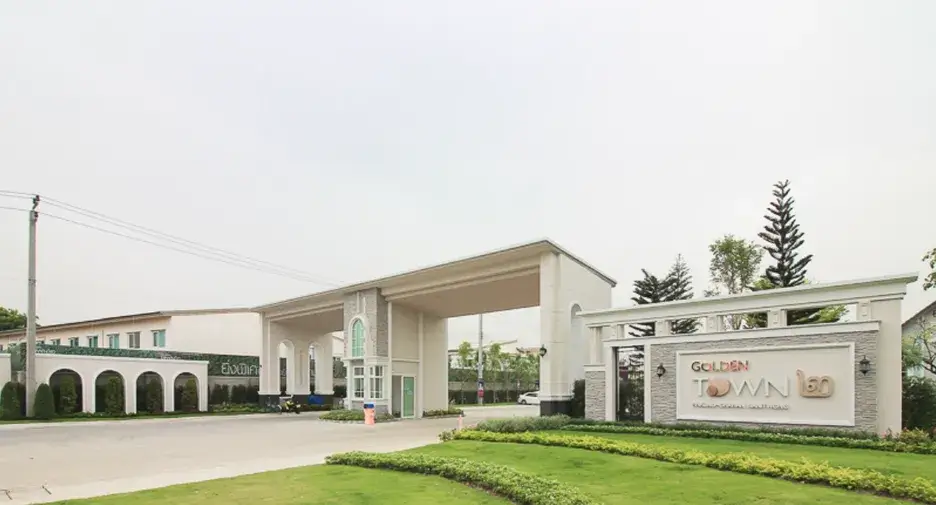
Ratchada: One of the Best Bangkok Neighborhoods to Live and Its Hidden Back Sois
Ratchada sits close to Sukhumvit but operates on a different pace. Strong MRT access and fewer tourists give it a more functional, everyday feel. What surprised me most recently was discovering a back soi connecting Ratchada to Ramkhamhaeng, a long, practical street I’d somehow never encountered despite living in Bangkok my entire life.
It has everything: services, housing, local businesses, and daily life flowing together without spectacle. That kind of discovery still happens in Bangkok, even after decades here.
Ratchada further distinguishes itself as one of the best Bangkok neighborhoods to live for those seeking a highly functional and well-rounded district. The area is home to several embassies, which contribute to a stable, international atmosphere and elevated standards of security and services. Shopping and lifestyle options are abundant, with numerous modern malls, a prominent IT mall catering to electronics and technology needs, and several quality hotels that serve both business travelers and visitors.
With all these amenities, easy MRT access and a laid-back residential feel, Ratchada is one of the most comfortable places to live in Bangkok. You get everything you need for daily life, from restaurants and shopping to markets and services, without the tourist crowds that fill other parts of the city. It’s convenient without being chaotic, which makes it a smart choice for anyone looking for a practical, down-to-earth Bangkok expat neighborhood.
For professionals, families, and long-term residents seeking accessibility, value, and a genuine local rhythm, Ratchada stands out as one of the best Bangkok neighborhoods to explore in the city’s midtown corridor. It delivers the practicality many seek while remaining refreshingly grounded, making it a top contender when researching the best Bangkok neighborhoods to explore. This balance of convenience and local character ensures it ranks among the best Bangkok neighborhoods for expats who want easy commuting options without losing a sense of authentic community.
Practical Tips for Exploring Bangkok’s Quiet Neighborhoods
- Go early. Mornings show how neighborhoods actually function.
- Walk or cycle where possible. These areas weren’t designed for sightseeing loops.
- Respect privacy. These are lived-in spaces, not attractions.
- Use transit as a backbone, then switch to local movement. For routes, see our Bangkok transport guide.
- Avoid peak hours when passing through connecting roads.
If you want to extend your Bangkok days beyond the city, our day trips from Bangkok hub is a good next step.
Conclusion
Bangkok is vast, and most people only experience a narrow slice of it. If you know where to look and how to move, you’ll discover the best Bangkok neighborhoods for expats—places that open up into something far more balanced than the city’s frantic reputation suggests. These quiet spots are among the best Bangkok neighborhoods to explore not because they are escapes from the city, but because they are part of its authentic fabric, showing how the city works when you step away from the noise and settle into a genuine local rhythm. This balance is exactly what makes them the best Bangkok neighborhoods to explore looking to truly live here rather than just visit.
If you’d like to experience these areas thoughtfully — whether through a relaxed day tour, a carefully chosen hotel stay, or even a longer-term base in a condo or townhouse — our team can arrange it with the right timing and flow.
This same local-first mindset shapes how we approach Bangkok and beyond. Whether you’re exploring neighborhoods, food, or routes through the city, the goal is the same: less friction, more meaning. For the bigger picture, read how we’re different and explore our approach to sustainable tourism in Thailand.
Prefer a quick chat?
Message us directly on WhatsApp
If you already have an idea of your trip, send us a message — we’ll guide you through the best options for your travel style.
Chat on WhatsAppFAQ: Best Bangkok Neighborhoods to Explore
Are the best Bangkok neighborhoods to explore safe?
Yes. The best Bangkok neighborhoods to explore are primarily quiet residential areas. Visit during daylight, stay aware of your surroundings, and treat them as real communities rather than tourist spots. This guide focuses on peaceful, lived-in districts that are perfect for authentic exploration.
How do I get around the best Bangkok neighborhoods to explore without relying on taxis?
Combine BTS, MRT, river boats, and local transport. Our local transport tips help you navigate the best Bangkok neighborhoods to explore efficiently and affordably, especially in quieter residential zones that are less touristy.
Which are the best Bangkok neighborhoods to explore for a more local experience?
Underrated quieter districts in outer areas like parts of Ladprao, Bangna, and Thonburi often stand out among the best Bangkok neighborhoods to explore. They offer better value, more space, and a calmer lifestyle while remaining well-connected.
Do I need a detailed itinerary to visit the best Bangkok neighborhoods to explore?
Not at all. The best Bangkok neighborhoods to explore are best experienced slowly. Focus on one area per day, explore on foot, and enjoy local life. Pair your visits with authentic food spots for a more genuine experience.
Can Off Path Thailand help me explore the best Bangkok neighborhoods to explore?
Yes. We specialize in creating calm, authentic custom routes through the best Bangkok neighborhoods to explore. Whether you’re planning a longer stay or combining Bangkok with Northern Thailand, we can design a personalized experience tailored to your preferences. Contact us to get started.

About the author
Written by Dee, Thai-born founder of Off Path Thailand. I grew up in Bangkok and have spent years exploring the city beyond the usual tourist flow, then returning with a wider perspective after living overseas. I focus on the quieter side of Thailand, the places that still feel human, and the routes that make travel calmer and more meaningful. About the founder
Tell us your dates and vibe. Our team replies within 24 hours to begin crafting your trip.
Leave everything to us and experience Thailand Off The Beaten Path
Every journey leaves a footprint. The difference is in how we choose to travel. At Off Path Thailand, we focus on keeping those footprints light. Discover how sustainable travel in Thailand connects comfort with care.