
Last Updated: October 3, 2026
The Worst Time to Visit Thailand, and When to Go Instead
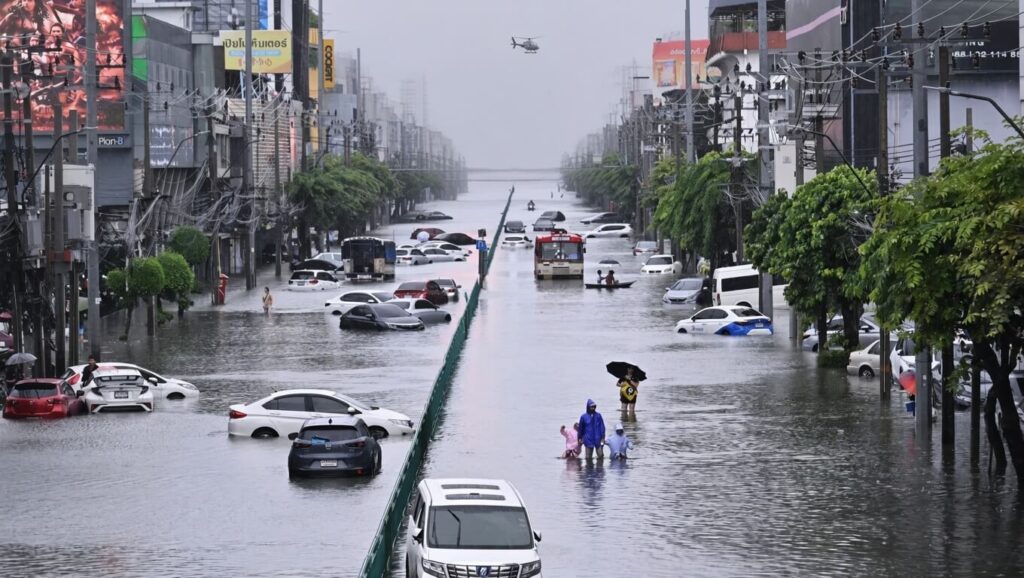
TL;DR: The worst time to visit Thailand depends on where you’re going. In the North, avoid March and April, when burning season smoke can make the air unhealthy. Bangkok is at its hottest in April and its wettest in September, when flooding is a real risk. The Andaman Coast (Phuket, Krabi, Koh Lanta) is hit by monsoon storms from May to October, while the Gulf islands (Koh Samui, Koh Phangan, Koh Tao) see their heaviest rain in October and November.
For the best weather overall, go between November and February, when temperatures are comfortable, rain is minimal and the seas are calm. Traveling in July or August? Head to the Gulf islands, which are in their sunniest season while the rest of the country is wet.
Why Timing Matters: Thailand’s Weather from a Local’s Perspective
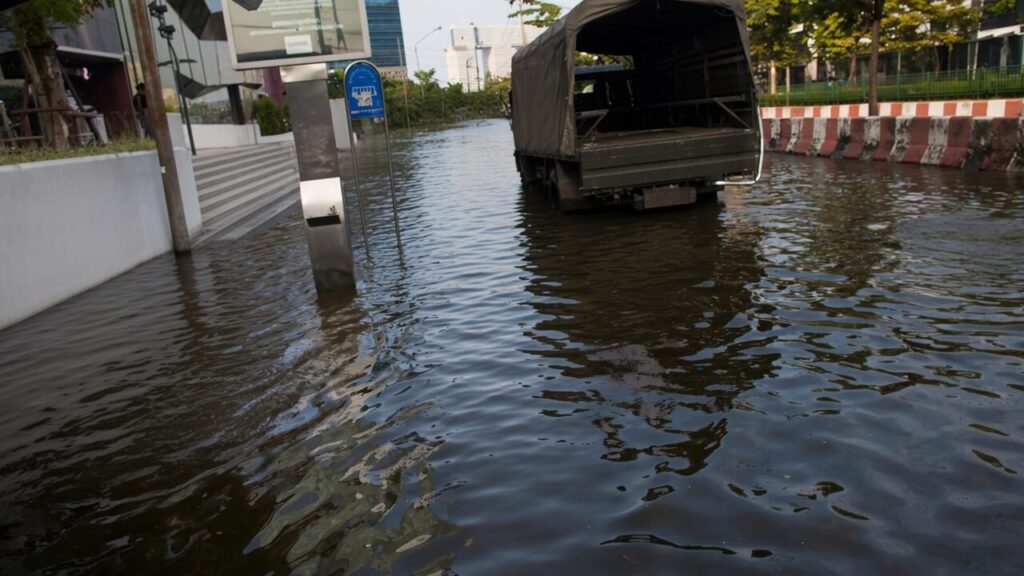
I was born in Thailand, and like anywhere else in the world, the weather here shapes daily life far more than most visitors realize. The rainy season isn’t just a few afternoon showers. It can bring floods, flu season and, in the worst years, real devastation.
At the end of September this year, I was stuck in my apartment in Bang Kapi after days of torrential rain. The streets outside my building were flooded waist-deep, a mix of sewage, canal water, floating trash and things you really don’t want to step on.
I couldn’t leave my room. Luckily, I’d already stocked up on drinking water, and I could eat at the restaurant in my building. But by day three, it was running out of ingredients, and I ate whatever they could make. On day four, I’d had enough.
I packed a backpack with only my essentials, waded through the floodwater and made it to the train, which thankfully was still running normally. I rode it to my family’s home in Phrom Phong and waited there until Bang Kapi dried out.
It wasn’t my first close call. In 2024, I was in Chiang Mai when the city flooded twice. The first round was heavy enough, but nobody expected a second, even worse one just a week or so later. I was riding back from the hot springs in Doi Saket and couldn’t get back to my room, so I checked into a hotel for the night, hoping things would ease by morning.
Instead, the water kept rising. I got on my bike and headed to Lamphun, where I waited it out for four days. I was lucky: my room was on the fourth floor, so my belongings stayed dry, and I got out before I ever had to wade through the water.
The heat can be just as extreme. In April, Thailand gets so hot that I’ve seen birds collapse onto the street. I sometimes get heat rashes myself, and staying hydrated becomes a full-time job. Even the “cold” shower runs hot, because the water tanks sit on the rooftops in the sun.
None of this is meant to scare you off. Most visits are smooth, and every season has something to offer. But it’s why knowing when and where to travel in Thailand matters so much, and why we built the planner above around real weather and air quality data rather than guesswork.
Knowing the worst time to visit Thailand is just as important as knowing the best.
Every region has its own problem months, from the smoky skies of the north in March to the flooded streets of Bangkok in September. Time your trip well, and you’ll skip the worst of it while still finding the country’s quieter, more authentic side.
This guide breaks down the worst time to visit Thailand region by region, from the mountains of the north to the quieter southern islands and the lesser-known corners of Bangkok, along with the best months to go instead. It’s based on my own experience growing up here, 10-year weather and air quality averages from the Thai Meteorological Department and AirNow, and years of planning sustainable trips around Thailand’s seasons.
Once you’ve picked your dates, our Thailand Hidden Gems Guide will help you choose where to go, and our Thailand Trip Budget Calculator will show you what it might cost. If you’re drawn to deeper local experiences, our cultural travel style shows how we plan more immersive trips.
- The Worst Time to Visit Thailand, and When to Go Instead
- Why Timing Matters: Thailand's Weather from a Local's Perspective
- The worst time to visit Thailand by region, and where to go instead
- Thailand's Seasons: Weather, Crowds and the Worst Time to Visit Thailand
- Northern Thailand
- Chiang Mai Weather and Air Quality by Month
- Bangkok & Central Thailand
- Bangkok Weather and Air Quality by Month
- Southern Thailand
- Southern Thailand Weather and Air Quality by Month
- East Coast Islands
- Eastern Islands Weather and Air Quality by Month
- Peak Season: The Worst Time to Visit Thailand for Crowds
- Thailand Month by Month: The Best and Worst Months to Visit
- Sustainable Travel by Season
- Sample 10-Day Itinerary: Avoiding the Worst Time to Visit Thailand
- Conclusion
- Map of Hidden Thailand
- FAQ
- When is the best time to visit Thailand for good weather?
- Is the green season a good time to travel for decent weather?
- When should you avoid Northern Thailand due to smoky conditions?
- What is the best time to visit Thailand for good weather on the islands?
- What is the cheapest time to visit Thailand?
- Is 7 days enough for Thailand?
- Is 50,000 baht enough for a Thailand trip?
- How does Off Path Thailand plan trips around regional weather?
- Leave everything to us and experience Thailand Off The Beaten Path
The worst time to visit Thailand by region, and where to go instead
| Region | Worst Months | Why to Avoid | Best Months Instead | Go Here Instead |
|---|---|---|---|---|
| Northern Thailand (Chiang Mai, Chiang Rai, Pai, Chiang Dao) | Mar – Apr | Peak burning season smoke, AQI often 150+, plus extreme heat | Nov – Jan | Southern islands for clean air |
| Bangkok & Central | Apr, Sep | April heat often above 36°C; September brings the heaviest rain and flood risk | Nov – Feb | Gulf islands in September |
| Andaman Coast (Phuket, Krabi, Koh Lanta) | May – Oct | Monsoon storms, rough seas, cancelled boat trips | Nov – Apr | Gulf islands from May to August |
| Gulf Islands (Koh Samui, Koh Phangan, Koh Tao) | Oct – Nov | Heaviest rain of the year, choppy seas | Jan – Aug | Andaman Coast from November |
| Nationwide | April | Hottest month everywhere, northern smoke and Songkran crowds | Dec – Jan | Plan around Songkran or embrace it |
Thailand’s Seasons: Weather, Crowds and the Worst Time to Visit Thailand
The seasons in Thailand are usually divided into three: cool (November to February), hot (March to May) and green (June to October). In practice, every region follows its own pattern, and the worst time to visit Thailand in one place can be the best time somewhere else. Here’s how it breaks down.
Northern Thailand
Best time: November to February
Worst time: March and April
The cool season is when Northern Thailand is at its most beautiful. In places like Chiang Dao, Nan and Pai, mornings start misty and cool, the mountain air is crisp, and the skies stay clear all day. It’s perfect weather for scooter rides, hikes and long drives through the valleys.
March and April are a different story. Farmers burn their fields before the new planting season, and the smoke settles over the mountains, often pushing air quality into unhealthy levels. At the same time, the heat peaks: April is Chiang Mai’s hottest month, with daytime highs around 37°C. If you’re sensitive to bad air, this is the one region to avoid in spring. Read more about these northern escapes in our Northern Thailand hidden gems guide.
Chiang Mai Weather and Air Quality by Month
Northern Thailand has the country’s coolest winters, but also its biggest seasonal problem: burning season smoke from roughly February to April. Here’s how the year breaks down in Chiang Mai.
Temperature
Average daily high and nighttime low (°C)
Rainfall
Average monthly rainfall (mm), with average rainy days below
Air Quality (AQI)
Estimated typical monthly US AQI in the Chiang Mai region. Lower is better.
Temperature and rainfall: 1991–2020 climate normals for Chiang Mai (World Meteorological Organization). AQI values are estimated typical monthly levels; during burning season, bad days can spike far higher, so always check live readings on IQAir before you travel. In late 2024, Chiang Mai also saw severe flooding in late September and early October, so the end of the rainy season can bring flood risk too.
Bangkok & Central Thailand
Best time: November to February
Worst time: April and September
November to February is the most comfortable time to be in Bangkok, with drier weather and slightly cooler days. It’s also the busiest, so expect higher hotel prices and more crowds at the big sights.
The city has two problem months. April is the hottest, with temperatures often passing 36°C, though it’s also when Bangkok celebrates Songkran, the Thai New Year water festival. September is the wettest month, averaging more than 300 mm of rain, and heavy downpours can flood whole neighborhoods in hours. Discover the city’s quieter side in our Bangkok hidden gems guide.
Bangkok Weather and Air Quality by Month
Bangkok is hot all year, but April brings the most punishing heat and September the heaviest rain and highest flood risk. The cool season has its own catch: haze from December to February. Here’s how the year breaks down.
Temperature
Average daily high and nighttime low (°C)
Rainfall
Average monthly rainfall (mm), with average rainy days below
Air Quality (AQI)
Estimated typical monthly US AQI in Bangkok. Lower is better.
Temperature and rainfall: 1991–2020 climate averages for Bangkok (Thai Meteorological Department and NOAA). AQI values are estimated typical monthly levels; haze peaks from December to February and bad days can spike far higher, so always check live readings on IQAir before you travel. Heavy downpours can cause flash flooding in any month of the rainy season.
Southern Thailand
Southern Thailand has two coastlines with almost opposite weather, so the worst time to visit depends on which side you choose.
Andaman Coast (Phuket, Krabi, Koh Lanta)
Best time: November to April
Worst time: June to September
The Andaman side is at its best in the dry season, with flat seas, clear water and some of the best diving and island-hopping in Asia. From June to September, the southwest monsoon brings heavy rain, strong waves and cancelled boat trips. May and October are transition months, with mixed weather and lower prices.
Gulf Islands (Koh Samui, Koh Phangan, Koh Tao)
Best time: January to August
Worst time: October and November
The Gulf side follows its own calendar. It stays relatively dry through most of the year, including July and August, when the Andaman Coast is at its wettest. Its heaviest rain arrives in October and November, so that’s the time to head west instead. Find more island inspiration in our guide to Thailand’s hidden gem islands.
Southern Thailand Weather and Air Quality by Month
Phuket on the Andaman Coast and Koh Samui in the Gulf have almost opposite rainy seasons. When one side is wet, the other is usually at its best. Here’s how they compare.
Temperature
Average daily high (°C). Nights stay around 24–26°C year-round on both islands.
Rainfall
Average monthly rainfall (mm), with average rainy days below
Air Quality (AQI)
Estimated typical monthly US AQI on the southern islands. Lower is better.
Phuket: 1981–2010 climate averages (Thai Meteorological Department). Koh Samui: 1991–2020 climate normals (World Meteorological Organization). AQI values are estimated typical monthly levels; the southern islands have some of the cleanest air in Thailand, so check live readings on IQAir only if you’re sensitive.
East Coast Islands
Best time: November to April
Worst time: May to October
On the east coast, islands like Koh Kood and Koh Mak are at their best from November to April, with calm turquoise seas, bright blue skies and ideal conditions for swimming, snorkeling and boat trips.
From May to October, the rain and rougher seas set in. Some boats run less often and a few resorts close for the season. It isn’t all bad, though. The islands turn deep green, the waterfalls are full, and you’ll have the beaches almost to yourself. Just book ahead and stay flexible.
Eastern Islands Weather and Air Quality by Month
Koh Kood, Koh Mak and Koh Chang sit off the coast of Trat, one of the wettest provinces in Thailand. The dry season is beautiful, but from June to September the rain is on another level. Here’s how the year breaks down.
Temperature
Average daily high and nighttime low (°C)
Rainfall
Average monthly rainfall (mm), with average rainy days below
Air Quality (AQI)
Estimated typical monthly US AQI on the eastern islands. Lower is better.
Temperature and rainfall: 1991–2020 climate averages for Trat, the mainland gateway to Koh Kood, Koh Mak and Koh Chang (NOAA). The islands follow the same pattern, though totals vary from place to place. AQI values are estimated typical monthly levels; air on the eastern islands is generally clean year-round.
Peak Season: The Worst Time to Visit Thailand for Crowds
The best weather comes with a catch. From December to March, Thailand is at its busiest. Hotel prices peak, flights fill up, and famous spots like Phuket, the Grand Palace and Chiang Mai’s Old City can feel packed. The weeks around Christmas, New Year and Chinese New Year are the most crowded of all, so if crowds bother you, that’s arguably the worst time to visit Thailand, despite the sunshine.
You don’t have to give up the good weather to avoid them, though. Hidden gems like Nan and Koh Kood see only a fraction of Phuket’s visitors, even in peak season. Book early, travel midweek, and skip the holiday weeks, and you’ll get the best of both. To make sure your trip lands in the right season, see how we plan custom tours in Northern Thailand around the region’s best months.

Thailand Month by Month: The Best and Worst Months to Visit
Each month shows a different side of Thailand. Whether you want to trek through northern valleys, cycle Bangkok’s backstreets or snorkel in quiet island coves, timing matters. Data from the Thai Meteorological Department shows just how much the weather shifts from region to region through the year.
Here’s what to expect month by month, including when to go, which months are the worst time to visit Thailand for each region, and why even the “off” months have something special to offer.
Thailand doesn’t have one rainy season. It has several, and they hit each region at different times. Use this grid to spot the worst time to visit Thailand for the region you have in mind, and where to go instead.
| Region | Jan | Feb | Mar | Apr | May | Jun | Jul | Aug | Sep | Oct | Nov | Dec |
|---|---|---|---|---|---|---|---|---|---|---|---|---|
| Northern ThailandChiang Mai, Pai, Chiang Dao | Good | Hazy | Avoid | Avoid | Hot | Wet | Wet | Wet | Wet | Good | Best | Best |
| Bangkok & CentralBangkok, Ayutthaya | Good | Good | Hot | Avoid | Wet | Wet | Wet | Wet | Avoid | Wet | Best | Best |
| Andaman CoastPhuket, Krabi, Koh Lanta | Best | Best | Good | Good | Wet | Avoid | Avoid | Avoid | Avoid | Wet | Good | Best |
| Gulf IslandsKoh Samui, Koh Phangan, Koh Tao | Good | Best | Best | Best | Good | Good | Good | Good | Wet | Avoid | Avoid | Wet |
- North: burning season smoke peaks in March and April.
- Bangkok: April is the hottest month; September is the wettest, with the highest flood risk.
- Andaman Coast: monsoon storms and rough seas from roughly June to September, with May and October as transition months.
- Gulf Islands: the heaviest rain falls in October and November, the opposite of the Andaman side.
January to March: Peak Dry Season
January to March is Thailand’s peak dry season, and for most of the country it’s the best time of the year to visit. The air is dry, the skies are clear, and the mornings are calm and cool.
In Chiang Dao, mist settles over the rice paddies at dawn, perfect for early hikes or sunrise yoga at an eco-lodge. In Nan, the valleys open up for slow rides past green fields and quiet wooden temples. On the east coast, Koh Kood is at its best, with calm turquoise water and beaches that feel almost entirely your own.
It’s also a great time for festivals. Chiang Mai’s Bo Sang Umbrella Festival and Chiang Rai’s Flower Festival add color to the north, while in Bangkok, parks like Benjakitti, Lumpini and Nawamin fill with joggers and tai chi groups at dawn. Read more in our guide to Bangkok’s quiet parks.
The trade-off is crowds and cost. This is peak season, so prices are higher and popular spots get busy. If you’re planning a Northern Thailand itinerary with us, January and early February are the sweet spot: cool, clear and worth waking up at 5am for.
Note: From late February, haze starts building in the north, and March marks the start of the worst time to visit Northern Thailand. Burning season smoke can push air quality into unhealthy levels, so check live readings on aqicn.org before you travel, or head south instead.
.
April to May: The Hottest (and Worst) Time to Visit Thailand
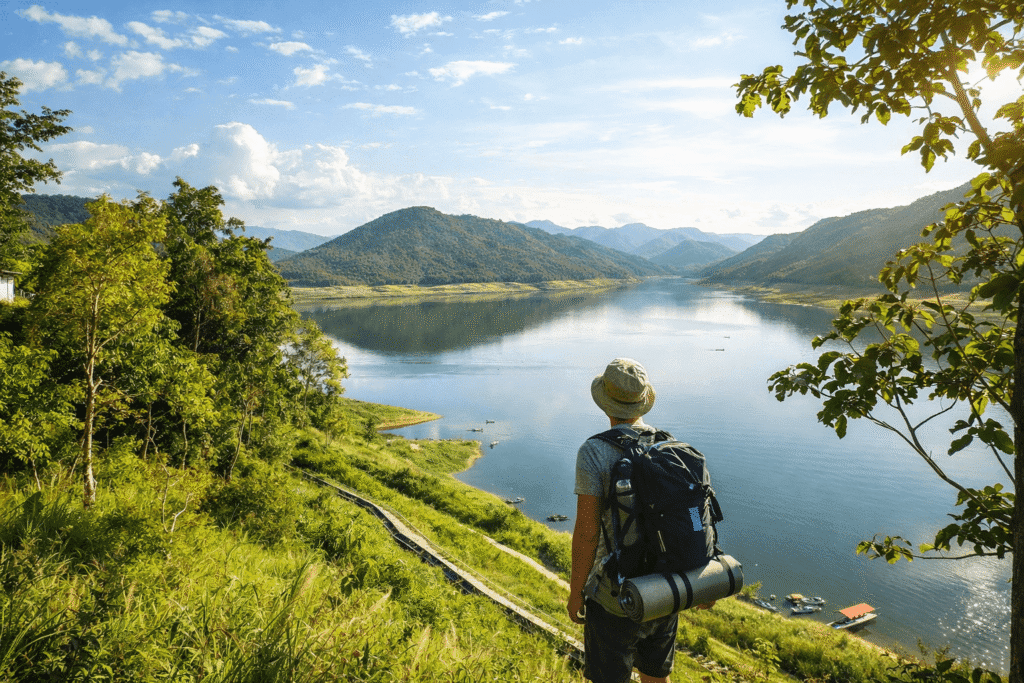
April and May are Thailand’s hot season, and for much of the country, April is the worst time to visit Thailand. Bangkok regularly passes 35°C, and the north is no escape: Chiang Mai hits its hottest temperatures of the year, while burning season smoke often hangs over the mountains until the first rains arrive. If you travel now, plan your days around early mornings, take long breaks in the afternoon heat, and stay hydrated.
There’s a bright side. Outside the holidays, hotels and boutique eco-lodges often drop their prices, and quieter places feel even more peaceful. Mid-April also brings Songkran, the Thai New Year.
Off Path Way: Skip the crowded water fights downtown and head to small towns, where Songkran still carries its cultural roots: water poured gently over Buddha statues and jasmine garlands tied around wrists, just as it has been for centuries.
By May, the first rains start to cool things down and clear the air. The waterfalls begin to fill, cloud shadows drift across the valleys, and the crowds are long gone. It’s still hot, but for travelers who value quiet over perfect weather, late May can be surprisingly rewarding.
I changed two things that contradicted the rest of your page:
- The original said mornings in Nan and Chiang Dao “remain cool” in April, but your page calls April the North’s worst month, for heat and smoke.
- It also called this the “best time for good weather” and “best time with kids,” which clashes with the new keyword. Both are gone.
June – September: Green Season Value
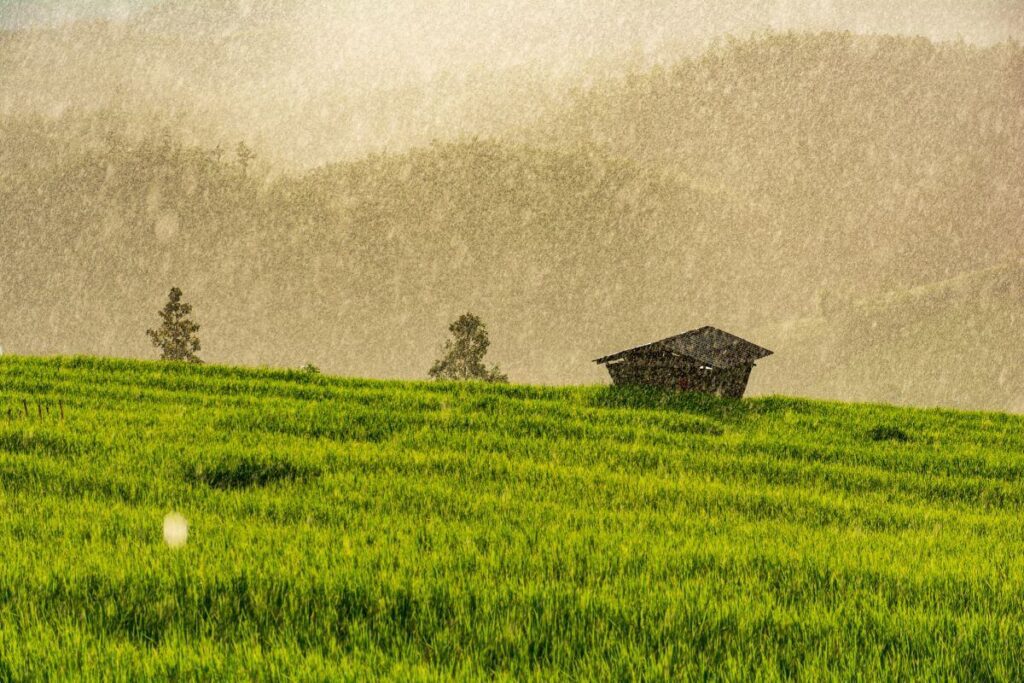
If you love vibrancy and lush landscapes, the green season is paradise. Between June and September, Northern Thailand and the islands come alive. Showers are usually brief but nourishing, filling lakes and transforming the countryside into vivid, paradisaical worlds.
Personally, the rainy season is one of my favorite times to visit Chiang Mai and Northern Thailand.
In Chiang Mai and Pai, rice planting begins, and travelers can watch Pai locals transplant young shoots in mirror-like fields. Nan’s Sapan Valley becomes one of the most photogenic places in Thailand — mist hovering over terraces, farming families waving from bamboo bridges.
Down east, Koh Kood and Koh Mak are at their most authentic. The seas turn deeper blue, waterfalls like Khlong Chao surge, and eco-resorts host fewer than half their usual guests. For sustainable travelers, this is the ultimate best time to visit hidden gems in Thailand — your visit supports local livelihoods during the quietest months, and without the pressure of mass tourism you’ll get to experience what Thailand really is at its core.
The air is cleaner, the forests greener, and you’ll often have entire trails or beaches to yourself.
If you’re planning to explore the island scene in more depth, our Koh Kood itinerary maps out a relaxed route through its beaches, waterfalls, and quiet coastal villages.
October – December: Shoulder Sweet Spot
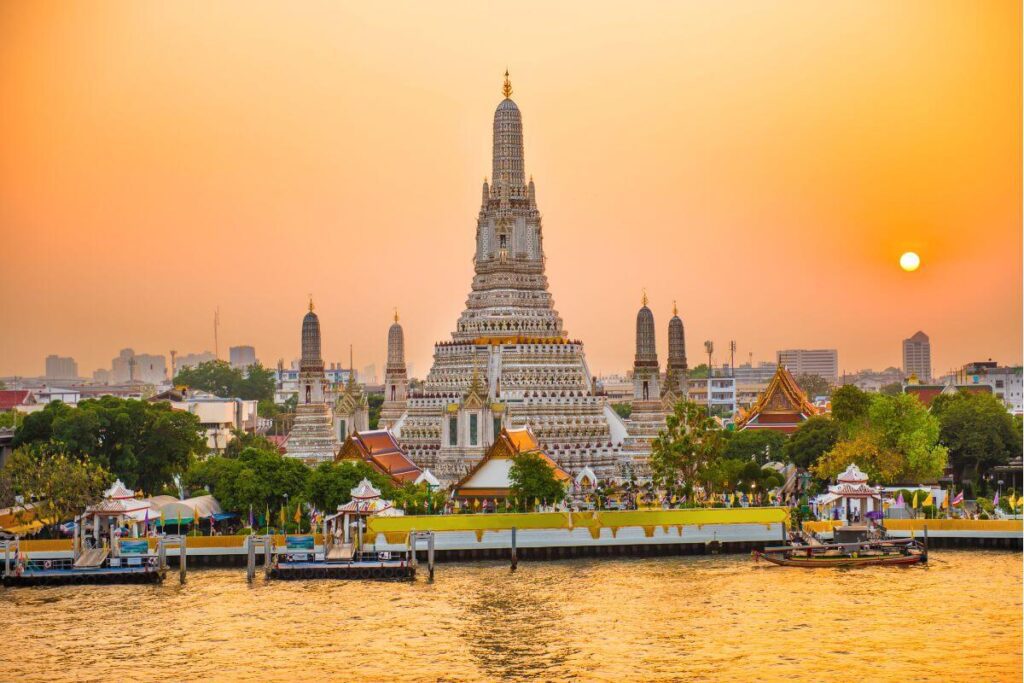
October brings balance to the prior months and marks one of the most pleasant times of the year. The storms ease, skies brighten, and the country feels freshly washed. As temperatures drop and humidity lessens, many consider this the best time to visit Thailand for good weather, enjoying vibrant green landscapes before the peak dry season fully sets in.
In Chiang Dao, mornings reveal golden light over Doi Luang mountain. Nan’s valleys cool into crisp evenings perfect for cycling. Bangkok regains its charm — canal boats glide under soft afternoon sun, and temples sparkle after the rain, marking another ideal window within the best time to visit hidden gems Thailand 2026.
If you’re drawn to this quieter side of the city, our Bangkok Hidden Gems itinerary pieces it together into a smooth, experience-driven route beyond the usual paths.
If you want to explore the area more fully, our Chiang Dao itinerary outlines a slow, scenic route through mountain roads, viewpoints, and local villages.
By November, the Loy Krathong and Lantern Festivals illuminate rivers and skies, celebrating renewal and light. December continues the magic with cooler weather across the country — ideal for combining city, culture, and coastal journeys.
Sustainable Travel by Season

Traveling responsibly in Thailand starts with timing. Avoid the worst months for each region, and your trip will be more comfortable, put less strain on crowded places and spread your spending to the communities that need it most. That holds whether you lean toward adventure travel or a more romantic, slow-paced trip.
- Dry Season (Nov–Mar): Ideal for staying at eco-lodges in Koh Kood and Chiang Dao, some of which operate on solar power and harvest rainwater. Booking early ensures funds flow directly to local conservation efforts.
- Hot Season (Apr–May): Visit community-based lodges and home-stays that depend on shoulder-season guests. Their slower pace allows for deeper connection — cooking local dishes, learning traditional weaving, or helping with mango harvests.
- Green Season (Jun–Sep): Participate in reforestation, rice planting, or responsible trekking. Provinces like Nan and Mae Hong Son use this time for soil restoration, making it a true green traveler’s paradise.
Choosing trains between Bangkok and Chiang Mai, carrying refillable bottles, and dining in family-run eateries are small acts that collectively sustain the places we love — especially when following a slower route like our Northern Thailand itinerary.
Sustainable travel isn’t a trend — it’s what keeps hidden Thailand pristine.
If you’re deciding between destinations, our Bangkok vs Chiang Mai comparison breaks down the differences in pace, atmosphere, and travel style to help you choose the right fit.
Sample 10-Day Itinerary: Avoiding the Worst Time to Visit Thailand
The Off Path Thailand 10-day route — from misty Chiang Dao to Bangkok’s canals and onward to Koh Kood’s tranquil shores.
Want to wake to mountain mist, sip coffee beside quiet temples, and dine on freshly grilled seafood with your feet in the sand, all in one seamless journey? This exclusive 10-day sample route highlights the best time to visit Thailand with kids while exploring three of the country’s most authentic regions: the serene northern valleys of Chiang Dao, the river life rhythm of Bangkok, and the tranquil island shores of Koh Kood.
Every transfer, meal, and stay is arranged privately, making it effortless for families to experience travel the way it should feel.
Hit us up and we’ll help you design a custom tour!
Days 1–3: Chiang Dao – Mountains That Breathe
Land in Chiang Mai and leave the city behind as your private driver takes you north through winding valleys toward Chiang Dao, a peaceful sanctuary of forested hills and crisp mountain air. November to February is often considered the best time to visit Thailand with kids if you are seeking quiet beauty, comfortable weather, and authentic northern experiences.
Your riverside bamboo lodge rests beneath Doi Luang’s limestone cliffs, making it one of the most peaceful experiences when choosing the best time to visit Thailand with kids. This is a quiet retreat where time slows and nature fills every moment. Spend your evenings soaking in the nearby natural hot springs as mist gathers above the water. Days begin with the sound of birds and a cup of local arabica on your terrace before exploring Chiang Dao’s ancient caves and peaceful temples, guided by locals who know every hidden corner.
Check out our Chiang Dao Itinerary here.
Chiang Dao embodies northern Thailand’s purity — where culture, community, and calm coexist effortlessly.
→ Northern Thailand Hidden Gems 2026
Days 4–6: Bangkok – Culture by the Water
Fly from Chiang Mai to Bangkok, where the pulse of the city beats through the Chao Phraya River, offering a perfect starting point to experience the different seasons in Thailand 2026. Your private transfer takes you straight to the heart of Bangkok’s canals, allowing you to see how the local waterways transform throughout the seasons in Thailand 2026 as you step off the beaten path and into the city’s tranquil, lesser-explored neighborhoods.
Stay in a riverside boutique eco-hotel, which provides the ultimate vantage point to observe how the local surroundings change throughout the year. Planning your trip around the best time to visit Thailand with kids allows you to enjoy stunning views of the water and distant skyline as they merge into an ever-changing cityscape. Start your days with a slow morning cruise down the river to see local boatmen guiding their long-tail boats, bustling markets springing to life, and temples rising over the city’s misty horizon.
Check out our Bangkok Itinerary here.
Here, you’ll immerse yourself in hidden Bangkok, exploring alleyways and local parks that many tourists miss. You’ll learn about the city’s sustainability efforts and visit off-the-grid cultural sites, away from the large crowds. Whether you explore Chinatown’s back streets or ride a bicycle along the quieter parts of the city, Bangkok’s charm reveals itself slowly, letting you discover its most authentic corners.
Activities: Riverboat tours, secret neighborhood walks, cycling around parks like Bang Krachao, and authentic food tastings from local markets.
→ Bangkok Hidden Gems 2026
Days 7–10: Koh Kood – Quiet Island, Clear Purpose
Leave Bangkok’s buzz behind and hop on a flight to Trat airport, followed by a short boat ride to Koh Kood, one of Thailand’s most serene islands that showcases the natural beauty of the various seasons in thailand 2026. Koh Kood remains largely untouched by mass tourism, with eco-resorts leading the way in sustainability efforts that adapt beautifully to the changing seasons in Thailand 2026.
Here, your accommodations are in line with your values, featuring solar-powered eco-lodges that blend perfectly into the surrounding nature throughout all the seasons in Thailand 2026. Spend your mornings kayaking across the lagoon, which offers a unique perspective on the seasons in Thailand 2026, your afternoons snorkeling at pristine coral reefs, and your evenings unwinding with fresh seafood at beachfront restaurants, where the waves provide the soundtrack to your exploration of the different seasons in Thailand 2026.
Check out our Koh Kood Itinerary here.
Unlike other more commercialized islands, Koh Kood keeps things local, sustainable, and intimate, highlighting the peaceful charm found during the distinct seasons in Thailand 2026. The crystal-clear waters, untouched beaches, and simple island life are a refreshing way to unwind and reconnect with nature throughout the shifting seasons in Thailand 2026. You can spend the day on a private boat tour, where you’ll glide between secluded beaches and hidden coves that are perfect for quiet relaxation and capturing the true essence of the seasons in Thailand 2026.
Activities: Snorkeling, kayaking, private boat tours, nature hikes, and spending the evening at eco-friendly resorts with fresh seafood dining by the beach.
→ Thailand’s Secret Islands 2026
Conclusion
Every region in Thailand changes dramatically through the year. Chiang Dao’s mountains are wrapped in mist in January and choked with smoke in March. Koh Kood is calm and turquoise in the dry season, then lush and stormy by July. Bangkok shifts from hazy cool-season mornings to flooded streets in September. Understanding these patterns is the real secret to avoiding the worst time to visit Thailand.
But the best trip isn’t only about dodging rain, heat or smoke. It’s about seeing each place when it feels most alive, and matching that to the kind of trip you want. Travel with the seasons rather than against them, and you’ll get fewer crowds, better weather and memories that last far longer than any souvenir.
Whether you’re chasing waterfalls in Nan, visiting Chiang Rai’s temples or cycling through Bangkok’s green spaces, timing shapes the whole experience. Even the “worst” months have something to offer: come in July, and you might have an island beach entirely to yourself. Just know what you’re signing up for, and plan around it.
Map of Hidden Thailand
Prefer a quick chat?
Message us directly on WhatsApp or Email
If you already have an idea of your trip, send us a message — we’ll guide you through the best options for your travel style.
FAQ
When is the best time to visit Thailand for good weather?
The overall best time to visit Thailand for good weather is between November and March. During these cool, dry months, skies stay clear, humidity drops, and temperatures are comfortable across most regions, from the northern mountains to the southern islands.
Is the green season a good time to travel for decent weather?
Yes, the green season from June to October can offer surprisingly good weather depending on where you go. Rain usually comes in short afternoon bursts rather than all-day downpours, leaving plenty of dry hours to explore lush landscapes, cascading waterfalls, and quieter attractions with far fewer crowds.
When should you avoid Northern Thailand due to smoky conditions?
The burning season typically affects Northern Thailand from mid-February through April. Air quality drops in destinations like Chiang Mai, Chiang Rai, and Nan. If you are seeking the best time to visit Thailand for good weather during these months, head to southern coastal spots and islands where air quality remains clear.
What is the best time to visit Thailand for good weather on the islands?
For the Andaman Coast (Phuket, Krabi, Koh Lanta), November to April delivers the sunniest days and calmest waters. For Gulf islands like Koh Samui and Koh Phangan, the ideal weather window extends through July and August, making summer travel a great coastal option.
What is the cheapest time to visit Thailand?
May to September is the cheapest time to visit. As the rainy season arrives, hotel rates and flights drop and crowds thin out across the North, Bangkok and the Andaman Coast. Rain usually comes in short afternoon bursts, so it’s a good trade if you can stay flexible. For lower prices with better weather, the Gulf islands in July and August are a great middle ground.
Is 7 days enough for Thailand?
Seven days is enough for a great first taste of Thailand, as long as you don’t try to see everything. Pick one or two regions: for example, three days in Bangkok followed by four days in Chiang Mai or on one island. Trying to squeeze in the North and the South in a week means losing too much time to transfers. If you have 10 to 14 days, you can comfortably combine Bangkok, the North and a beach.
Is 50,000 baht enough for a Thailand trip?
For one person, 50,000 baht (roughly US$1,500, depending on the exchange rate) is enough for about one to two weeks of comfortable mid-range travel, not counting international flights. Budget travelers can stretch it much further, while private villas, island resorts and peak-season travel will use it up faster. To see what your own trip might cost, try our Thailand trip budget calculator.
How does Off Path Thailand plan trips around regional weather?
Every itinerary is crafted around local climate patterns to ensure you experience the best time to visit Thailand for good weather during your exact travel dates. Stays, private transfers, and outdoor activities are seamlessly adjusted so you enjoy ideal conditions everywhere you go.

About the author
Written by Dee, Thai-born founder of Off Path Thailand. A scooter ride through the mountains of Chiang Mai nearly a decade ago changed how I travel. Since then, I’ve spent close to ten years exploring Thailand’s quiet, off the beaten path corners and helping others find them too. About the founder
Tell us your dates and vibe — Our team replies within 24 hours to begin crafting your trip.
Leave everything to us and experience Thailand Off The Beaten Path
Every journey leaves a footprint — the difference is in how we choose to travel. At Off Path Thailand, we focus on keeping those footprints light. Discover how sustainable travel in Thailand connects comfort with care.