
Last Updated: September 6, 2026
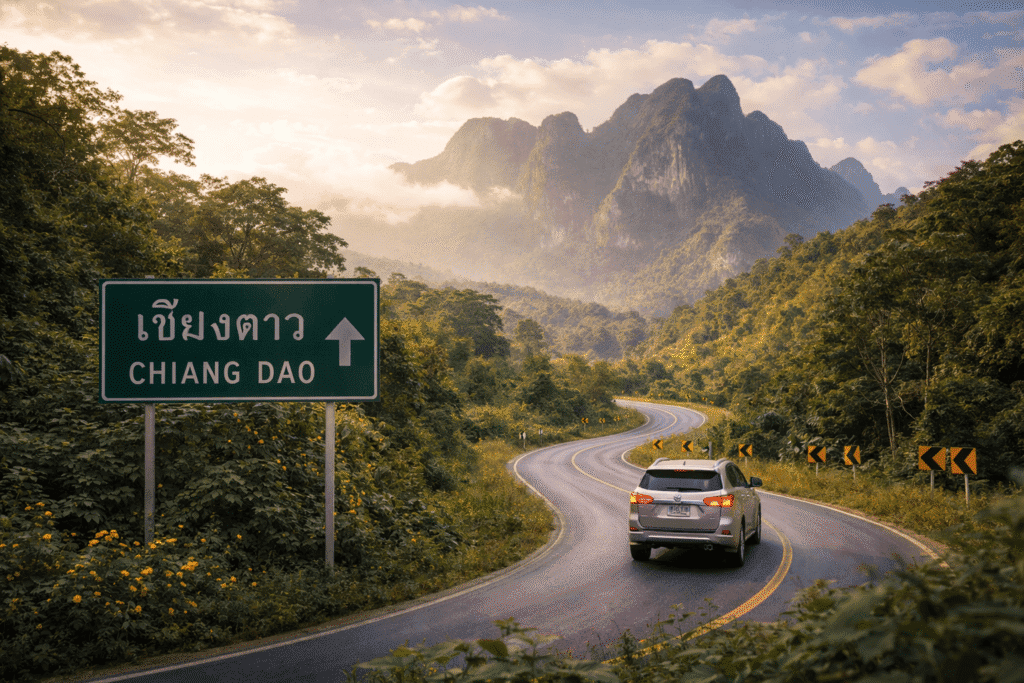
Sifting Through the Tourism to Find Northern Thailand Hidden Gems
TL;DR: Northern Thailand is far more than just Chiang Mai and Pai. This guide explores Chiang Dao, Chiang Rai, Phrae, Pai, Nan, and Phayao — combining peaceful countryside, local culture, historic towns, mountain landscapes, and authentic experiences away from the busiest tourist routes. It also includes a sample 14-day private itinerary focused on slow travel, boutique stays, local character, and quiet nature experiences. Ideal for travelers who want to experience northern Thailand beyond the crowds.
This post is my take on the best Northern Thailand hidden gems guide — a mix of hidden gems, slow journeys, and off-the-beaten-path adventures.
Most travelers heading north in Thailand stop at Chiang Mai, tick off a mountain temple or two, devour a few bowls of Khao Soi, maybe even hit Pai for that hammock life, and then move on. Nothing wrong with that. But as a Thai who grew up exploring this region,
I can tell you: the real north hides much more than the guidebooks ever show.
The places I return to year after year aren’t flashy. They are Northern Thailand hidden gems with their own unique character, like valleys where coffee comes from the next hillside over and markets where you trade genuine smiles with farmers more than souvenirs. They are the kind of places where slowing down doesn’t feel like a choice, it just flows naturally.
For a closer look at the local lifestyle, mountain views, and independent routes in the area, be sure to read our guide to Chiang Dao slow travel.
I’ve experienced northern Thailand at every stage of my life — as a child, a teenager, and later as an adult exploring it more deeply. This guide reflects how those places shaped the way I travel and live today.
If you’re wondering when to plan your trip to the North, check out my full Chiang Mai rainy season guide to see why the green season is actually my favorite time of year, and the street food prices you should expect in Chiang Mai and northern Thailand.
If you’re planning a Northern Thailand trip, this Northern Thailand itinerary shows how I’d connect these places into one smooth, well-paced journey. Also check out my guide on the top things to do in Chiang Dao here: Things to Do in Chiang Dao
If you’re trying to decide between Chiang Dao and Pai, or Chiand Mai and Bangkok these guides will make things easier for you.
For a completely seamless journey tailored to your schedule, you can hire a private tour guide and driver in Chiang Mai to explore Northern Thailand at your own pace.
To preview our free sample 14-day private itinerary for Northern Thailand, click the download button below:
Discovering
Northern Thailand
- Sifting Through the Tourism to Find Northern Thailand Hidden Gems
- Chiang Mai Off The Beaten Path: Vegan & Cultural Haven
- 📍 Chiang Mai, Thailand: Quick Travel Facts
- Chiang Dao: Mountain Retreat
- 📍 Chiang Dao, Thailand: Quick Travel Facts
- Chiang Rai: Borderland Secrets
- 📍 Chiang Rai, Thailand: Quick Travel Facts
- Pai: Laid-Back Escape
- 📍 Pai, Thailand: Quick Travel Facts
- Nan: Northern Soul
- 📍 Nan, Thailand: Quick Travel Facts
- Phrae
- 📍 Phrae, Thailand: Quick Travel Facts
- Phayao
- 📍 Phayao, Thailand: Quick Travel Facts
- Sustainability & Travel Tips
- Message us directly on WhatsApp
- FAQ – Northern Thailand Hidden Gems
- What are the best Northern Thailand hidden gems?
- Why visit Northern Thailand hidden gems instead of Chiang Mai alone?
- Is Northern Thailand hidden gems travel good for sustainable travel?
- How can I travel Northern Thailand hidden gems off the beaten path?
- When is the best time to visit Northern Thailand hidden gems?
- Leave everything to us and experience Thailand Off The Beaten Path
Chiang Mai Off The Beaten Path: Vegan & Cultural Haven
📍 Chiang Mai, Thailand: Quick Travel Facts
- 🗓️ Best Time to Visit: November to February (cool, dry season) for pleasant daytime temps and clear mountain views.
- 🏨 Recommended Stay: 3–4 days covers the old city temples, night markets, and at least one day-trip into the surrounding hills.
- 🏯 Town Vibe: A laid-back cultural hub blending ancient temples, digital-nomad cafes, and easy access to nature — great for first-timers and long-stay travelers alike.
- ✈️ Getting There: ~1-hour flight from Bangkok, or an overnight train/12-hour bus if traveling overland.
- 🔥 Smoky Season Note: Feb–April brings heavy smog from crop burning — air quality can be among the worst in the world, so plan around it if you’re sensitive to pollution.
I’ve had a strange, layered relationship with Chiang Mai. My very first visit? I was just a baby — no recollection, just family photos. The second time was in the early 2000s, when I came for a basketball tournament. That trip was all sports, between high schools of Chiang Mai, Bangkok, and the coastal provinces, and a single evening wandering Chiang Mai’s Night Bazaar. Just a blur of neon stalls and cheap T-shirts, nothing like the Chiang Mai I’d fall in love with years later.
It wasn’t until my late twenties that the city revealed its magic. I flew up for a coworking conference — as I was thinking of opening a space myself — and that was the beginning. The conference was great, but what stuck with me was the energy of the city: gentle locals, a café culture that rivals anywhere in the world, and a community where “slow life” doesn’t feel like you’re missing out on anything — in fact, it’s the opposite.
I started with coworking spaces, rooftop bars, and coffeeshops in the Old City, spending evenings hopping with other participants between popular spots. I thought that was Chiang Mai, but the real Chiang Mai hidden gems are far from the Old City — and even within it, you only start to notice them when you slow down and follow routes like these Chiang Mai walking routes. We also do private custom tours specifically for Chiang Mai.
To understand that side of the city, this Chiang Mai market guide and authentic restaurant food guide show where daily life actually unfolds beyond the usual tourist spots.
If you’d rather explore these spots with a private guide and driver arranging every detail around you, that’s exactly what custom tours Thailand travelers book instead of a fixed group route.
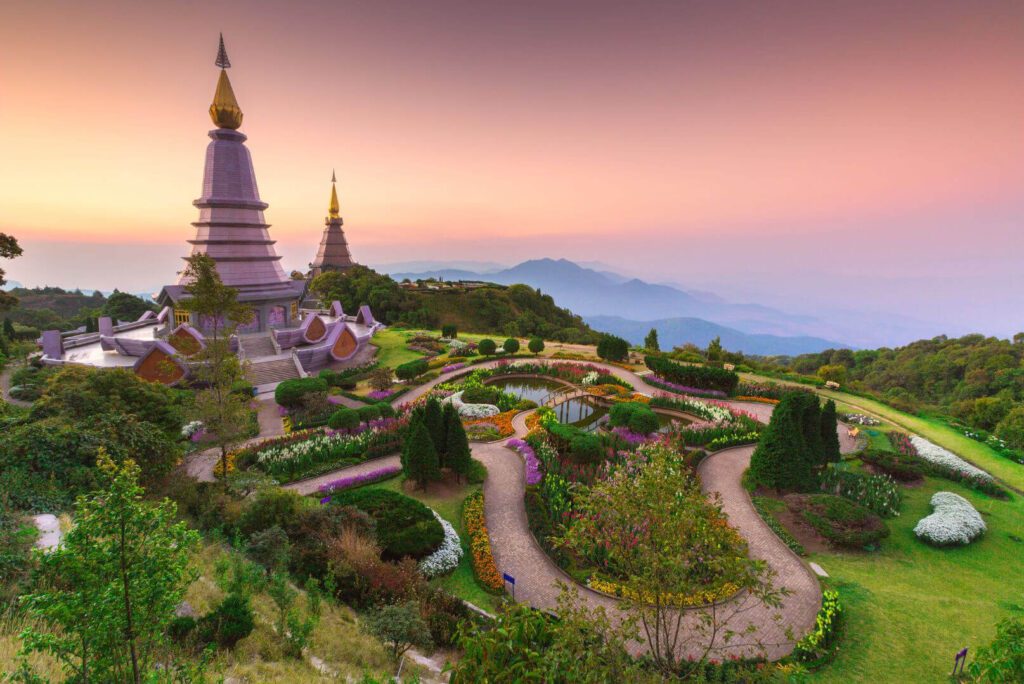
Then one trip, I rented a motorcycle for four days — I ended up extending that rental for four months! That changed everything. I ditched Google Maps, relying only on memory, intuition, and random tips from locals.
That’s how I stumbled into the real Chiang Mai hidden gems — cruising to Samoeng for a loop via winding jungle roads, rolling up to Doi Suthep for misty mornings and cold waterfall plunges, easing into hot springs at San Kampaeng, and spending hours riding up in Mae Kampong’s sleepy wooden village.
These are some of the best off the beaten path Chiang Mai rides I’ve ever done. Doi Suthep became my go-to for quick nature breaks as it’s in town, and Mon Jam was always the grounding landmark. Every road led to finding new Northern Thailand hidden gems, and that’s when Chiang Mai became more than a city, it became my playground for discovery. I can safely say it kick started my new life, and this company wouldn’t exist if it weren’t for that trip.
With its modern amenities—ranging from boutique hotels to specialty cafes, Chiang Mai also serves as the main hub for exploring northern Thailand, and its mix of comfort and atmosphere makes it an ideal setting for a romantic trip with your partner, something we expand on in our romantic travel style.
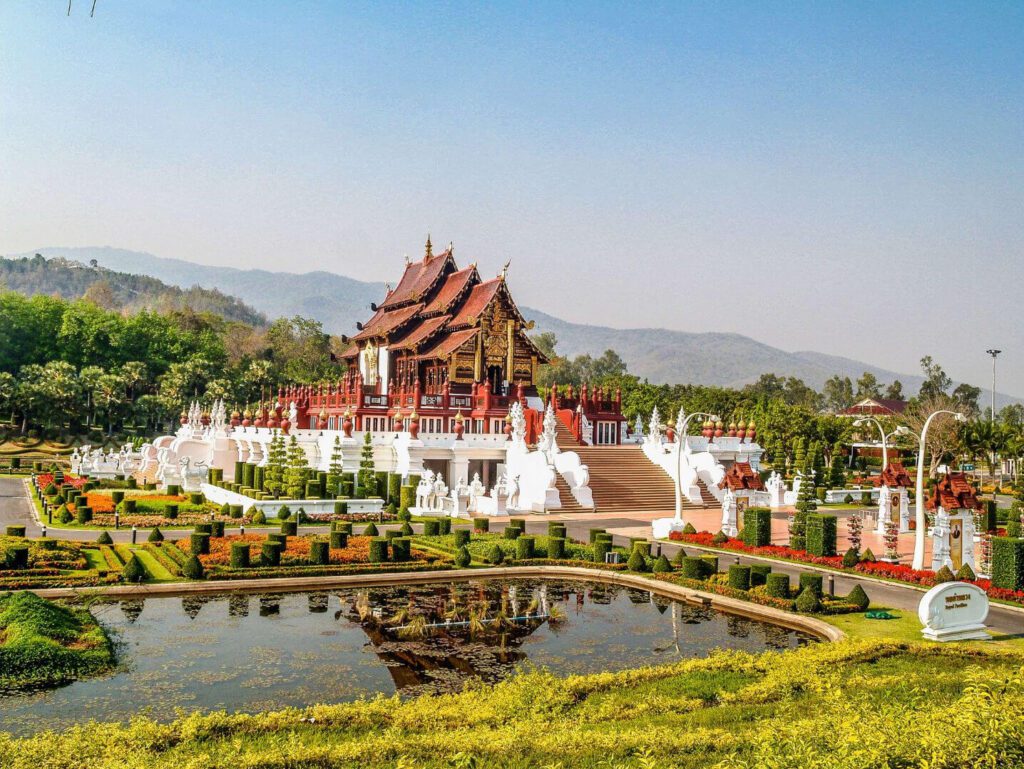
Chiang Mai is where I stopped traveling just to see sights and started traveling to feel connected. These rides became more than just a way to uncover Northern Thailand hidden gems, they were turning points where I truly found my rhythm. It was also here that I first experimented with a plant-based lifestyle; what started as a curious trial in these mountains eventually led me to go fully vegan two years ago.
It’s not just about the trendy smoothie bowls, it’s about the balance of culture, mountains, and modern creativity that supports that journey. If you’re looking to explore the city’s incredible meat-free scene.. And yes, I still sneak back to the Night Bazaar sometimes, it’s a nostalgic marker of how far my journey, and my palate, have come.
If you’re planning to pass through the capital on your way North or South, I’ve also put together a dedicated guide to the best vegan food in Bangkok to ensure you’re well-fed from the moment you land—and once you hit the North, don’t miss my guide to the top vegan restaurants in Chiang Mai.
If you’re a foodie who loves to explore cultures through their food, be sure to check out our Culinary Explorations travel style, our Bangkok Foodies itinerary, or dive into our guide to the best vegan restaurants in Chiang Mai.
If you’re planning a shorter visit, this shift in perspective is exactly what shapes what to do in Chiang Mai in 3 days, where the focus moves from ticking off sights to experiencing the city more intentionally.
Northern Thailand Hidden Gems Map
Chiang Dao: Mountain Retreat
📍 Chiang Dao, Thailand: Quick Travel Facts
- 🗓️ Best Time to Visit: November to February (cool, dry season) — mornings can be quite cold near the mountain, so bring warm layers.
- 🏨 Recommended Stay: 2 days is enough to explore the cave, hike the mountain trails, and enjoy the valley scenery at a relaxed pace.
- ⛰️ Town Vibe: A quiet mountain village dominated by a dramatic limestone peak — ideal for nature lovers, hikers, and those craving a break from city life.
- 🚗 Getting There: ~1.5-hour drive from Chiang Mai city, or a local bus/songthaew from Chiang Mai’s Chang Puak bus station.
- 🔥 Smoky Season Note: Feb–April haze from regional burning can obscure the famous mountain views, so aim to visit outside this window if scenery is a priority.
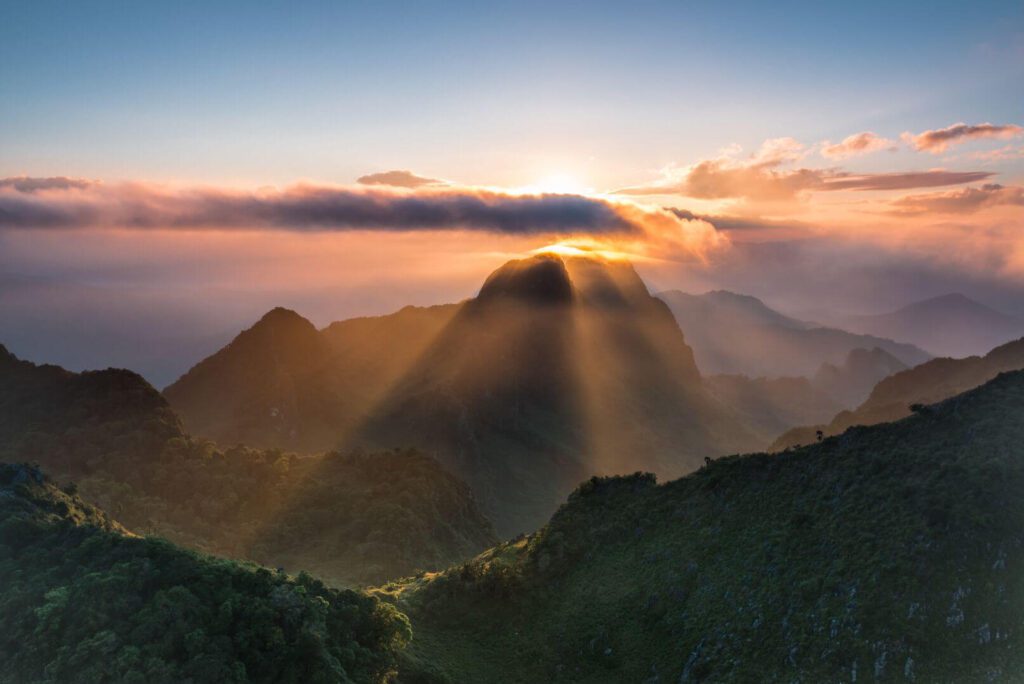
Chiang Dao—known as the “City of Stars”—is my ideal escape, just 90 minutes north of Chiang Mai’s busy superhighway. It’s the kind of place where slowing down comes naturally, with small-scale stays, locally run spots, and a pace that keeps things low-impact without trying too hard. Sustainable travel is a core part of our mission, and Chiang Dao fits that approach effortlessly—something we expand on in our sustainable travel page—all set against the backdrop of Doi Luang Chiang Dao, Thailand’s third-highest peak, and one of the most striking landscapes in this Northern Thailand hidden gems guide.
The views here are exactly what I imagine when I think of northern Thailand—mountains all around, rice fields stretching out below, and the peak standing over everything. Paradise. It’s also an ideal base for something more active—if you’re into hiking, trekking, and off-the-beaten-path routes, this is where it all comes together, as we cover in our adventure travel style page.
Whether you’re getting a massage in town or unwinding after a day of exploring, that backdrop is always there. It’s the reason I keep coming back—and why Chiang Dao perfectly reflects the kind of experience we focus on in our wellness travel style.
The first time I came here, I stayed in a bamboo bungalow Airbnb with a view of Doi Luang’s limestone cliffs. I woke up to roosters, wandered out barefoot in the garden, and realized I had stumbled upon one of the true Northern Thailand hidden gems. The air was cooler and crisper than Bangkok. Coffee farms decorate the hillsides, and you can sip a cup while literally watching the beans dry in the sun.
Heaven.
Most travelers head straight for Pai, hoping to escape normal life. But Pai has become a victim of its own success—what was once a quiet mountain town is now crowded, busy, and more about chasing the scene than finding peace. Chiang Dao, on the other hand, is exactly what they might have been looking for all along. Just a straight road north from Chiang Mai, it’s quieter, more authentic, and surrounded by nature on every side. The world-famous Chiang Dao Caves stretch for kilometers, filled with Buddha statues left behind by pilgrims, making them some of the best caves in all of Thailand to explore.
If you’re planning the trip, this Chiang Dao guide breaks down what to do and how to experience it properly.
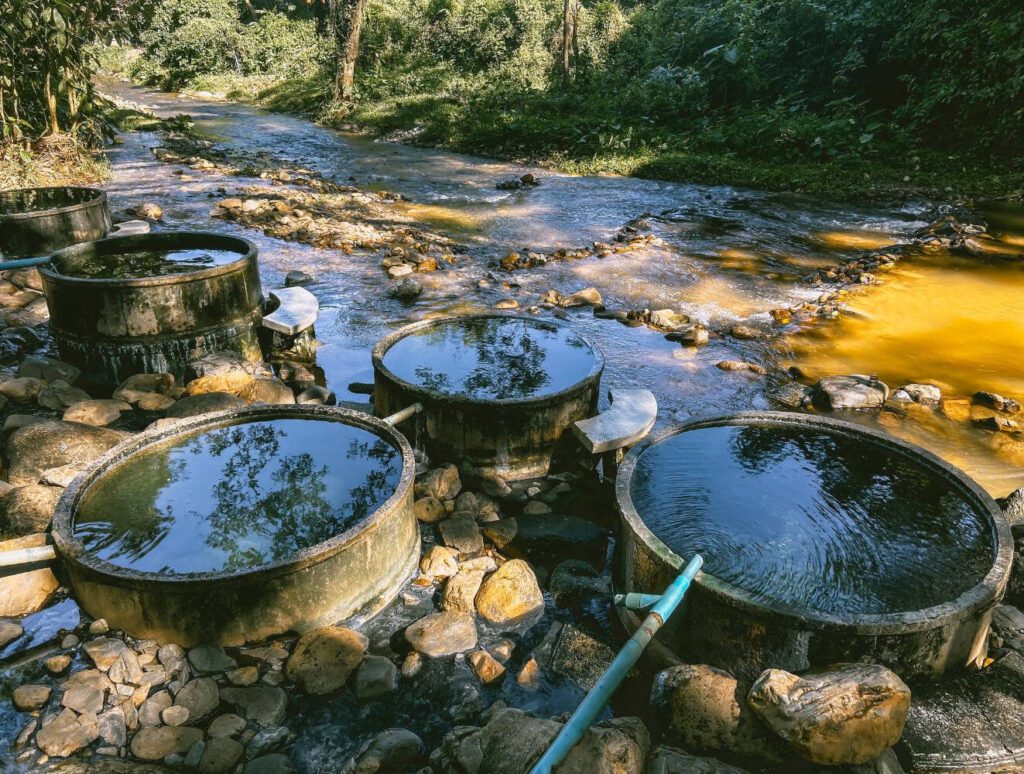
The hot springs are not only natural but also beautifully maintained—I’m there almost every evening when I’m in town. And the hikes? Chiang Dao has some of the best in the north, with trails that climb into the ridge lines and surrounding forests. For a full breakdown of how to experience it, check out my Chiang Dao itinerary. For me, this is why Chiang Dao Thailand remains one of the most peaceful places in this Northern Thailand hidden gems guide.
Discover our Northern Thailand tours
Map of Chiang Dao’s hidden gems & Hot Springs.
If I were to design a tour here, it’d be simple: morning hike to a temple in the mountains, hot spring soak in the afternoon, and a family-style dinner in a stilted house. Nothing fancy, just real.
Chiang Rai: Borderland Secrets
📍 Chiang Rai, Thailand: Quick Travel Facts
- 🗓️ Best Time to Visit: November to February (cool, dry season) for comfortable sightseeing and clearer views of the surrounding hills.
- 🏨 Recommended Stay: 2–3 days covers the White Temple, Blue Temple, Black House, and a day-trip toward the Golden Triangle.
- 🎨 Town Vibe: A relaxed northern city famous for striking contemporary temple art and easy access to the Golden Triangle — great for culture-seekers and day-trippers.
- ✈️ Getting There: ~1-hour direct flight from Bangkok, or a scenic 3-hour bus/van ride from Chiang Mai.
- 🔥 Smoky Season Note: Feb–April sees heavy haze from agricultural burning, often ranking among the worst air quality in Thailand — check AQI before booking if you have respiratory concerns.
Mention Chiang Rai and most people immediately picture the White Temple, Wat Rong Khun. And yes, it’s impressive, but what stuck with me most about Chiang Rai wasn’t just the architecture — it was how deeply Buddhism is woven into daily life here. Talking with the locals, from the temples to the walking street, you can feel the reverence everywhere.
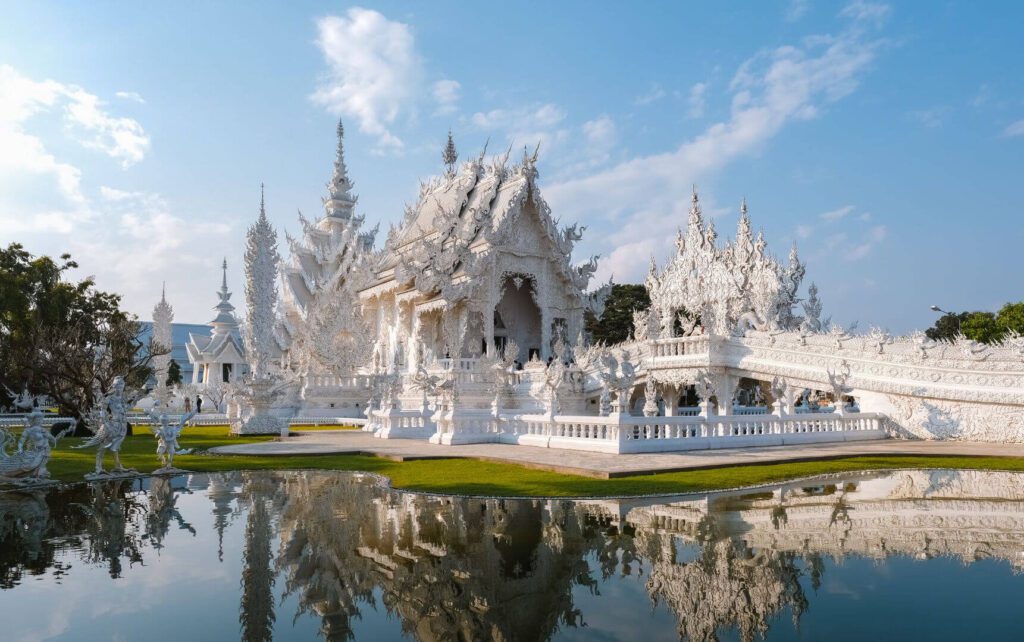
I came here on a spontaneous trip and ended up spending my time at Singha Park, wandering the walking street, and visiting a handful of the main temples. What stood out wasn’t how polished or tourist-ready things were, but the atmosphere. In Chiang Rai, Buddhism feels alive in a way that you don’t always see elsewhere in Thailand anymore — something people are still deeply connected to.
That’s what makes Chiang Rai different. The White Temple is worth the stop, of course, but the real value of coming here is seeing how the city still carries that sense of faith and tradition in its everyday rhythm. It’s one of those Chiang Rai hidden gems where spirituality and daily life blur, giving the province its own character, and it ties closely into the kind of experiences we explore in our cultural travel style.
If you’re planning to explore beyond the city, hiring a private guide can make a big difference. Check our detailed guide on How Much Does a Private Guide Cost in Northern Thailand for transparent pricing.
Map of Chiang Rai’s hidden gems & the magestic White Temple.
Pai: Laid-Back Escape
📍 Pai, Thailand: Quick Travel Facts
- 🗓️ Best Time to Visit: November to February (cool, dry season) — nights get cold in this mountain valley, so pack warm clothing.
- 🏨 Recommended Stay: 3 days is ideal to enjoy the town’s cafes, waterfalls, viewpoints, and hot springs without feeling rushed.
- 🌄 Town Vibe: A bohemian mountain town known for laid-back cafes, live music, and scenic canyon views — perfect for backpackers and slow-travel enthusiasts.
- 🚗 Getting There: ~3-hour drive from Chiang Mai along a famously winding mountain road (762 curves), or a short 25-minute flight.
- 🔥 Smoky Season Note: Feb–April brings thick haze from crop burning that can blanket the valley and hide the mountain scenery — worth avoiding if clear views matter to you.
Pai used to be one of those secrets whispered amongst travelers in the early 90’s. These days it’s firmly on the backpacker trail — reggae bars, smoothie stalls, and cheap hostels everywhere. But step off the main strip, and you’ll still find the kind of northern Thailand people dream about. It’s also an ideal destination if you’re planning to travel as a group—something we cover in our group discoveries travel styles.
The road from Chiang Mai to Pai is legendary: 762 curves through mountains and jungle. I’ve ridden it myself a few times, and while it’s long, it’s also one of the most enjoyable rides in the north. Riding or driving instead of sitting in a car or bus makes a huge difference too — not only do you avoid car sickness, but you actually get to enjoy the ride of a lifetime.
One of my favorite rides in all of northern Thailand was a completely unplanned joy ride after visiting Pai Canyon, which led me straight to Mueang Paeng Hot Spring. I had no idea it was there, and stumbling upon it by chance was the perfect bonus to cap off an already amazing ride. Quiet, natural, and tucked away, it was exactly the kind of off-the-grid find that makes Pai worth it. This is why guides often list it among the hidden gems in Pai, and I can see why.
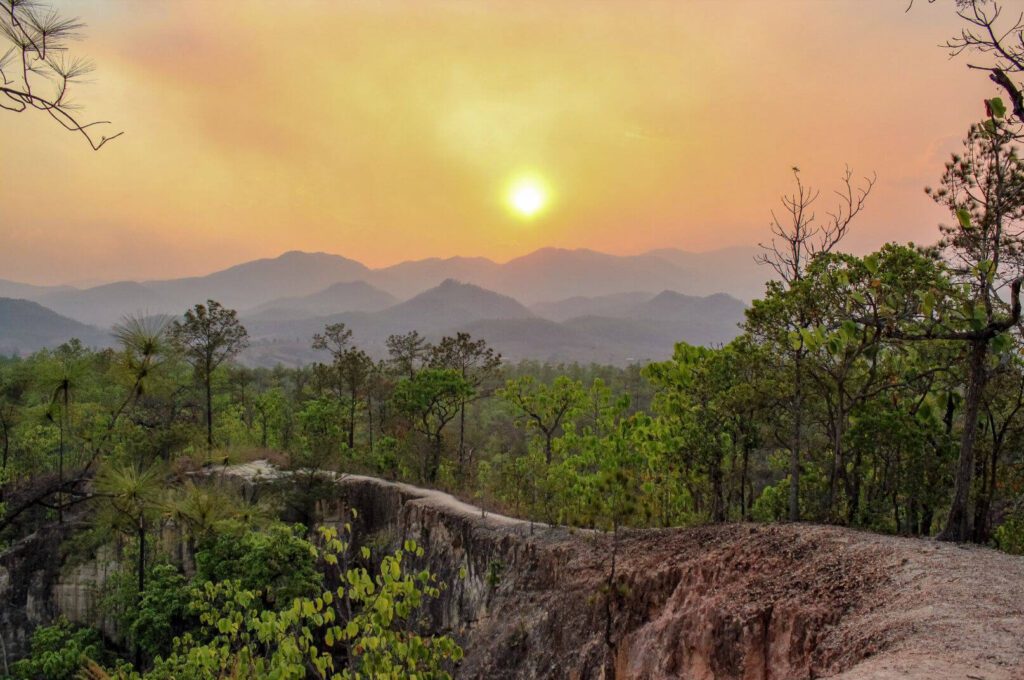
Heading toward Mae Hong Son is just as rewarding. I’ve never done the full loop, but even riding two or three hours out and back is simply amazing. It’s the essence of the Mae Hong Son loop itinerary, featuring winding roads, surprise viewpoints, and hot springs tucked into the forest. These routes are packed with Northern Thailand hidden gems, and one of my favorites is Sai Ngam Hot Spring, a quiet, mineral-rich pool shaded by trees. Unlike the boiling, sulfur smelling types, this one is comfortable enough to sit in for hours. Locals swear by its healing properties, and after soaking there I even watched a stubborn deodorant rash clear up instantly.
So yes, Pai is a hot spot, but the essence is still there if you’re willing to explore a little further. Out in the valleys and along the valleys, it’s still heaven — the kind of place that makes you reset, forget the noise, and just enjoy the ride. No wonder so many travelers ask, “is Pai worth visiting?” — my answer is always yes, as long as you go beyond the main strip.
Map of Pai’s hidden gems & scenic routes to Pai Canyon.
Nan: Northern Soul
📍 Nan, Thailand: Quick Travel Facts
- 🗓️ Best Time to Visit: November to February (cool, dry season). Evenings can get chilly in the mountains, so pack a light jacket.
- 🏨 Recommended Stay: 2–3 days is ideal to explore the old town, temples, and nearby valleys without rushing.
- 🌾 Town Vibe: A sleepy, riverside former kingdom with striking temple murals — perfect for slow travelers seeking culture over nightlife.
- 🚗 Getting There: ~3.5–4 hour drive from Chiang Mai, or a quick 40-minute domestic flight from Bangkok.
- 🔥 Smoky Season Note: Avoid Feb–April if possible — agricultural burning causes heavy haze and poor air quality across Northern Thailand.
Thinking about working Nan into your trip up north? I’ve covered every way to reach it, by air, by bus, or by road, in my guide to getting to Nan, Thailand.
Nan doesn’t try to impress you, and that’s exactly why it does. Out by the Laos border, it’s a province most travelers skip, even though it has everything that makes northern Thailand special — scenery, culture, and people who still live simply and welcome you without pretense.
To see how this rugged landscape and quiet charm fit into your trip, take a look at our Nan itinerary for a guide to exploring one of Thailand’s best-kept secrets.
The temples here aren’t about size or grandeur, they’re about meaning.Wat Phumin is the best example. Its famous wall paintings show scenes of daily life, couples, and community, painted with a warmth that still feels relevant centuries later. It’s why Nan often shows up on a Nan Thailand travel guide that goes beyond mainstream spots.
Beyond the temples, Nan’s markets, mountain roads, and highland villages round out a full trip, all covered in our guide to the best things to do in Nan Thailand.
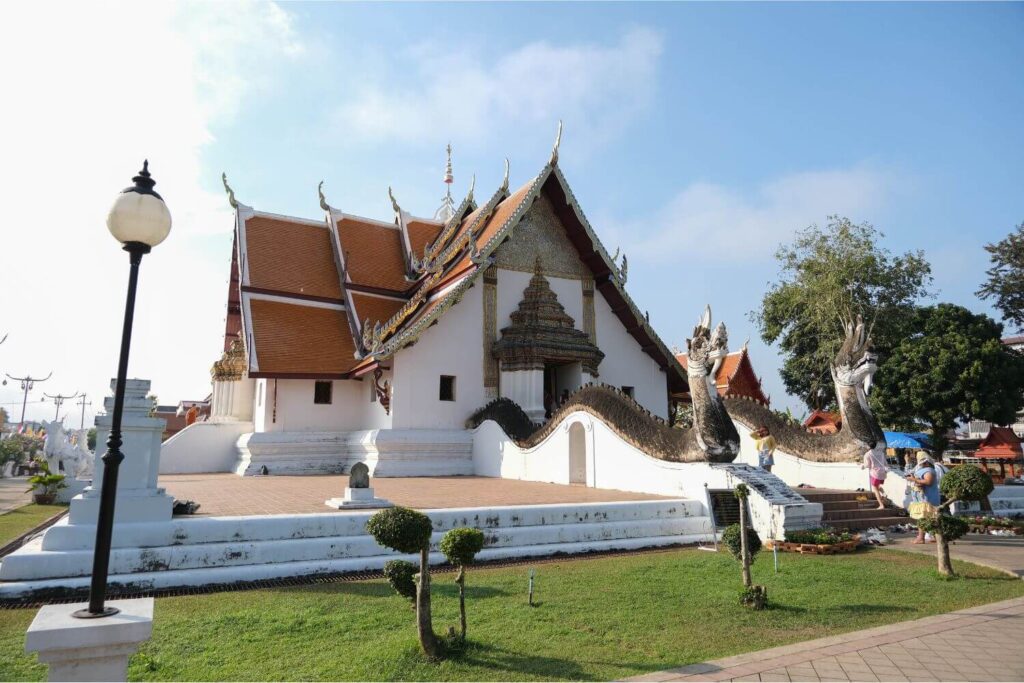
Markets and food in Nan feel the same way — unpolished, homely, and legit. Sitting shoulder to shoulder with locals over a bowl of noodles at the morning market, I realized I hadn’t seen another tourist all trip. It wasn’t prepared to be “authentic”; it just was. That’s the main difference.
And then there’s the road. Ride out of town and it doesn’t take long before you’re surrounded by valleys, rice fields, and impeccable views. At sunset, the whole place cools down and you catch yourself thinking you could stop right there and never leave. It’s not about ticking off sights, it’s about the feeling Nan leaves you with — genuine, welcoming, and still very much its own. For me, that’s why Nan Thailand remains one of the most soulful northern Thailand hidden gems.
Northern Thailand isn’t just scenery — it’s balance, tribes, and the quiet kind of luxury you only can appreciate once you’ve stepped away from the crowds. These hidden gems keep me coming back, not because they’re untouched, but because they’re alive in ways mass tourism can never match. Prefer beaches over mountains? Discover Thailand’s hidden gem islands — where quiet beaches and small-scale stays meet the same authenticity found in the north. Ready to explore the rest of Thailand? Start with our Thailand Hidden Gems Guide — a curated journey through the country’s most authentic valleys, caves, and islands.
When I share them, it’s not to spoil secrets but to keep them alive. Travelers who come this way with respect — and a taste for coziness alongside authenticity — indirectly help local families thrive without changing who they are. That’s the north I know, and it’s the only one I’ll always invite you to experience. Learn how we travel responsibly through our sustainable tourism approach.
To get a real feel for what the trip was like, check out my personal travel story on Nan.
Map of Nan’s hidden gems & scenic routes to Sapan Waterfall.
Phrae
📍 Phrae, Thailand: Quick Travel Facts
- 🗓️ Best Time to Visit: November to February (cool, dry season) for comfortable temperatures to explore the old town on foot.
- 🏨 Recommended Stay: 1–2 days is enough to wander the teak-wood old quarter and visit nearby heritage sites.
- 🏚️ Town Vibe: An under-the-radar former teak-trading town with well-preserved wooden mansions — ideal for travelers who want authentic culture without the crowds.
- 🚗 Getting There: ~2.5-hour drive from Chiang Mai, or a short 45-minute domestic flight from Bangkok.
- 🔥 Smoky Season Note: Feb–April brings noticeable haze from regional burning, which can dull the old town’s photogenic charm — plan accordingly if photography is a priority.
Phrae is the kind of place that rarely makes it onto most travelers’ itineraries, which is exactly why it’s worth visiting. Tucked away in northern Thailand, it offers a slower pace of life, quiet countryside roads, and a glimpse of authentic local culture that feels increasingly rare in more popular destinations. There are no crowds, no flashy attractions, and no pressure to tick boxes — just peaceful villages, rolling landscapes, and the chance to experience Thailand at its own rhythm.
What I love most about Phrae is the journey itself. The roads winding through the surrounding countryside are perfect for exploring by motorbike, with mountain views, rice fields, and small communities appearing around almost every corner. It’s the kind of place where the best experiences often aren’t planned. A random turn down a quiet road can lead to a hidden viewpoint, a local market, or a roadside café where you end up spending far longer than intended.
For travelers looking to escape the well-worn backpacker route, Phrae delivers something increasingly difficult to find: simplicity. It may not have the famous attractions of northern Thailand’s bigger destinations, but its charm lies in exactly that. Sometimes the places you remember most are the ones where nothing much happens at all.
Phayao
📍 Phayao, Thailand: Quick Travel Facts
- 🗓️ Best Time to Visit: November to February (cool, dry season) for pleasant weather along the lake and mild evenings.
- 🏨 Recommended Stay: 1–2 days is enough to enjoy the lakeside promenade, temples, and a relaxed local pace.
- 🌊 Town Vibe: A quiet lakeside town centered around Thailand’s third-largest freshwater lake — perfect for travelers seeking calm scenery and small-town charm off the tourist trail.
- 🚗 Getting There: ~1.5-hour drive from Chiang Rai, or roughly 2.5 hours from Chiang Mai by car or bus.
- 🔥 Smoky Season Note: Feb–April haze from crop burning can settle over the lake and reduce visibility — best avoided if you’re hoping for clear lake views.
Often overlooked by travelers rushing between Chiang Mai and Chiang Rai, Phayao quietly rewards those who decide to stop. Built around the vast waters of Kwan Phayao, one of Thailand’s largest freshwater lakes, the town has a relaxed atmosphere that immediately feels different from its busier northern neighbors. Mornings begin with mist drifting across the lake, while evenings are spent watching the sunset paint the water in shades of gold and orange.
One of my favorite things about Phayao is how effortlessly peaceful it feels. The lakeside promenade is perfect for an evening stroll, with local food vendors setting up as the day cools down and families gathering to enjoy the view. Unlike many tourist destinations, there’s no rush here. Life moves slowly, and visitors are encouraged to do the same.
Beyond the lake, Phayao offers plenty for those willing to explore. Ancient temples, scenic mountain roads, and quiet viewpoints surround the province, establishing it as one of the standout Northern Thailand hidden gems for riders and road trippers. It’s not a place that shouts for attention, but that’s part of its appeal.
Phayao feels authentic, understated, and refreshingly untouched — a reminder that some of northern Thailand’s most rewarding destinations are still hiding in plain sight.
Sustainability & Travel Tips
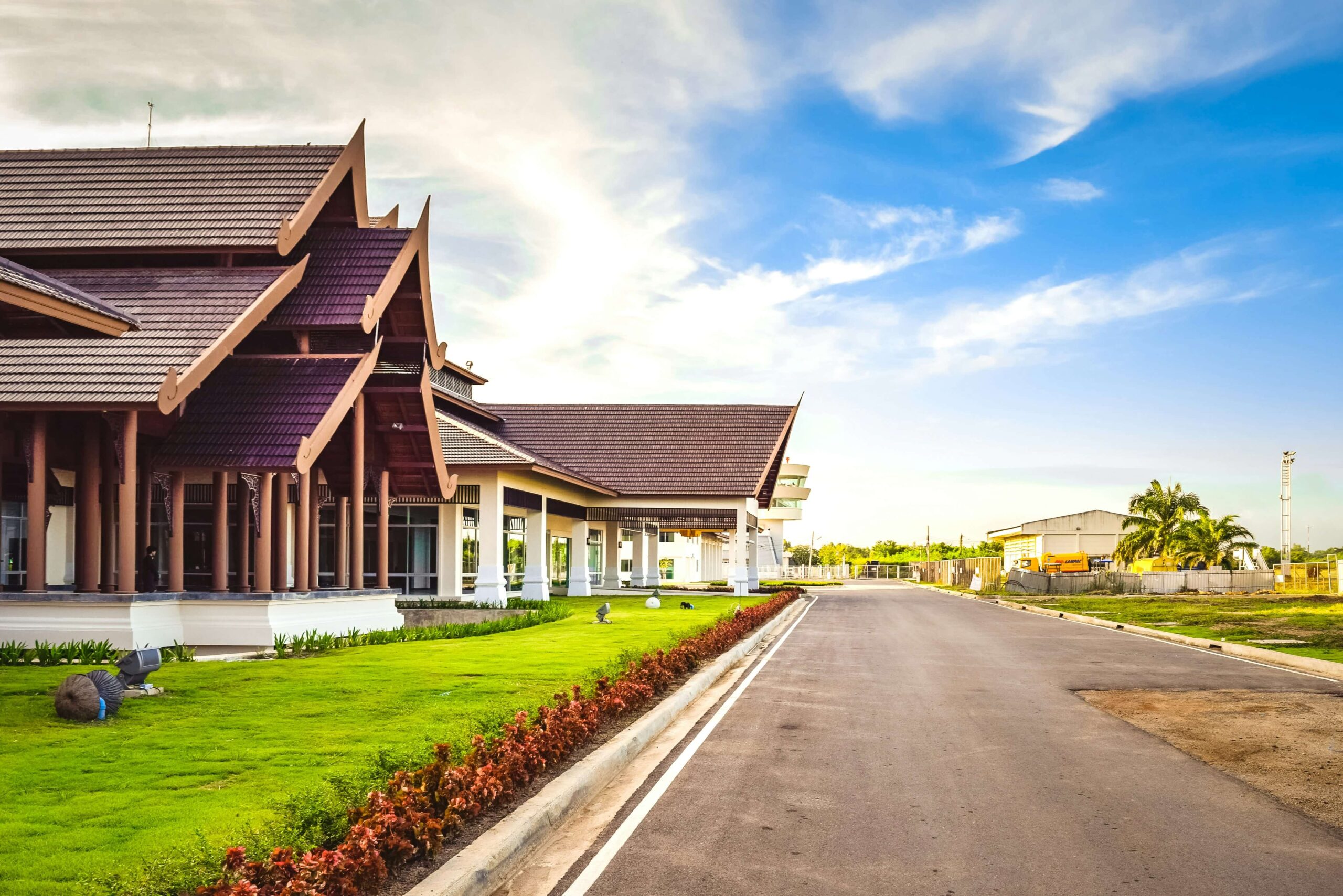
Sustainable travel in northern Thailand means slowing down and choosing places that care for the land and its people. Stay at small eco-lodges in Chiang Dao or family-run homestays in Nan, where your visit helps preserve Lanna traditions and supports mountain communities. Choose shared transfers, refillable bottles, and locally sourced meals to keep your footprint light while exploring the northern valleys.
To see how personalized travel can directly support local communities and avoid the corporate middlemen, read about our unique approach to custom tours in Northern Thailand.
Learn more about our approach to responsible travel on our Sustainable Tourism page.
When exploring remote areas in Northern Thailand, having access to cash is essential. Make sure to read our Thailand ATM Guide 2026 for the best banks and tips to minimize fees.
Prefer a quick chat?
Message us directly on WhatsApp
If you already have an idea of your trip, send us a message — we’ll guide you through the best options for your travel style.
Chat on WhatsAppor
[email protected]FAQ – Northern Thailand Hidden Gems
What are the best Northern Thailand hidden gems?
The best Northern Thailand hidden gems include Nan’s misty valleys, Chiang Dao’s limestone peaks, Chiang Rai’s quiet countryside, Phayao’s lakefront villages, and Lampang’s timeless temples. These Northern Thailand hidden gems offer grounded, authentic experiences shaped by local culture, mountain scenery, and warm community hospitality. Each of these Northern Thailand hidden gems feels distinct yet connected through slow travel and untouched landscapes.
Why visit Northern Thailand hidden gems instead of Chiang Mai alone?
Northern Thailand hidden gems like Chiang Dao, Nan, and Chiang Rai reveal the deeper character of the region with quiet temples, forest-lined roads, and slow-living mountain communities. These Northern Thailand hidden gems offer meaningful cultural encounters and natural beauty that goes far beyond Chiang Mai’s city energy. Exploring Northern Thailand hidden gems gives a more complete picture of the region’s landscape and traditions.
Is Northern Thailand hidden gems travel good for sustainable travel?
Yes. Northern Thailand hidden gems are filled with eco-conscious lodges, family-run stays, and community-led projects that support local livelihoods. Traveling through Northern Thailand hidden gems helps preserve traditions, landscapes, and the natural beauty the region is known for. Many Northern Thailand hidden gems are best experienced through low-impact, mindful travel.
How can I travel Northern Thailand hidden gems off the beaten path?
The best way to explore Northern Thailand hidden gems is with a private driver who knows the northern routes intimately. Scenic roads through Chiang Dao, Nan, and Phayao open into sweeping valleys, misty viewpoints, and forest backroads. Traveling through Northern Thailand hidden gems this way keeps the journey unhurried, personal, and low impact, while giving access to lesser-known Northern Thailand hidden gems only locals know about.
When is the best time to visit Northern Thailand hidden gems?
November to early February is the ideal season for Northern Thailand hidden gems, with cool air, clear skies, and excellent visibility for temples, trekking, and mountain viewpoints across Chiang Dao, Nan, and Chiang Rai. Travelers exploring Northern Thailand hidden gems should avoid mid February to mid April due to burning season, when PM levels rise across many Northern Thailand hidden gems regions.

About the author
Written by Dee, Thai-born founder of Off Path Thailand. My life changed after renting a scooter in Chiang Mai nearly a decade ago. I still remember the moment my jaw dropped at the natural beauty around me — riding into the distance with mountains on both sides felt more alive than any PS4 game I had ever played. Since that day, I’ve been hooked on this kind of travel — because there's so much wonder to discover in Thailand’s quiet, hidden places. About the founder
Tell us your dates and vibe — Our team replies within 24 hours to begin crafting your trip.
Leave everything to us and experience Thailand Off The Beaten Path
Every journey leaves a footprint — the difference is in how we choose to travel. At Off Path Thailand, we focus on keeping those footprints light. Discover how sustainable travel in Thailand connects comfort with care.