
Last Updated: August 6, 2026
Off Path Northern Thailand
Chiang Dao Reverie:
Caves, Forests & Hot Springs
6 days in Northern Thailand‘s most serene mountain valley — temple forests, ancient caves, natural hot springs, village life, and misty morning landscapes.
The Experience
Northern Thailand at its most refined
This Chiang Dao itinerary is designed for travellers seeking a quieter, more authentic side of Northern Thailand — where natural beauty, cultural depth, and a sense of place come together without the presence of crowds.
Here, the landscapes feel open and unspoiled, the temples remain part of everyday life, and the experience is shaped by authenticity rather than tourism. You’ll find breathtaking views, quiet surroundings, and a genuine connection to local culture that’s becoming harder to find elsewhere. A well-planned chiang dao itinerary lets you experience all of this at a natural, unhurried pace.
Chiang Dao represents Northern Thailand at its most harmonious — a place where mountain air, ancient cave temples, natural hot springs, and village farm life coexist quietly. It’s understated, deeply real, and the kind of destination that stays with you long after you leave.
Design Your Chiang Dao Trip
Tell us your dates and travel style — we’ll build a Chiang Dao experience around your pace and preferences.
Start PlanningWe reply within 24 hours. No fixed tours, no group itineraries.
Who This Trip Suits
Good For
The Itinerary
Chiang Dao — Day by Day
A flexible 6-day framework through one of Northern Thailand’s most rewarding destinations. This chiang dao itinerary can be adjusted around your pace and interests.

Arrive Chiang Mai → Transfer to Chiang Dao → Hot Springs & Massage
A private transfer carries you out of Chiang Mai and into the quiet, mountain-framed valley of Chiang Dao, where the shift in pace is immediate. Traffic fades, air clears, and the landscape begins to open up — this transition is part of the experience, not just transport.
After arrival, settle into your accommodation and take time to absorb the setting. Most properties here are designed around nature — views of Doi Chiang Dao, open terraces, and slower rhythms that encourage you to pause rather than move. A light lunch, a short walk, or simply sitting with the view is often enough for the afternoon.
Later, ease into the stay with hot springs, a traditional massage, or quiet spa time depending on your hotel. This first day is intentionally restorative — setting the tone for a trip that prioritises calm, space, and depth over constant movement. It works especially well for group travellers seeking a soft start, and for those drawn to a slower, cultural travel style.
What makes this arrival so effective is that it does not try to impress through volume. Instead, Chiang Dao begins quietly — mountain air, warm water, and the feeling of being somewhere much calmer than Chiang Mai. For many travellers, that first evening is when the trip stops feeling like logistics and starts feeling like a true retreat.
Forest Temple Walk → Local Market → Slow Afternoon
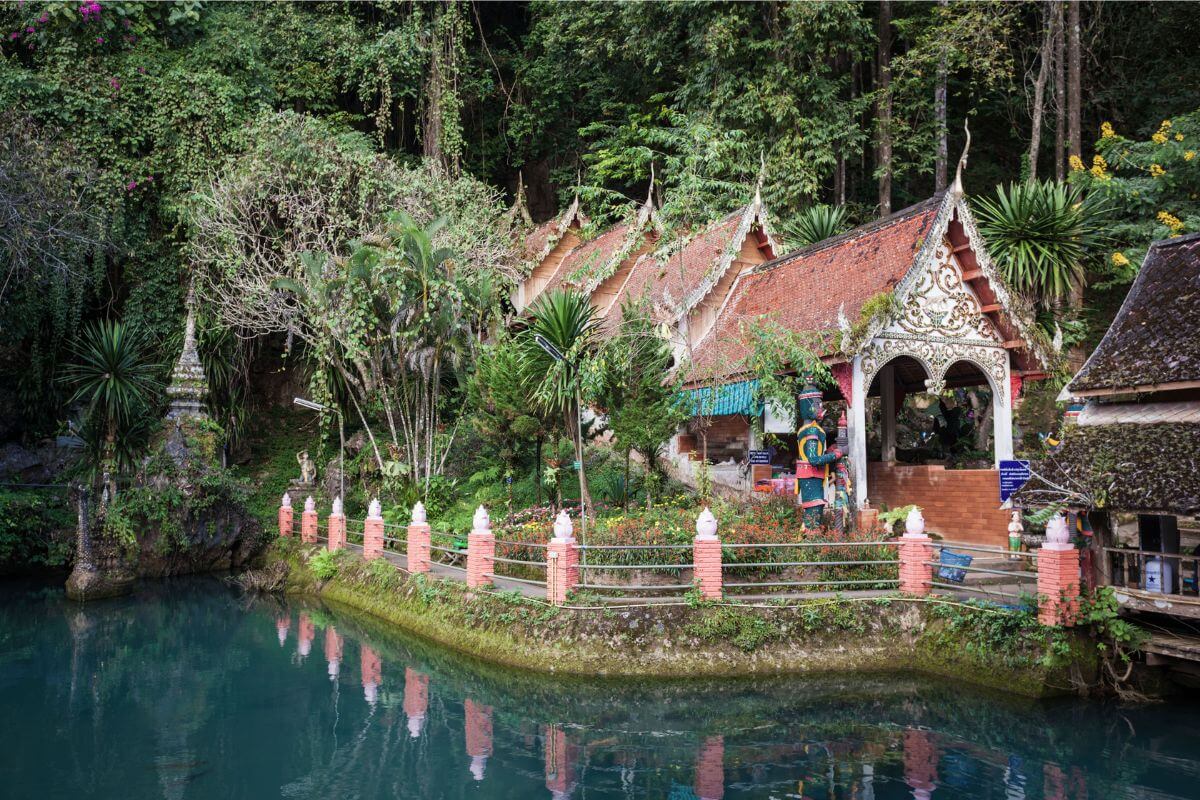
Begin with a gentle forest walk leading to one of Chiang Dao’s temple settings, where the atmosphere is noticeably quieter and more contemplative than the busier temple circuits of Chiang Mai. Monks move through shaded paths, incense drifts lightly, and the experience feels integrated into daily life rather than staged.
Continue into a nearby local market where the rhythm shifts — fresh produce, simple dishes, and small interactions that reflect everyday northern Thai life. This is a good place to pause for fruit, snacks, or coffee, allowing the morning to unfold naturally.
The afternoon remains intentionally unstructured. Return to your accommodation, spend time in the shade, or enjoy a slow lunch with a mountain backdrop. The value of this day comes from its restraint — it creates space to absorb the setting rather than rushing through it. This aligns naturally with cultural travel style and a grounded form of sustainable tourism.
This balance between quiet temple atmosphere and ordinary local life is part of what makes Chiang Dao so rewarding. You are not being pushed through major attractions; you are easing into a place with enough time to notice its mood — and that slower rhythm often ends up being far more memorable than a packed sightseeing day.
Bamboo Forest Walk → Chiang Dao Cave → Sunset Viewpoint
The morning begins with a walk through bamboo forests and quiet trails, where the landscape feels immersive without requiring intense effort. Light filters through the trees, and the environment encourages a slower, more attentive pace.
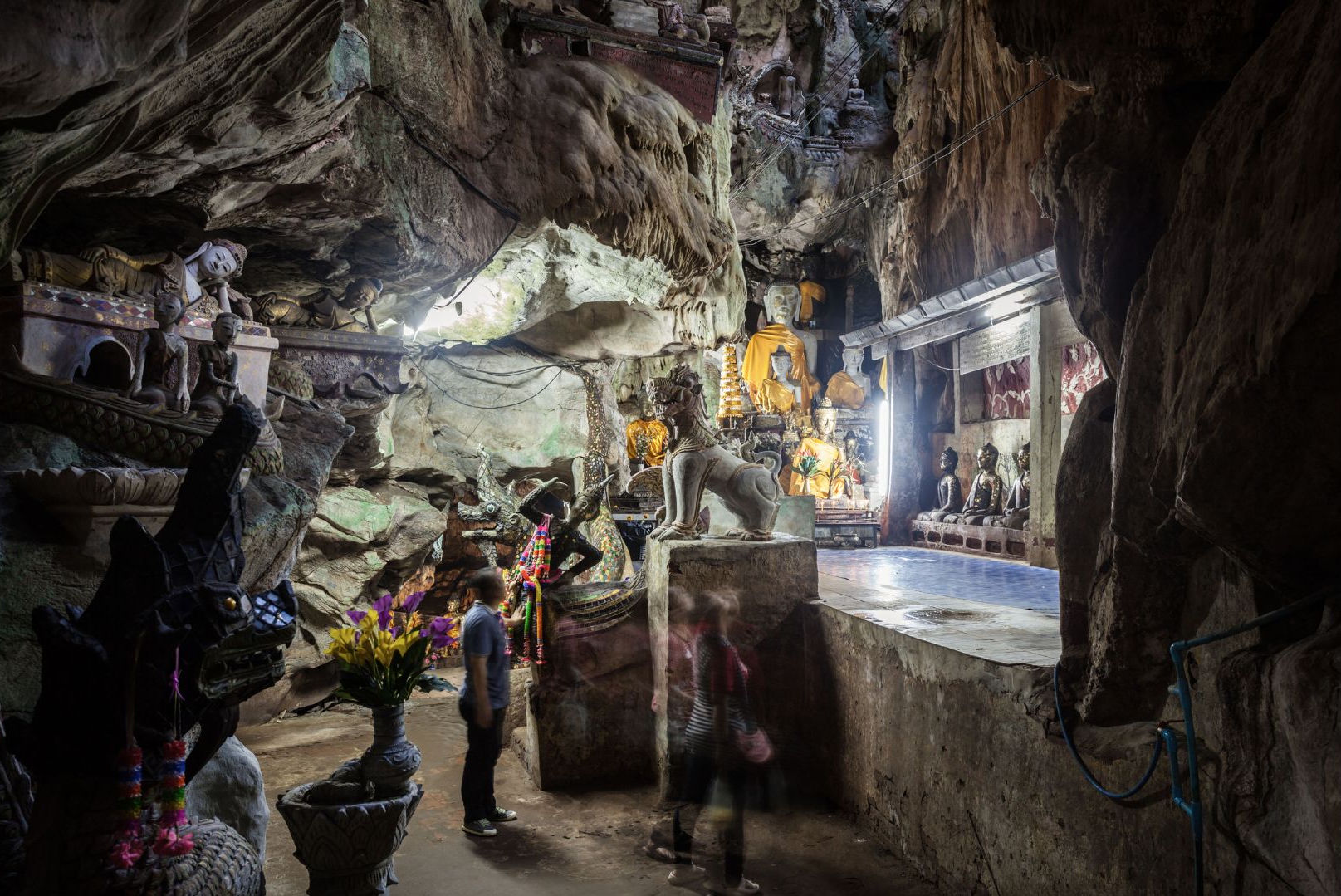
Later, visit Chiang Dao Cave Sanctuary — one of the area’s most atmospheric landmarks. Rather than rushing through, take time to notice the scale, the stillness, and the subtle spiritual presence that defines the space. It adds a deeper cultural layer to the trip without feeling performative.
End the day at a viewpoint overlooking the valley, ideally timed for sunset. As the light softens across the mountains, the setting brings together everything experienced so far — landscape, quiet, and perspective. Evenings remain calm and unhurried, allowing the day to settle naturally.
This is often the day that feels the most cinematic. You move from forest texture to cave atmosphere to wide open mountain views, all without the day ever feeling hectic. It is a strong example of how a chiang dao itinerary can feel both adventurous and peaceful at the same time.
Village Life → Coffee Growers → Farm & Local Connection
This day shifts toward deeper local connection. Rather than moving between sights, you spend time within places — small villages, craft communities, and agricultural settings that reveal how life is lived in the region.
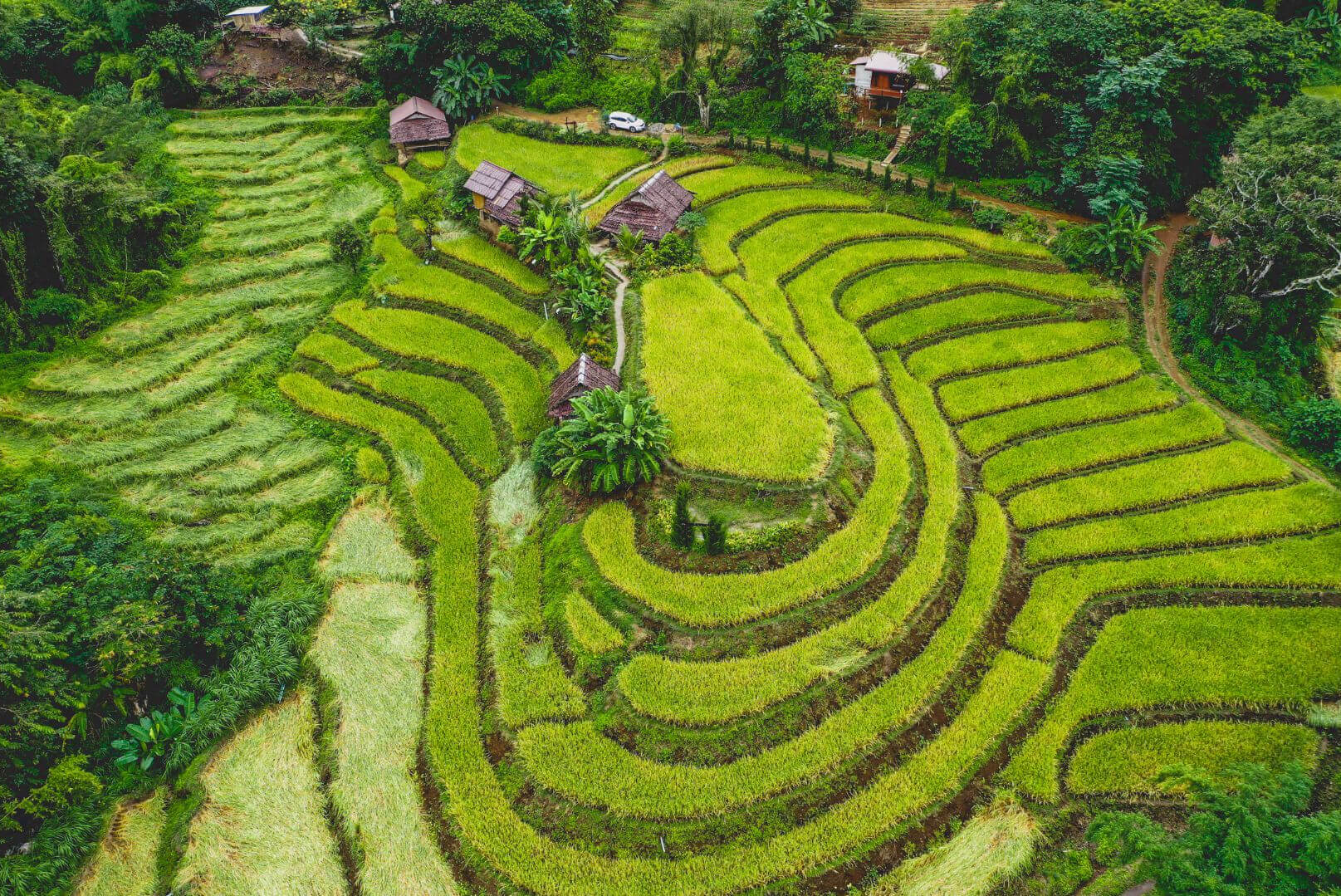
Visit coffee growers or a small-scale farm, where the experience becomes more about conversation, observation, and understanding than ticking off locations. These slower, more personal interactions often become the most memorable part of the trip.
The pace remains unhurried, allowing each stop to feel meaningful. This day strongly reflects sustainable tourism values and works particularly well for travellers interested in depth over volume — including groups that value shared, grounded experiences.
It is also the day that gives the itinerary more heart. Scenery is part of Chiang Dao’s appeal, but the local side of the region is what gives it substance. Spending time around growers, farms, and village life helps the trip feel rooted in something real rather than purely scenic.
Landscape Exploration → Flexible Pace → Farm-to-Table Evening
By this stage, the rhythm of Chiang Dao has settled in. The day begins slowly, with flexibility to shape it around your energy and interests rather than following a fixed plan.
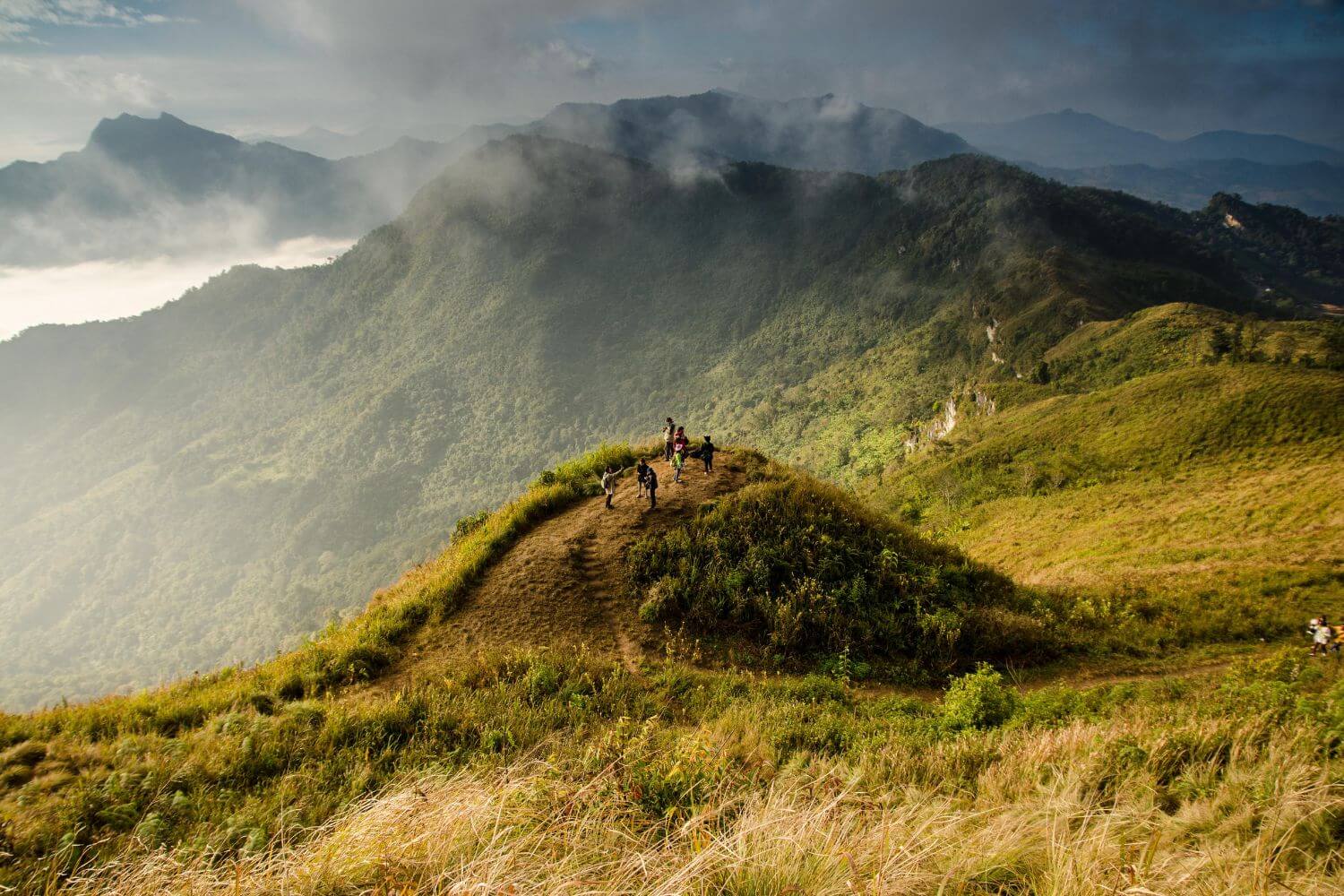
- Option A: A relaxed bicycle ride through rice fields and quiet lanes, with space to stop, observe, and take in the mountain scenery at your own pace.
- Option B: A scenic drive through forested routes, offering a more comfortable way to experience the landscape without physical effort.
Both options prioritise atmosphere over activity. The afternoon remains open — time for rest, a late lunch, or simply enjoying your surroundings without structure.
The evening closes with a farm-to-table dinner, where local ingredients and the region’s slower rhythm come together in a more refined setting. It feels like a natural culmination of the trip — grounded, thoughtful, and distinctly tied to place.
This final full day works well because it gives you choice without losing the overall tone of the itinerary. Whether you prefer something slightly more active or more comfortable, the day still ends the same way: a beautiful final evening that feels earned, intimate, and distinctly northern Thailand.

Return to Chiang Mai → Departure
After breakfast, begin the private transfer back to Chiang Mai. Keep the morning unhurried — one last coffee, a final look at the mountains, or simply time to sit with the quiet before leaving.
The return journey feels like a gradual transition rather than a disruption. As the landscape shifts back toward the city, the contrast highlights what made Chiang Dao distinct — space, calm, and a slower way of experiencing Thailand.
Depart with a sense of having experienced something more layered than a typical itinerary — not just places, but a different pace and perspective that reshapes how you think about Northern Thailand travel.
That is part of the appeal for travellers considering this trip: Chiang Dao does not try to overwhelm you. It leaves you with mountain memories, a calmer headspace, and the feeling that you experienced a quieter side of Thailand that still feels special and worth returning to.
The Full Package
What’s Included
Everything is arranged so you can focus entirely on the experience. This chiang dao itinerary includes all the essentials for a smooth and memorable stay.
Explore the Area
Map of Chiang Dao
Message Us Directly on WhatsApp
If you already have an idea of your trip, send us a message — we’ll guide you through the best options for your travel style and dates.
Chat on WhatsAppCommon Questions
Chiang Dao Itinerary FAQ
Your trip starts here