
Off Path Bangkok · Private Food Tours
Bangkok Food Tour:
Local, Authentic & Off the Beaten Path
A private 3–6 day Bangkok food tour built around long-standing local favourites, market mornings, family kitchens, and the everyday eating culture most visitors never find.
The Bangkok Food Tour
A Bangkok food tour built around what locals actually eat
This Bangkok food tour is built for travellers who want to experience the city through what locals actually eat — because food is one of the most authentic ways to understand a culture, and Bangkok’s food culture runs deeper than any highlight reel can capture.
Instead of chasing Instagram-famous restaurants or trend-driven lists, this Bangkok food tour focuses on long-standing local favourites, small family-run places, and everyday food that’s been part of the city’s culture for years. The kind of places people return to without thinking — where recipes haven’t changed, and where the food speaks for itself. For context on what Bangkok street food actually costs before you arrive, the Bangkok street food prices guide gives a realistic breakdown.
Many of the stops on this Bangkok food tour are places I grew up with — old-school eateries, street vendors, and neighbourhood kitchens that have quietly built their reputation over time. Some are passed down through generations, others are simple stalls that have been serving the same dishes the same way for decades. None of them need a marketing budget because their regulars do it for them.
You’ll move through a mix of traditional flavours and local routines — morning markets, backstreet food corners, late-night stalls, and neighbourhoods where food is still part of daily life rather than something curated for visitors. It’s a more legitimate way to experience Bangkok — shaped by habit, memory, and the kind of food people actually come back for. For those who want to explore beyond food into the city’s hidden corners, the Bangkok hidden gems guide covers the best off-path areas the same Bangkok food tour passes through.
Design Your Bangkok Food Tour
Tell us your dates, dietary preferences, and travel style — we’ll build a Bangkok food tour around you from scratch.
Start PlanningWe reply within 24 hours. No fixed group tours, no shared buses.
Who This Bangkok Food Tour Suits
Good for
The Bangkok Food Tour Itinerary
Bangkok food tour — day by day
A flexible 3–6 day Bangkok food tour framework. Every element can be adjusted around your appetite, dietary preferences, and the pace that suits you best.

Bangkok food tour begins: first local meals and street food introduction
Arrive in Bangkok and let food be your first real entry point into the city. Rather than forcing in temples, shopping, or too much movement on arrival day, your Bangkok food tour begins with something much more grounded: a proper local meal in a neighbourhood setting. Look for the kind of place office workers, families, and nearby residents use without thinking — simple menus, quick turnover, and dishes made for regulars rather than visitors.
This first meal should feel orienting rather than theatrical. A plate of rice with stir-fried dishes, a bowl of noodles, grilled pork over rice, or something similarly familiar in local Bangkok life immediately gives you a more honest introduction to the city than jumping into a polished restaurant. It also sets the tone for the rest of the Bangkok food tour — you eat the way people here actually eat: often quickly, casually, and across multiple small meals rather than one long dining event.
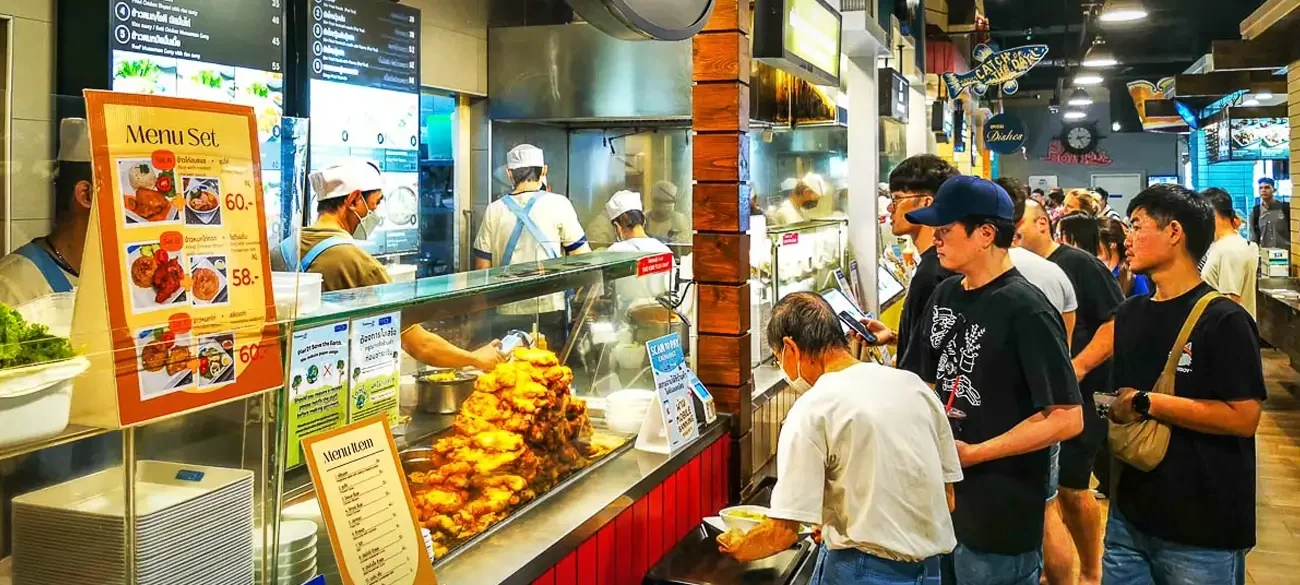
In the evening, shift into your first proper street food exploration. Keep it flexible and let curiosity lead rather than building the night around one famous vendor. Move through a food pocket where there are enough stalls to try a few things lightly — noodles at one stop, grilled skewers at another, then something sweet to finish. Bangkok’s food culture reveals itself best when you eat in motion, following smells, queues, and instinct rather than a pre-planned list.
By the end of night one of your Bangkok food tour, you should already feel the difference between curated visitor dining and the city’s far more natural everyday eating culture. That gap is what the rest of this tour explores in depth.
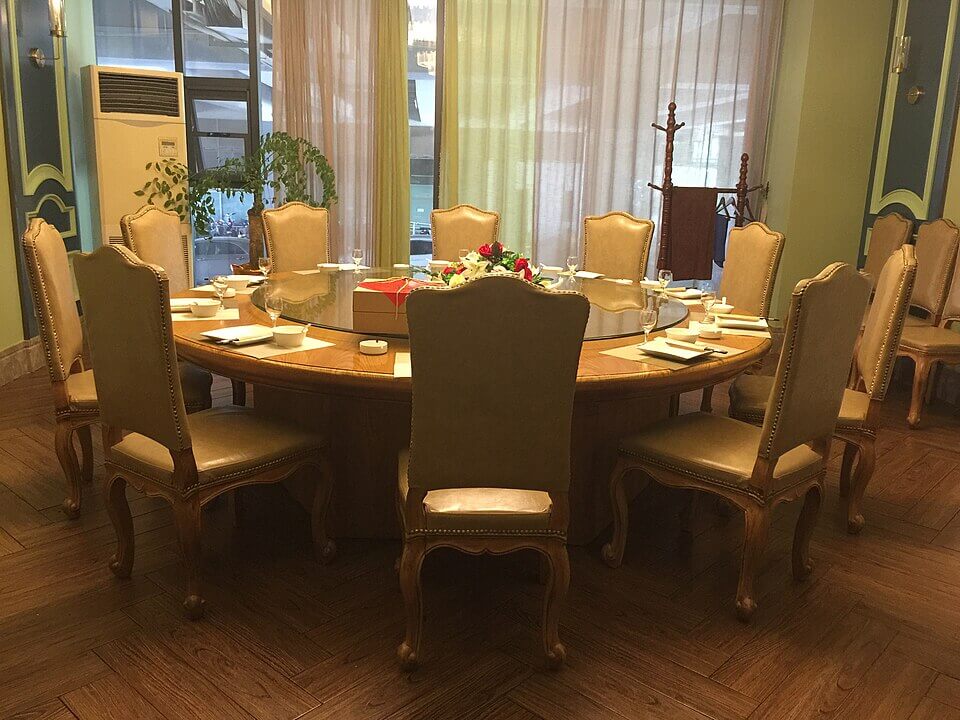
Bangkok food tour: old-school eateries, family favourites and everyday local food
Give day two of the Bangkok food tour to the city’s older food institutions — the long-running restaurants, family-run kitchens, and dependable neighbourhood spots that locals return to over many years. These places rarely need much explanation or branding because their role in the city is already established. They are where recipes stay consistent, regulars know exactly what they’re ordering, and meals feel tied to memory as much as taste.
Instead of one large meal, move through the day by trying a few signature stops in different neighbourhoods. One place might be worth visiting for a particular roast duck, another for a Thai-Chinese stir-fry, another for an old-school soup or rice dish that has been cooked the same way for decades. The Tourism Authority of Thailand identifies Bangkok as one of the world’s leading culinary destinations — but the Bangkok food tour we run focuses on the quiet institutions that tourists rarely reach, not the restaurant names that appear on official lists.
Between meals, spend time in the neighbourhoods that surround these eateries. Walk their side streets, browse local bakeries or snack shops, and notice how naturally food is folded into the city’s daily structure. Great places to eat in Bangkok are rarely separated from ordinary life — they sit beside homes, pharmacies, repair shops, and schools.
By evening, finish somewhere with a little more atmosphere but still rooted in local habit — perhaps a larger shared-table restaurant or a place that feels especially lively with groups and families. Day two of the Bangkok food tour is often the one guests remember most clearly because it is when the city’s food culture starts to feel layered rather than just interesting.
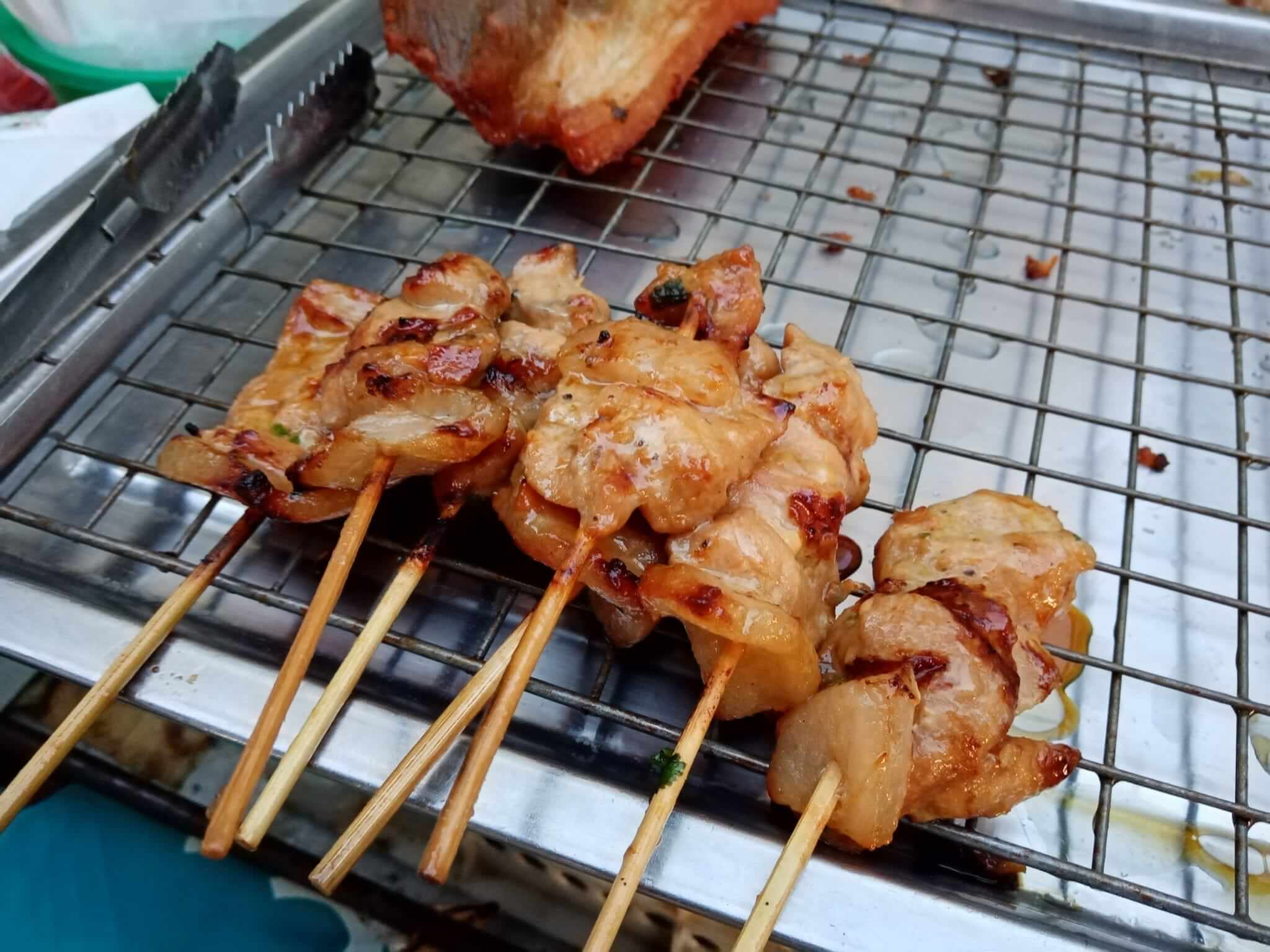
Bangkok food tour: local markets, street food and building your own food route
Start day three of the Bangkok food tour in a local market, where the city’s food system becomes visible in one concentrated space. Morning and daytime markets are some of the best places to understand how ingredients, snacks, prepared dishes, and everyday meals move through the city. You’ll see curry trays set out for takeaway, meat and seafood being prepared, fruit stacked for quick purchases, and countless small stalls built around one or two items done well.
Eat lightly as you go rather than waiting for one formal lunch. A Bangkok food tour market morning works best when you sample naturally — a skewer while walking, a small dessert, a savoury snack, or a simple rice dish eaten standing up or at a plastic table. This style of eating feels immediate and alive, and it reflects how many locals actually move through the city’s food landscape. Bangkok’s food scene has been recognised by the Michelin Guide for over a decade, but the Bangkok food tour we design deliberately avoids the spotlight — most of the best stalls have no stars and no queues of foreign visitors.
Later, build your own route through surrounding streets and nearby food pockets. Let one stop lead to another. Follow signs of quality — steady turnover, local customers, confident cooking, and stalls focused on a narrow menu done right rather than a broad one done averagely.
By the evening, you should have created a day that feels almost like a food crawl, but one grounded in real neighbourhood movement rather than a packaged tour route. That distinction is what separates a Bangkok food tour done well from one that simply moves between famous addresses.
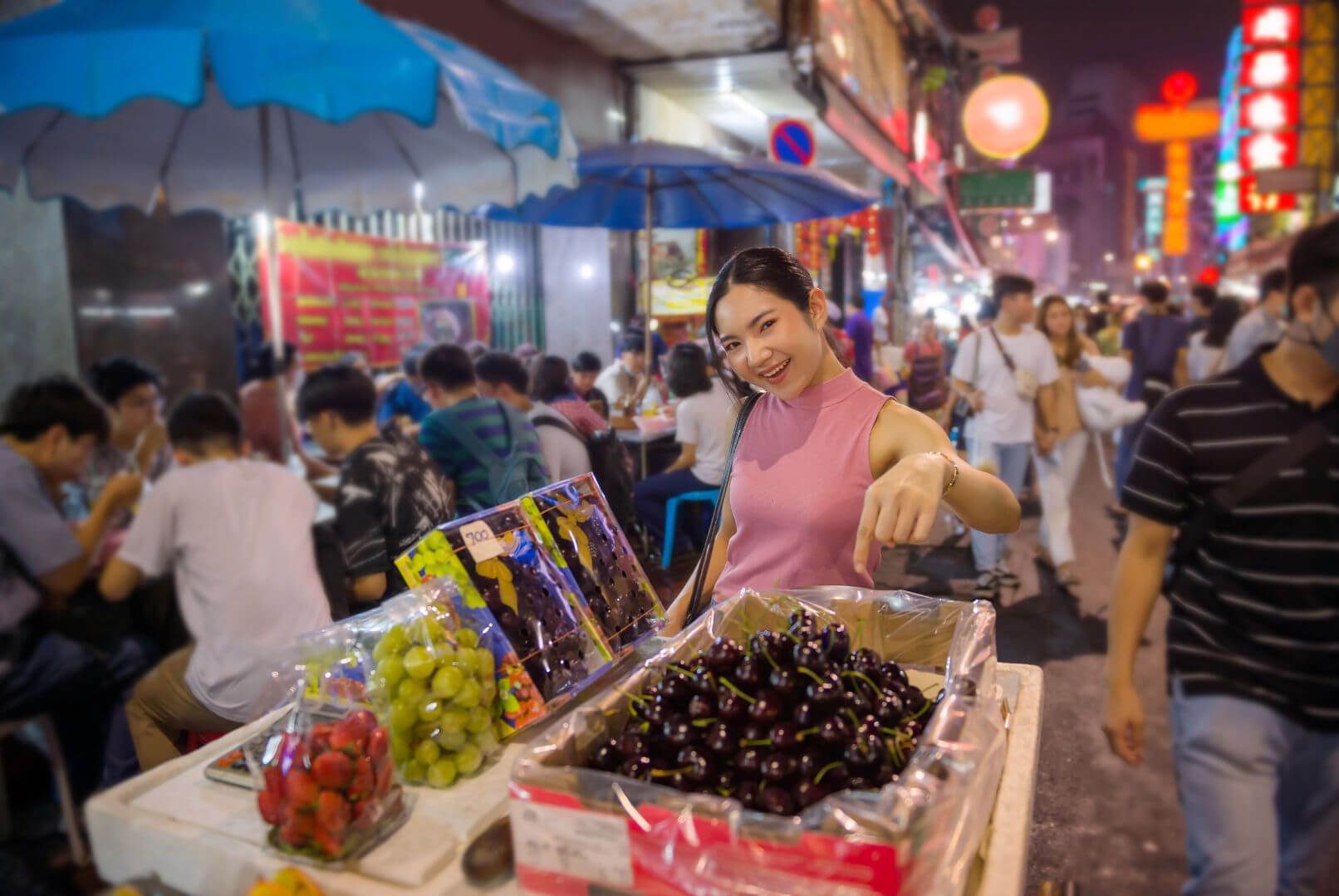
Bangkok food tour: Chinatown, the night food scene and late eats
Dedicate day four of the Bangkok food tour to Chinatown — but approach it with more patience and nuance than most visitors do. Rather than only arriving at peak evening hours and sticking to the loudest stretch of Yaowarat Road, begin earlier and use the quieter part of the day to understand the area’s layers. Walk through side streets, older market lanes, herb shops, gold stores, bakery corners, and smaller eating spots that many people pass without noticing.
During the afternoon, stop for one or two classic dishes in places that feel embedded in the district rather than simply famous online. Chinatown works especially well on a Bangkok food tour when treated as a full food neighbourhood rather than a single night market destination. The deep Thai-Chinese culinary influence — decades of overlap between cuisines, ingredients, and family traditions — becomes much more obvious when you linger and eat across different styles and times of day.
As night arrives, the district changes energy completely. The streets fill out, the lights sharpen, the grills get hotter, and the area becomes one of Bangkok’s most concentrated late-night eating zones. Move between several dishes rather than settling into one stop too early — seafood, noodles, wok dishes, desserts, and small snacks all compete for attention in the best possible way.
Stay out later than usual if you can. Chinatown is one of the few places in Bangkok where late eating feels essential to the atmosphere, and this Bangkok food tour experience becomes more memorable when you allow the night to stretch naturally rather than cutting it short.
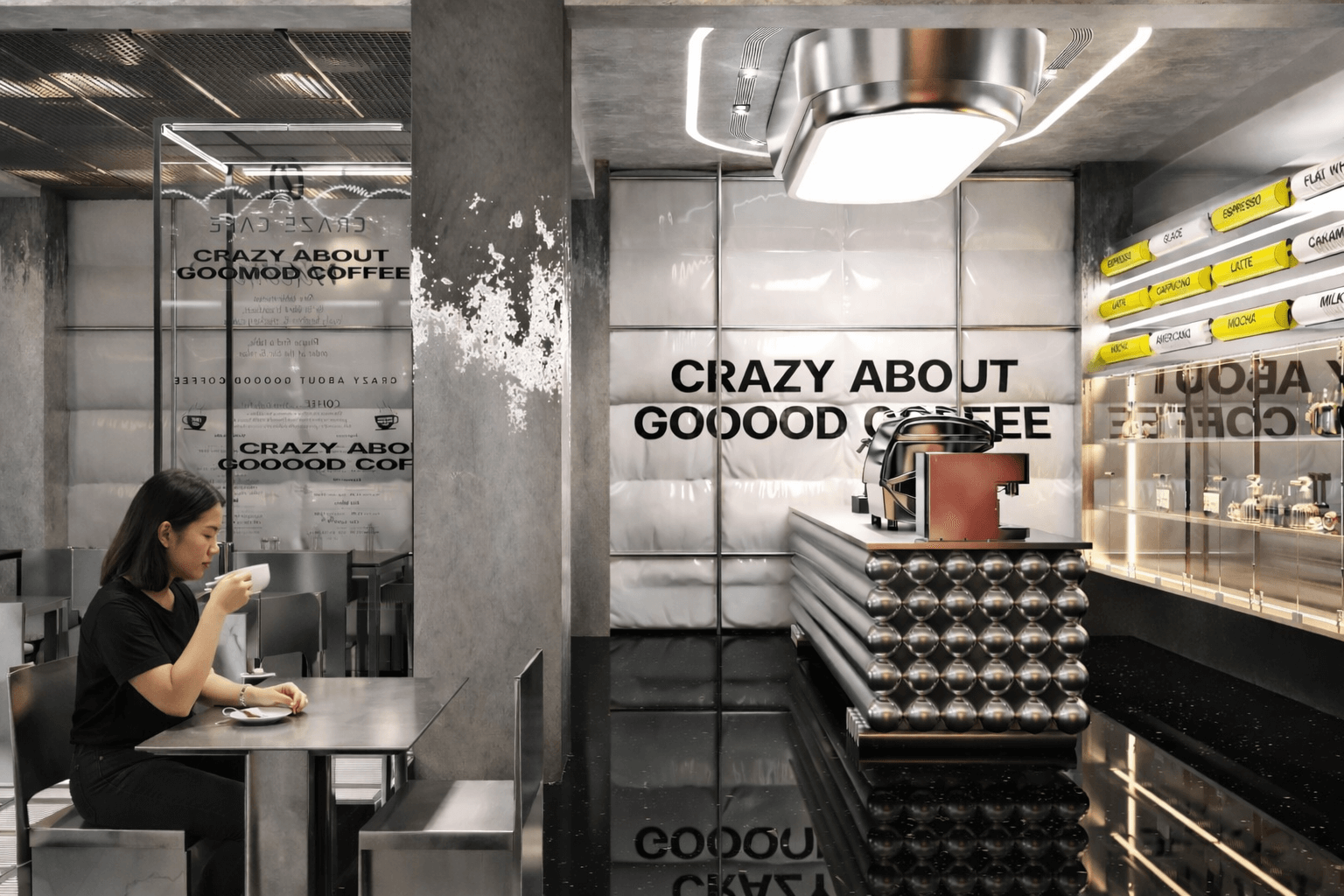
Bangkok food tour: neighbourhood food crawl, cafes and slower eating
After the intensity and movement of earlier food tour days, day five shifts into something more relaxed and neighbourhood-driven. Choose an area outside the most obvious visitor corridors and spend time eating the way many locals do on a normal day — not in a dramatic sequence of “must-try” stops, but through a rhythm of coffee, small meals, snacks, and casual repeat-worthy places that form the backbone of everyday Bangkok life.
Start with a slower breakfast or coffee stop, preferably in a neighbourhood café that feels built for residents rather than destination seekers. Bangkok’s coffee scene has developed significantly in recent years, but the best spots on this Bangkok food tour are still the ones with regulars who arrive at the same time each morning. From there, move into a small food crawl across the surrounding area — perhaps a lunch dish at a simple local restaurant, a snack from a market stall, then another stop later in the afternoon for something sweet or savoury.
What makes day five of the Bangkok food tour strong is contrast. You begin to notice the difference between eating in highly active food districts and eating in ordinary residential areas where the tone is calmer and more repeatable. The meals may be less theatrical, but they are often the ones that show how people actually live with food in the city — and that’s the version of Bangkok most food tours never reach.
If you have time in the late afternoon, this is also a good day for a short break from food entirely — a visit to a quiet temple, a walk along the river, or a look at one of Bangkok’s lesser-known neighbourhoods covered in the Bangkok hidden gems guide. Return to eating in the evening feeling genuinely hungry rather than obligated.
Bangkok food tour: slow breakfast, final food stops and departure
Keep the final day of your Bangkok food tour intentionally light and food-focused in a way that feels reflective rather than rushed. Start with a proper Bangkok breakfast — something simple, comforting, and part of ordinary city life. Rice porridge, noodles, toast and coffee from a local kopitiam, or another familiar morning meal. The important thing is that it feels calm and rooted in routine, not like a frantic final checklist stop.
If time allows before departure, use the late morning to return to a place that stood out earlier in the Bangkok food tour, or to try one final stop you noticed but never made time for. These last small decisions often become some of the most satisfying because they feel personal rather than scheduled — a return visit to a stall you liked, or finally trying a dish you walked past twice.
Practical note: if you’re heading to the airport and want to make the most of your remaining baht, the Thailand ATM guide and Bangkok money exchange guide cover how to manage currency efficiently before you leave. And if the Bangkok food tour has sparked an interest in exploring further — the northern Thailand private tour page covers what comes next for those heading to Chiang Mai, Nan, or beyond.
Leave for the airport with the feeling that you experienced Bangkok through one of its strongest and most authentic dimensions — not just isolated “best dishes,” but neighbourhoods, habits, timing, and the layered food culture that makes this Bangkok food tour genuinely different from anything you’ll find through a standard travel agent.
The Full Package
What’s included in the Bangkok food tour
Everything is arranged so you can focus entirely on the food and the experience. No logistics, no planning friction.
Who Designs Your Bangkok Food Tour
A Bangkok food tour designed by someone who grew up eating this way

Every Bangkok food tour I build comes from personal experience
I was born in Thailand and grew up eating the way this Bangkok food tour is designed — moving between street stalls, family restaurants, and neighborhood kitchens that most visitors walk straight past. The food spots I include are not from research or round-ups. They’re places I have eaten at personally, returned to many times, and genuinely recommend to people I care about.
Bangkok’s food culture is one of the things I’m most proud of about the city. The depth of it — the Thai-Chinese overlap, the regional dishes that have made their way into street stalls, the vendors who have been doing the same thing for forty years — doesn’t show itself easily to visitors who follow standard guides. A Bangkok food tour that reaches those layers requires someone who already knows where they are.
When you message us about a Bangkok food tour, you’re speaking directly with the person who will design it. That’s not a marketing line — it’s genuinely how Off Path Thailand operates.
Thaewan Founder, Off Path Thailand · Read the full story →Message us directly about your Bangkok food tour
If you already have an idea of your trip, send us a message and we’ll guide you through the best options for your travel style, dietary preferences, and dates.
Chat on WhatsAppCommon Questions
Bangkok food tour FAQ
Your Bangkok food tour starts here