
Off Path Bangkok
Bangkok Hidden Gems Itinerary:
Slow, Local & Off the Beaten Path
3–6 days exploring authentic neighbourhoods, canal routes, local markets, and the Bangkok most visitors never find.
The Itinerary
A different side of Bangkok
This Bangkok itinerary is built for travellers who want to see a different side of the city — besides the usual cliché stops and polished landmarks.
Instead of the usual tourist trail, the focus here is on authentic Bangkok neighbourhoods, genuine local spots, and places that aren’t designed for visitors. The kind of Bangkok where regular people are just going about their day, where food is made for locals, and where nothing feels staged or curated for show.
It’s also the side of Bangkok I grew up with — before certain areas became crowded and overdeveloped. Life was slower, the streets felt more lived-in, and many of these places were simply part of daily life rather than destinations.
You’ll move through unknown corners of the city — local markets, lesser-known temples, backstreet food corners, and neighbourhoods that still carry that original character. It’s a way to experience the real Bangkok — quieter, less crowded, and closer to how the city actually was.
Design Your Bangkok Trip
This itinerary is a starting point. Tell us your dates and travel style — we’ll build something around you.
Start PlanningWe reply within 24 hours. No fixed tours, no group itineraries.
Who This Trip Suits
Good For
The Itinerary
Bangkok Hidden Gems — Day by Day
A flexible 3–6 day framework. Every element can be adjusted around your pace, interests, and the version of Bangkok you want to experience.
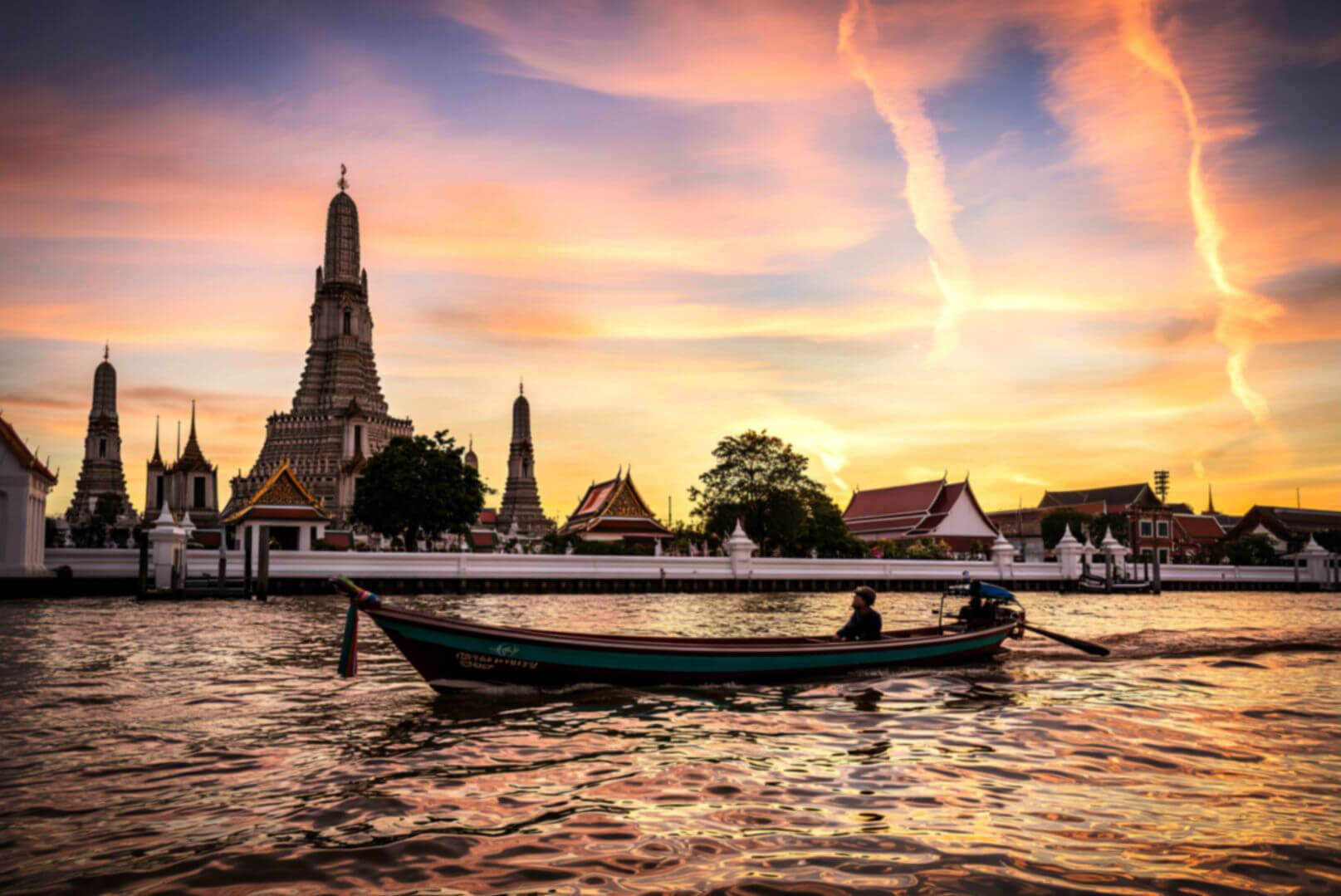
Arrival → Riverside Orientation → Bangkok at Dusk
Arrive in Bangkok and settle somewhere near the Chao Phraya, where the city feels more breathable and visually dramatic than the usual hotel-heavy corridors. Rather than forcing too much into your first day, use the river as your introduction — take a local boat in the late afternoon and let the skyline, temple spires, old trading buildings, and ferry piers give you a first sense of the city’s scale.
As evening arrives, ease into one of the nearby local quarters for dinner. Think simple noodle shops, grilled meats, old shophouse streets, and small riverside pockets that feel lived-in rather than performed for visitors. This first evening should feel grounding rather than ambitious — a soft landing into Bangkok, with enough atmosphere to make the city feel exciting without becoming exhausting.
If energy allows, finish with a slow waterfront walk or a relaxed drink overlooking the river. The goal is not to “complete” anything yet, but to begin your trip with a version of Bangkok that feels elegant, cinematic, and calm.
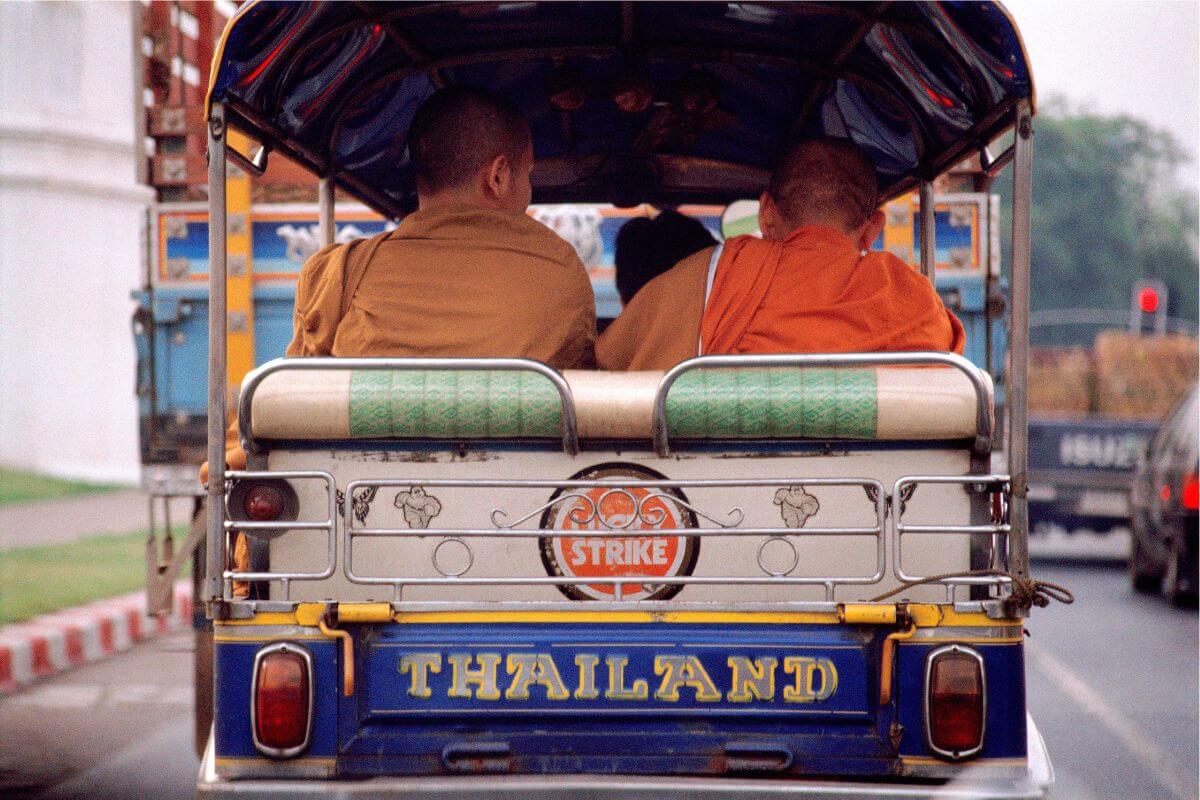
Everyday Temples → Historic Lanes → A Slower Old Bangkok
Start the morning with smaller neighbourhood temples rather than major headline sights. These are the places where monks sweep courtyards, local families stop in briefly, and daily life quietly continues in the background. It’s a much more intimate way to experience Bangkok’s spiritual side than jumping straight into the busiest attractions.
From there, continue through older lanes and residential backstreets where Bangkok feels textured and human — faded shutters, tiny shrines, local snack stalls, repair shops, and homes folded into the city’s historic core. This is where you begin to understand the city beyond its shopping malls and rooftop bars.
Pause for lunch somewhere that feels unpretentious and genuinely local, then keep the afternoon loose. A few hours spent wandering slowly through older districts often creates a stronger memory than trying to squeeze in too many “must-sees.” Today is about atmosphere, not checklist tourism.
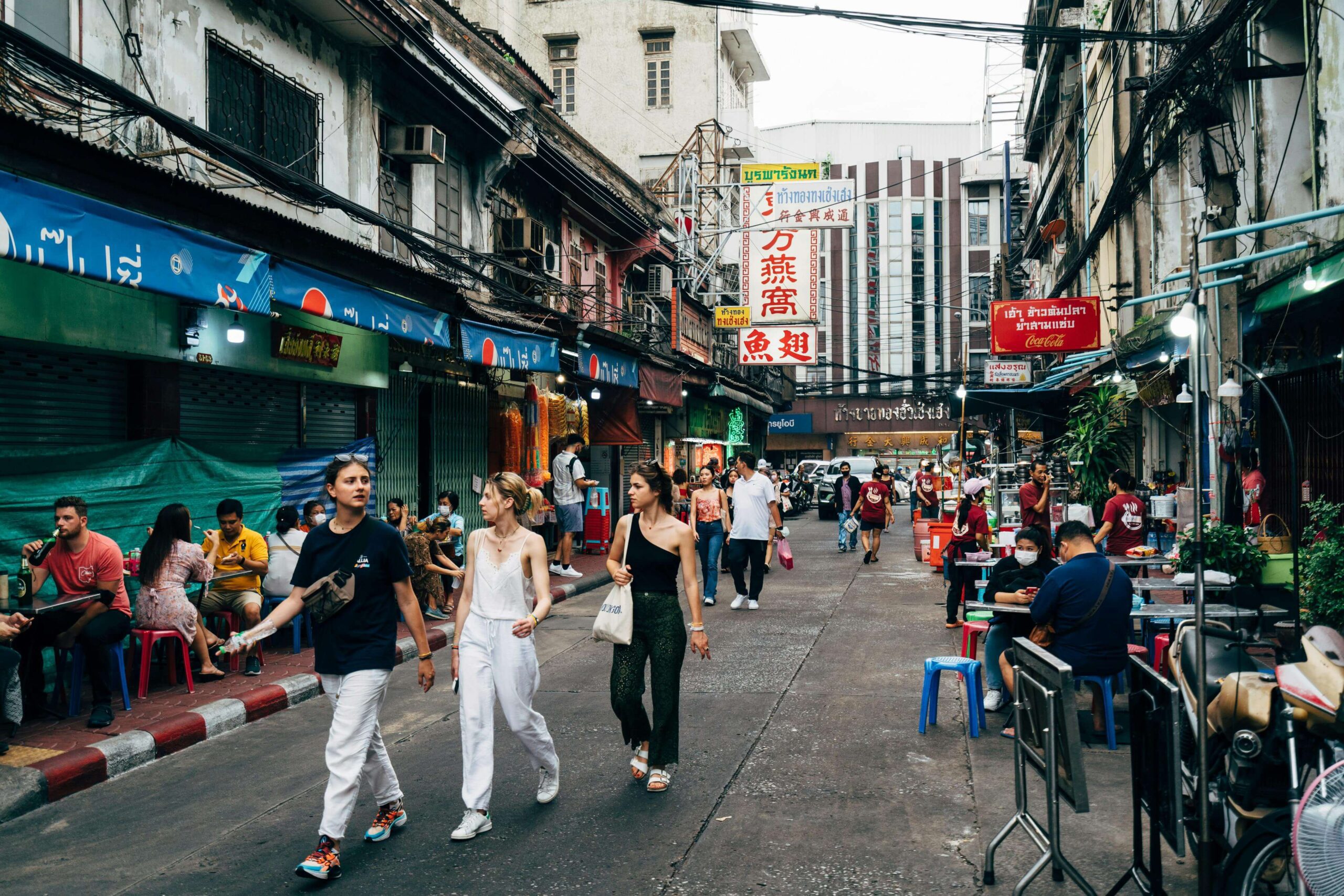
Market Morning → Street Food Trail → Bangkok Through Taste
Give this day to food properly. Start at a real local market in the morning, where produce, herbs, curry pastes, grilled skewers, soups, desserts, and ready-made dishes all reveal a side of Bangkok that is practical, fast-moving, and deeply everyday. Even before you eat, these markets teach you how the city functions.
Around midday, begin building a loose eating route rather than sitting down for one formal meal. Move between a few different places and eat lightly at each — a bowl of noodles in one neighbourhood, grilled pork skewers in another, maybe som tam, fried rice, or a sweet Thai dessert somewhere further on. This layered way of eating feels far more authentic than sticking to one polished restaurant.
By evening, lean into a busier local food pocket where the energy rises and the flavours become part of the experience. Bangkok is one of the world’s great food cities, and this day should make that feel obvious — not through hype, but through repetition, variety, and the confidence of places that exist for locals first.
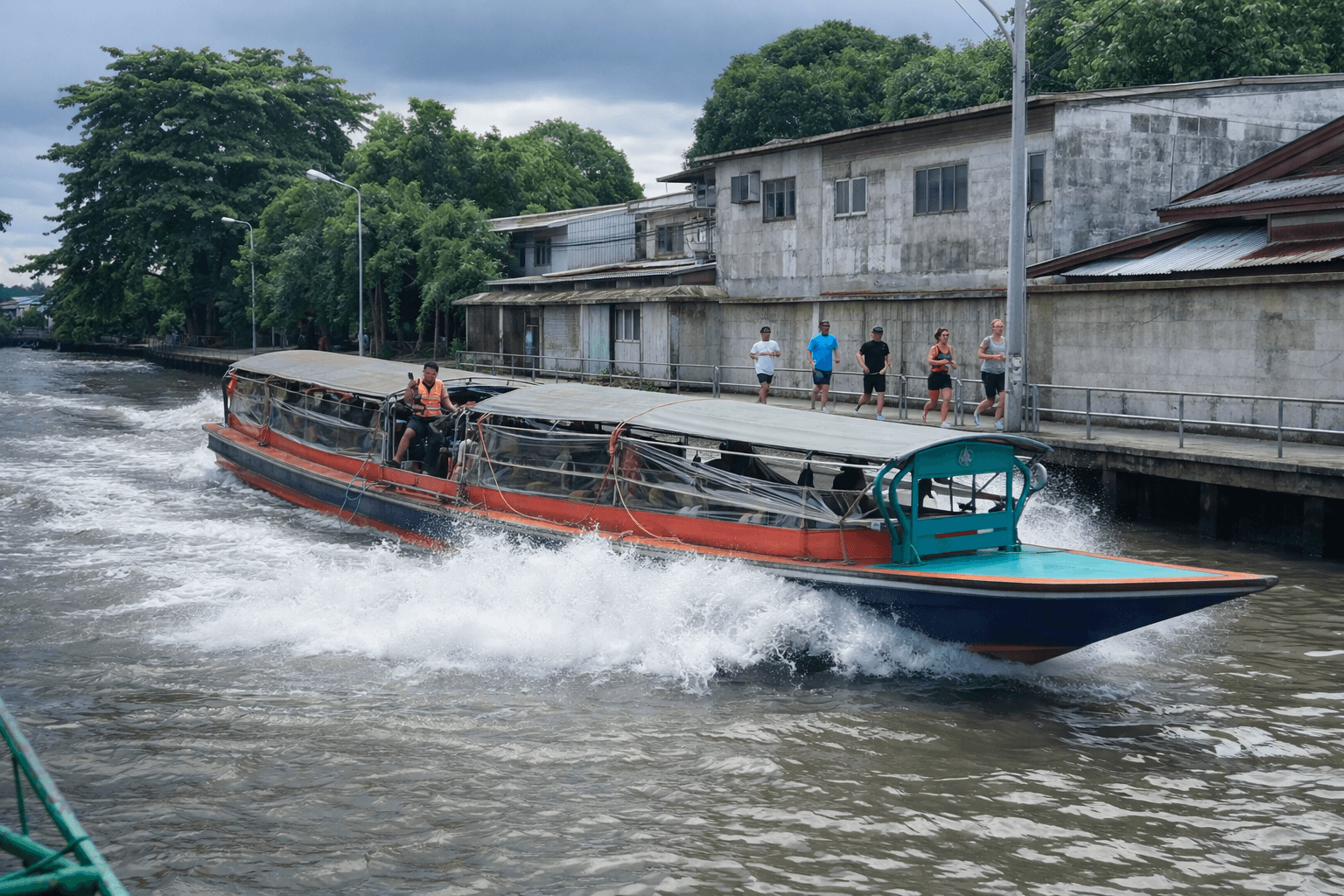
Canal Routes → Water-Edge Life → Hidden City Connections
Today shifts away from the obvious version of Bangkok and into the city’s canal-side reality. Follow khlong walkways, local piers, and lesser-known routes where homes, workshops, tiny shops, and practical daily movement all happen beside the water. This side of the city often feels surprisingly intimate despite Bangkok’s scale.
Use local boats where it makes sense — not just as transport but as part of the experience. The canals reveal a Bangkok that feels less curated and more functional — less about spectacle, more about how people actually live. It’s one of the clearest reminders that the city is still shaped by water, even if many visitors never notice it.
Build in pauses along the way: a quiet coffee, a shaded local lunch, a few moments just watching movement on the water. This day should feel exploratory, slightly hidden, and distinctly different from the Bangkok most travellers leave with.
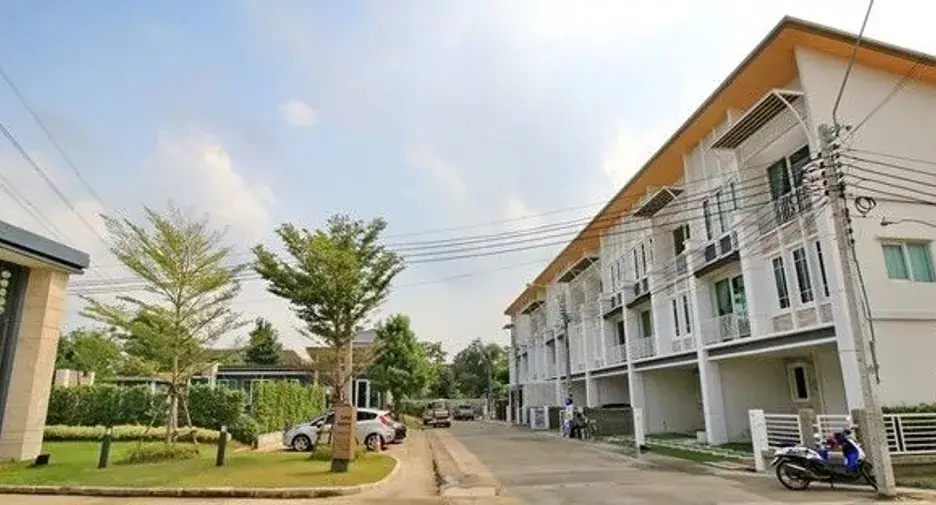
Residential Bangkok → Cafes → The City Beyond Visitor Zones
Spend the day in neighbourhoods that sit well outside the usual tourist orbit — areas where Bangkok feels most natural, most relaxed, and often most interesting. Residential districts like Ladprao, Pattanakarn, or similar local zones reveal a version of the city built around daily life rather than short-stay consumption.
Walk through side streets, browse small businesses, stop into understated local cafes, and let the day develop slowly. The pleasure here comes from noticing the tone of the neighbourhoods: school traffic in the morning, quiet pockets in the afternoon, local diners filling up in the evening, and the subtle rhythm of a city not performing for outsiders.
This is often the day that changes how people think about Bangkok. It stops feeling like a place of isolated attractions and starts feeling like a place with depth, texture, and neighbourhoods you can actually imagine returning to.
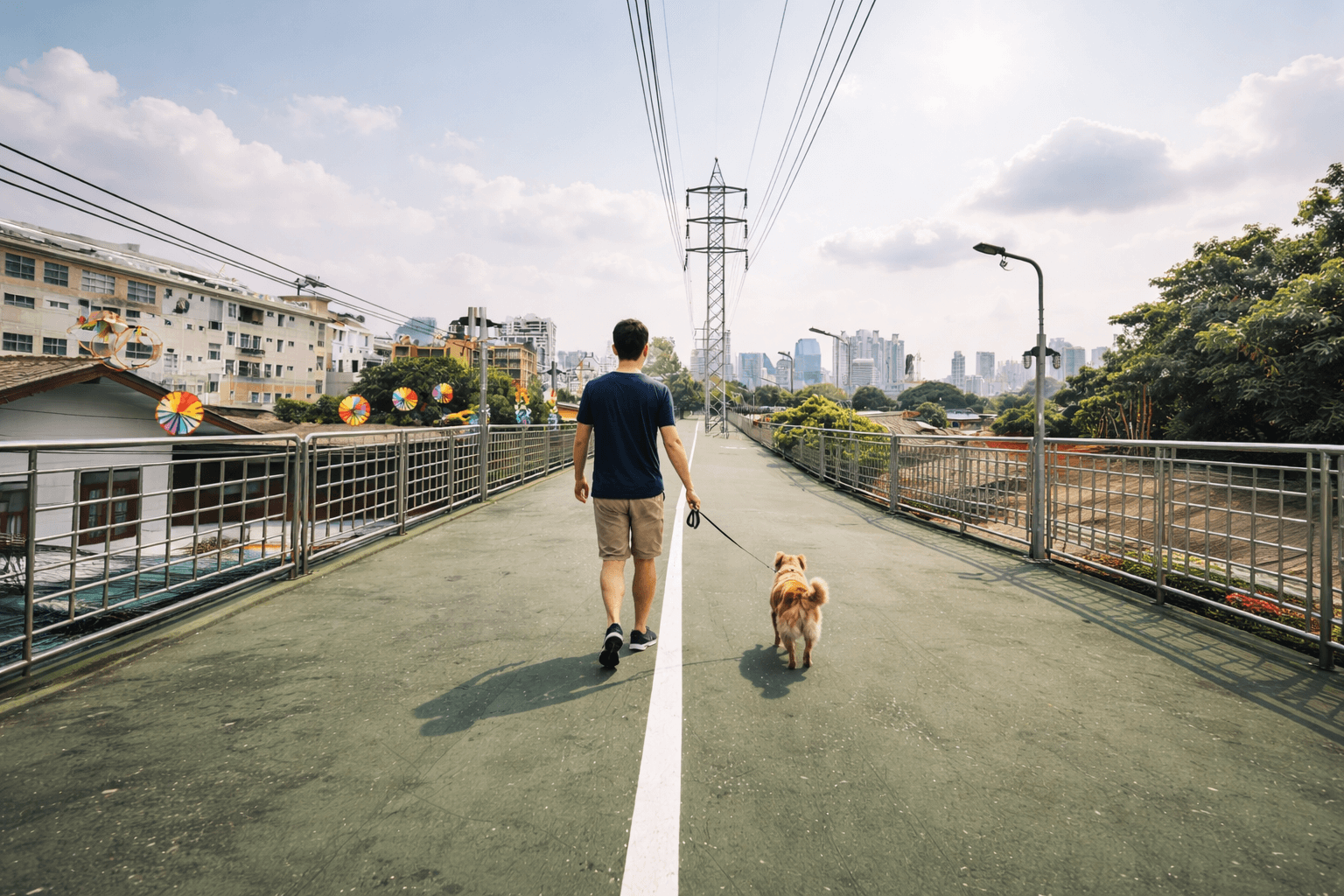
Quiet Morning → Final Wandering → Departure
Keep your last morning intentionally light. Return to a place that felt especially good during the trip — perhaps a calm riverside stretch, a neighbourhood cafe, a shaded walkway, or a market lane you want to see one more time without pressure. Let the final hours feel reflective rather than rushed.
A slow final walk works well here: one last look at the texture of the streets, the sounds of the city waking up, and the little details that get missed when you’re moving too fast. Bangkok rewards repeat attention, and this final stretch helps the trip settle into something more memorable than a string of activities.
Leave for the airport or your next destination with the sense that you experienced a more layered version of the city — not just famous sights, but everyday life, hidden routes, local food culture, and the softer, more livable side of Bangkok that most itineraries never manage to capture.
The Full Package
What’s Included
Everything is arranged so you can focus entirely on the experience.
Message Us Directly on WhatsApp
If you already have an idea of your trip, send us a message — we’ll guide you through the best options for your travel style and dates.
Chat on WhatsAppCommon Questions
Bangkok Itinerary FAQ
Your trip starts here