
Last Updated: September 20, 2026
(Important updates on Cambodia – Thailand border situation)
Thailand Safety Rating 2026: Is Thailand Safe to Travel?
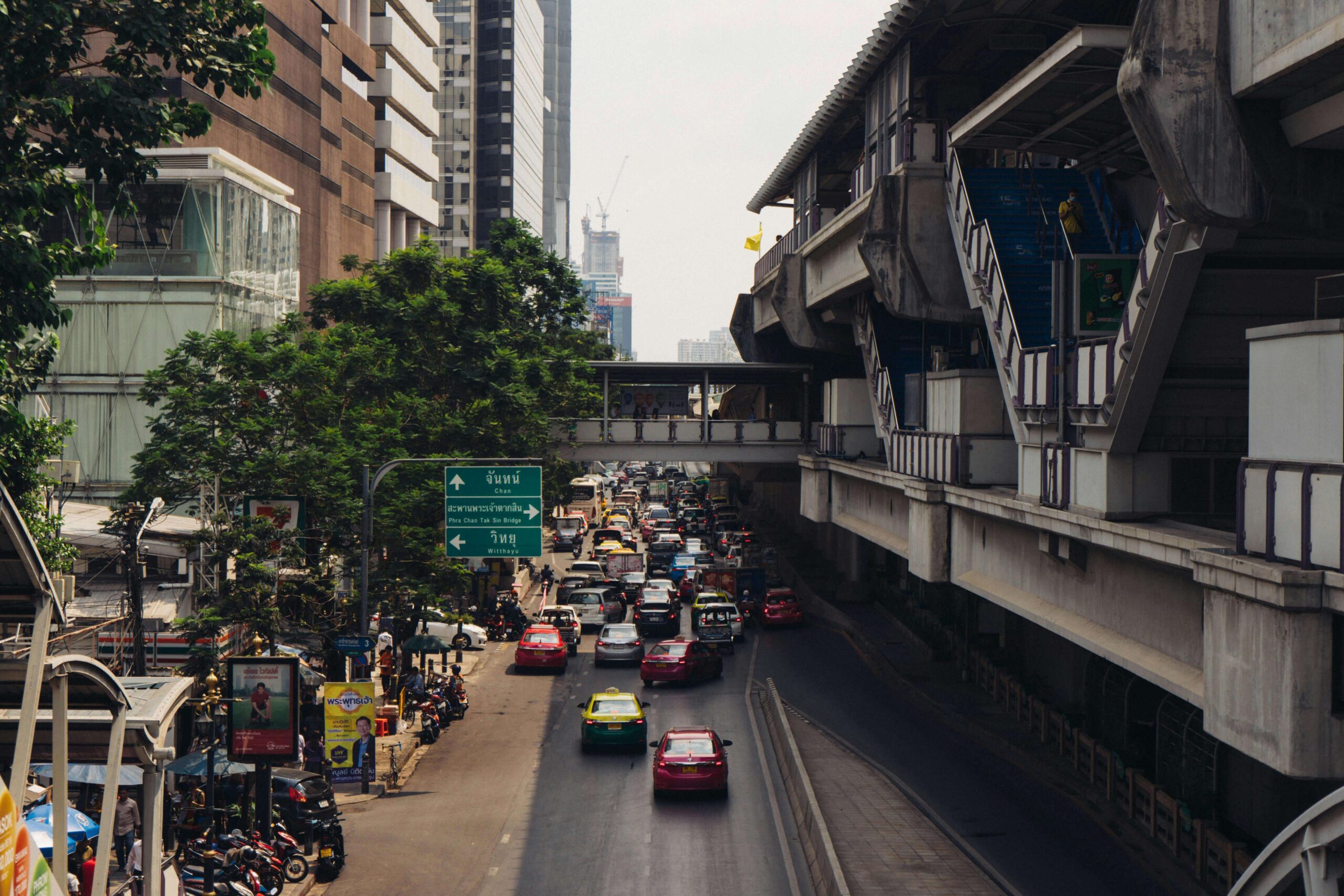
Thailand safety rating in 2026 remains strong for the vast majority of travelers, particularly on established routes through Bangkok, Chiang Mai, the islands, and calmer coastal towns. Thailand is generally safe to travel — the real-world risks that actually affect visitors are road safety, petty scams, nightlife decisions, seasonal air quality, and staying current on the one genuine exception right now: the Thailand-Cambodia border, where a Do Not Travel advisory is in place within 50km of the border line. Understanding Thailand’s safety rating by destination is more useful than a single headline number.
Planning a trip to Thailand?
Message us directly on WhatsApp
We build fully private Thailand itineraries around calmer, more rewarding destinations — no group tours, no generic packages. Tell us your dates and we’ll take it from there.
Chat on WhatsAppThailand Safety Rating 2026: TL;DR
- Thailand’s safety rating is strong for most travelers, especially on normal routes such as Bangkok, Chiang Mai, islands, and calmer coastal towns.
- Thailand ranked 8th globally as one of the safest countries for solo female travelers in a 2025 survey by Everly Life Insurance.
- The main real-world risks are road safety, petty scams, nightlife mistakes, seasonal weather, and misunderstanding local rules — not consistent serious crime.
- Pattaya and nightlife-heavy districts need more awareness than quieter destinations.
- The deep south is best avoided for leisure travel. As of 2026, areas within 50km of the Cambodia border carry a Do Not Travel advisory due to ongoing military tensions and a fragile ceasefire — this does not affect Bangkok, Chiang Mai, islands, or any other standard route.
- Off Path travel in Thailand often feels easier, calmer, and lower-friction than tourist-heavy areas.
Thailand safety rating is generally very safe for most travelers, especially on mainstream and quieter slow-travel routes. The realistic day-to-day concerns are road safety, petty scams, nightlife decisions, seasonal disruptions, and misunderstanding local rules — not constant danger or high crime. The one clear exception is the Cambodia border zone (within 50km), currently under a Do Not Travel advisory, which sits well outside any normal itinerary.
Thailand Safety Rating: Quick Answer
For most visitors, yes — Thailand’s safety rating makes it a manageable destination in 2026 when approached with normal awareness. Bangkok, Chiang Mai, most islands, relaxed coastal towns, and many Off Path destinations remain straightforward places to travel. The main exceptions are the deep southern border provinces and the Thailand-Cambodia border zone, which deserve a clearly different level of caution than the rest of the country.
Thailand ranked 8th safest country for solo female travelers in a 2025 global survey by Everly Life Insurance (reported by the New York Post and the Royal Thai Embassy). The ranking was based on homicide rates, nighttime safety, and attitudes toward violence against women. You can read the official summary here: Thailand Ranked 8th Safest for Single Women Travelers.
The Tourism Authority of Thailand provides updated destination guidance, but the most practical picture comes from combining official sources with genuine on-the-ground experience across different route types.
Bangkok, Chiang Mai, islands, calm coastal towns
These are the routes most travelers actually use, and they are manageable with normal urban and travel awareness. Thailand safety rating here is strong.
Nightlife zones, scooters, crowded tourist pockets
Petty scams, transport issues, drink safety, and traffic risk matter more here than serious crime. Thailand safety rating drops a notch in these contexts.
Deep south insurgency-affected areas and the Cambodia border zone (within 50km)
These are not typical slow-travel or Off Path leisure destinations and do not need to be part of a standard itinerary.
Thailand Safety Rating at a Glance
Thailand continues to be one of the easier countries in Asia for independent travel. It has strong tourism infrastructure, a long-established hospitality economy, good private medical care in major cities, and many destinations that feel calm rather than intense. Most visitors who stay aware, move at a sensible pace, and avoid obvious high-friction situations have a smooth trip with a Thailand safety rating experience that matches the headline numbers.
For Off Path Thailand readers, that matters especially. The kinds of places this site naturally leans toward — quieter neighborhoods, smaller towns, hidden-gem islands, slower northern routes, and experience-led travel days — are usually lower-friction than heavy nightlife districts or rushed party itineraries. Choosing a calmer route is itself a form of safety planning.
| Topic | Quick view | What travelers should know |
|---|---|---|
| Violent crime | Low for most tourists | Thailand’s more common travel issues are scams, nightlife mistakes, and road accidents rather than random serious crime. |
| Petty crime | Manageable | Mostly relevant in crowded tourist zones, entertainment areas, and on transport if valuables are left exposed. |
| Road safety | Main practical risk | Scooters, motorcycles, night driving, and rushed transfers deserve more caution than the average traveler gives them. |
| Scams | Common but avoidable | Taxi issues, inflated transport, nightlife overcharging, and rental disputes are more realistic than dramatic danger. |
| Deep south border provinces | Best avoided | These areas are not part of typical leisure routes and are easy to leave out of a calm Thailand itinerary. |
| Cambodia border areas (within 50km) | Do Not Travel | A Level 4 Do Not Travel advisory is in place due to ongoing military tensions and a fragile ceasefire. Land border crossings are closed. This does not affect Bangkok, Chiang Mai, islands, or other standard routes. |
Personal Experience: Growing Up and Traveling in Thailand
I grew up in Bangkok and have never felt unsafe here, or in any other part of Thailand for that matter. As a child I regularly made my way home from school on my own without any sense of risk. In my early twenties, when I started exploring Bangkok’s nightlife, I would often head home at all hours — sometimes as late as 4 a.m. — and never felt uncertain or threatened.
I have traveled extensively across the country and have not encountered personal safety issues, nor have close friends, family members, or people I know shared stories of serious problems. Foreign women I know who have lived and worked in places such as Nakhon Si Thammarat or Singburi have routinely taken long-distance taxis home alone from the airport, sometimes chatting comfortably with drivers along the way, without incident.
Bangkok feels consistently safe to me, including in nightlife areas when normal awareness is applied. Chiang Mai stands out even more in this regard — the strong Buddhist culture and the generally calm character of Lanna communities contribute to an atmosphere that feels particularly low-friction and welcoming.
The deep south and, more recently, the immediate Cambodia border zone are the clear exceptions to this. These areas sit well outside normal leisure itineraries, and I would not recommend anyone build a trip around them right now. For the routes most travelers actually use, Thailand remains a place where careful, ordinary awareness is usually enough.
Thailand Safety Rating: Risk Breakdown by Category
This breakdown reflects real-world traveler experience on Off Path Thailand routes. Scores are relative to other popular tourist destinations in Southeast Asia — a 9/10 here means Thailand performs very well in that category compared to regional peers, not that zero risk exists.
Thailand Safety Rating by Region: Cities and Areas Explained
Thailand’s safety rating varies by destination — the clearest way to plan around it is not a single label for the whole country, but a realistic picture of which areas are straightforward, which need more awareness, and which are simply not worth including in a normal leisure itinerary.
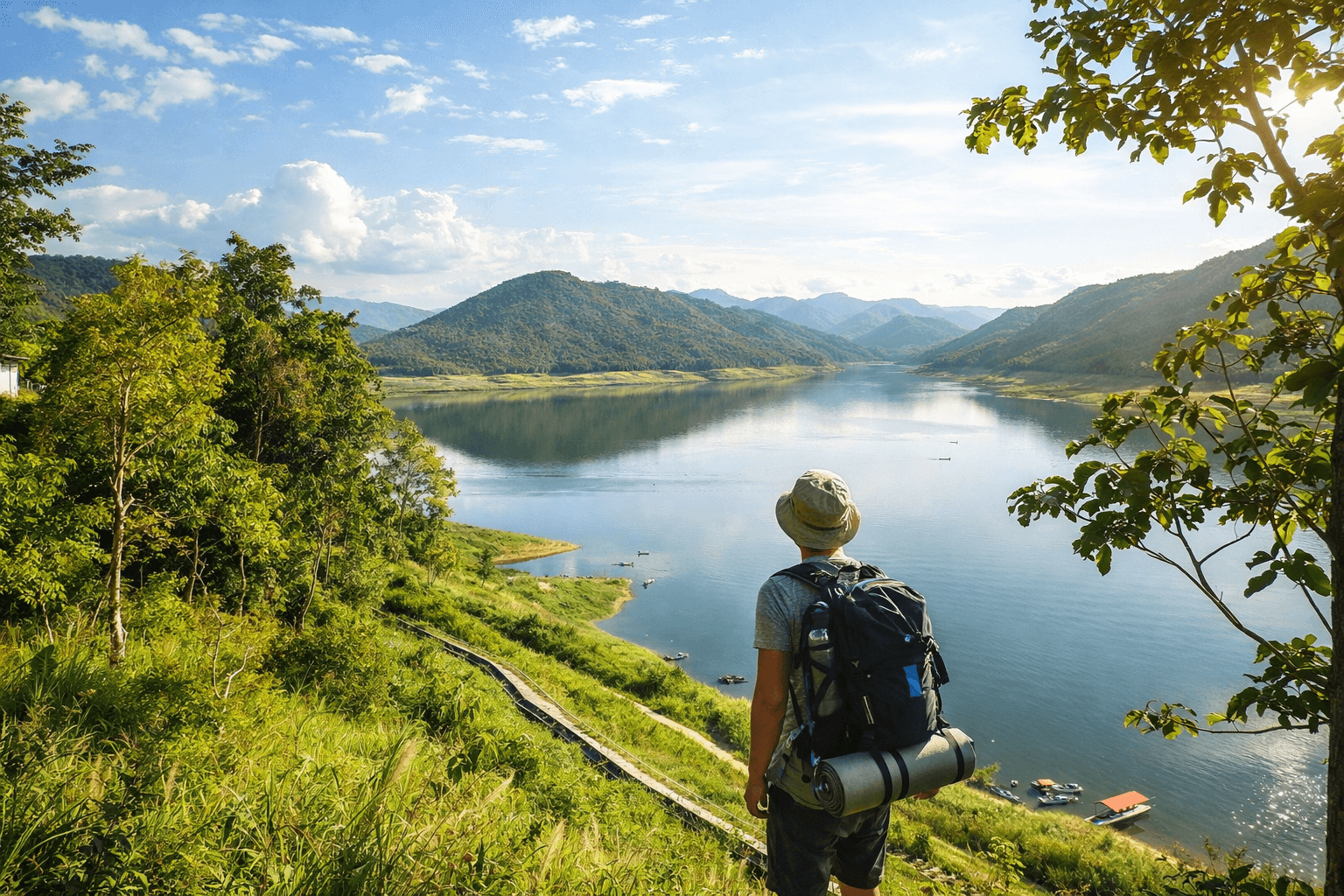
Bangkok
Very SafeNormal big-city awareness applies. Petty scams exist in tourist pockets but day-to-day exploration is very manageable. Thailand safety rating here is strong. View Bangkok map
Chiang Mai
Very SafeOne of the calmest major bases in Southeast Asia. Road safety and seasonal air quality matter more than crime for most visitors. View Chiang Mai map
Phuket / Koh Samui / Islands
Generally SafeFerry timing, scooter use, and nightlife choices are the bigger variables. Established tourism infrastructure makes Thailand safety rating here solid overall. View Phuket map
Hua Hin / Pranburi
Very SafeRelaxed, lower-friction coastal travel. Ideal for slower pacing and easy self-directed travel with a high Thailand safety rating. View Hua Hin / Pranburi map
Pattaya
Use AwarenessSafe overall but nightlife districts bring more petty scams, drink issues, and opportunistic theft than quieter destinations. View Pattaya map
Chiang Dao / Nan / Kanchanaburi / Ayutthaya
Very SafeLower-profile destinations with a high Thailand safety rating. Road awareness and sensible pacing matter more than security concerns. View Nan map
Deep South (Yala / Pattani / Narathiwat)
AvoidThese border areas fall outside normal leisure travel and the standard Thailand safety rating does not apply here. Skip entirely. View Pattani map
Cambodia Border Areas (within 50km)
Do Not TravelA Level 4 Do Not Travel advisory is in place due to ongoing military tensions, with reports of civilian casualties in border districts. Land crossings remain closed; flights between Thailand and Cambodia operate normally. View Cambodia border map
| Area | Safety level | What to expect | Best practical advice |
|---|---|---|---|
| Bangkok | Generally very safe | Normal big-city awareness applies. Petty scams exist in tourist pockets, but day-to-day exploration is straightforward. | Use Grab or clear taxi terms, watch road crossings, and avoid protest sites if they arise. See our Bangkok transportation guide for getting around safely. |
| Chiang Mai | Very safe | One of the calmest major bases in the region. Crime is rarely the main issue; road safety and air quality matter more. | Take scooter decisions seriously and plan around burning season if sensitive to smoke. |
| Phuket / Koh Samui / Koh Lanta / Koh Kood | Generally safe | Established tourism infrastructure, with ferry timing, scooter use, and nightlife choices being the bigger variables. | Choose reliable boat operators, wear helmets, and avoid rushed transfers in bad weather. |
| Hua Hin / Pranburi | Very safe | Relaxed, lower-friction coastal travel with little reason for concern beyond normal transport awareness. | Ideal for slower pacing and easy self-directed travel. |
| Pattaya | Use extra awareness | Safe overall, but nightlife districts bring more petty scams, drink issues, and opportunistic theft than quieter destinations. | Stay measured in entertainment areas and use more street-smarts than you would in a calm resort town. |
| Chiang Dao / Nan / Kanchanaburi / Ayutthaya / Khao Yai | Very safe | These lower-profile destinations align well with slower travel and generally feel easy to navigate. | Road awareness and sensible pacing matter more than security concerns. See the Ayutthaya day trip guide for a calm approach. |
| Yala / Pattani / Narathiwat / parts of Songkhla | Best avoided for leisure travel | These southern border areas sit outside the risk profile of normal Thailand itineraries. | Skip them entirely unless you have a specific reason and current local guidance. |
| Cambodia border areas (within 50km) | Do Not Travel | Ongoing military tensions and a fragile ceasefire mean this narrow border strip carries a Level 4 Do Not Travel advisory. Land crossings are closed. | Avoid entirely; if you’re visiting eastern Thailand, stay well clear of the immediate border and monitor embassy alerts. |
Bangkok
Bangkok’s Thailand safety rating is very strong for everyday travel, including the kind of local exploration that usually rewards patient travelers most. The city’s real friction points are practical: road safety, crowded tourist pockets, occasional scams in obvious visitor zones, and — from time to time — political gatherings best avoided rather than observed. For getting around efficiently and safely, our Bangkok transportation guide covers the options that work best. If your trip leans toward neighborhoods, markets, and slower routes, Bangkok’s Thailand safety rating experience is usually much better than first-time visitors expect. Start with our Off the Beaten Path Bangkok guide for a calmer approach to the capital.
Chiang Mai
Chiang Mai’s Thailand safety rating remains one of the strongest of any major city in Southeast Asia for independent travelers. It suits slow travel extremely well. The main caution points are road safety — especially for inexperienced scooter renters — and seasonal air quality during the smoky period from February to April. Day-to-day personal safety is rarely what defines the experience here. For timing your visit around air quality, see the Chiang Mai rainy season guide. For a quieter approach to the city, see Chiang Mai Hidden Gems 2026.
Islands and calmer coastal travel
Most island and beach trips carry a solid Thailand safety rating when expectations stay grounded. Ferry timing, weather conditions, scooter use, and nightlife choices affect comfort and risk more than security concerns. Quieter islands and slower coastal towns are often the easiest places in Thailand to relax into a trip. For ideas beyond the main tourist islands, browse Hidden Gem Islands in Thailand and our South Thailand Itinerary.
Off Path northern and inland destinations
Destinations such as Chiang Dao, Nan, Khao Yai, Kanchanaburi, and Ayutthaya carry an excellent Thailand safety rating for slower and more meaningful travel. These places are generally low-profile and low-friction. The practical variables are road quality, long drives, heat, weather, and pacing — not a day-to-day sense of insecurity. See the Northern Thailand Itinerary for how these destinations connect into a coherent route, or browse all Thailand destinations for the full picture.
Thailand Safety Rating Near Borders: What Travelers Should Know
Border advice is where Thailand safety rating pages often become either too vague or too dramatic. The clearer view: most travelers do not need to go near the sensitive sections at all. Standard routes through Bangkok, Chiang Mai, central Thailand, island trips, and most well-known Off Path destinations remain completely unaffected by border conditions.
Cambodia border
In practice, this affects a narrow strip of territory, not the country as a whole. Bangkok, Chiang Mai, the islands, and virtually every mainstream or Off Path route on this site sit well outside the exclusion zone and remain unaffected. Land border crossings between Thailand and Cambodia are currently closed, though flights between the two countries (including Bangkok-Phnom Penh and Bangkok-Siem Reap) continue to operate normally.
If you have any reason to be near the eastern border, follow these steps:
- Avoid all non-essential travel within 50km of the Thailand-Cambodia border
- Strictly follow any instructions from local military or security personnel if you are in or near the region
- Monitor local news and official embassy channels for sudden closures or safety alerts
- Enroll in the free Smart Traveler Enrollment Program (STEP) if you’re a US citizen, so you receive real-time security alerts directly from the embassy
For the latest official guidance, check the US State Department Cambodia Travel Advisory, the UK FCO, or Smartraveller before planning anything near this border, since conditions can shift with little notice.
Myanmar border
For most visitors, the Myanmar border is also easy to handle sensibly: avoid remote crossings, avoid improvised border-area side trips, and stick to normal roads and established destinations on the Thai side. Popular northern routes and mainstream travel corridors are not the same thing as venturing into remote border conditions. The Thailand safety rating for mainstream northern routes remains excellent regardless of Myanmar border status.
Common Travel Risks That Affect Thailand Safety Rating in 2026
For most travelers, Thailand’s real risks are ordinary and avoidable — which is useful news because ordinary risks can be managed. A rushed party mindset, overconfidence with scooters, or ignoring basic transport judgment usually creates more trouble than Thailand’s safety rating would suggest. The Thailand safety rating environment is generally forgiving; individual decisions are the bigger variable.
Road safety
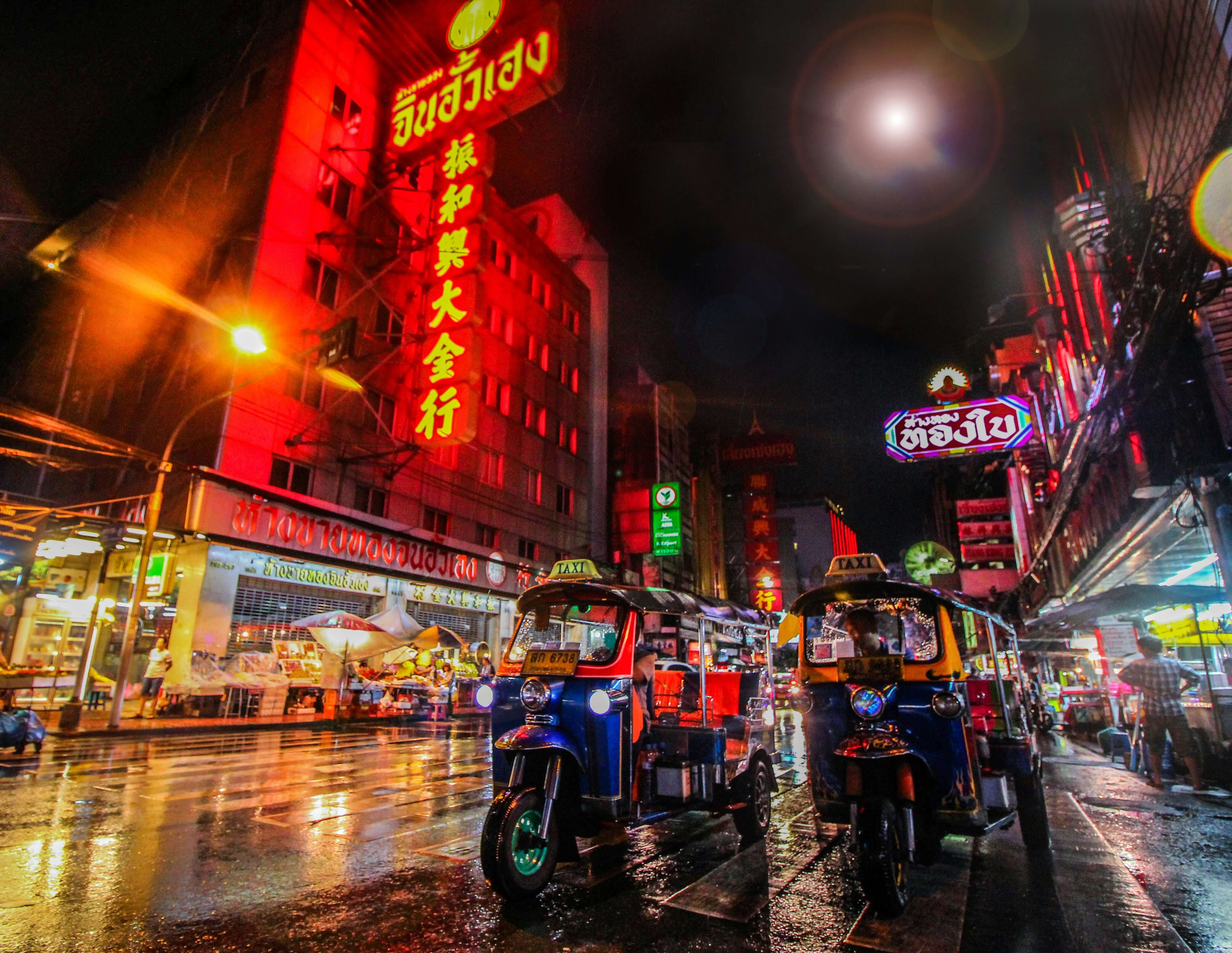
Road safety is the issue most travelers underestimate in their Thailand safety planning. Scooters, motorcycles, night driving, mountain curves, rain, fatigue, and casual helmet habits all raise risk quickly. Thailand can feel easygoing, but the roads do not always forgive relaxed decision-making. If you are not fully comfortable riding, use private drivers, Grab, songthaews, or local transport instead. Always buckle up in cars and wear a helmet on two wheels. Our Bangkok transportation guide covers the safest and most practical ways to get around the capital, and booking a private guide in Bangkok removes most transport friction entirely.
Petty scams
Most scams in Thailand are low-level rather than dramatic: inflated transport, “closed today” diversions, rental damage disputes, nightlife overcharging, and pressure tactics in obvious tourist zones. These are annoying, not defining. They are also much easier to avoid when you stay calm, do not rush, and use established services. Thailand’s safety rating for personal safety is strong — it’s the scam environment that demands more attention.
| Situation | Where it appears | How to avoid it |
|---|---|---|
| Taxi refusal or inflated fare | Airports, tourist streets, nightlife areas | Use Grab, ask for the meter clearly, or confirm the fare before getting in. Our Bangkok transportation guide covers this in detail. |
| “Attraction closed today” diversion | Near major temples and landmarks | Walk to the entrance yourself and verify directly instead of trusting street-side redirects. |
| Jet ski or rental damage dispute | Some beach destinations | Photograph everything before use and avoid operators who feel pushy or vague. |
| Nightlife overcharging | Entertainment districts | Check menus, avoid unclear tabs, and keep spending decisions deliberate. |
| Transport pressure tactics | Busy tourist transport hubs | Book through known providers, slow the interaction down, and do not be rushed into buying. |
Nightlife and drink safety
Drink spiking, theft, and poor decisions around late-night transport are not unique to Thailand — they are the same in every country with active nightlife, and Thailand’s safety rating in this area mirrors most comparable destinations. The easiest way to lower risk is to choose higher-rated bars, keep drinks in sight, avoid getting isolated with people you do not trust, and default to booked ride-hailing rather than improvised late-night transport. For a calmer evening out, see our guide to quiet rooftop bars in Bangkok.
Weather and seasonal disruption
Flooding, rough seas, transport delays, and heat are not always treated as safety issues, but in practice they significantly affect the Thailand safety rating experience. Wet-season flexibility and realistic transfer planning can prevent a surprising number of bad travel days. For a full breakdown of when to visit, see our best time to visit Thailand’s hidden gems guide and the interactive Thailand planning tool.
Thailand Safety Rating: Health and Air Quality
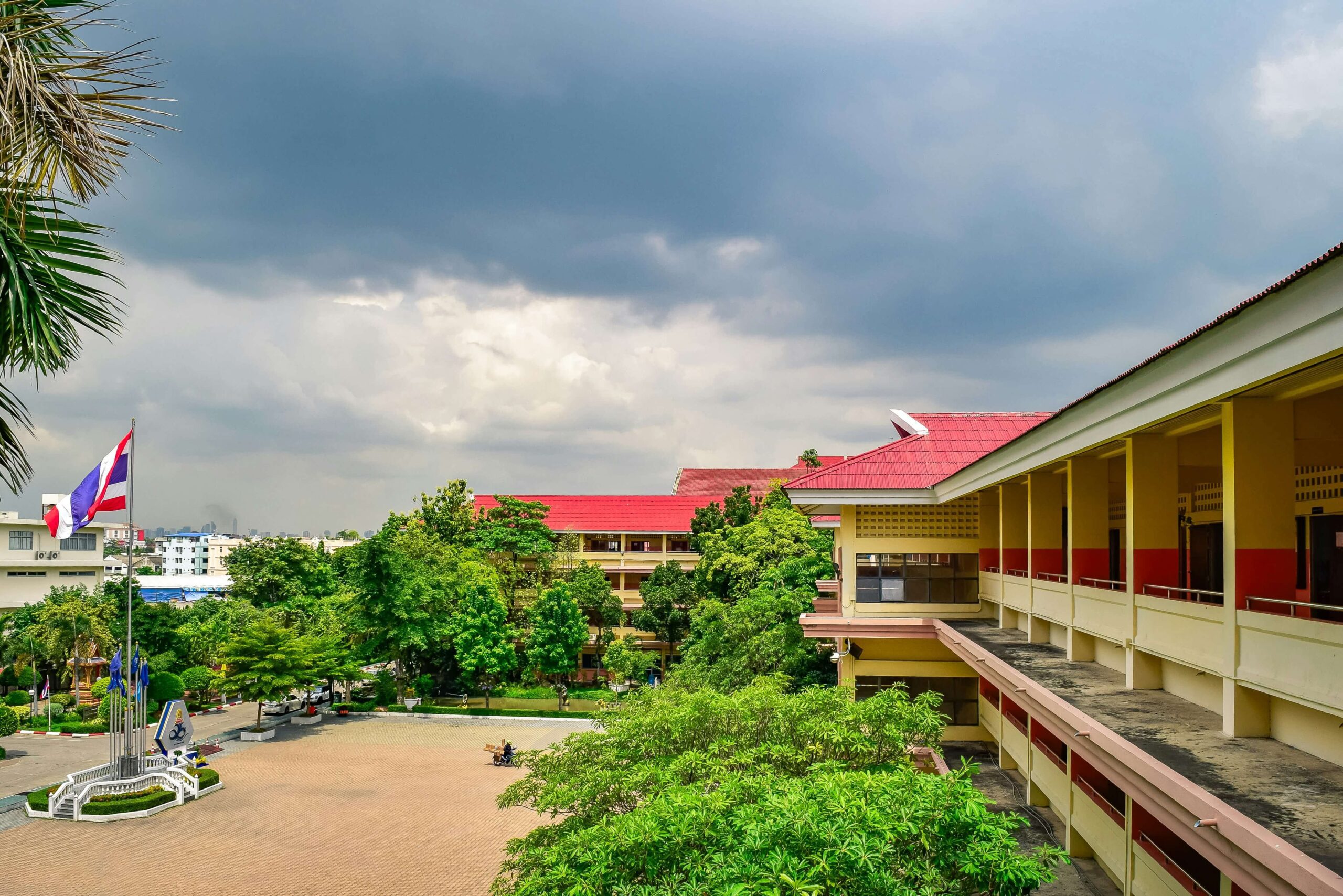
Thailand’s safety rating for health infrastructure is genuinely strong compared to most regional peers, especially in Bangkok and major cities where private hospitals are excellent and English-speaking medical staff are widely available. The more relevant health questions for most travelers are usually preventive: mosquitoes, air quality, hydration, food sense, and insurance that matches your actual activities. For live air quality readings before and during your trip, check IQAir Thailand. The WHO Thailand page covers current disease advisories and health requirements.
Health points worth knowing
- Dengue and mosquito-borne illness are part of travel reality in Thailand, especially in warmer or wetter periods.
- Air pollution can affect Bangkok at times and northern Thailand more noticeably during the smoky period — this is the biggest seasonal variable in the Thailand safety rating for health.
- Rabies risk exists through animal bites or scratches, especially with dogs and monkeys.
- Hydration, sun exposure, and heat exhaustion are often underestimated by first-time visitors.
Practical health habits
- Use insect repellent in the evenings and in greener or rural areas.
- Choose travel insurance that covers the kind of transport or activities you actually plan to do — scooter riding is often excluded from basic policies.
- Do not treat monkey encounters as harmless tourist fun.
- Take air quality seriously if you have asthma, sinus issues, or other respiratory sensitivity. Plan Chiang Mai visits around the burning season calendar.
If budgeting is part of your planning, the Thailand Trip Budget Calculator helps set realistic expectations for transport, comfort, and pace — all of which affect how safe and smooth a trip feels in practice. Travelers who underbudget often end up making riskier transport and accommodation decisions as a result.
Thailand Laws That Affect Your Thailand Safety Rating
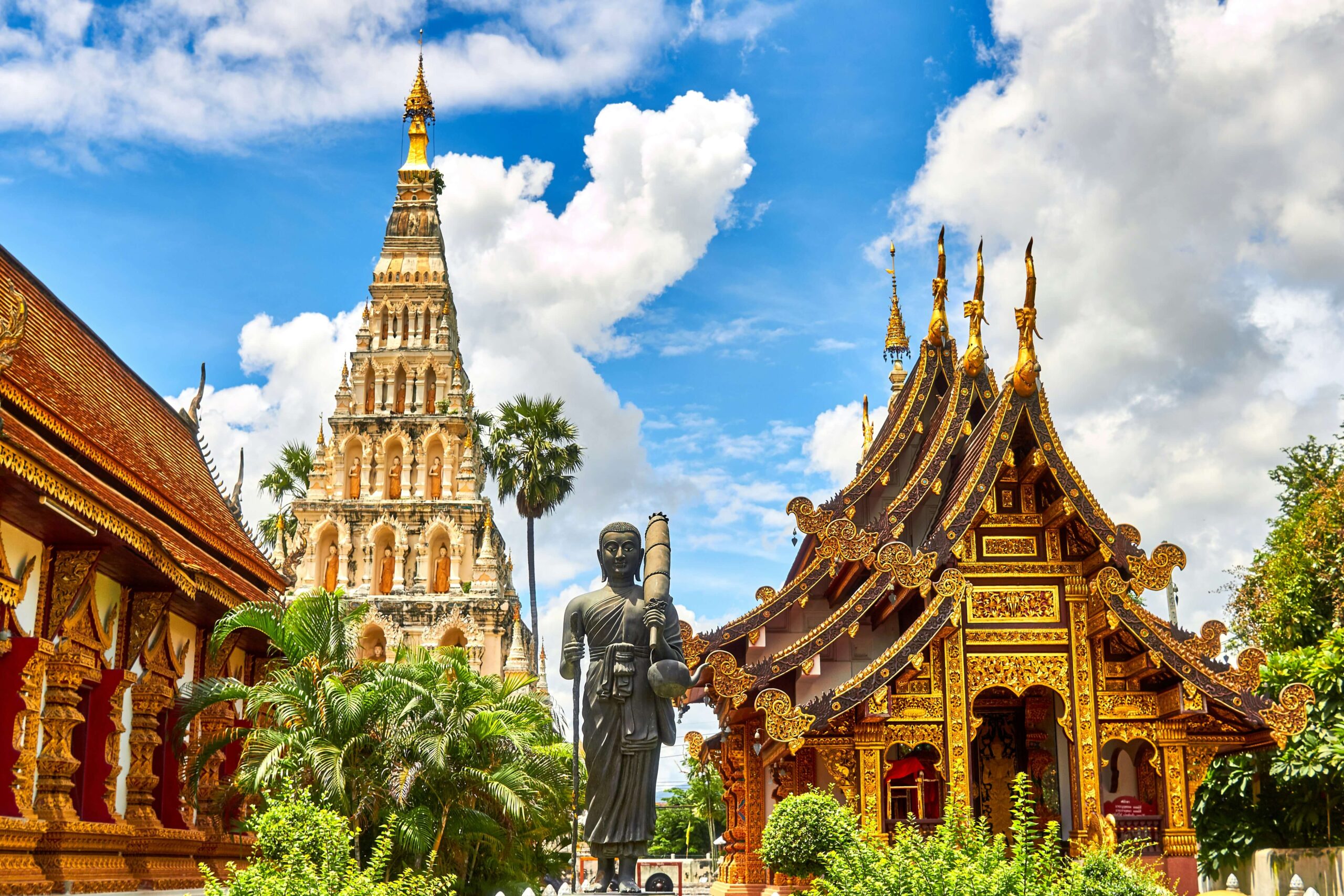
Many visitors never have a serious issue with Thai law, but misunderstandings do happen and they can be serious. Thailand is not difficult to navigate culturally when approached respectfully — but it is not a place to treat local rules as loose suggestions. This is an important part of any honest Thailand safety rating assessment.
Drugs and controlled substances
Do not experiment here. Thailand takes drug offenses seriously, and travelers should not build plans around casual assumptions or hearsay. Even where visitors feel the atmosphere is relaxed, legal reality can be much less forgiving than expected. This applies to substances that may be legal or semi-legal in other countries.
Vaping
Vapes remain a risk area for travelers because many people assume informal use means legal clarity. It does not. Do not rely on what other tourists seem to be doing. For a broader overview of Thai laws that frequently catch foreigners off guard, this guide on what foreigners need to know about Thai laws is useful background reading before any trip.
Monarchy and respectful conduct
Thailand’s laws and social expectations around the monarchy are serious and consistently enforced. Tourists do not need to feel anxious, but they should stay respectful online and offline and avoid thoughtless joking or provocation. The same Thai laws guide is worth reading before your trip. Lese-majesty laws apply to foreigners as well as Thai nationals.
Temple etiquette and cultural respect
Dress appropriately when visiting temples, behave calmly in sacred spaces, and treat local customs as part of the travel experience rather than a nuisance. In practical terms, respectful travelers usually find that Thailand’s safety rating experience improves markedly when they engage with the culture rather than around it. This is especially relevant on Off Path routes where communities are less accustomed to tourism.
Medication
Do not assume medicine bought easily at home or at a local pharmacy is automatically straightforward to carry or use without consequence in Thailand. If a medication is important to you, check current rules before traveling and carry documentation from your prescribing doctor.
Thailand Safety Rating for Transport and Road Travel
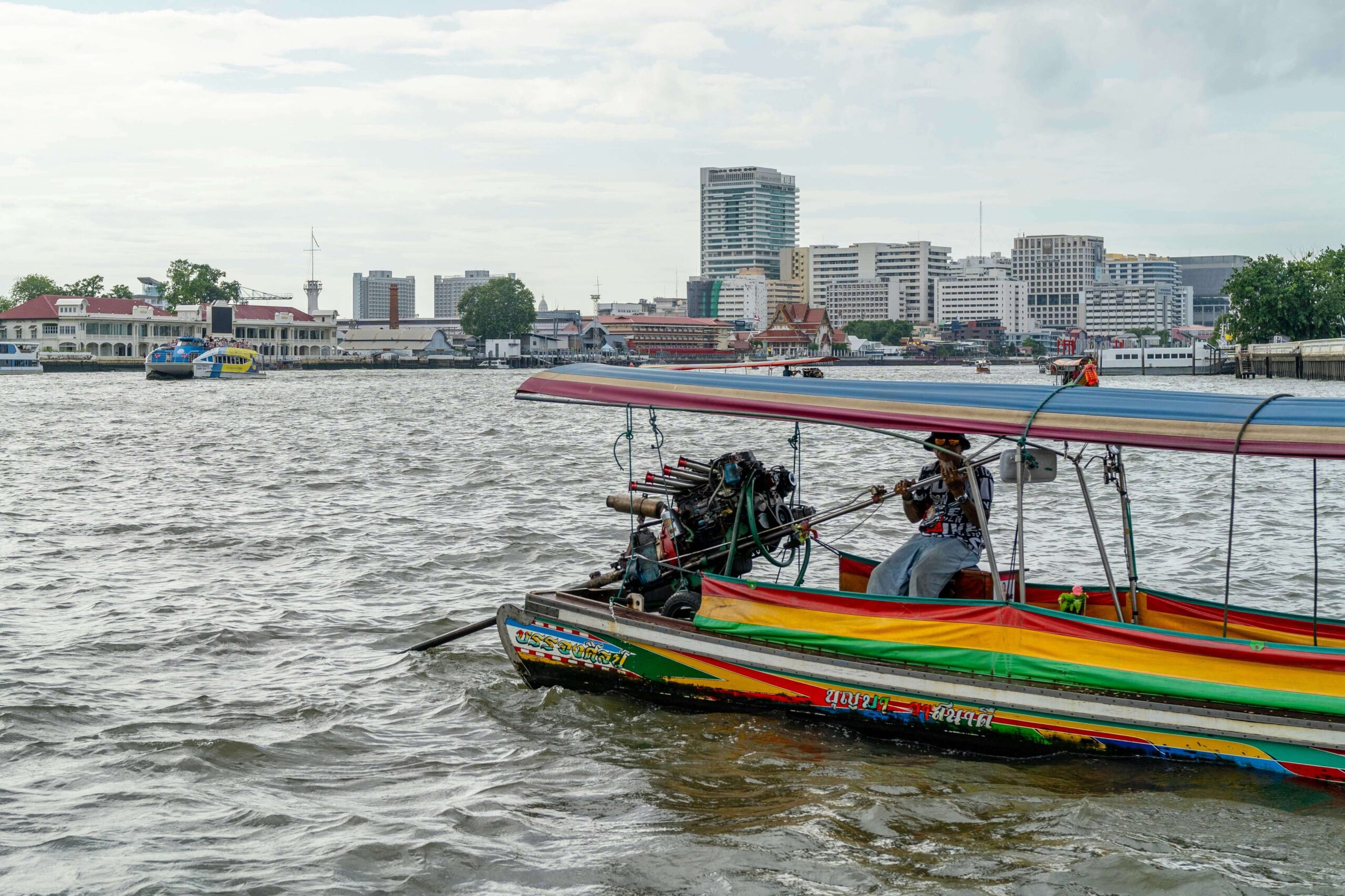
Transport choices shape both comfort and safety in Thailand more than most travelers realize — and they are the single biggest variable in the practical Thailand safety rating experience. A cheap transfer that looks “fine” can turn into the roughest part of a trip if it involves night driving, poor weather, rushed connections, or a scooter rented with more confidence than skill. Our Bangkok transportation guide covers the full range of safe options in the capital specifically.
- Use ride-hailing, licensed taxis, or arranged drivers instead of improvising when tired or arriving late
- Only rent a scooter if you are genuinely experienced and insured for it — check your travel insurance policy specifically
- Wear helmets even for short rides and in seemingly relaxed destinations
- Buckle up in cars, even on shorter transfers
- Be cautious with long drives in mountain regions, especially after dark or in rain
- Keep ferry plans weather-aware instead of treating island transfers as fixed regardless of conditions
- Book a private guide in Bangkok if you want someone to handle transport logistics on your behalf
Thailand Safety Rating for Money and Practical Preparation
Most money-related safety issues in Thailand are manageable and do not significantly affect the overall Thailand safety rating: card skimming risk exists everywhere in the world, cash handling matters in busy districts, and carrying too much money on late nights is unnecessary. Use bank ATMs where possible, split valuables sensibly, and keep a little flexibility in your daily plan.
For practical guidance see our Thailand ATM guide, the Bangkok money exchange guide, and the Thailand SIM card for tourists guide to keep connectivity and cash both sorted before you land.
Travel also feels safer when your budget is realistic. Rushed days, poor-value transport decisions, and low-quality last-minute accommodation often come from underestimating costs. The Bangkok on a budget guide and the Thailand Trip Budget Calculator are useful planning anchors before you lock in a route.
Maps of Key Areas in Thailand
Below is an overview map of many of the quieter and Off Path destinations we recommend, followed by direct map links for the main regions discussed on this page.
- Bangkok map
- Chiang Mai map
- Phuket map
- Pattaya map
- Hua Hin / Pranburi map
- Nan map
- Pattani map
- Thailand–Cambodia border map
Why Off Path Travel Improves Your Thailand Safety Rating Experience
There is a useful difference between “Off Path” and “risky.” In Thailand, quieter does not usually mean less safe — often it means the opposite. The Thailand safety rating for Off Path routes tends to be stronger than tourist-heavy areas because there are fewer inflated tourist interactions, fewer nightlife variables, lower crowd pressure, and a better pace for noticing your surroundings. Smaller destinations, calmer neighborhoods, and slower movement tend to reduce friction rather than increase it.
For travelers interested in a calmer, more rewarding experience of Thailand while keeping the Thailand safety rating as high as possible, the Off Path Thailand team builds fully private itineraries around exactly this approach. Browse our destinations page to see the full range, or start with a specific route below.
Useful routes for a calmer, higher-safety-rating Thailand trip
If you want to pair a strong Thailand safety rating with a more rewarding route, start with these itineraries:
Thailand Safety Rating Backup Plan: Emergency Contacts
You will likely never need emergency support in Thailand — the Thailand safety rating makes serious incidents rare on mainstream and Off Path routes alike. But having a few basics ready removes stress fast if something does happen. Save accommodation details offline, keep passport images stored securely, know how to contact your insurer, and keep a local eSIM or working data connection active. For medical issues in major cities, private hospitals are generally the easiest and fastest place to start. Bangkok’s Bumrungrad, Bangkok Hospital, and Samitivej are all internationally recognised.
- Tourist Police: 1155
- General emergency: 191
- Medical emergency / ambulance: 1669
Emergency numbers and response quality can vary by location. Confirm local hotel or host guidance if you are staying somewhere more remote. Near the Cambodia border specifically, note that government emergency assistance capacity is currently limited due to active security conditions.
FAQ: Thailand Safety Rating 2026

About the author
Written by Dee, Thai-born founder of Off Path Thailand. My life changed after renting a scooter in Chiang Mai nearly a decade ago. I still remember the moment my jaw dropped at the natural beauty around me — riding into the distance with mountains on both sides felt more alive than any PS4 game I had ever played. Since that day, I’ve been hooked on this kind of travel — because there’s so much wonder to discover in Thailand’s quiet, hidden places. I’ve spent close to ten years exploring these off the beaten path corners and helping others experience parts of the country that feel far more meaningful than the usual tourist stops. About the founder
Tell us your dates and vibe — Our team replies within 24 hours to begin crafting your trip.