
Last Updated: August 11, 2026
Thailand Street Food Prices 2026
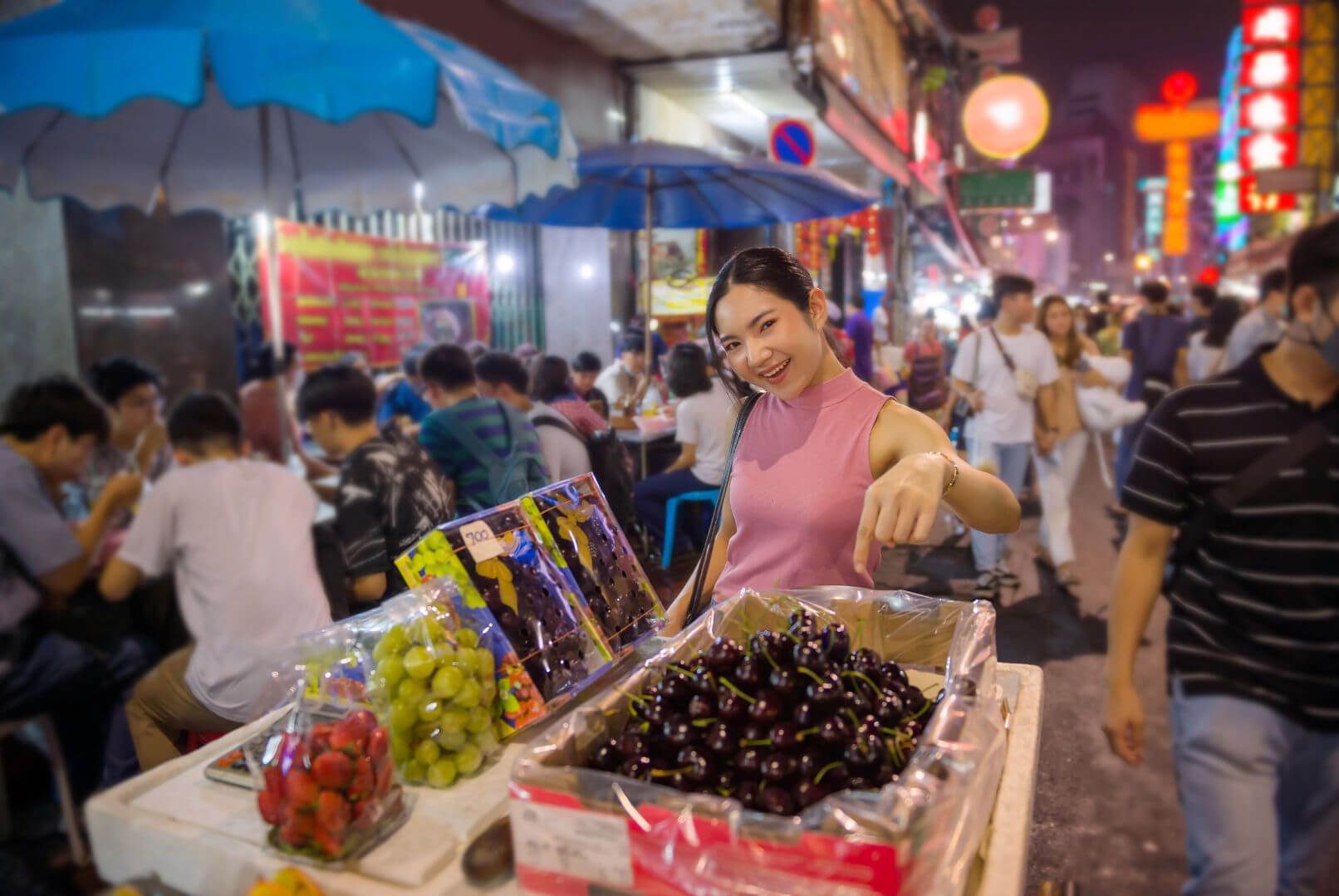
Thailand street food prices 2026 vary greatly depending on whether you eat like a local or in tourist-heavy areas.
Planning your Thailand trip around food? This guide helps you avoid tourist pricing. Explore our Bangkok Foodies Itinerary, or browse travel styles (like our Culinary Explorations style).
Growing Up with Street Food
I was lucky enough to grow up in Thailand, where delicious food is never more than a few steps away. It’s by your doorstep, next to school, along the road, and even when you take the Skytrain across town — the moment you exit the station and reach ground level, street food is waiting.
Thai street food relies heavily on fresh, natural ingredients, which is why it’s generally quite healthy. The only parts that can tip it toward less healthy are the sugar and MSG, both of which can easily be reduced or left out if you simply ask.
Street food isn’t just part of Thai culture — it’s a daily convenience for residents and visitors alike, and it provides a livelihood for a huge portion of the Thai population, allowing many families to support themselves with dignity.
The Beauty & Culture of Thai Street Food
Thai street food is one of the purest expressions of everyday Thai life. It’s vibrant, fragrant, communal, and deeply democratic — the same dishes that feed office workers at lunch also appear at family celebrations and late-night gatherings. The sizzle of a wok, the rhythmic pounding of a mortar for som tam, the sweet smell of grilled pork skewers at dusk… these are the sensory markers of Thai culture itself.
Far more than just “cheap eats,” street food represents continuity. Recipes are passed down through generations, stalls often stay in the same family for decades, and the food remains accessible to almost everyone. When I went to Nan, Thailand, I relied only on street food for my meals—check out my personal story on my trip to Nan to see what that was like. By choosing authentic local stalls over tourist-priced versions, you’re not only eating better — you’re directly supporting the families and small businesses that keep this living tradition alive. This approach sits at the heart of sustainable tourism: travel that benefits the people who actually live here.
Whether you’re in the north, the capital, or the beaches, the soul of Thai street food remains the same — fresh, bold, and woven into the rhythm of daily life.
Why Thailand Street Food Prices 2026 Differ Across Regions
Thailand street food prices 2026 depend on location, rent, and tourist density. Northern Thailand (especially Chiang Mai) remains very affordable, while beach destinations like Phuket see the highest markups. For a detailed look at what locals actually pay in the capital, see our dedicated Bangkok street food prices guide.
When withdrawing cash for street food (most stalls still prefer it), check our guide to the best ATMs for foreigners in Thailand to avoid high fees.
Thailand Street Food Prices 2026 – By Region
| Dish | Chiang Mai Local (฿) | Bangkok Local (฿) | Phuket / Pattaya Tourist (฿) | Notes |
|---|---|---|---|---|
| Pad Thai | 40–60 | 45–65 | 100–160 | Cheapest in the North |
| Tom Yum (Seafood) | 60–90 | 60–85 | 150–250 | Largest premium on beaches |
| Som Tam | 35–55 | 40–60 | 90–150 | Very common everywhere |
| Khao Soi | 50–70 | 70–100 | 120–180 | Northern specialty |
| Mango Sticky Rice | 45–70 | 50–75 | 120–200 | Seasonal pricing |
| Khao Man Gai | 40–60 | 40–65 | 100–150 | Reliable classic |
| Grilled Pork Skewers | 10–20 | 10–15 | 25–45 | Best at morning/evening markets |

Typical local noodle dish in Bangkok or Chiang Mai: ฿50–70.
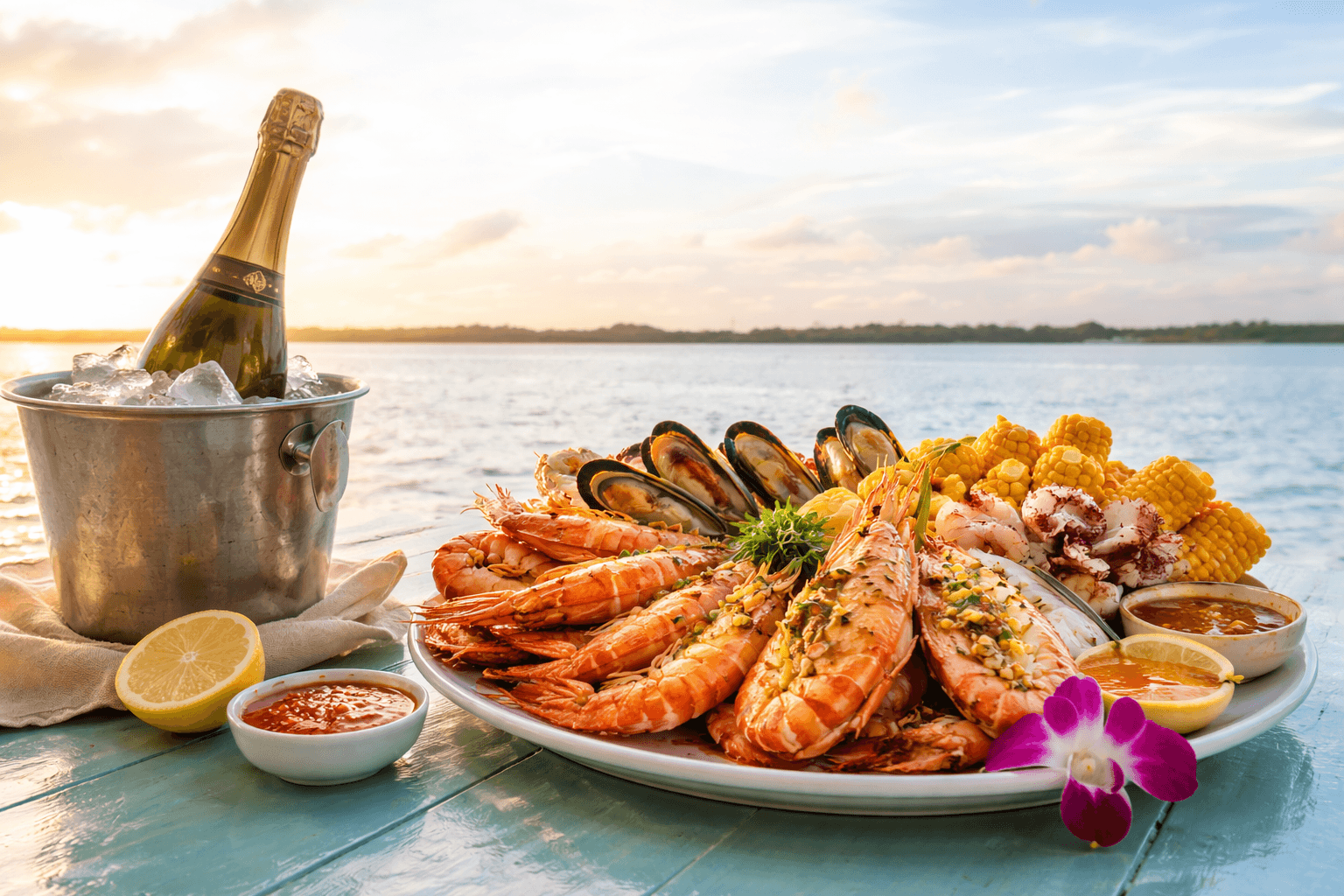
Seafood dishes cost significantly more in tourist beach areas.
Regional Highlights for Thailand Street Food Prices 2026
| Area | Typical Meal (Local) | Tourist Price | Best For |
|---|---|---|---|
| Chiang Mai | ฿40–70 | ฿90–140 | Cheapest & most authentic |
| Bangkok (residential) | ฿45–75 | ฿100–180 | Variety & convenience |
| Pattaya | ฿50–90 | ฿120–200 | Mixed local/tourist |
| Phuket | ฿60–100 | ฿150–250+ | Highest tourist markup |
Map showing local food areas across popular Thailand destinations.
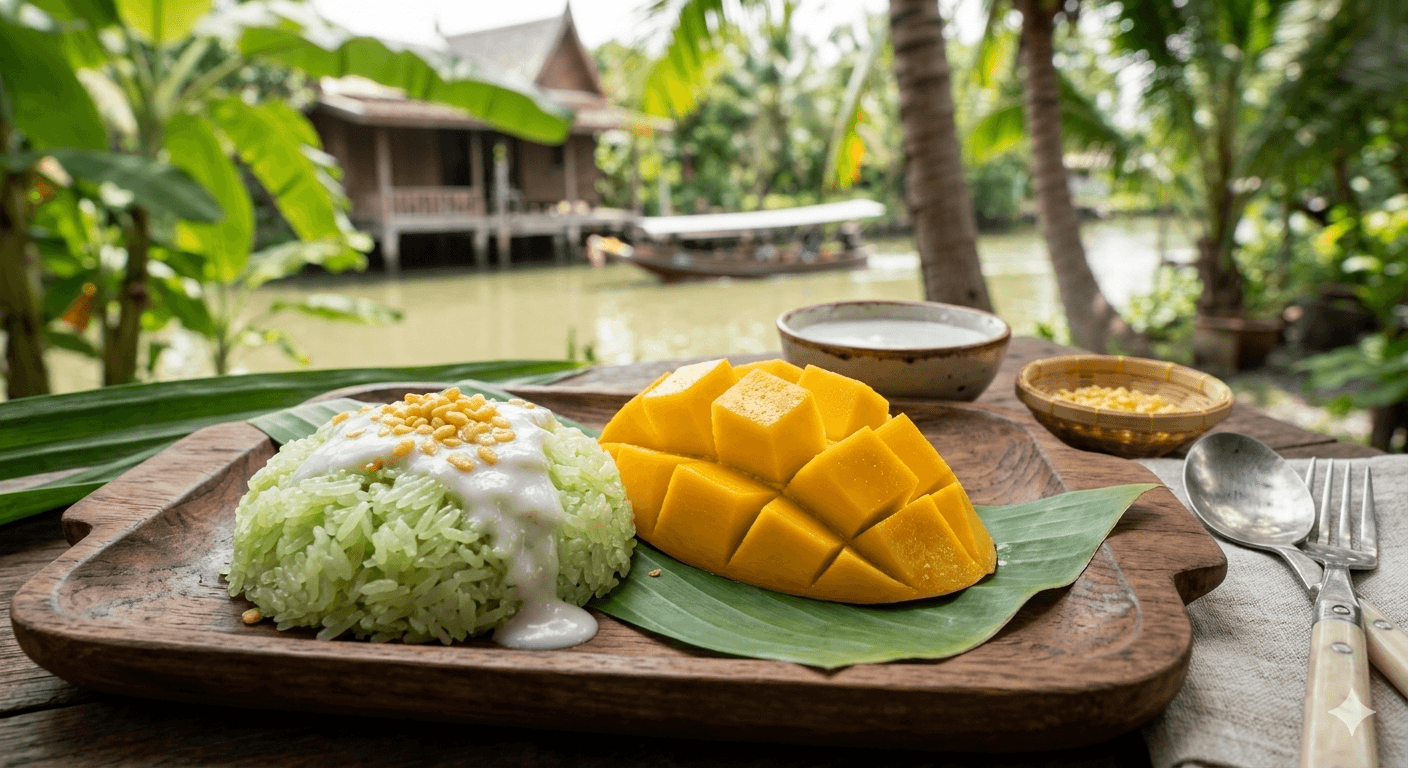
Mango sticky rice – a must-try dessert (฿45–200 depending on location).
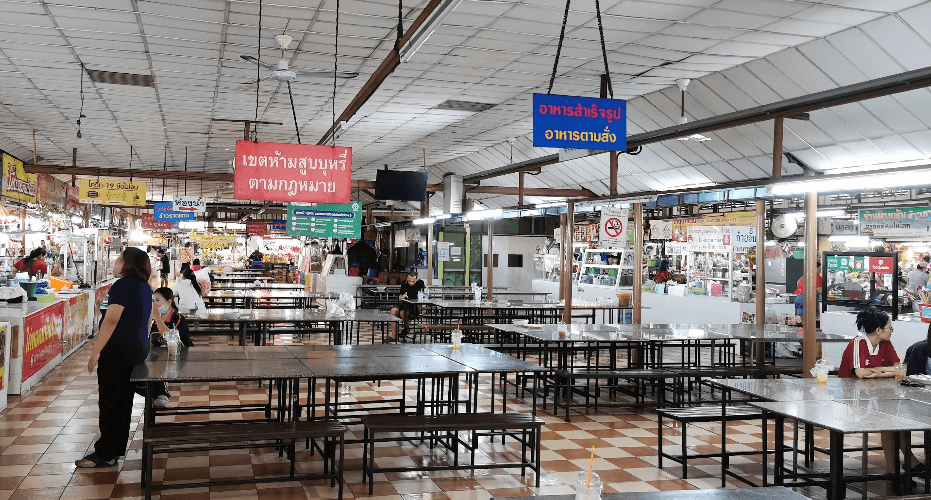
Busy local market stall – where prices stay reasonable.
Daily Food Budget Scenarios for Thailand Street Food Prices 2026
Budget local eater: ฿150–250/day (฿1,050–1,750/week)
Mixed (street + occasional cafe): ฿300–500/day
Tourist beach style (Phuket/Pattaya): ฿500–900+/day
Thailand Street Food Prices 2026 FAQ
Is street food in Thailand still cheap in 2026?
Yes. While prices have risen slightly over the years, street food remains the most affordable way to eat. In local residential areas, you can still find filling meals like Pad Krapow or noodles for ฿45–฿60.
Why is food so much more expensive in Phuket and Koh Samui?
Tourist islands have higher operating costs, including expensive rent and logistics for transporting ingredients. In these areas, street food is often “premiumized” for tourists, with prices starting at ฿120–฿150 per dish.
How do I know if I’m paying “tourist prices”?
If a stall has no printed prices, is located directly in front of a major landmark, or specifically targets travelers with English-only menus, you are likely paying a markup. Look for stalls where locals are queuing and prices are clearly displayed in Thai and Arabic numerals.
What is the average price for a drink at a street stall?
In 2026, a bottle of water is typically ฿10, while a Thai Iced Tea or fresh fruit smoothie ranges from ฿25 in local markets to ฿60 in tourist areas.
Is it safe to eat the cheapest street food?
Generally, yes. High turnover is the best sign of safety—if the food is moving fast and the locals are eating there, the ingredients are fresh. Just ensure the food is cooked hot to order.
Do street food stalls accept credit cards or QR payments?
Most local stalls still prefer cash, but “PromptPay” QR codes are now nearly universal. If you have a local Thai bank app or a compatible international wallet, you can pay digitally even at small carts. High-end tourist markets may accept credit cards, but usually with a 3% surcharge.
Our Local Food Guides:
- Bangkok: Bangkok Vegan Guide • Bangkok Hidden Gems Restaurants
- Chiang Mai: Chiang Mai Vegan Guide • Chiang Mai Authentic Restaurants
Prefer a quick chat?
Message us directly on WhatsApp
Tell us your travel style and dates — we’ll help you find the best authentic food experiences.
Chat on WhatsAppThailand Street Food Prices 2026 FAQ
Is street food in Thailand still cheap in 2026?
Yes. While prices have risen slightly over the years, street food remains the most affordable way to eat. In local residential areas, you can still find filling meals like Pad Krapow or noodles for ฿45–฿60.
Why is food so much more expensive in Phuket and Koh Samui?
Tourist islands have higher operating costs, including expensive rent and logistics for transporting ingredients. In these areas, street food is often “premiumized” for tourists, with prices starting at ฿120–฿150 per dish.
How do I know if I’m paying “tourist prices”?
If a stall has no printed prices, is located directly in front of a major landmark, or specifically targets travelers with English-only menus, you are likely paying a markup. Look for stalls where locals are queuing and prices are clearly displayed in Thai and Arabic numerals.
What is the average price for a drink at a street stall?
In 2026, a bottle of water is typically ฿10, while a Thai Iced Tea or fresh fruit smoothie ranges from ฿25 in local markets to ฿60 in tourist areas.
Is it safe to eat the cheapest street food?
Generally, yes. High turnover is the best sign of safety—if the food is moving fast and the locals are eating there, the ingredients are fresh. Just ensure the food is cooked hot to order.
Do street food stalls accept credit cards or QR payments?
Most local stalls still prefer cash, but “PromptPay” QR codes are now nearly universal. If you have a local Thai bank app or a compatible international wallet, you can pay digitally even at small carts. High-end tourist markets may accept credit cards, but usually with a 3% surcharge.

About the author
Written by Dee, Thai-born founder of Off Path Thailand. My life changed after renting a scooter in Chiang Mai nearly a decade ago. I still remember the moment my jaw dropped at the natural beauty around me — riding into the distance with mountains on both sides felt more alive than any PS4 game I had ever played. Since that day, I’ve been hooked on this kind of travel — because there’s so much wonder to discover in Thailand’s quiet, hidden places. I’ve spent close to ten years exploring these off the beaten path corners and helping others experience parts of the country that feel far more meaningful than the usual tourist stops. About the founder
Tell us your dates and vibe — Our team replies within 24 hours to begin crafting your trip.
Leave everything to us and experience Thailand Off The Beaten Path
Every journey leaves a footprint — the difference is in how we choose to travel. At Off Path Thailand, we focus on keeping those footprints light. Discover how sustainable travel in Thailand connects comfort with care.