
Chiang Dao vs Pai
TL;DR: Both are genuinely beautiful — I’ve visited both multiple times and I mean that without any qualification. Pai has stunning landscapes, a lively social scene, and an energy that has drawn travelers for decades. But it’s become a victim of its own success, and the crowds and party atmosphere can overwhelm what makes it special. Chiang Dao offers equally dramatic scenery, richer cultural encounters, and almost none of the tourist noise.
For slow, meaningful travel, Chiang Dao wins. For a social, backpacker-friendly adventure with the flexibility to escape the crowds, Pai still delivers — if you know where to look.
You can find a curated list of accommodation recommendations for your Chiang Dao trip visit in our guide on where to stay in Chiang Dao.
When planning your route through the country before or after, deciding whether to spend more time in a bustling metropolis or on a tropical island is a major crossroads, so it helps to weigh Bangkok vs Phuket before locking in your flights.
- Chiang Dao vs Pai
- Introduction: Chiang Dao vs Pai
- Map of Hidden Gems in Chiang Dao
- At a Glance: The Personality of Each Place
- Side-by-Side Comparison
- In-Depth Comparison
- Who Should Choose Chiang Dao?
- Who Should Choose Pai?
- Conclusion
- Practical Tips & Final Thoughts
- FAQ: Chiang Dao vs Pai
- Which is better overall — Chiang Dao vs Pai?
- Is Chiang Dao or Pai better for couples?
- Chiang Dao vs Pai for solo travelers — which should I choose?
- Which is easier to get to — Chiang Dao or Pai?
- Chiang Dao vs Pai — which has better nature and scenery?
- Which is cheaper — Chiang Dao or Pai?
- Can I visit both Chiang Dao and Pai in one trip?
- Chiang Dao vs Pai — which is better during cool season?
- Is Chiang Dao or Pai better for slow travel?
- Chiang Dao vs Pai — what should I know about smoke season?
- Experience Thailand off the beaten path with a calm, private plan
Introduction: Chiang Dao vs Pai
If you’re planning a trip to northern Thailand in 2026 and you’ve done even a little research, chances are two names keep coming up: Pai and Chiang Dao. Both sit north of Chiang Mai. Both promise mountain scenery, fresh air, and a break from the city. Both attract travelers who want something more authentic than the packaged tours of the old city or the busy streets of Nimman.
I’m Thai, I’ve lived in Pai, and I’ve spent years traveling this region, including multiple trips to both Chiang Dao and Pai. I run Off Path Thailand, which means helping people find the northern Thailand that most itineraries miss is literally what I do. When clients ask me “Chiang Dao or Pai?”, I have a real answer. It’s not just “it depends.” It does depend, but on specific things, and I’m going to tell you exactly what those things are.
Map of Hidden Gems in Chiang Dao
At a Glance: The Personality of Each Place
Pai is a small town in a wide mountain valley in Mae Hong Son province, about 135km northwest of Chiang Mai. It’s been a fixture on the Southeast Asia backpacker trail for over two decades, and it shows — in the best and worst ways. The landscape is genuinely extraordinary: hot springs, waterfalls, rice fields, and mountains that turn colors at dusk that I still find hard to describe. The town itself is lively, social, and easy to navigate. It’s the kind of place where you arrive for two nights and stay for two weeks, where strangers become friends over cheap cocktails on street-facing bar stools, and where the energy runs high almost around the clock.
It is also, increasingly, crowded. Popular not because travelers discovered something special and quietly told each other, but because Pai became a brand — a shorthand for “Thai mountain town” passed along so many times the original message has been diluted. More than half the crowd, in my experience, is there simply because it’s what their friends did the year before.
Chiang Dao is a valley town roughly 70km north of Chiang Mai, framed by Doi Luang Chiang Dao — Thailand’s third highest peak and a UNESCO Biosphere Reserve. It is quieter, more modest, and considerably less well-known than Pai. The tourism here is largely domestic: weekenders from Chiang Mai and Bangkok who come for the mountain views, the cool air, and the famous cave system.
International visitors are still a relative rarity, which means the local community remains largely undisturbed unlike in Pai, interactions feel genuine rather than transactional, and the landscape has not yet been reshaped by the demands of a large tourist economy.
It is the place Pai might have remained if things had gone differently.
Side-by-Side Comparison
| Category | Chiang Dao | Pai |
| Vibe & Atmosphere | Quiet, grounded, genuine | Social, lively, occasionally chaotic |
| Crowd Level | Low (mainly Thai weekenders) | High (international backpacker trail) |
| Nature & Scenery | Dramatic — UNESCO mountain, rice fields, caves, streams | Stunning — valley, hot springs, waterfalls, mountain views |
| Activities | Hiking, caving, temples, village rides, motorbike exploration | Hot springs, trekking, waterfalls, elephant sanctuary, zip-lining |
| Cultural Experience | Deep — genuine local and hill tribe interaction | Present but diluted by tourist-facing economy |
| Food Scene | Simple, local, Northern Thai | Broader variety, many tourist-oriented restaurants |
| Cost | Mid-range to premium | Budget-friendly (especially dorms and street food) |
| Nightlife | Minimal | Active — bars, live music, late nights |
| Accessibility | 1.5–2 hrs from Chiang Mai by road | 3 hrs from Chiang Mai (762 curves) |
| Accommodation | Boutique resorts, eco-stays, homestays | Wide range from dorms to resorts |
| Best For | Slow travel, couples, nature lovers | Backpackers, social travelers, first-time SE Asia visitors |
| Off-Season Risk | Smoke season Mar–May | Smoke season Mar–May (same region) |
In-Depth Comparison
Nature & Landscapes
I want to be completely honest here: this category is close. Genuinely close. Both places are set in extraordinary mountain landscapes that would humble most of Southeast Asia.
Pai’s valley is wide and open, with a river running through it and mountains visible in every direction. One of my favorite things about Pai — maybe my single favorite thing — is the drive up from Chiang Mai: 762 curves through mountain jungle, climbing steadily until the valley suddenly opens below you. It’s one of the great road experiences in Thailand and it sets the tone for everything that follows.
The hot springs at Tha Pai are a real highlight. The waterfall at Mo Paeng earns every photograph taken of it. And the road west toward Mae Hong Son — you don’t need to go the whole way, even a third of the distance takes you through villages, viewpoints, caves, and waterfalls that most Pai visitors never find.
A few years ago, I was living in Pai for a month and decided one random afternoon to just ride my scooter toward Mueng Paeng without any real plan. What started as a casual exploratory ride turned into one of the most beautiful routes I’ve ever discovered in Thailand.
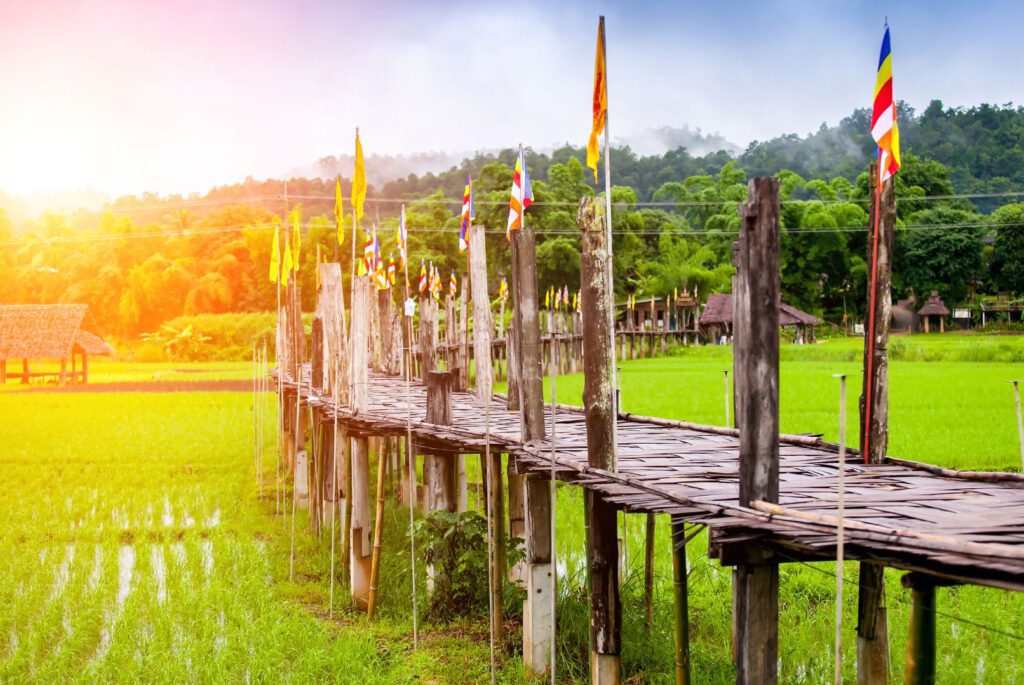
The road wound through lush green valleys, crossing small rivers and streams multiple times. At some points, the pavement disappeared completely, turning into a narrow dirt track hugging the mountainside. The scenery kept getting better — towering bamboo, rice terraces, and dramatic limestone cliffs appearing around every bend. I genuinely kept stopping just to take it all in.
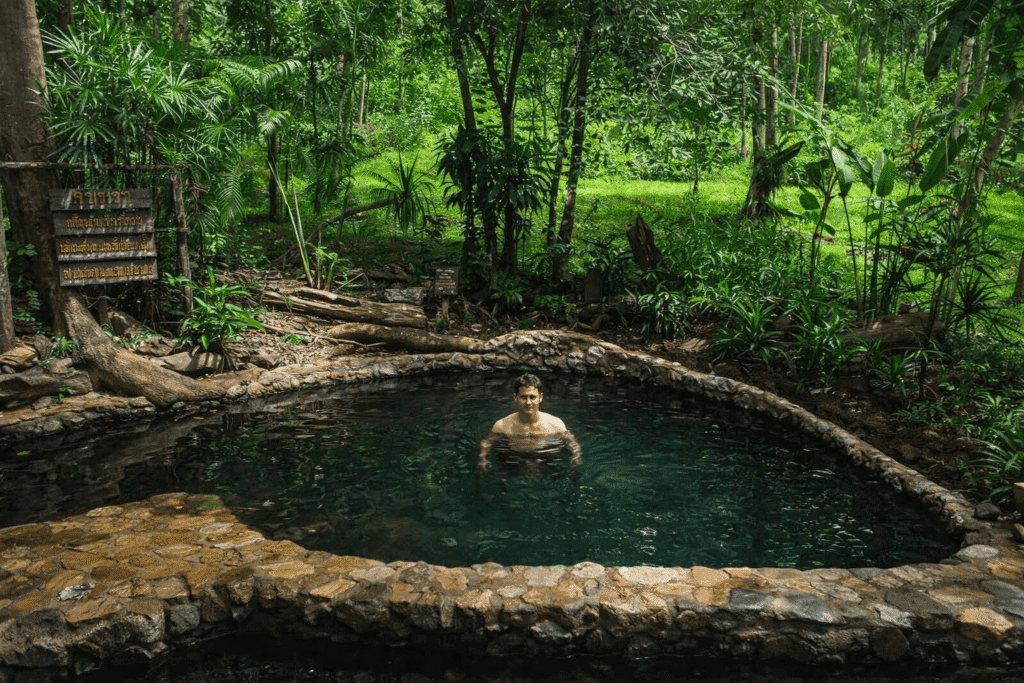
Eventually, I stumbled upon a small, completely local hot spring. There was no entrance fee, no ticket booth, and no big sign. The villagers couldn’t agree on how to split the money, so they simply decided not to charge one. Instead, they just sell you a bottle of water or a few eggs to boil in the hot water if you want. I loved the simplicity of it.
During that month in Pai, I ended up riding that same route to the hot springs 3 to 4 times a week. It became my favorite escape — quiet, beautiful, and completely untouched by mass tourism.
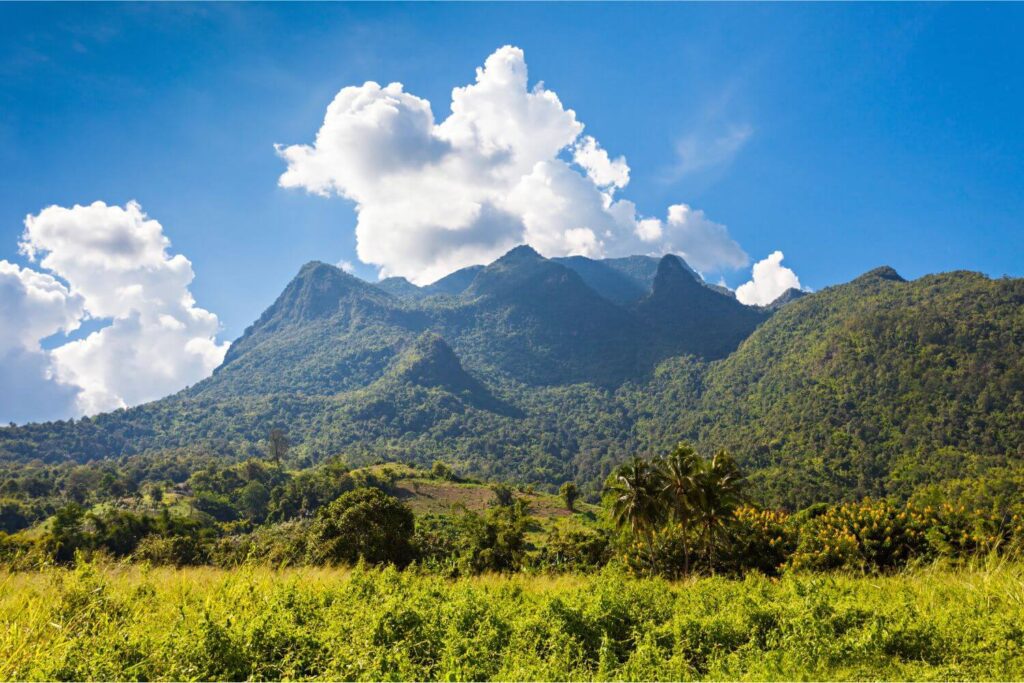
Chiang Dao’s landscape is more vertical. Doi Luang Chiang Dao dominates — a limestone massif that catches clouds and mist in the mornings and turns every view into something that looks painted. The rice fields directly below it are brilliant green in season, and the streams running through the valley floor appear so suddenly and naturally that you can walk out of a restaurant and find yourself standing next to one without having planned it. It’s fairy-tale scenery that doesn’t require any particular timing or effort to access. It’s simply there, around you, all the time.
I recently wrote a comprehensive guide filled with things to do in Chiang Dao — including personal tips on the caves, hot springs, and peaceful nature experiences.
Edge: Chiang Dao, for the combination of scale, intimacy, and the protected status of the mountain. But Pai is genuinely not far behind.
One of the most common questions we receive is about hiring private guides in the North. See our full breakdown of Private Guide Costs in Northern Thailand.
Things to Do & Activities
Pai has more organized activities largely because the tourist infrastructure has built them. Elephant sanctuaries, zip-lining, bamboo rafting, cooking classes, sunset bar terraces. It’s easy to fill a week without having to figure anything out independently. For some travelers, that’s a feature. For others, it’s exactly the problem.
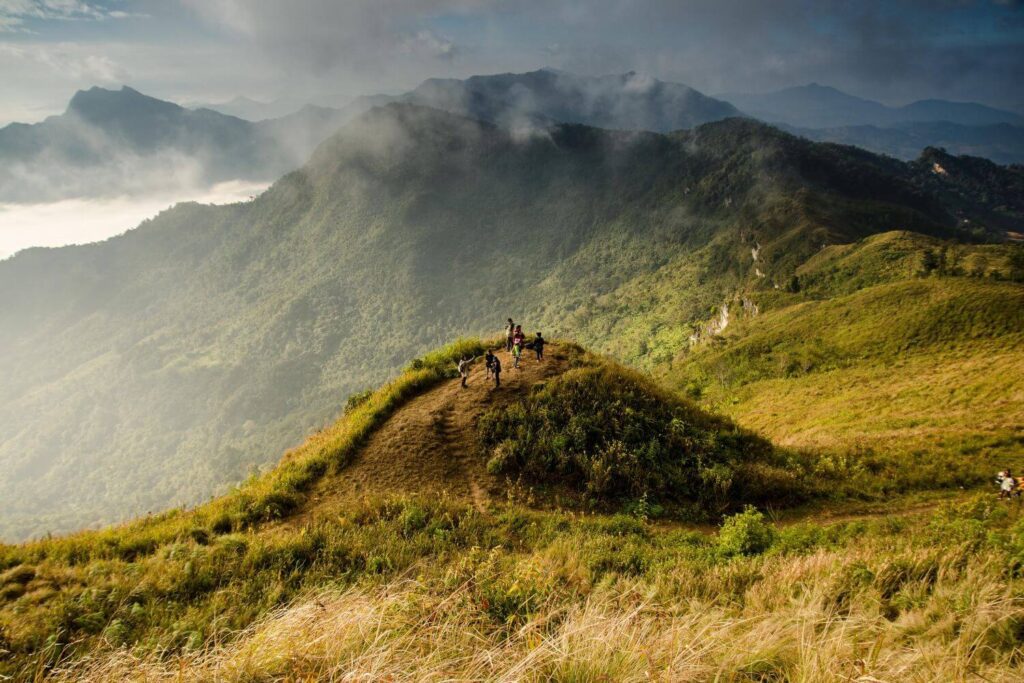
Chiang Dao requires a bit more initiative, and it rewards that initiative accordingly. The caves are world-class: Tham Chiang Dao is one of the most impressive cave systems in Southeast Asia, and I’m always surprised it doesn’t get more attention internationally. The mountain trails are among the best in northern Thailand for those who go with a proper local guide.
The motorbike roads north toward the Chinese Yunnanese villages near the Burmese border offer a kind of discovery that feels completely unscripted. On one of my trips I rode all the way up to one of these Chinese villages an ethnic Chinese community from China, living at the edge of northern Thailand, and even I, as a Thai person, had never encountered anything like it in my own country.
The cultural experiences here, Buddhist temples, hill tribe communities, monks who will genuinely sit and talk with you — are not products designed for tourists. They are simply life in Chiang Dao, going on as it always has.
Nobody is performing.
For those interested in our Cultural Explorations travel style, a more Adventure Experience travel style, or a thoughtful combination of both — we specialize in curating trips that blend deep cultural immersion with meaningful adventure.
Edge: Pai for ease and variety. Chiang Dao for culture and authenticity.
Food & Restaurants
Pai has a broader food scene by pure volume — more restaurants, more cuisines, and more options for travelers who aren’t eating Northern Thai every meal. The night market is lively, the smoothie bars are excellent, and there’s enough variety for a week-long stay without repetition. The tourist infrastructure here means most menus are in English, prices are transparent, and dietary requirements are catered to without fuss.
Chiang Dao’s food scene is simpler. A handful of excellent local restaurants, market stalls, and guesthouse kitchens serve Northern Thai food that is honest and frequently very good. Khao soi, sai oua, grilled meats, fresh fruit. The sheer variety of Pai’s dining scene isn’t available here — but the quality of a meal in a simple Chiang Dao restaurant, eaten with a mountain view and surrounded by the actual community that lives here, is an experience that a longer menu can’t quite replicate.
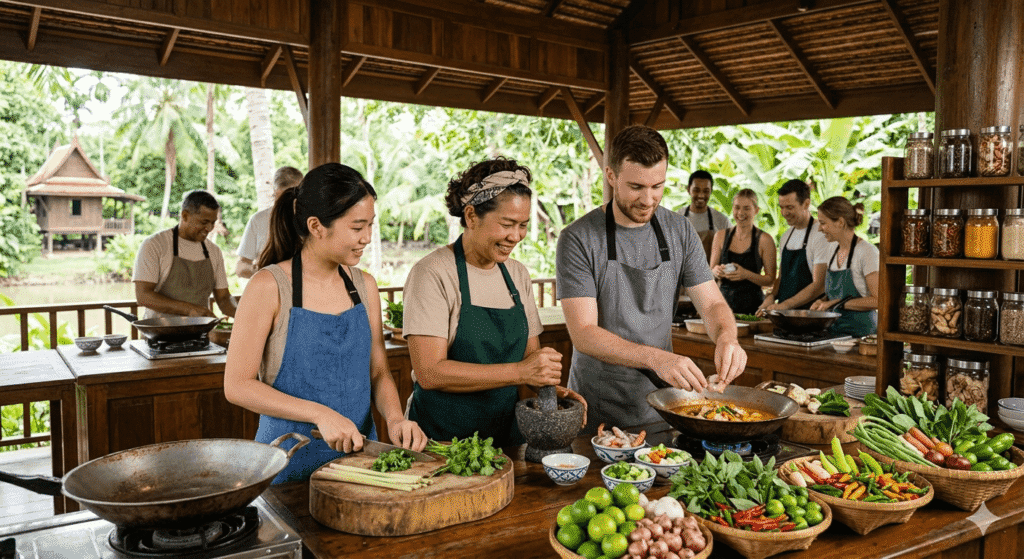
If you’re interested in discovering a culture through food, we can plan your entire trip around our Culinary Explorations travel style — a deeply immersive foodie adventure that takes you beyond the usual tourist restaurants and into the heart of local flavors, traditions, and hidden culinary gems.
Edge: Pai for variety. Chiang Dao for atmosphere.
Accommodation & Prices
Pai is one of the cheapest places to sleep in Thailand — under $10 a night is genuinely achievable — and the hostel and budget guesthouse scene is well-established. Mid-range and boutique options exist too, particularly outside the main town, and that’s where I’d always recommend staying.
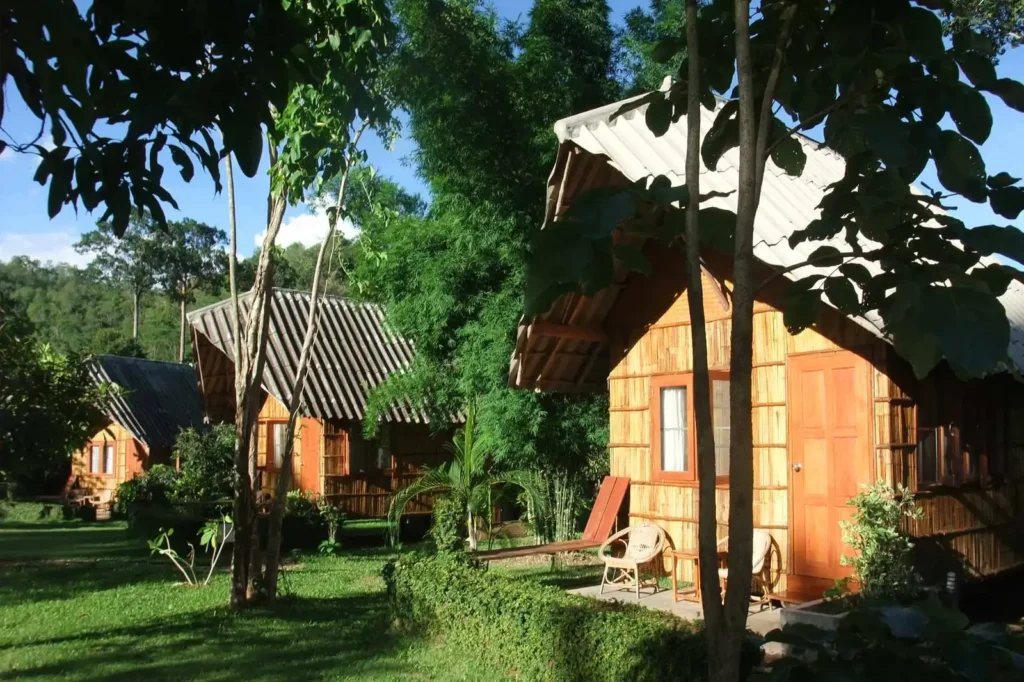
Chiang Dao’s accommodation scene is smaller but often higher in character per baht. The best resorts — positioned with direct mountain views, surrounded by rice paddies, or tucked into the hillside — offer something that can’t really be manufactured. Local homestays, arranged informally through your us, are some of the best-value and most memorable stays available anywhere in northern Thailand. On one of my trips, the host I stayed with spent the morning WhatsApp-ing me a list of hidden viewpoints and local spots.
That kind of hospitality doesn’t have a price on it.
Let me know in advance what kind of feel you’re looking for in your accommodation — whether it’s a peaceful riverside bungalow, a jungle-view homestay, or a comfortable mid-range resort with great character. We can make almost anything happen. Just drop me a message on WhatsApp and I’ll help curate the perfect stay for you.
Most of our trips are built around sustainability. From the accommodations we choose to the day tours and experiences we curate, we focus on responsible travel that respects local communities, supports small businesses, and minimizes impact on the environment.
Edge: Pai for budget travel. Chiang Dao for quality of experience at mid-range.
Pace of Travel & Vibe
This is where the two destinations diverge most sharply, and where most people will find their honest answer.
Pai moves. Even when it’s trying to be slow, there’s an energy underneath — music from the bars, groups forming and dissolving at guesthouse common areas, the low-level hum of a town that has been hosting travelers for a very long time.
That energy is part of the appeal, especially for solo travelers who want the easy social scaffolding of a well-worn backpacker trail. I’ve met people in Pai who became friends I’ve kept for years. That happens there in a way it doesn’t happen everywhere.
But I’ll be honest about the other side too: Pai has become slightly exploitative in places. The main strip can feel less like a Thai town and more like a tourist economy that happens to be located in Thailand. Dorm beds under $10, easy access to cheap alcohol, and a crowd that is largely there because it’s what their social circle did — it creates an atmosphere that can feel thin once you’ve experienced it a few times. The charm is real, but it coexists with something that occasionally undermines it.
Chiang Dao is genuinely quiet. The pace here is not a travel concept — it’s the actual pace of a small agricultural community in a mountain valley that happens to have some guesthouses. Evenings are for sitting outside, watching the sky change, and going to bed early. There is no bar strip. There is no late-night scene worth mentioning. The locals here haven’t been reshaped by twenty years of backpacker economics. The hill tribe folks I’ve met around Chiang Dao wanted to have an actual conversation — not a transactional one. That difference is hard to explain until you’ve felt it.
If that kind of silence is uncomfortable for you rather than restorative, Chiang Dao will be a long few days. I say that without judgment — know yourself before you book.
Edge: Entirely dependent on who you are. This is the most honest thing I can tell you.
Best Time to Visit
Both destinations sit in the same climatic region and share the same seasonal rhythms. Cool season (November to February) is the best time for both — the air is clear, temperatures are comfortable, and the mountain scenery is at its most dramatic. Smoke season (roughly March to May) is a real concern for both; agricultural burning across the region can bring poor air quality for days at a time.
I’ll be direct about this because most travel guides aren’t: I have personally skipped Chiang Dao during burning season specifically because I didn’t want smoke to be the thing I remembered. Check IQAir before booking either destination during this window.
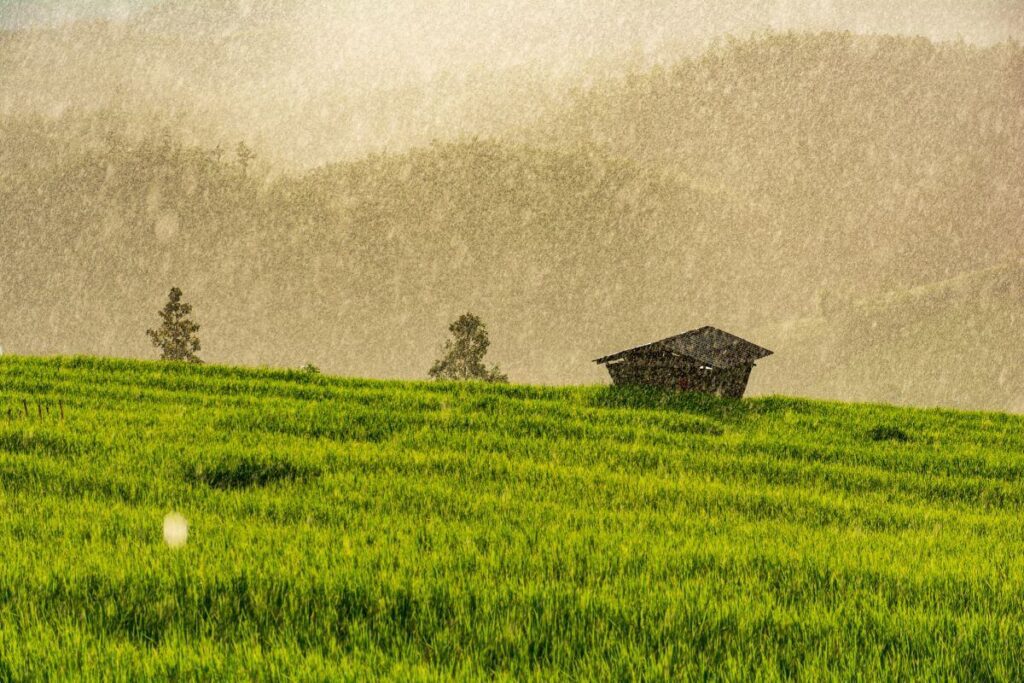
The green season (June to October) transforms both places — lush, vivid, occasionally flooded, and dramatically less crowded. Worth considering seriously if you’re flexible on dates.
I actually prefer traveling the region during this time, which is why I wrote a detailed Chiang Mai Rainy Season Guide. Much of the advice also applies very well to both Chiang Dao and Pai.
Getting There & Practicalities
Pai is 135km from Chiang Mai via the famous 762-curve mountain road. Shared minivans run regularly and take about 3 hours. It’s a beautiful journey but genuinely winding — take motion sickness medication if you’re prone to it. The drive up is, as I mentioned, one of my favorite things about the whole trip. You cannot get to Pai quickly; the mountain road is the entire route.
Chiang Dao is 70km from Chiang Mai along a well-maintained highway (Highway 107). Bus, minivan, motorbike, or private transfer — all straightforward. I’ve ridden my motorbike from Chiang Mai to Chiang Dao multiple times and consider it one of the great small road trips in northern Thailand: open highway, mountain views opening up gradually, lakes you’ll want to pull over and photograph.
Considerably more accessible than Pai, and much closer to Chiang Mai for anyone combining destinations.
With our private driver and guide, everything becomes far more flexible and comfortable. We can pick you up from wherever you are in Chiang Mai (airport, hotel, or train station) and handle all the logistics for you.
Simply fill in the contact form to customize your trip, and we’ll get back to you within 24 hours.

Who Should Choose Chiang Dao?
Choose Chiang Dao if you want nature without the noise. If a slow breakfast on a terrace with a mountain view is the highlight of your day, not a 2-for-1 cocktail at sunset. If you want to talk to local people rather than other travelers. If you’ve been to Pai — or somewhere like it — and felt the edges of it: the sense that everyone around you arrived for the same reasons, via the same blog post, and has the same photo.
We also have a detailed slower travel itinerary guide for Chiang Dao for those who want to see a real example of how peaceful, intentional slow travel can look and feel in this beautiful valley.
Choose it if you’re a couple looking for somewhere genuinely romantic and unhurried. If you’re a solo traveler who finds peace in solitude rather than needing social infrastructure around you. If you’re a remote worker who needs calm, reasonably reliable connectivity, and the kind of environment that makes you productive rather than just Instagram-productive.
Chiang Dao is, in my honest opinion, the single most beautiful landscape in northern Thailand. And it’s still, somehow, barely discovered. That combination won’t last forever.
Check out our Chiang Dao sample itinerary for a rough idea of what you can experience. This is not a fixed plan — every trip we create is highly customizable to suit your style.
Who Should Choose Pai?
Choose Pai if you’re earlier in your travel journey and want the ease of a well-worn trail — English menus, other travelers easy to meet, social life requiring no effort to access. If you’re a solo traveler and the thought of several quiet evenings alone in a valley feels isolating rather than restorative. If you want organized activities without needing local connections to arrange them.
And choose Pai if you’re willing to leave the main strip. The road toward Mae Hong Son — even just a third of the way — opens up villages, viewpoints, caves, and waterfalls that most Pai visitors never reach. The real Pai, the one that earned its reputation and that I genuinely love, still exists out there. You just have to ride further to find it.
Conclusion
For slow, meaningful, Off Path travel — the kind that Off Path Thailand is built around — Chiang Dao is my clear recommendation in 2026. The landscape rivals Pai’s; the cultural depth surpasses it; the crowds are a fraction of Pai’s; and the quality of interaction with the place and its people is in a different category entirely.
But I want to be fair to Pai, because it deserves that. Pai is heaven on earth in places. The people are wonderful. The landscapes are stunning. It hasn’t lost all of its magic — not even close. The issue isn’t that Pai is bad. The issue is that the version of Pai most visitors experience is a diluted one, and you have to work harder to reach the real thing.
In Chiang Dao, the real thing is just there. You don’t have to work for it.
For couples: Chiang Dao, without hesitation. Romantic, unhurried, and genuinely beautiful in a way that needs no staging.
For solo travelers: Pai if you want to meet people easily; Chiang Dao if you’re comfortable with your own company and want something deeper.
For first-time SE Asia visitors: Pai — the infrastructure is more forgiving and the social scene helps ease you in.
For return visitors who’ve done Chiang Mai: Chiang Dao. It’s the upgrade you didn’t know you were looking for.
For wellness and nature travelers: Chiang Dao wins on landscape depth; Pai wins on organized wellness activities and hot springs.
For adventure travelers: Both. But the adventure in Chiang Dao is less packaged and more rewarding.
If you’re still unsure: go to Chiang Dao first. You can always visit Pai on the way back toward Chiang Mai. The reverse is rarely how it works out.
Practical Tips & Final Thoughts
Combine them if you have the time. Chiang Dao and Pai are in opposite directions from Chiang Mai, so they’re not competing for the same slot in your itinerary. A well-planned northern Thailand trip can include both, using Chiang Mai as a natural base between them.
Don’t visit either during smoke season without checking air quality first. Both destinations share the same March–May burning season risk. Check IQAir before you commit.
In Pai, stay outside the main town. The best accommodation is on the valley edges — rice field views, quieter roads, and five minutes by bicycle from town when you want it. Staying on the main walking street is a choice most repeat visitors don’t make twice.
In Chiang Dao, ask us anything via WhatsApp. The best spots here are not on Google Maps. Our guides are the single most valuable resource you have in Chiang Dao — more valuable than any guide, blog, or social algorithm.
If you’d like help building an itinerary that includes Chiang Dao, Pai, or both — designed around how you actually travel, not a generic template — reach out to us at Off Path Thailand. This is what we do.
Prefer a quick chat?
Message us directly on WhatsApp
If you already have an idea of your trip, send us a message on WhatsApp or drop us an email at [email protected]. We’ll guide you through the best options for your travel style.
Chat on WhatsAppFAQ: Chiang Dao vs Pai
Which is better overall — Chiang Dao vs Pai?
For slow, meaningful travel, Chiang Dao wins the Chiang Dao vs Pai debate for most of our clients. The scenery is just as dramatic, the cultural encounters are deeper, and the crowds are a fraction of Pai’s. That said, the Chiang Dao vs Pai question doesn’t have a single answer — if you’re after a social backpacker scene and organized activities, Pai still delivers. It really comes down to the type of traveler you are, which is why we always recommend reading a full Chiang Dao vs Pai comparison before booking.
Is Chiang Dao or Pai better for couples?
When it comes to Chiang Dao vs Pai for couples, Chiang Dao is our first recommendation every time. The pace is slower, the guesthouses are more intimate, and there’s something genuinely romantic about waking up to a mountain the size of Doi Luang outside your window. Pai has romantic spots too — especially outside the main town — but the Chiang Dao vs Pai comparison for couples usually tips toward Chiang Dao for the quiet and the scenery alone.
Chiang Dao vs Pai for solo travelers — which should I choose?
This is one of the more nuanced Chiang Dao vs Pai questions we get. Pai has a well-established backpacker trail where meeting other travelers is effortless — if you want a social trip, Pai makes it easy. Chiang Dao vs Pai for solo travelers who are comfortable with their own company, however, is a different story entirely: Chiang Dao offers a depth of experience that’s hard to find on a busier trail. If you’re an independent traveler who doesn’t need social scaffolding, Chiang Dao is the more rewarding choice.
Which is easier to get to — Chiang Dao or Pai?
Chiang Dao wins on accessibility in the Chiang Dao vs Pai comparison. It’s only 70km from Chiang Mai along a well-maintained highway and takes about 1.5 to 2 hours by bus, minivan, or motorbike. Pai is 135km away via 762 mountain curves and takes around 3 hours — a beautiful journey, but a longer and windier one. For travelers who want to minimize transit time, the Chiang Dao vs Pai distance question is already answered.
Chiang Dao vs Pai — which has better nature and scenery?
Honestly, both destinations are stunning, and this is the closest category in the entire Chiang Dao vs Pai comparison. Pai has a wide open valley, hot springs, waterfalls, and one of the great mountain drives in Thailand. Chiang Dao has Doi Luang — a UNESCO Biosphere Reserve — with misty mornings, bright green rice fields, and streams that appear out of nowhere as you walk through the valley. In the Chiang Dao vs Pai nature debate, we give the edge to Chiang Dao for sheer dramatic scale, but Pai is genuinely not far behind.
Which is cheaper — Chiang Dao or Pai?
Pai takes the budget crown in the Chiang Dao vs Pai cost comparison. Dorm beds under $10 a night are genuinely available, and the backpacker infrastructure keeps food and transport prices low. Chiang Dao is still very affordable by any standard, but the accommodation scene skews more toward guesthouses and boutique stays than hostels. If rock-bottom budget is your priority, Pai wins the Chiang Dao vs Pai price comparison. If you’re traveling at a mid-range budget and want more character per dollar, Chiang Dao often delivers better value.
Can I visit both Chiang Dao and Pai in one trip?
Absolutely — and combining them is actually one of our favorite northern Thailand itinerary structures. Because Chiang Dao and Pai sit in opposite directions from Chiang Mai, they’re not competing for the same slot in your trip. You can spend time in Chiang Dao first, return to Chiang Mai, and then head out to Pai — or vice versa. The Chiang Dao vs Pai question doesn’t have to be either/or if your schedule allows both. A week in each, with Chiang Mai in between, is one of the best ways to experience northern Thailand.
Chiang Dao vs Pai — which is better during cool season?
Cool season (November to February) is the best time to visit both destinations, and the Chiang Dao vs Pai comparison during this window is particularly close. In Chiang Dao, the misty mornings and cool air transform the valley into something almost unreal — temperatures can dip below 10°C at night near the mountain. Pai’s wide valley traps cold air similarly and offers its own spectacular cool-season light. In the Chiang Dao vs Pai cool season debate, both are excellent — but Chiang Dao’s viewpoints and mountain mist give it a slight edge for photographers and nature lovers.
Is Chiang Dao or Pai better for slow travel?
Chiang Dao wins this one clearly in the Chiang Dao vs Pai comparison for slow travelers. The pace of life in Chiang Dao is genuinely slow — not as a concept, but because the town is small, the locals are unhurried, and there’s no bar strip pulling you into late nights. Pai has slow-travel pockets, especially outside the main strip, but the town’s energy works against genuine decompression for many visitors. If Chiang Dao slow travel is what you’re after — long mornings, mountain views, real conversations with locals — Chiang Dao vs Pai isn’t a close contest.
Chiang Dao vs Pai — what should I know about smoke season?
This is one of the most important practical questions in the Chiang Dao vs Pai comparison, and most travel blogs skip it. Both destinations sit in the same climatic region of northern Thailand, and both are affected by agricultural burning between roughly March and May. Poor air quality during this window can seriously impact the experience at either destination. Before booking either side of the Chiang Dao vs Pai decision during spring, check IQAir or Air4Thai for current conditions — and have a backup plan. I’ve personally skipped Chiang Dao during burning season to protect the memory of it. That tells you everything you need to know.

About the author
Written by Dee, Thai-born founder of Off Path Thailand. This article is based on places I return to routinely across Bangkok, shaped by daily life rather than one-off sightseeing. About the founder
Tell us your dates and travel style. We reply within 24 hours to begin shaping your trip.
Experience Thailand off the beaten path with a calm, private plan
Every journey leaves a footprint. The difference is in how we choose to travel. At Off Path Thailand, we focus on keeping those footprints light. Discover how sustainable travel in Thailand connects comfort with care.