

The drive north from Chiang Mai is beautiful in the way Northern Thailand always is — open highway, limestone peaks rising in the distance, jungle thickening as the city falls away. But nothing quite prepares you for the moment you step through the entrance of the Chiang Dao Caves and feel the temperature drop immediately, the light change, and the mountain swallow you whole.
I sat in front of a shrine deep inside the Chiang Dao Caves once and meditated for a while. I wasn’t planning to — it just felt like the right thing to do in that particular silence, with a Buddha image glowing in the lantern light and the cave completely still around me. When I came out, I noticed a stranger who had apparently watched me sit down had done the same thing. We never spoke. We didn’t need to. That’s the kind of place the Chiang Dao Caves are.
This guide covers everything you need to visit the Chiang Dao Caves well: how to get there, what to expect inside, guided versus self-guided routes, practical info on fees and dress code, and the insider details that make the difference between a rushed stop and an experience you’ll remember. At Off Path Thailand, we arrange private Chiang Dao cave tours with dedicated car and driver from Chiang Mai, local guides, and fully customisable itineraries built around your travel style — whether that’s a day trip or a multi-day stay. For the full picture of what else the area offers, see our complete guide to Chiang Dao activities, the broader Chiang Dao destination guide, or the independent Wikitravel page for Chiang Dao.
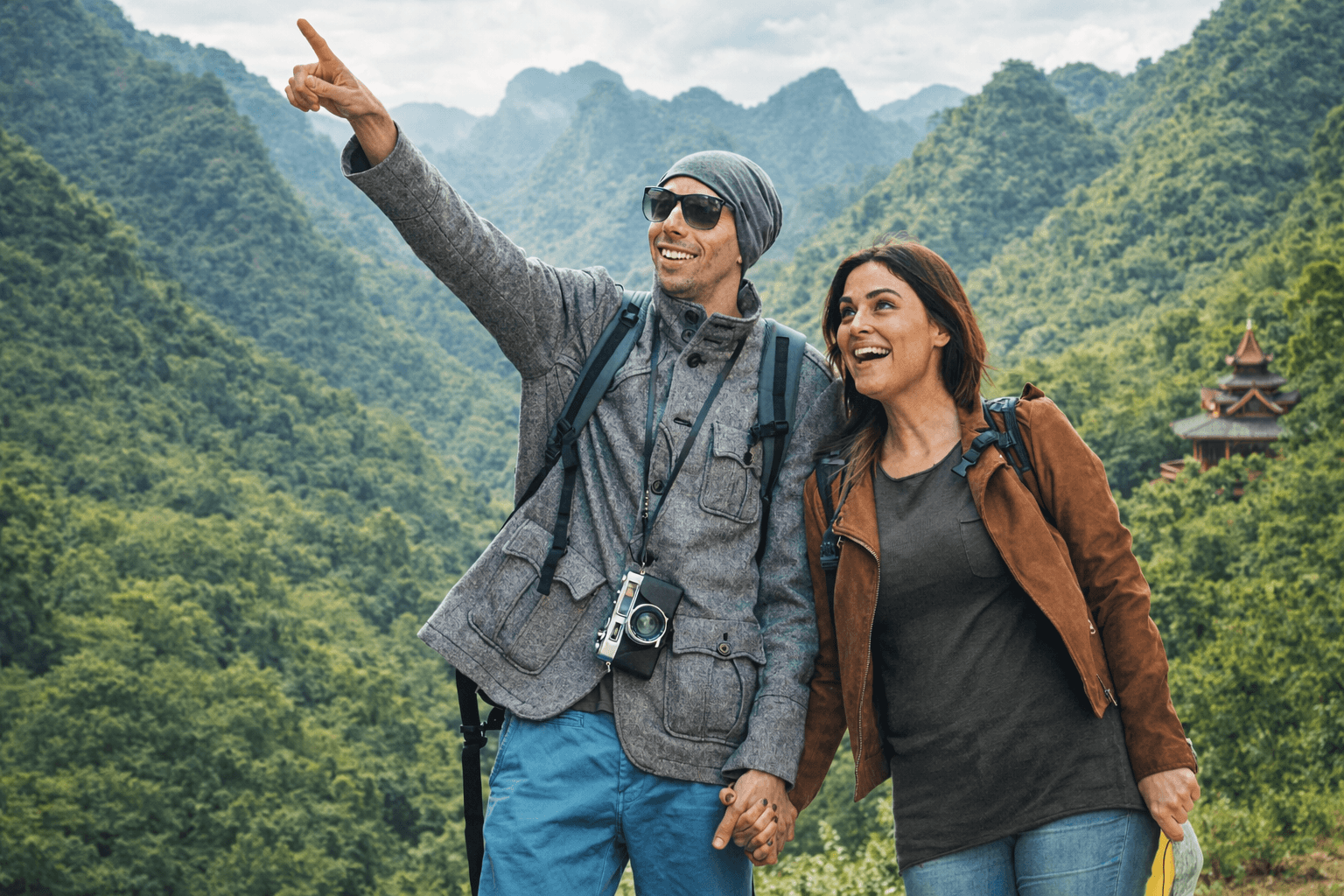
Northern Thailand’s mountains and valleys make Chiang Dao a natural stop for couples and slow travelers alike.
Why Wat Tham Chiang Dao Is Worth a Visit
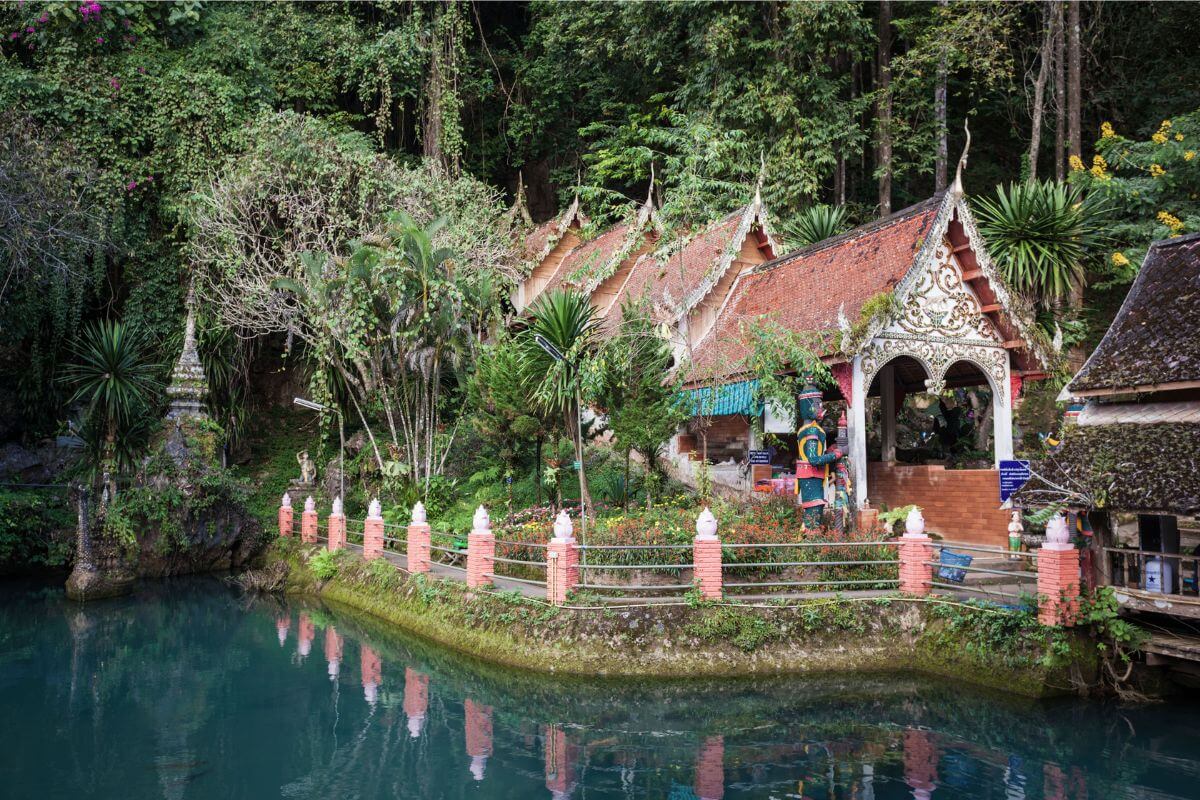
The temple exterior at Wat Tham Chiang Dao — where the sacred and the geological meet.
The Spiritual Side
The Chiang Dao Caves — formally known as Wat Tham Chiang Dao — are not simply a natural attraction. They are an active, revered Buddhist temple complex built into the face of Doi Luang Chiang Dao, a mountain the local community has considered sacred for centuries. Buddha images and shrines are placed throughout the lit chambers, and monks and local worshippers come here regularly to pray. Incense burns at the cave entrance. The atmosphere is one of genuine spiritual weight, not staged heritage tourism. The official Tourism Authority of Thailand listing covers the site’s background in more detail.
This dual identity — Thailand cave temple and geological wonder simultaneously — is what sets the Chiang Dao Caves apart from every other cave system in Northern Thailand. You’re not just walking through rock formations. You’re moving through a place that has accumulated centuries of meaning.
The Geological Marvel
The cave system extends an estimated 10 to 12 kilometres into the limestone karst of Doi Luang Chiang Dao — part of a mountain the UNESCO-recognised Doi Chiang Dao Biosphere Reserve protects as one of Southeast Asia’s most ecologically significant areas. Of the full system, five main chambers are open to visitors, some lit and accessible independently, others dark and reachable only with a local guide. The stalactite and stalagmite formations inside have been developing for millions of years and reach cathedral scale in some chambers. It’s one of the most impressive underground environments in Thailand, and it remains genuinely undervisited relative to how few travelers actually go beyond the lit section.
Exploring the Chiang Dao Caves: Guided vs. Self-Guided Routes
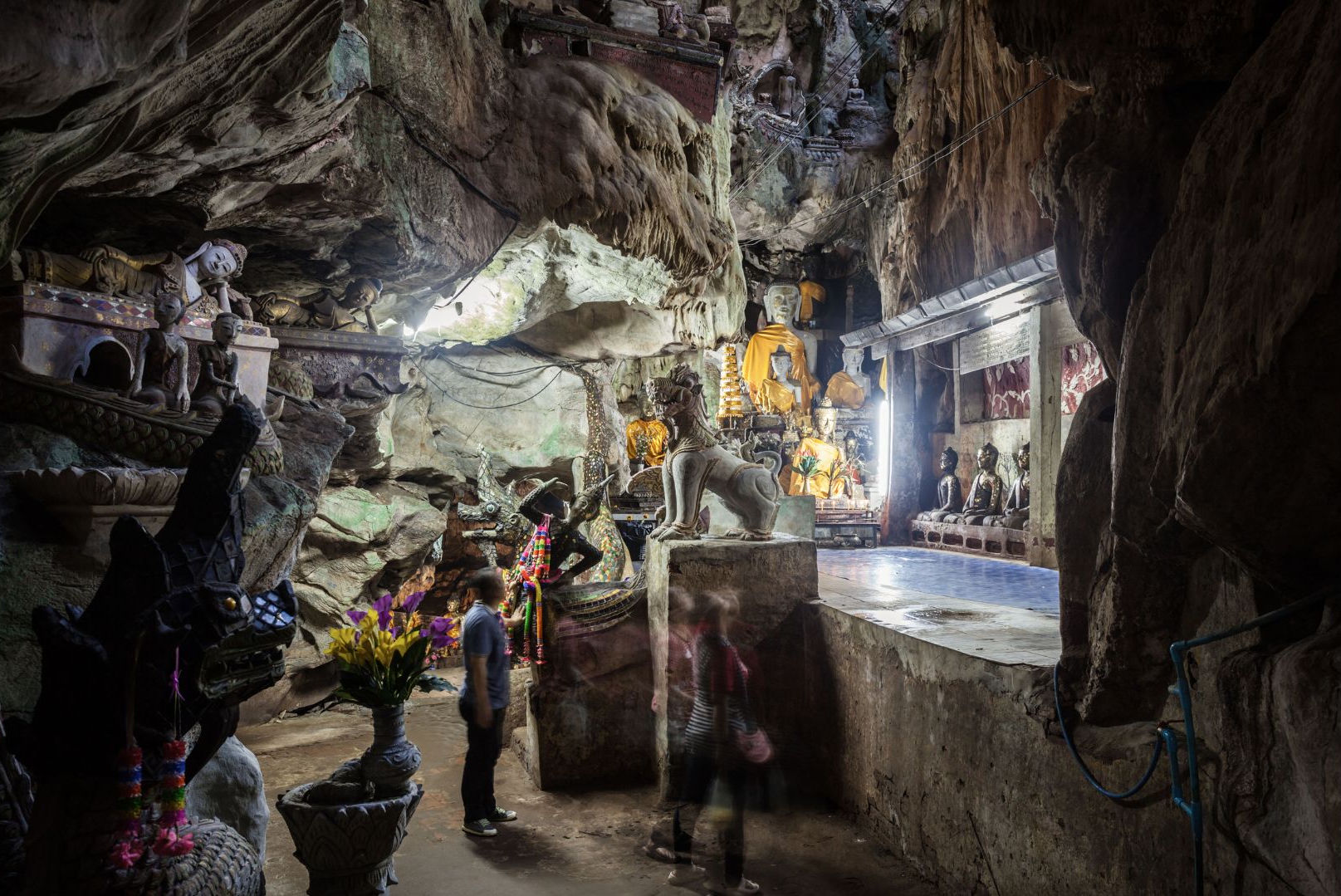
The lit inner chambers of the Chiang Dao Caves. This is what most visitors see. The lantern sections go considerably deeper.
The Main Lighted Chambers (Self-Guided)
The primary section of the Chiang Dao Caves, Tham Phra Non, is well-lit with electric lighting and can be explored independently. It includes:
- The main entrance hall with its enshrined Buddha images and active temple area — the section where I sat and meditated, and where the atmosphere of the cave first becomes apparent
- Tham Phra Non itself — the “Reclining Buddha Chamber” — housing a significant Buddha statue in a dramatic formation
- Massive stalactite and stalagmite columns developed over millions of years, many illuminated from below to dramatic effect
- A clear, well-maintained path throughout — comfortable walking shoes are sufficient for this section
Even without going deeper, the lit section of the Chiang Dao Caves is genuinely impressive and justifies the visit on its own. Most visitors, however, leave wishing they’d gone further.
The Dark Caverns (Guided Tour with Kerosene Lantern)
Beyond the lit section, the Chiang Dao Caves continue into pitch-black chambers that require a local guide carrying a kerosene lantern. This is not optional — the deeper sections cannot be entered without one, and there’s good reason for it. The darkness is absolute. Without a guide you would be completely disoriented within minutes.
What the lantern tour reveals is worth every baht of the guide fee:
- Tham Seua and Tham Ma — chambers named for the tiger and horse formations their rock shapes supposedly resemble
- Elephant-shaped formations, mythical creature profiles, and natural architecture that the lantern light makes appear and disappear as you move
- A quality of silence in the deeper chambers that is genuinely unlike anything above ground — the kind of silence that makes you very aware of your own breathing
- Access to sections of the Chiang Dao cave tour that most visitors to the area never reach, even those who visit the lit section multiple times
💡 Insider tip on hiring a lantern guide
- Guides wait at the entrance to the unlit section — you don’t need to pre-book
- The fee is 200 THB per group (up to 5 people), not per person — split it if you’re travelling solo and can join others, or budget the full 200 THB if it’s just you, and tip generously, these guides are genuinely skilled
- Tell your guide your fitness level and time available — routes can be adapted
- The deeper section takes 30–45 minutes; factor this into your overall visit time
- Go early when guides are fresh and the cave is cooler — the experience is measurably better
The Chiang Dao Caves Are Surprisingly Romantic
The cool dimness, the lantern light, the complete quiet of the deeper chambers — the Chiang Dao Caves create an atmosphere that couples consistently describe as one of the most unexpectedly intimate experiences of their trip. Pair the caves with a misty morning at a rice field guesthouse and a private sunset viewpoint and you have something genuinely special. This is the kind of experience our Romantic Travel Style is built around — unhurried, private, and far from the tourist crowds.
Plan a Romantic Chiang Dao Trip →Essential Practical Information for Your Chiang Dao Caves Visit
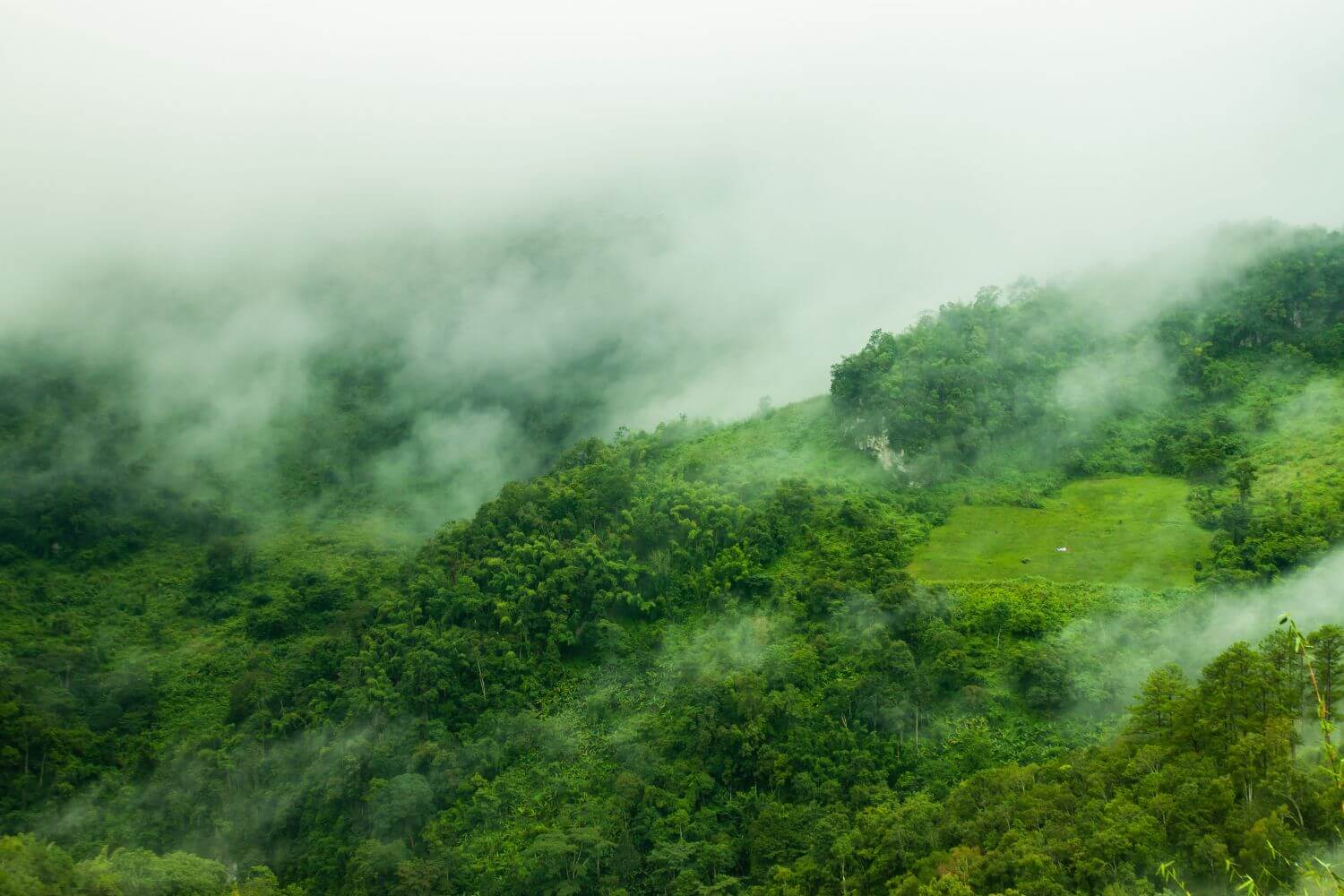
The mist on these cliffs in the early morning is your cue that you’ve timed your Chiang Dao Caves visit perfectly.
| Chiang Dao Caves — At a Glance | |
|---|---|
| Opening Hours | 8:00 AM – 5:00 PM daily (last entry approximately 4:30 PM) |
| Best Time to Arrive | 8:00 AM – 10:00 AM — coolest temperatures, fewest visitors, best light at the entrance |
| Entrance Fee | 40 THB per person for the lit section (subject to change — bring cash) |
| Lantern Guide Fee | 200 THB per group of up to 5 people (not per person) — tip generously, these guides are genuinely skilled |
| Dress Code | Shoulders and knees must be covered — this is an active temple site. Sarongs available at the entrance if needed. |
| Photography | Permitted throughout — no flash photography near the shrines out of respect |
| Accessibility | Lit section: manageable for most. Lantern section: uneven terrain, low ceilings in places, not suitable for limited mobility |
| Nearest Airport | Chiang Mai International Airport (CNX), roughly 1.5 hours south by road |
| Location | View on Google Maps — approximately 5km north of Chiang Dao town |
On dress code: because the Chiang Dao Caves form part of an active Buddhist temple complex, modest dress is not a suggestion — it’s required for entry. Shoulders and knees covered. If you arrive in shorts or a tank top, sarongs are usually available to borrow or purchase at the entrance. It’s easier to plan for it.
How to Get to the Chiang Dao Caves from Chiang Mai
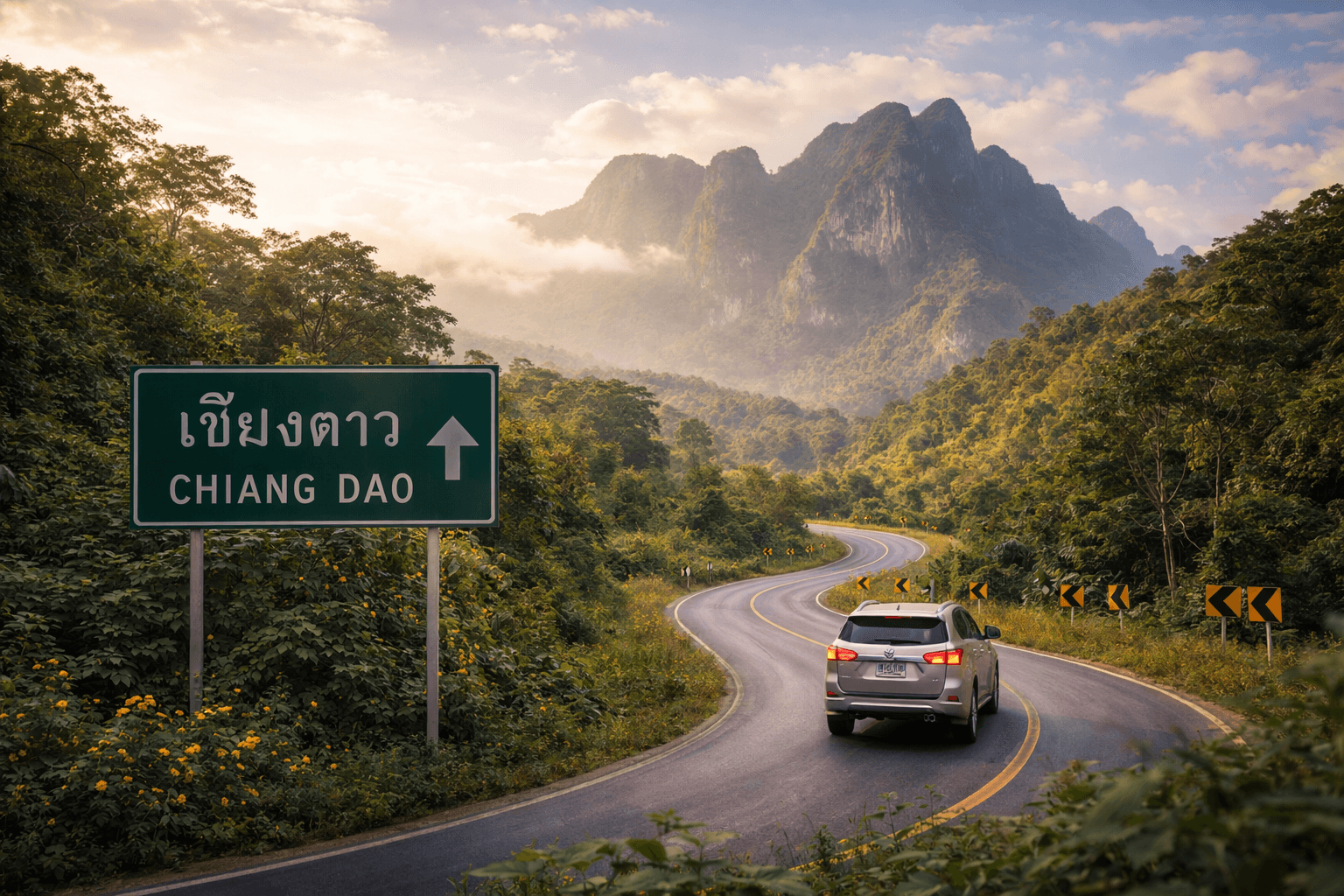
Route 107 north from Chiang Mai — one of the most scenic drives in Northern Thailand and the main road to the Chiang Dao Caves.
The Chiang Dao Caves sit approximately 70–80km north of Chiang Mai — about 1.5 hours by road. Most travelers fly into Chiang Mai International Airport (CNX) and continue north from there. There are three realistic options for getting there, and the right one depends on your travel style and what else you want to do with the day.
Option 1: Motorbike or Rental Car
Route 107 north from Chiang Mai to the Chiang Dao Caves is one of the most scenic drives in Northern Thailand. Open highway, mountain views building as you go, a lake section worth stopping at. Allow two hours and stop when something looks good. Note: the road is well-maintained but requires confident riding — especially if you plan to continue north of town toward the viewpoints.
Option 2: Public Bus or Songthaew
Buses to Chiang Dao depart regularly from Chang Phuak Bus Station in Chiang Mai (the north gate terminal). Journey time approximately 1.5–2 hours. From Chiang Dao town, a local songthaew or motorbike taxi covers the final 5km to the cave entrance. Cheapest option — budget around 100–150 THB total each way.
Option 3: Private Car, Driver & Guide
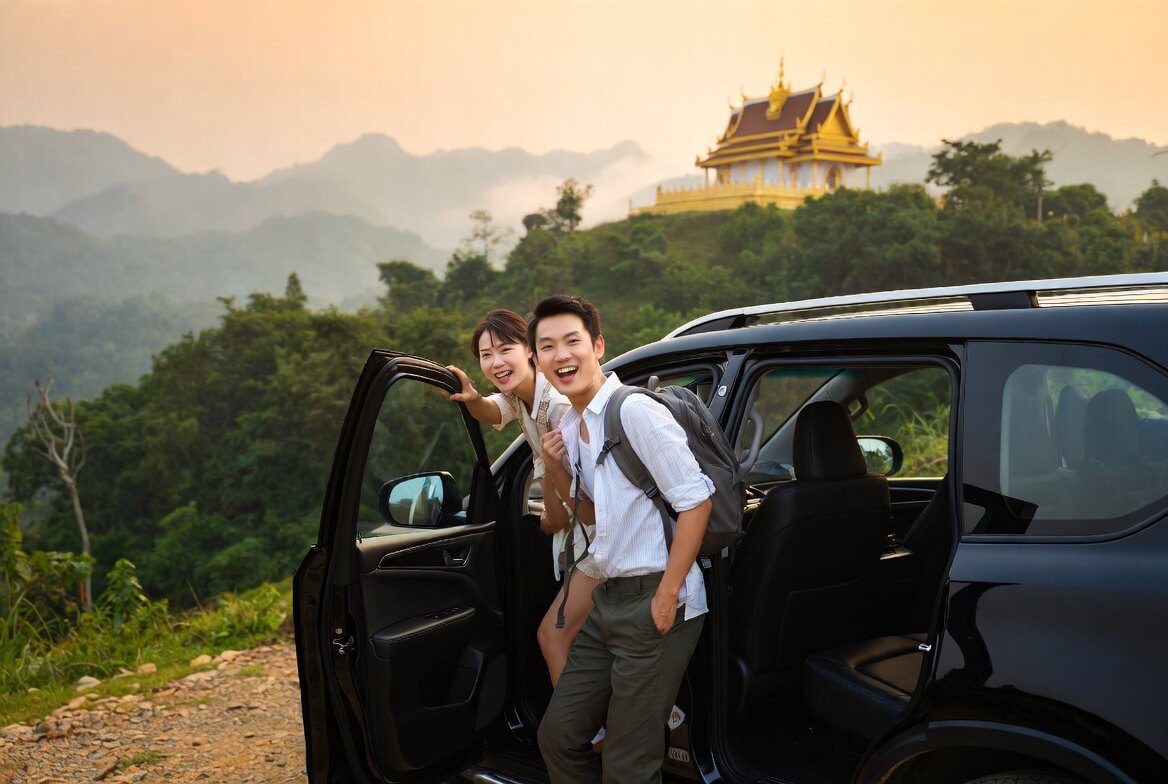
Off Path Thailand arranges private transfers from Chiang Mai with a dedicated car and driver who stays with you for the entire visit — no juggling songthaews, no logistics, no missed stops. Add a local cave guide and we can pair the Chiang Dao Caves with hot springs, rice paddy viewpoints, or a village drive north as part of one seamless, customisable day. Learn more about our private guide service →
Make It Part of a Custom Chiang Dao Itinerary
The Chiang Dao Caves work beautifully as the anchor of a fully customisable Chiang Dao itinerary — combine with hot springs, mountain viewpoints, boutique eco-lodge stays, and a private drive north through the valley. Off Path Thailand builds the whole thing around you. The cave alone justifies the day trip; the valley is worth several days.
What to Pack for Your Chiang Dao Caves Adventure
- Closed-toe shoes with gripCave floors — especially in the lantern sections — are uneven, occasionally slippery, and definitely not sandal-friendly. Trail runners are ideal.
- A light jacket or layerThe Chiang Dao Caves maintain a cool, consistent temperature regardless of the heat outside. After a hot drive up from Chiang Mai, the temperature drop at the entrance is a relief — but 30 minutes deeper in, a layer helps.
- Modest clothing (or a sarong)Shoulders and knees covered — non-negotiable for entry to this Thailand cave temple. Pack accordingly or budget for a sarong at the entrance.
- Cash (Thai Baht)Entrance fee, lantern guide tip, any market or food stops near the cave — all cash. No card readers at the Chiang Dao Caves entrance.
- Camera with good low-light capabilityThe lit chambers are photogenic but dim. A phone camera with a good night mode works well. For the lantern sections, the kerosene light creates beautiful golden tones — worth capturing, though the darkness makes it genuinely challenging.
- WaterThe caves themselves are cool, but the walk from the car park and any time spent outside in Northern Thailand heat requires hydration. Vendors near the entrance sell water but bring your own to be safe.
Support the Local Vendors at the Entrance
Right outside the cave entrance, you’ll find a small row of coffee stalls and simple restaurants run by local families, serving Thai tea, lemonade, Thai coffee, and basic meals. For a lot of these families, this stall is their only source of income. It’s a small thing, but buying a drink or a snack here before or after your visit genuinely helps support the community around the caves, and it’s exactly the kind of everyday, direct impact we try to encourage as part of our approach to sustainable tourism in Thailand.
It also happens to be a genuinely nice way to end the visit, sitting with a cold Thai tea in the shade after coming back out of the cool, dark caves, watching the mountain from ground level again.
Map: Chiang Dao Caves and Surroundings
Use the map below to see the cave entrance, the wider Chiang Dao area, and how it all sits relative to Chiang Mai.
Frequently Asked Questions About the Chiang Dao Caves
Chiang Dao Caves FAQ
Are the Chiang Dao Caves safe for children or older adults?
The Chiang Dao Caves lit section is manageable for most visitors including children and older adults — the path is clear and relatively level. The lantern-guided dark section involves uneven terrain, occasional low ceilings, and sections requiring ducking or careful footwork. It’s not recommended for very young children, those with limited mobility, or anyone uncomfortable in enclosed dark spaces. If you’re unsure, the lit section alone is genuinely impressive and entirely worth the visit.
Are there bats in the Chiang Dao Caves?
Yes — the Chiang Dao Caves are home to bat colonies, particularly in the deeper unlit sections. They stay high up near the cave ceiling and are entirely unbothered by visitors. Most people don’t notice them unless they look up deliberately. They’re part of the cave’s ecosystem and not a cause for concern. Watching them exit the cave entrance at dusk is actually one of the more remarkable things you can witness if your timing is right.
Can you visit the Chiang Dao Caves during the rainy season?
Yes — the Chiang Dao Caves are accessible year-round and the lit section is always open during normal hours. However, during the peak of the rainy season (August–September), rising water levels can restrict access to some of the deeper lantern-guided chambers temporarily. If the inner sections are a priority, cool season (November–February) is the safest bet. For a full seasonal breakdown of visiting the area, see our Chiang Dao 2026 guide.
How much does the lantern guide actually cost?
The lantern guide fee is 200 THB per group of up to 5 people, not per person. If you’re traveling solo, it’s worth asking at the entrance whether other visitors are looking to join a group and split the cost, though paying the full 200 THB alone is still very reasonable for the experience.
How long should I plan for a visit to the Chiang Dao Caves?
The lit section of the Chiang Dao Caves takes 30–45 minutes at a relaxed pace. Add 30–45 minutes for the lantern-guided section if you go deeper. With time at the temple area, exploring the exterior, and a quiet moment at one of the shrines, plan for 1.5 to 2 hours total. If you’re combining the Chiang Dao cave tour with the hot springs or valley viewpoints as part of a day trip from Chiang Mai, allow a full day.
Is the Chiang Dao Caves visit suitable as a solo Chiang Mai day trip?
Absolutely — the Chiang Dao Caves are one of the strongest Chiang Mai day trip options available. The lit section requires no guide and no advance booking. The lantern section just requires hiring a local guide at the entrance. The only practical challenge is transport within Chiang Dao itself — see the getting there section above. For the full picture of what makes Chiang Dao worth a longer stay, our things to do in Chiang Dao guide is a natural next step.
What’s near the Chiang Dao Caves worth combining with a visit?
The Chiang Dao Caves pair naturally with the Chiang Dao hot springs (20 minutes away), the rice field viewpoints along the valley floor, and a drive north toward the Chinese Yunnanese villages near the Burmese border. For anyone with time to stay overnight, our best places to stay in Chiang Dao guide covers the accommodation options near the cave area specifically. Also worth reading: the ultimate Chiang Mai things to do guide for building a wider trip around this region.
Conclusion: Is This Chiang Mai Day Trip Right for You?
The Chiang Dao Caves are not a theme park attraction. They’re not polished or packaged or designed to move you through efficiently. They’re a limestone mountain system that has been here for millions of years and a sacred site that has been here for centuries, and visiting them on their own terms — slowly, respectfully, going as deep as you’re willing to go — is one of the genuinely distinctive experiences available as a Chiang Mai day trip.
The blend of geological drama and genuine spirituality is what I keep coming back to. There aren’t many places where you can stand inside a formation that took millions of years to build and feel the accumulated weight of a thousand years of human reverence at the same time. The Chiang Dao Caves are one of them.
Would you brave the pitch-black tunnels with a lantern, or stick to the lit paths? Either choice is the right one — but I’d encourage you to go a little further than you planned. That’s usually where the good things are. And on your way out, stop by one of the small coffee stalls at the entrance, it’s a small gesture that means a real difference to the families running them.
For everything else the valley offers alongside the Chiang Dao Caves, our adventure travel style guide and the full Northern Thailand itinerary are the natural next reads.
If you’d like to visit the Chiang Dao Caves as part of a fully arranged, stress-free experience — private car and driver from Chiang Mai, a local guide who knows the inner chambers, and a customisable itinerary that fits your pace and travel style — Off Path Thailand handles every detail. Whether you’re planning a romantic getaway, a family day trip, or a longer northern Thailand circuit, we build the trip around you.
Visit the Chiang Dao Caves the Way They Deserve
Private car and driver from Chiang Mai. A local guide who knows the inner chambers. A fully customisable itinerary — caves, hot springs, viewpoints, and boutique stays — built around your travel style. Whether you’re coming as a couple, a family, or a solo traveler, we take care of every detail from pickup to drop-off.
Build Your Custom Chiang Dao Itinerary →Chat With Us on WhatsApp
Tell us your dates and we’ll help you build the right Chiang Dao day trip or multi-day itinerary around the caves and the wider valley.
Chat on WhatsApp
Thai-born founder of Off Path Thailand. I’ve visited the Chiang Dao Caves multiple times — including one visit where I sat in meditation in front of a shrine deep inside and watched a stranger, moved by the atmosphere, quietly do the same. I build trips for travelers who want the real Northern Thailand, not the packaged version. About the founder →