
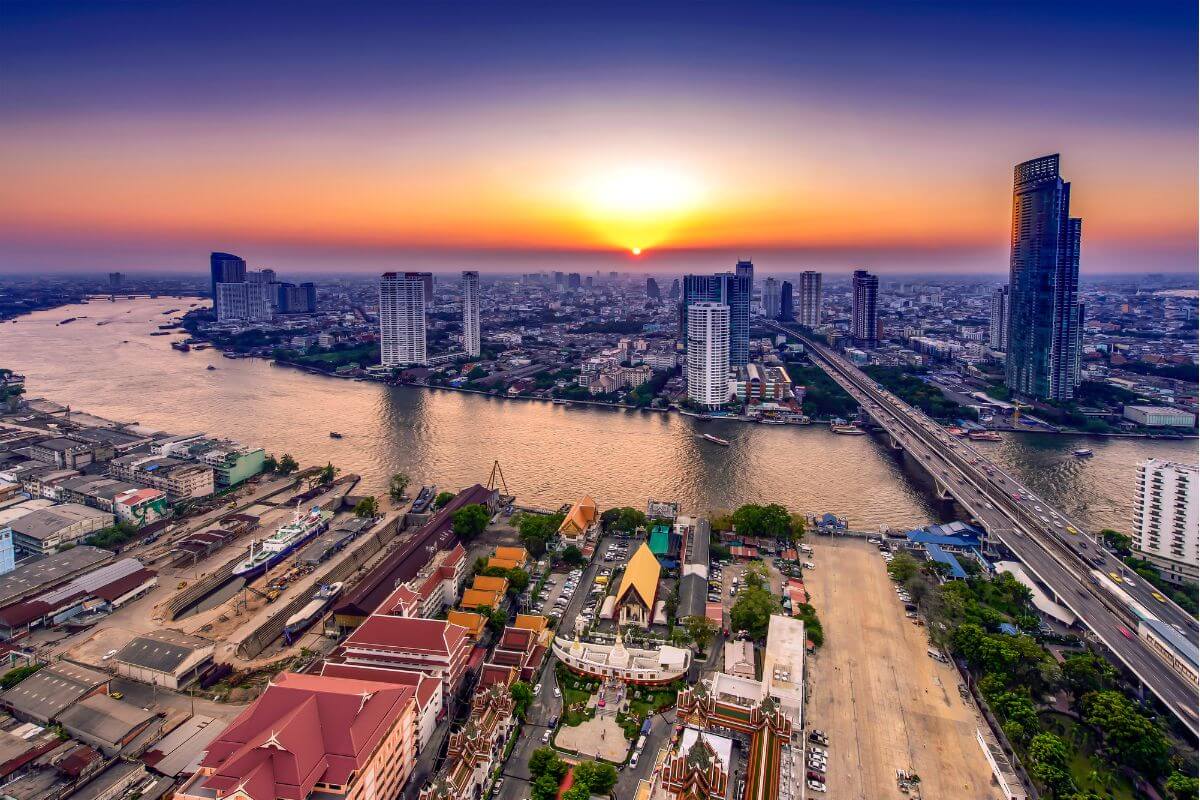
Getting Around Bangkok the Local Way
Bangkok today is a very different city from the one I grew up in.
Off the beaten path Bangkok 2026 is best explored using the same local transport Bangkok residents rely on every day.
I spent my childhood in Phrom Phong in the 1990s, when Sukhumvit was dense, chaotic, and defined almost entirely by traffic. There was no BTS, no mega malls, and very few high-rise condominiums. Emporium was the first major mall in the area. Everything else felt low, slow, and congested. During bad rush hours, it could take nearly two hours to travel from Phrom Phong to Nana—barely two kilometers. You could reach Pattaya in the same amount of time.
When the BTS Skytrain launched in the late 1990s, it felt surreal. In the beginning, rides were free as the system was tested and the public eased into using it. The initial lines were short—On Nut to Mo Chit, plus the Silom Line intersecting at Siam—but even in that limited form, it changed daily life immediately. A trip that once took hours suddenly took ten minutes. It was clean, electric, and didn’t add to the heavy smog Bangkok was already infamous for.
Over time, the MRT followed, canal boats were upgraded, buses modernized, and rail lines now connect both major airports. Bangkok today has one of the most varied urban transport systems in Southeast Asia—but most visitors only experience a fraction of it.
If you want to explore off the beaten path Bangkok—quiet neighborhoods, local food areas, green pockets, and places most visitors never reach—how you move through the city matters as much as where you go. The routes locals use are often faster, calmer, and more revealing than relying on cars alone. It’s also how we approach the city ourselves, and how we design journeys for guests who want to experience Bangkok in a more grounded, authentic way—by combining trains, boats, and short local connections rather than sitting in traffic.
This post pairs naturally with our Bangkok hidden gems guide. If you’re also exploring food, our Bangkok vegan and vegetarian guide is built with the same local-first approach.
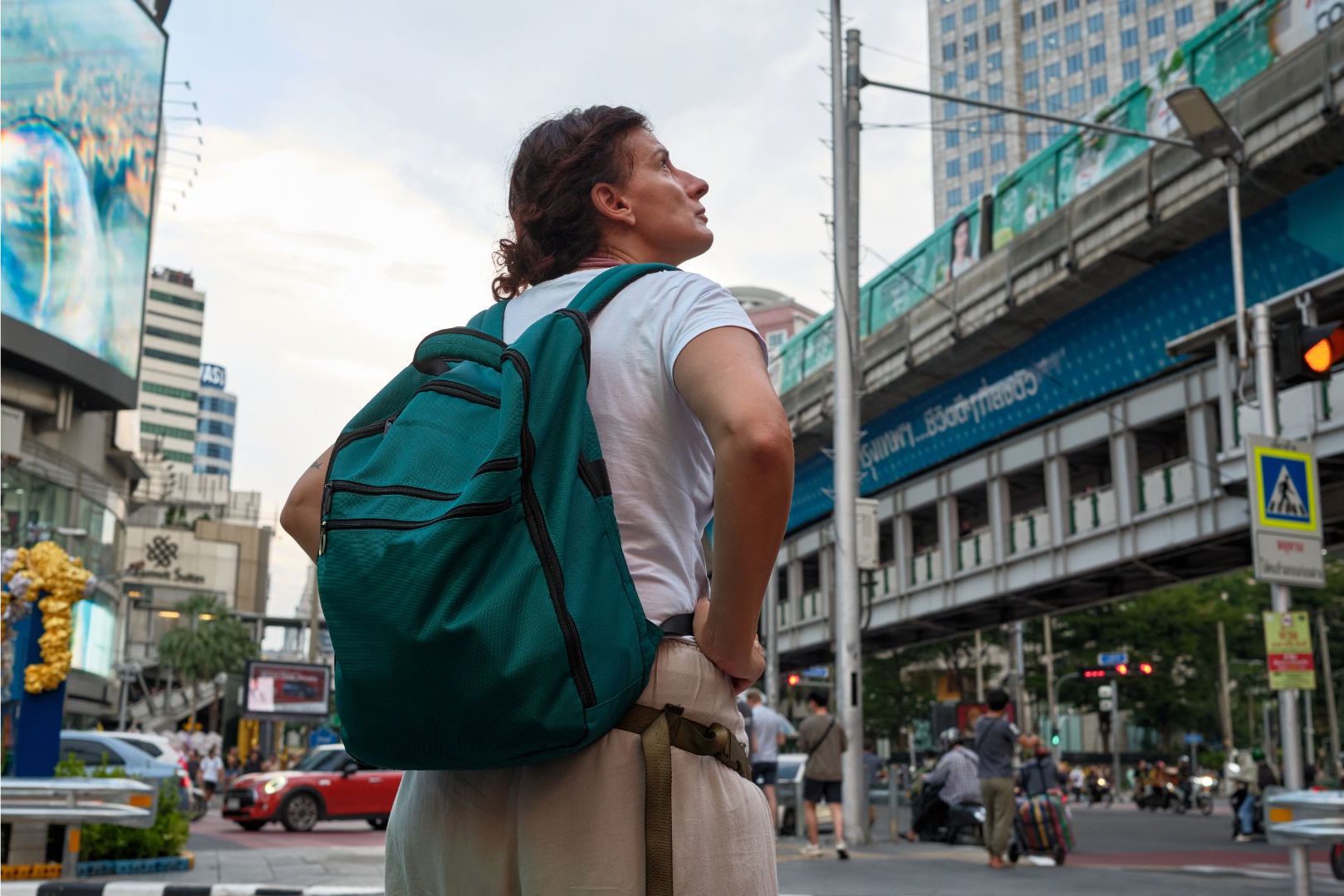
- Getting Around Bangkok the Local Way
- Why choose local transport for off-the-beaten-path Bangkok in 2026
- BTS Skytrain – how Bangkok changed overnight
- MRT subway – reaching older, less obvious districts
- Canal boats and river transport – fast, local, and still overlooked
- Local and EV buses – slow on paper, smart in practice
- Motorbike taxis and last-mile connections
- Airport and regional rail connections (when they make sense)
- Practical tips for moving around Bangkok calmly
- Conclusion – seeing Bangkok the way it actually works
- Is BTS or MRT better for getting around Bangkok?
- Are Saen Saep canal boats safe to use?
- What is the easiest way to reach quieter neighborhoods away from the main road?
- Are Bangkok buses worth using, and what are EV buses?
- Should I use tuk-tuks for off-the-beaten-path Bangkok?
Why choose local transport for off-the-beaten-path Bangkok in 2026
Off-the-beaten-path Bangkok is often less about distance and more about access. Some of the city’s calmest pockets are only a few kilometers from the center, but they can feel far away if you rely on cars during peak traffic.
Local transport solves that problem in a way taxis usually can’t. Trains are predictable, boats cut across the city without traffic, and buses cover the gaps where rail doesn’t reach. Used together, they make it easy to explore Bangkok without spending your day stuck on Sukhumvit or circling for turnarounds.
This approach also aligns with lower-impact travel. Public networks reduce congestion and emissions, and they support systems locals depend on every day. If you’re interested in the bigger picture, this connects closely with our approach to sustainable tourism in Thailand.
BTS Skytrain – how Bangkok changed overnight
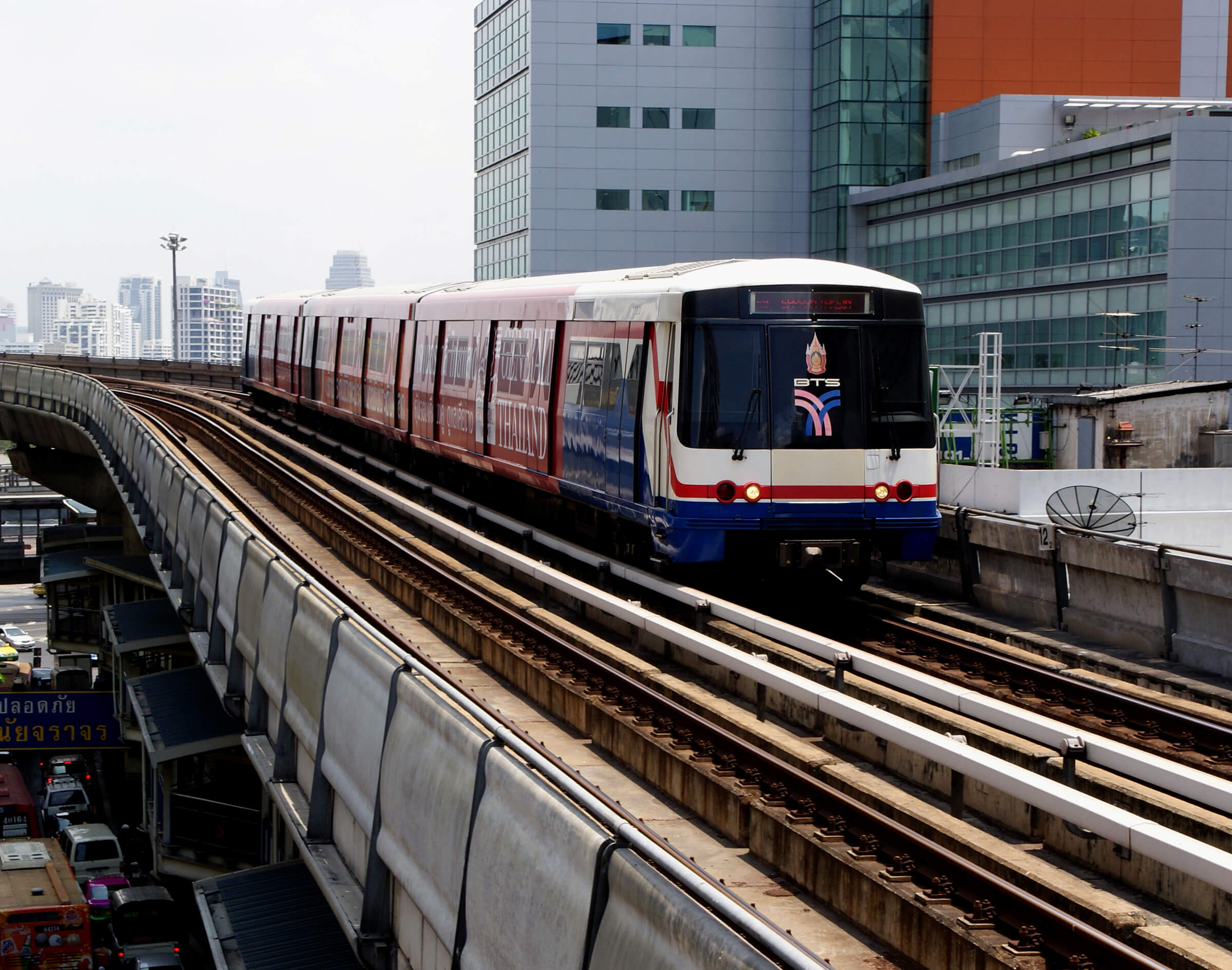
The BTS Skytrain is the single biggest reason Bangkok became navigable again. Even when it first opened with a short, limited route, it transformed daily life in Sukhumvit. It gave people a clean, electric alternative to streets that were never built for modern traffic volumes.
Today, the BTS works best as a fast backbone rather than a door-to-door solution. For off-path exploration, it gets you across the city quickly, then you finish with a short walk, boat connection, or motorbike taxi into smaller streets and sois.
Practical notes:
- Early mornings and late evenings are the quietest.
- A Rabbit Card saves time if you’ll ride multiple times.
- Rail won’t take you deep into sois; plan a last-mile connection when needed.
If you want transport to actively support your itinerary, pair BTS days with your key stops from the Bangkok hidden gems guide, then layer in boats or local connections for places trains don’t reach.
MRT subway – reaching older, less obvious districts
The MRT arrived later and initially felt limited, with Hua Lamphong as its last stop for many years. As it expanded, it became one of the most useful ways to reach older parts of the city where surface traffic is worst and where Bangkok feels more everyday and local.
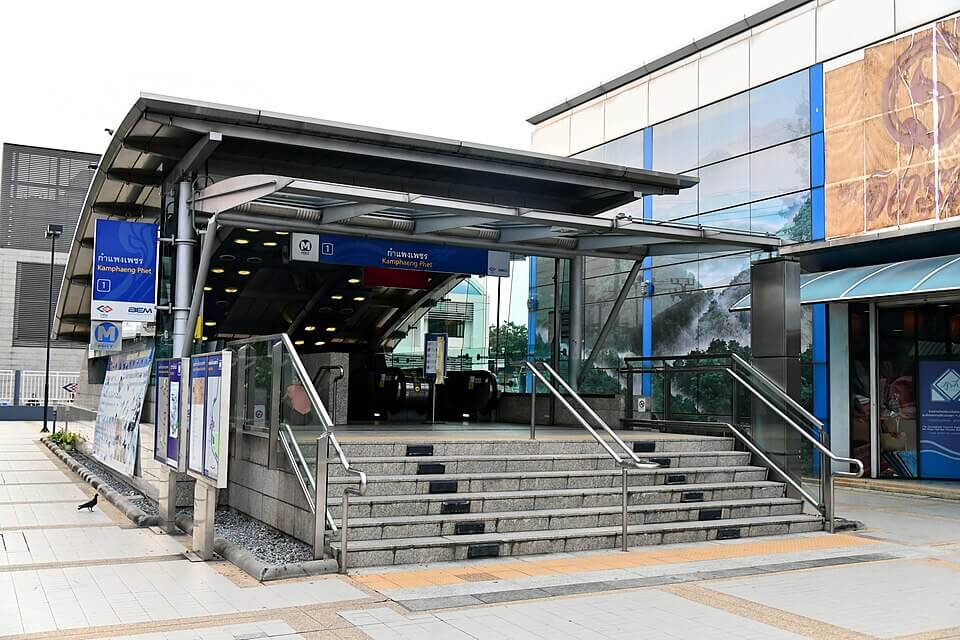
Interchanges make it easy to combine MRT routes with BTS lines and boat connections. If you’re planning an off-path day, this flexibility matters more than choosing a single “best” mode of transport.
Canal boats and river transport – fast, local, and still overlooked
Long before trains existed, boats were already one of the fastest ways to cross Bangkok. Saen Saep canal boats, in particular, have always been quick because they ignore traffic entirely.
Years ago, the canal system was rougher—boats were narrower, overcrowded, and occasional splashes from polluted canal water were common. Upgrades in recent years have made boats safer, more stable, and far more comfortable. The speed has always been the same: what can take hours by car can still be done in under thirty minutes by boat.
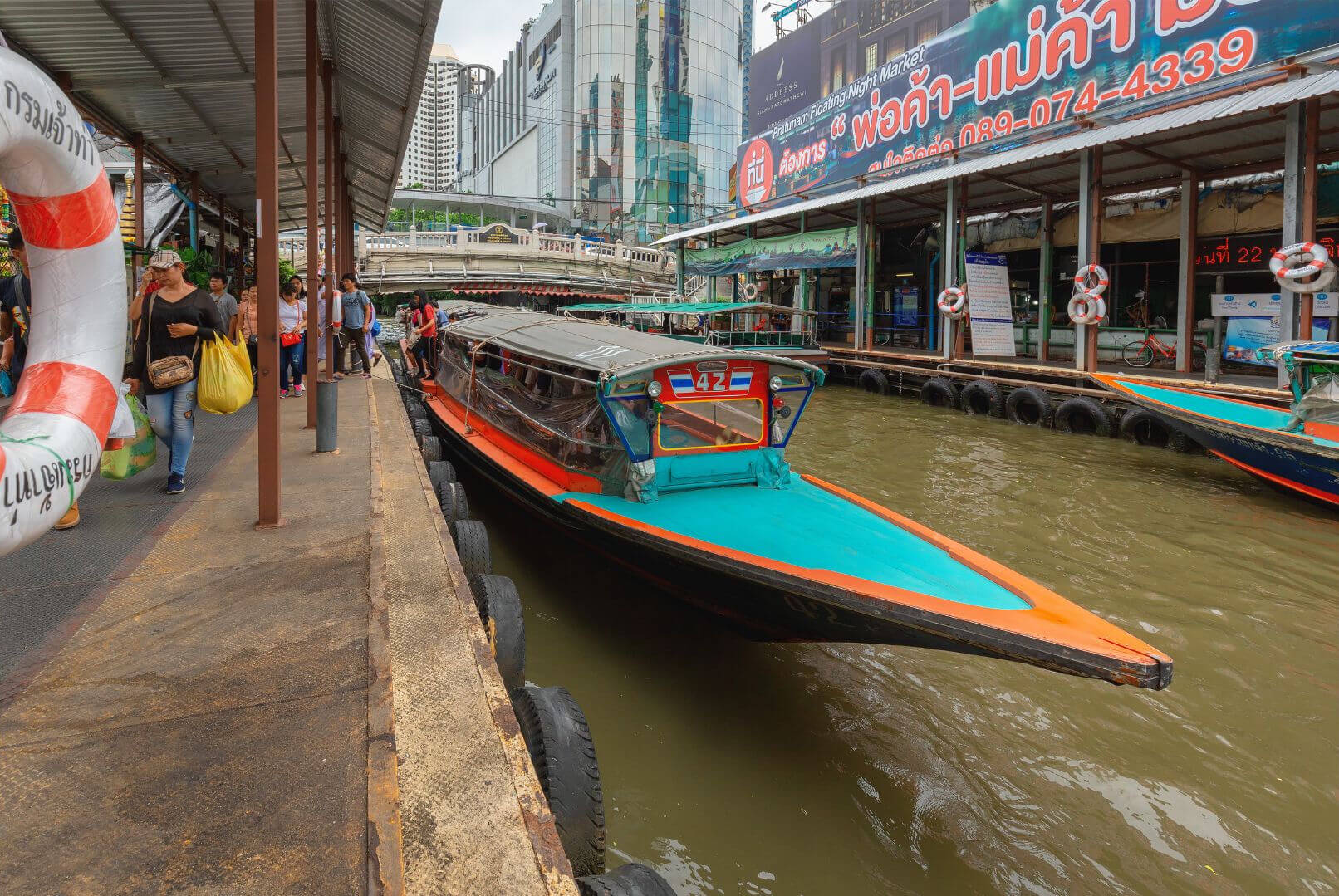
River transport on the Chao Phraya complements this well. Local express boats (not tourist cruises) connect riverside neighborhoods and can be paired with BTS stations like Saphan Taksin to keep your day efficient.
This is where multi-transport days make the most sense. A typical route might be BTS for the long distance, a canal boat to cross the city, and a short final connection at the end. It’s faster, calmer, and reveals a side of Bangkok most visitors don’t experience. It’s also how we design journeys for guests who want Bangkok to feel authentic and effortless—by combining modes that locals rely on instead of defaulting to traffic-heavy car routes.
Local and EV buses – slow on paper, smart in practice
Bangkok buses are often underestimated, but used correctly, they solve one of the biggest gaps in rail travel: getting into everyday residential areas and direct point-to-point routes without multiple transfers.
EV buses are increasingly common on some routes and are noticeably more comfortable—cleaner, quieter, and modern. When a bus route aligns with where you’re going, it can be simpler than navigating multiple station changes and long platform walks. Fares are modest, often capped around 25 baht.
Practical notes:
- Use a live-tracking app (such as ViaBus) so you’re not guessing.
- Choose air-conditioned or EV routes for comfort when available.
- Use buses strategically for access, not as a default replacement for rail.
Motorbike taxis and last-mile connections
Even with BTS and MRT expansion, rail won’t take you deep into Bangkok’s sois. Motorbike taxis solve that last-mile gap quickly and economically, especially when you want to reach calmer residential pockets that don’t connect directly to stations.
One local note: avoid calling a ride-hailing motorbike directly in front of an established motorcycle taxi stand. In some areas, this can create tension. If you’re unsure, using the local stand is usually faster anyway.
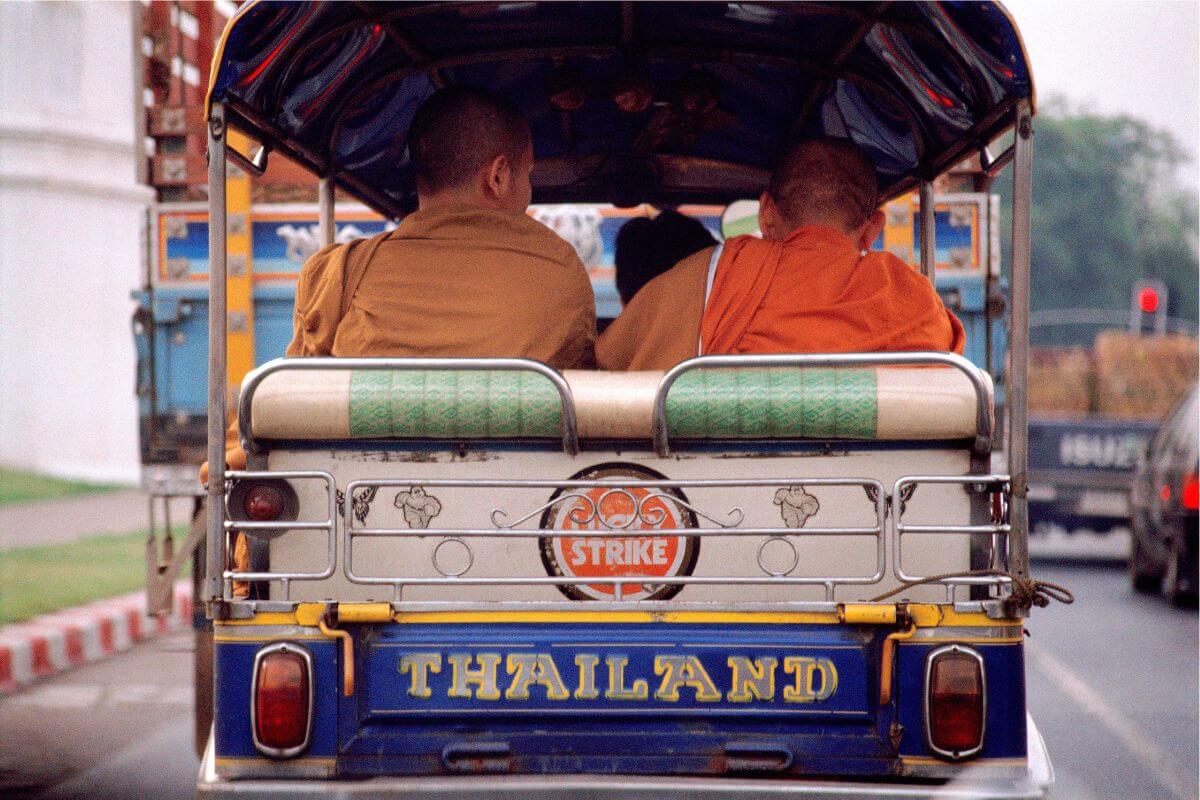
Tuk-tuks are mostly a novelty for visitors and often come with inflated pricing. In most cases, it’s more efficient to use BTS/MRT and connect locally, or use a motorbike taxi for short distances when the route makes sense.
For pure efficiency, a train plus a short motorbike taxi ride is often the fastest way to get around Bangkok—especially during peak congestion.
Airport and regional rail connections (when they make sense)
If you’re connecting flights or planning day trips outside the city, rail options can save time and reduce stress.
The Airport Rail Link connects central Bangkok to Suvarnabhumi Airport quickly and affordably. Rail connections have also improved for Don Mueang Airport, which serves many low-cost carriers.
There are also commuter trains that run through parts of Bangkok and beyond. These can be extremely economical for longer rides. Depending on your route, trains can reach places like Hua Hin or Kanchanaburi for under 100 baht.
If you’re planning routes outside the capital, this pairs well with our day trips from Bangkok guide.
Practical tips for moving around Bangkok calmly
- Travel early morning or later evening for quieter rides.
- Combine modes (rail + boat + short local connection) instead of relying on a single method.
- Avoid peak taxi hours when possible.
- Plan for last-mile access—many off-path spots start a few streets away from the main road.
- Prioritize predictable travel times over “shortest distance” routes.
Bangkok’s public transport network makes it easy to reach many of the city’s parks by MRT or BTS, allowing green spaces to fit naturally into everyday movement around the city.
Conclusion – seeing Bangkok the way it actually works
Bangkok isn’t chaotic by default—it’s misunderstood. Once you stop relying on cars for everything and learn how trains, boats, buses, and short local connections fit together, the city becomes calmer, faster, and far more revealing.
This is the same local-first lens we use across the site, from our Bangkok hidden gems guide to our broader approach to sustainable travel in Thailand. If you want to understand how we design experiences, you can also read how we’re different.
If you’re building your Bangkok itinerary around food as well, the Bangkok vegan and vegetarian guide pairs naturally with this transport approach.
FAQ (Local Transport in Bangkok 2026)
Is BTS or MRT better for getting around Bangkok?
BTS is usually best for crossing Sukhumvit and key elevated corridors quickly. MRT is often better for older districts and dense areas where surface traffic is slow. Many off-the-beaten-path days work best when you combine both with a short last-mile connection.
Are Saen Saep canal boats safe to use?
Yes. The system has improved over the years, and newer boats are more stable and comfortable. Canal boats are still one of the fastest ways to cross Bangkok because they bypass road traffic completely.
What is the easiest way to reach quieter neighborhoods away from the main road?
Use BTS or MRT as the backbone, then finish with a short walk or motorbike taxi into smaller streets and sois. Trains get you close; local connections get you into the calm pockets.
Are Bangkok buses worth using, and what are EV buses?
Buses are worth using when a route lines up directly with where you’re going, especially in areas trains don’t reach. EV buses are newer, quieter, cleaner buses that can be more comfortable than older models on some routes.
Should I use tuk-tuks for off-the-beaten-path Bangkok?
Tuk-tuks are iconic, but they’re usually not the most practical option. For most routes, trains plus a short local connection are faster and more predictable. If you do use a tuk-tuk, confirm pricing clearly before starting the ride.

About the author
Written by Thaewan, Thai-born founder of Off Path Thailand. My life changed after renting a scooter in Chiang Mai nearly a decade ago. I still remember the moment my jaw dropped at the natural beauty around me — riding into the distance with mountains on both sides felt more alive than any PS4 game I had ever played. Since that day, I’ve been hooked on this kind of travel — because there’s so much wonder to discover in Thailand’s quiet, hidden places. I’ve spent close to ten years exploring these off the beaten path corners and helping others experience parts of the country that feel far more meaningful than the usual tourist stops. About the founder
If you want to plan a calm, authentic Bangkok day built around local transport, start with our Bangkok hidden gems guide, then connect it with this transport approach to make the city feel effortless.