
Last Updated: September 17, 2026
Chiang Mai Rainy Season: When It Happens and What It’s Really Like
Chiang Mai Rainy Season: Why It’s Worth Visiting
TL;DR: Chiang Mai’s rainy season is actually the better time to visit, and I’d argue it’s underrated for exactly that reason. Costs drop across flights and hotels, air quality improves dramatically once the burning-season haze clears, everything turns lush and green almost overnight, crowds thin out noticeably, and the city genuinely feels more alive during these months than it does in the dry season. The one trade-off worth knowing: roads and trails can get slippery after heavy rain, so a bit of extra caution goes a long way.
Side Note: I’ve actually spent nearly a month in Chiang Mai during the haze season before, but I had to cut my stay short. The smoke triggered persistent rashes across my neck and constantly irritated my eyelids, making it unbearable.
I remember the exact week in early May in 2025 when the start of Chiang Mai rainy season hit. I had just landed from Bangkok and the air had been heavy and acrid for months with the burning season haze — the kind that lingers in your throat and turns distant mountains into hazy outlines. Then the rain came — sudden, loud, and unrelenting.
That’s why I wrote this Chiang Mai rainy season guide: to show you that while the world sees a storm, those of us who live here see the city finally coming back to life.
It poured for a couple of hours, and by the next morning the transformation was complete. The smell of wet earth rose from the ground, rich and grounding, as if the whole city had taken a deep breath and exhaled. The trees carried a fresh, clean scent that lingered in the air for days. I stepped outside, looked north, and there it was: Doi Suthep’s peaks standing sharp and clear against a softer sky, every ridge visible after months of being hidden.
For me, the rain isn’t an inconvenience in Chiang Mai. It’s the city’s grand reopening. This is when the North shows its true essence — lush, alive, and a huge relief for humans and animals alike.
Welcome to my favorite time to be here. This is exactly the kind of season where our adventure travel style shines — slower, more authentic, and deeply connected to the real Northern Thailand.
We also do custom tours that take you off-the-beaten-path into the more authentic routes and places in Chiang Mai.
You can also check out https://windy.app/ for the latest weather forecasts during Chiang Mai rainy season to plan around the daily showers.
- Chiang Mai Rainy Season: When It Happens and What It's Really Like
- Chiang Mai Rainy Season: Why It's Worth Visiting
- When Is Rainy Season in Chiang Mai, and What Are the Best Months to Visit?
- Chiang Mai Rainy Season Guide: Comparing the Weather and Air Quality
- Chiang Mai Monthly Rainfall and Landscape Trends
- Why I Plan My Days Around the "Power Shower"
- Chiang Mai Rainy Season Activities: Best Things to Do
- The "Neon Green" Phenomenon You Can't See in December
- The Honest Downsides of Visiting Chiang Mai in Rainy Season
- Why the Elephants (and I) Prefer the Mud
- Best Areas to Stay in Chiang Mai During the Rainy Season
- What to Pack for the Chiang Mai Rainy Season
- My "Quiet Luxury" Hack
- The Logistics I Use to Stay Dry — 2026 Edition
- Don't Just Visit Chiang Mai Rainy Season, See It Breathe
- Map of Things to in Chiang Mai during the Rainy Season
- Chiang Mai Rainy Season: Frequently Asked Questions
- Is the rainy season a good time to visit Chiang Mai in 2026?
- Which month is best for visiting Chiang Mai in the rainy season?
- How bad is the rain in Chiang Mai during the rainy season?
- Does it flood in Chiang Mai during the rainy season?
- Is it worth visiting elephant sanctuaries in the rainy season?
- Are hotels much cheaper in Chiang Mai during the rainy season?
- What should I pack for the Chiang Mai rainy season?
- Which months should you avoid visiting Thailand?
- Will there be a monsoon season in Chiang Mai in 2026?
- What is the wettest month in Chiang Mai?
- What's the difference between rainy season and burning season in Chiang Mai?
- Can Off Path Thailand arrange a private rainy season itinerary?
- Leave everything to us and experience Thailand off the beaten path
When Is Rainy Season in Chiang Mai, and What Are the Best Months to Visit?
Most guides will tell you November through February is the best time to visit Chiang Mai, cool, dry, clear skies, and they’re not wrong. But honestly? I actually prefer visiting during rainy season, and that preference is a big part of why I wrote this guide in the first place.
I’m the type of person who leans toward quiet over crowded, and Chiang Mai’s rainy season delivers that in a way the cool season simply can’t. The Old City feels calmer, the popular temples aren’t packed shoulder to shoulder, and there’s a stillness to the whole city that’s hard to find during peak season. There’s also something I genuinely love about the air itself during these months, the rain washes through every day or two, and the city just smells cleaner and fresher than at almost any other time of year. After spending time in Chiang Mai during burning season, that alone is reason enough for me to come back in the rain.
Then there’s the practical side, which honestly shouldn’t be underestimated. Flights up to the Chiang Mai Airport tend to be noticeably cheaper during rainy season, and hotels drop their rates since it’s considered “off-season” by most travelers. If you’re trying to stretch a Thailand trip further, this is genuinely one of the best times to do it financially.
The one real downside I’ll flag honestly: roads and some hiking trails can get slippery, especially in the mountains, so it’s worth being a bit more careful if you’re on a scooter or heading out on a trek after a heavy downpour.
So if you’re the kind of traveler who prioritizes comfort, predictability, and clear skies above everything else, the cool season (Nov–Feb) is still the safer, more conventional pick. But if you’re like me, and you’d rather trade a bit of rain for quieter streets, fresher air, and a noticeably lighter price tag, don’t write off Chiang Mai’s rainy season. It’s the reason I keep coming back during these months myself.
The Chiang Mai rainy season isn’t one uniform block — each month has its own character. Here’s what to expect:
| Month | Weather Summary | Landscape & Highlights | Pros | Cons / Notes | Best For |
|---|---|---|---|---|---|
| May | Transition month, first heavy rains | Air quality improves dramatically, landscape starts greening | Shoulder season prices, big relief from haze | Still warm (32–35°C) | First rain relief, budget travelers |
| June | Rainy season begins properly | Rice planting, terraces turn vivid green | Pleasant mornings, beautiful green landscapes | Afternoon rain most days | Photographers, nature lovers |
| July | Full green season | Deep vivid green everywhere, powerful waterfalls | Lush scenery, low crowds, local feel | Regular afternoon rain | Maximum greenery, peaceful travel |
| August | Peak rainfall, maximum drama | Waterfalls at their most powerful | Dramatic nature, thundering waterfalls | Highest rain & flooding risk | Photographers, dramatic landscapes |
| September | Wet but starting to ease | Hillsides golden + green, rice ripening | Still lush, lowest prices, very quiet | Some flooding risk | Budget + uncrowded travel |
| October | Sweet transition out of rain | Still lush & green, temperatures dropping | Beautiful landscapes, less rain, pleasant weather | Occasional showers | Best balance — lush + comfortable |
Chiang Mai Rainy Season Guide: Comparing the Weather and Air Quality
Chiang Mai AQI: Burning Season vs Rainy Season
Typical monthly Air Quality Index (US AQI scale) throughout the year
| Month | Avg AQI | Season |
|---|---|---|
| January | 78 | Cool/Dry |
| February | 165 | Burning |
| March | 285 | Burning |
| April | 245 | Burning |
| May | 105 | Transition |
| June | 55 | Rainy |
| July | 42 | Rainy |
| August | 45 | Rainy |
| September | 48 | Rainy |
| October | 58 | Rainy |
AQI figures are typical seasonal averages and will vary year to year. The contrast is the real story here: March routinely pushes into “very unhealthy” to “hazardous” territory from agricultural burning, while the Chiang Mai rainy season keeps AQI in the “good” range almost the entire time, this is the air quality drop I mean when I say rainy season is when the city actually breathes again.
| Aspect | March (Hot & Hazy Season) | Rainy Season (May–October) | Winner for Comfort |
|---|---|---|---|
| Average High Temp | 34–36°C (93–97°F) | 30–32°C (86–90°F) | Rainy Season |
| Average Low Temp | 21–23°C (70–73°F) | 23–24°C (73–75°F) | Similar |
| Feels-Like Temperature | Often 38–42°C+ due to heat + haze | Significantly cooler after rain | Rainy Season |
| Average AQI | 150–300+ (Unhealthy to Hazardous) | 30–70 (Good to Moderate) | Rainy Season |
| Air Quality Feel | Heavy haze, burning smell, eye & skin irritation | Fresh, clean air after rains | Rainy Season |
| Rainfall | Very low (1–2 rainy days) | Frequent afternoon showers | Depends on preference |
| Mountain Views | Often hidden by smoke | Clear and dramatic | Rainy Season |
Chiang Mai Monthly Rainfall and Landscape Trends
The Chiang Mai rainy season generally begins toward the end of April or early May, marking the transition from the intense heat of the dry season to a much cooler, more humid climate. During these early weeks, the rain typically arrives in the form of short, heavy bursts in the afternoon or evening, leaving the rest of the day clear and refreshed. As the season progresses through the summer months, the rainfall becomes more consistent, peaking in August and September. This cycle is essential for the region — it clears the air of seasonal haze and transforms the dusty brown hillsides into the vibrant, deep green landscapes that define the Northern Thai countryside.
Chiang Mai — Average Monthly Rainfall
Historical averages · Millimetres (mm) · Jan – Dec
| Month | Rainfall (mm) | Season |
|---|---|---|
| January | 5 | Dry |
| February | 10 | Dry |
| March | 30 | Dry |
| April | 55 | Dry |
| May | 160 | Rainy |
| June | 125 | Rainy |
| July | 145 | Rainy |
| August | 205 | Rainy |
| September | 225 | Rainy |
| October | 120 | Rainy |
| November | 40 | Dry |
| December | 8 | Dry |
Why I Plan My Days Around the “Power Shower”
Most first-time visitors see the afternoon clouds building and panic. They retreat to their hotel room for the rest of the day, convinced the rain has ruined their plans. I used to do the same, but now I embrace it as the cornerstone of my Chiang Mai rainy season approach — knowing the best moments happen right after the storm clears.
Mornings in the rainy season are a gift — clear, cooler, and calm after overnight showers. I head out early for a ride around the Old City when the light is soft and the crowds are still in bed. By early afternoon, I’m already tucked away in a favorite teak-wood café on the way to the mountains.
When the “Power Shower” arrives right on cue around 3 PM, I’m exactly where I want to be.
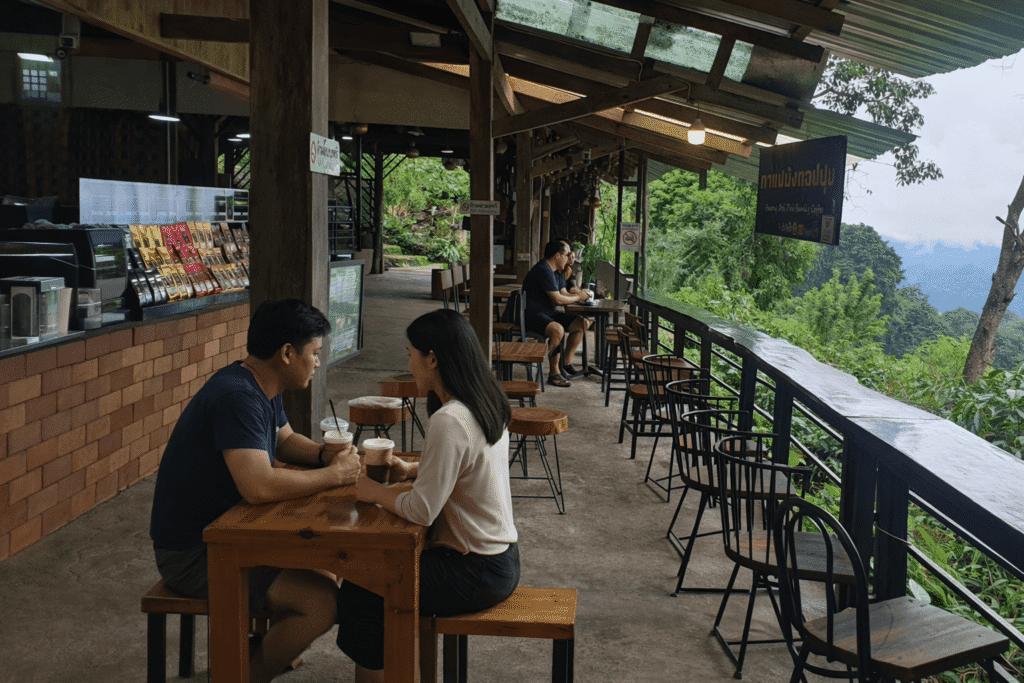
There’s something deeply satisfying about sitting inside while the rain hammers down. The sound of it on a tin roof while you spoon into a bowl of hot Khao Soi creates the kind of cozy feeling many travelers never experience in the dry season. The climate cools down, the air becomes cleaner, and the city feels chilled out in the best kind of way.
If you love using food as a way to truly discover local cultures, our Culinary Exploration Travel Style will suit you perfectly. And while planning your meals, don’t miss our breakdown of Chiang Mai street food prices 2026 so you can budget accurately and eat like a local.
I’ve learned to let the rain dictate the pace. Sometimes I’ll sit under the shelter of a large tree in a garden café and just listen. It’s a reminder that the best travel moments often happen when your own plans take a back seat. It’s also one of the most romantic times to be in Chiang Mai, which aligns perfectly with our Romantic Travel Style.
Chiang Mai Rainy Season Activities: Best Things to Do
One of the most common questions I get about the Chiang Mai rainy season is: “But what do you actually do when it’s raining?” The honest answer is — more than you’d think. Here are the experiences that either only work in the rainy season, or work significantly better because of it.
You can also check out our Northern Thailand itinerary for more ideas on how to experience Chiang Mai rainy season beyond the usual tourist path.
Visit the Waterfalls — This Is Their Season
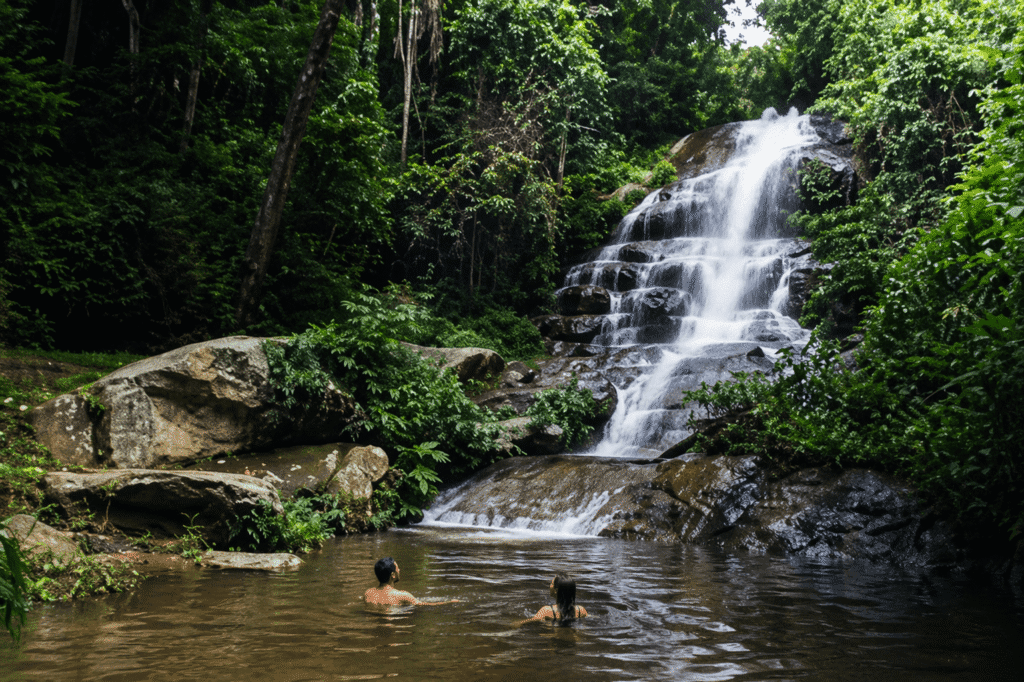
Mae Ya, Huay Kaew, Monthathan — every waterfall in the Chiang Mai region transforms between June and October. What’s a modest trickle in April becomes a wide, thunderous curtain of water. The sound alone at Mae Ya during peak flow is worth the drive. If waterfalls are on your list, the Chiang Mai rainy season is the only time they’re genuinely worth it.
Doi Inthanon in the Clouds
Thailand’s highest peak, Doi Inthanon National Park, is extraordinary year-round but otherworldly during the rainy season. The cloud forest near the summit becomes genuinely misty and atmospheric — a completely different experience to the dry, dusty version peak-season visitors encounter. Go early, bring a warm layer, and plan for the summit to be in cloud. That’s the whole point.

Morning Rides Around the Old City
The Old City in the early morning after an overnight rain is one of my favorite versions of Chiang Mai rainy season. The streets are clean, the temples are glistening, the light is soft, and almost nobody else is around. Rent a bicycle and just ride with no agenda and no checklist. The moat reflecting the trees, the smell of the wet stone, and the monks walking their morning alms rounds: this is the Chiang Mai that stays with you.
Ethical Elephant Sanctuaries (See Below)
The rainy season is genuinely the best time to visit ethical elephant sanctuaries around Chiang Mai. The animals are more active, more expressive, and more natural in the cooler, wetter conditions. Sanctuaries are significantly less crowded. The whole experience feels more honest — more about the elephants and less about the queue of visitors. I cover this in more detail in its own section below.
Thai Cooking Classes
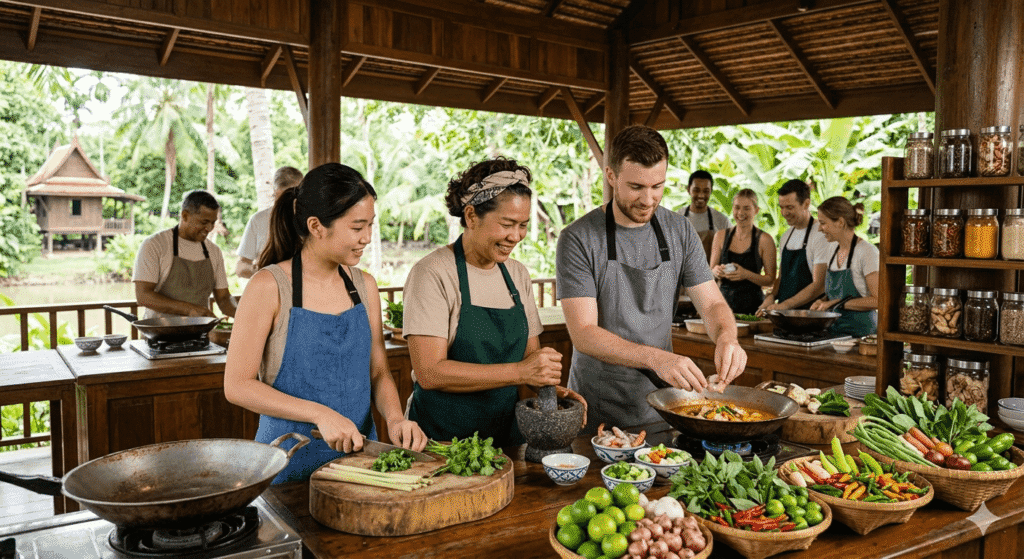
A rainy afternoon and a cooking class are a natural match. Most classes in Chiang Mai include a morning market visit — best done early before the rain — followed by indoor cooking sessions that are perfectly timed for when the afternoon showers arrive. You leave with full hands, a full stomach, and recipes that actually work at home.
Drive to Chiang Dao or Mae Klang Luang
The drive north toward Chiang Dao or east toward Mae Klang Luang during the rainy season is one of those drives that people describe years later. The rice terraces are glowing, the mountains are half-wrapped in cloud, and the roadside jungle is so thick and green it almost feels tropical. You don’t need a destination. Just drive and stop when something looks extraordinary — and something always does.
Nimman Café Hopping
Chiang Mai’s café scene in the Nimman area is genuinely world-class, and the Chiang Mai rainy season turns café hopping into an art form. Spend a morning moving between coffee shops — many in beautiful teak houses or garden settings — and let the rain become the background rather than the interruption. My personal approach: one café per “Power Shower,” move when it clears.
Spa Days and Traditional Massage
This is the season where Chiang Mai’s excellent and affordable spa scene earns its keep. A traditional Thai massage or herbal compress treatment on a rainy afternoon, in one of the Old City’s beautiful wooden sala, is one of those wellness travel experiences that becomes a reference point for everything that comes after. Book in the early afternoon, time it perfectly with the Power Shower, and emerge into clean, cool post-rain air. That sequence is hard to beat.

The “Neon Green” Phenomenon You Can’t See in December
Peak season visitors in December and January often comment on how beautiful Chiang Mai is, but they miss one of its most striking seasonal shifts. Those months are drier, yes, but the landscape is often brown and tired after months without significant rain. The rice fields sit harvested and dusty.
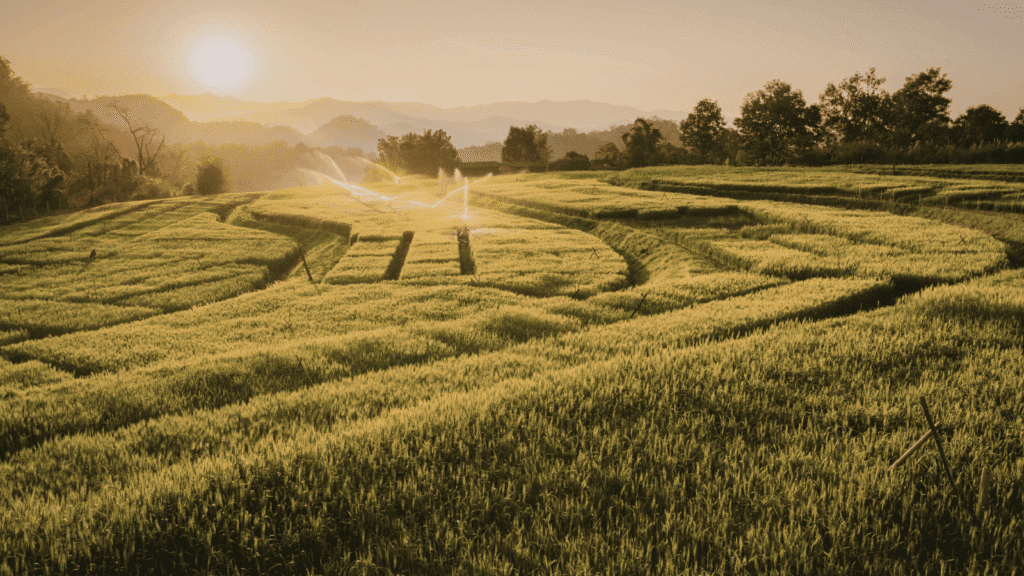
Come the Chiang Mai rainy season and everything changes. Drive out toward Mae Klang Luang or along the road to Chiang Dao and you’ll see what I call the “Electric Green” phenomenon. The rice terraces glow with an intense, almost neon vitality that photographs never quite capture. The hillsides fill out, the jungle thickens, and the whole countryside feels renewed.
I also love the rich, earthy scent that rises from the trees and forest floor after a day of heavy rain. That fresh, almost sweet aroma that lingers in the air and makes every drive or walk feel brand new.
The payoff is even clearer at the waterfalls. Mae Ya, one of the most impressive in the region, transforms into a roaring powerhouse during these months. What’s a modest trickle in April becomes a wide, thunderous curtain of water cutting through the rocks. The sound alone is worth the trip.
This is the version of Northern Thailand I fell in love with years ago — the one that feels truly alive and generous rather than posed for photos.
This is exactly what our Group Discovery Travel Style is all about — immersing ourselves in the real, breathing Northern Thailand rather than rushing through the usual tourist checklist.
You can also explore our Nan destinations page and Nan itinerary for more ways to experience the region during Chiang Mai rainy season.
The Honest Downsides of Visiting Chiang Mai in Rainy Season
I believe in honest travel writing, so I’m not going to pretend the Chiang Mai rainy season is perfect for everyone. Here are the real trade-offs you should know before you book.
At a Glance: The Trade-Offs
💧 Flooding in Low-Lying Areas
After particularly heavy August or September storms, some streets in the lower Old City, sections near the Ping River, and occasional roads leading to mountain villages can flood temporarily. It’s usually short-lived, a few hours, but it can disrupt plans and make walking unpleasant. If you’re booking accommodation, avoid properties directly adjacent to the river or in notably low spots. Ask your host specifically about their flooding history. Most reputable guesthouses will tell you straight.
🛣️ Mountain Roads Can Close
Some unpaved or poorly maintained roads leading to mountain villages, remote viewpoints, and certain sections of trail toward Chiang Dao and beyond become impassable or genuinely dangerous after sustained heavy rain. Landslides, though uncommon, do happen in the region. If you’re planning a motorbike route into the mountains, check conditions the morning of and have a flexible backup plan. This is one of the strongest arguments for having a local guide or private driver who knows current road conditions.
🐛 Leeches on Jungle Trails
If you’re hiking through dense jungle, particularly in national parks and forested trails, leeches are a real and somewhat unavoidable part of the rainy season experience. They’re harmless but unpleasant. Bring salt, tuck your trousers into your socks, use insect repellent on your boots and ankles, and check yourself after any trail walk. It’s not a reason to avoid hiking entirely, just something to go in prepared for.
💦 Humidity Between Showers
In the hours between rain events, particularly in June and July before the afternoon shower clears the air, the humidity can be intense. Clothes stay slightly damp. Camera lenses fog up. Electronics need careful storage. It’s manageable with the right clothing and habits (quick-dry fabrics, waterproof bags for gear), but it’s worth knowing about if you’re not used to tropical humidity.
🏍️ Motorbike Riding Is More Hazardous
Wet roads, reduced visibility in heavy rain, and slippery painted road markings make motorbike riding significantly more dangerous during the Chiang Mai rainy season than the dry months. If you’re an experienced rider this is manageable with care and appropriate speed. If you’re less confident on two wheels, this is the season I’d most strongly recommend a private car and driver over a rented scooter, especially for mountain routes.
Why the Elephants (and I) Prefer the Mud
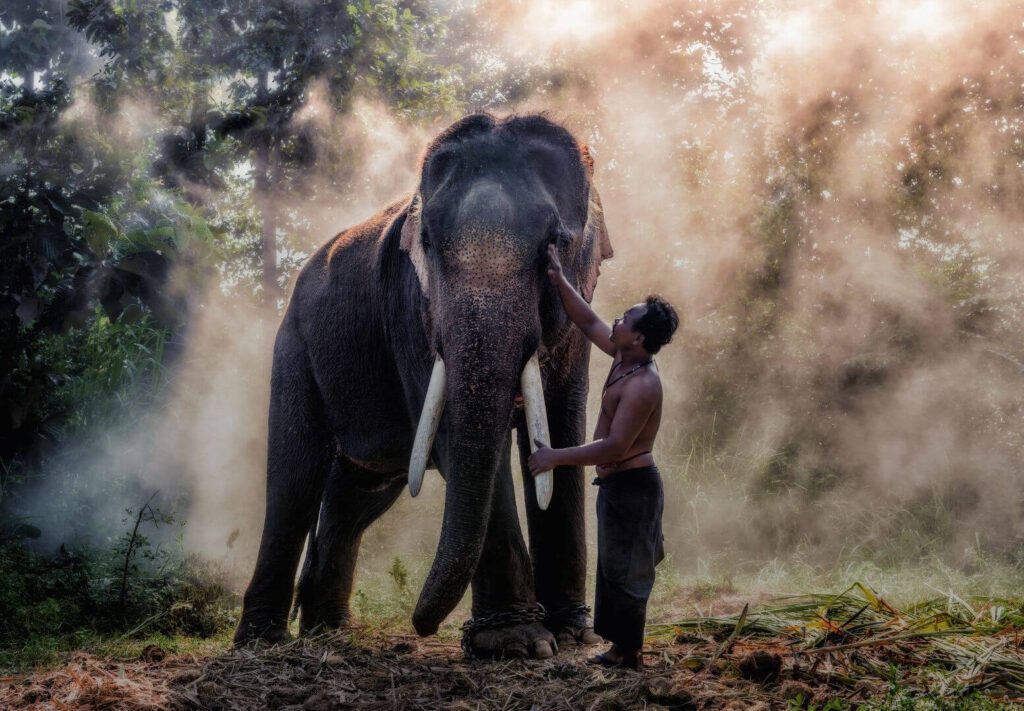
After years of visiting and recommending ethical elephant sanctuaries around Chiang Mai, I’ve noticed a clear pattern. In the intense 40°C (104°F) heat of April, the elephants tend to be more lethargic. They conserve energy, seek shade, and move more tiredly.
In the rainy season, they come alive. The cooler temperatures and frequent showers suit them perfectly. I’ll never forget watching a wild elephant during a downpour a few years ago. The elephant lowered itself into a muddy wallow with obvious delight, rolling and coating herself thoroughly while the rain continued to fall. It was a reminder that these are animals who naturally thrive in wetter conditions.
This is one of the main reasons I now prefer booking Northern trips during the Green Season. The elephants are more active and expressive, the experience feels more natural, and the sanctuaries are far less crowded. It’s simply a better welfare situation all around.
This aligns perfectly with how we design all our trips — we build everything around sustainability and genuine animal welfare, and we wouldn’t do it any other way.
Best Areas to Stay in Chiang Mai During the Rainy Season
Where you stay during the Chiang Mai rainy season matters more than it does in the dry months. Good drainage, proximity to covered walkways and indoor spaces, and elevation all become relevant considerations. Here’s how the main areas compare.
Nimman (Nimmanhaemin) — My Top Pick
Nimman is my first recommendation for rainy season visitors, and it’s not close. The area sits on slightly higher ground than much of the city, drains well, and is packed with covered cafés, restaurants, and indoor spaces that make rainy afternoons genuinely enjoyable rather than inconvenient. Walking between venues is easy even in the rain. The accommodation ranges from budget-friendly guesthouses to excellent boutique hotels. If the Power Shower arrives and you’re in Nimman, you have thirty good options within a five-minute walk for sitting it out in comfort.
The Old City — Atmospheric but Watch the Lower Sections
Staying in the Old City during the Chiang Mai rainy season gives you the most atmospheric version of the city — wet temple walls, misty moat, early morning streets that belong entirely to you. Most of it drains well. The areas to be more careful about are the lower sections near the south moat wall, which can pool water after very heavy rain. Ask your accommodation specifically about their immediate area. The upper Old City and areas near Tha Phae Gate are generally fine.
Ping River / Charoen Prathet — Beautiful but Higher Risk
The riverside area is gorgeous and has some of Chiang Mai’s most characterful hotels and guesthouses. In the dry season it’s one of my favorite places to stay. During the Chiang Mai rainy season — particularly August and September — the Ping River can rise significantly after sustained rain, and some riverside properties have experienced flooding in recent years. I wouldn’t write it off entirely, but I’d research your specific property carefully and choose upper floors if you book here during peak rain months.
Doi Suthep Foothills / Huay Kaew Road — Elevated and Dramatic
For travelers who want the most dramatic rainy season experience — maximum green, maximum mist, the mountain visible from your window — staying up in the Huay Kaew or Doi Suthep foothill area delivers exactly that. The elevation keeps temperatures lower, the views of the city below are extraordinary after rain, and the waterfalls nearby are thundering. The trade-off is that you’re further from the Old City and Nimman, and mountain road access can be affected by very heavy rain. Best with a private car rather than a scooter in this season.
What to Pack for the Chiang Mai Rainy Season
Packing well for the Chiang Mai rainy season is less about having expensive gear and more about having the right habits. Here’s exactly what I bring and what I recommend to every traveler I send here during these months.
At a Glance: What to Pack
☔ The Poncho Over Everything Else
I’ve tried expensive technical rain jackets, Gore-Tex everything, premium travel umbrellas. My honest recommendation is still the plastic poncho from 7-Eleven. They cost about 60–80 THB, they cover you and your bag, they’re light enough to stuff in a pocket, and when one tears or gets left somewhere, it doesn’t matter. In the humidity of the rainy season, a heavyweight rain jacket just makes you sweat. The poncho wins every time.
👕 Quick-Dry Everything
Cotton stays damp for hours in high humidity during Chiang Mai rainy season. Pack quick-dry shirts, shorts, and trousers, the kind marketed at hikers and travelers. They dry overnight, they don’t hold the humidity against your skin, and they pack small. If you forget to pack them, Chiang Mai’s markets and sporting goods shops sell affordable options everywhere.
🎒 A Dry Bag or Waterproof Pack Cover
Your camera, laptop, and phone are the things you really can’t afford to get soaked. A small dry bag or a waterproof cover for your day bag is worth every baht. I use a simple roll-top dry bag that fits inside my regular backpack for day trips, camera gear, phone, and a dry shirt inside, everything else I’m less worried about.
👟 Closed-Toe Shoes for Hiking Days
Sandals are fine for the city, but any day involving trails, waterfalls, or mountain terrain during the Chiang Mai rainy season needs proper closed-toe shoes with grip. The trails get slippery, the soil turns to mud, and your ankles need protection from both twisted steps and leeches. Trail runners work well, they dry faster than hiking boots and handle the terrain.
🧥 A Light Layer for Evenings
Temperature: After the rain clears in the early evening, temperatures drop noticeably, sometimes to 22–24°C in the higher areas. A light long-sleeve layer or thin jacket is useful for outdoor dinners, evening market walks, and anywhere with heavy air conditioning. Not a heavy fleece, just something to take the edge off.
🦟 Insect Repellent
Standing water after rain creates mosquito breeding conditions. Repellent with DEET or a natural alternative (citronella-based products are widely available in Chiang Mai’s markets) is worth applying for any evening outdoors. If you’re hiking, use it on your boots and ankle area for leeches as well.
My “Quiet Luxury” Hack
Here’s something I’m always honest about with clients: the rainy season is hands-down the most therapeutic time I’ve found to be in Chiang Mai, especially when arriving from the humidity of Bangkok. It’s why this Chiang Mai rainy season guide focuses so much on the sense of relief and renewal that only these months can provide.
After months of breathing polluted air and navigating the constant chaos of Bangkok, stepping into Chiang Mai during the Green Season feels like a full-system reset. The air is noticeably cleaner, the temperature is cooler, and the constant background noise of the city is replaced by the soothing rhythm of rain and rustling leaves.
I genuinely feel rejuvenated. The markets overflow with the smell of fresh, seasonal fruit — sweet mangoes, crisp guava, and juicy rambutans picked at their peak. Mornings are spent happily breathing in the rich, earthy scent of the forest after overnight rain, while afternoons are slower with the sound of water on rooftops. There’s something deeply restorative about being surrounded by nature instead of concrete and traffic.
This is why a trip to Chiang Mai aligns so well with our Wellness Travel Style.
This season quietly brings out the best version of me — more patient, more present, and more energized. And because the crowds are smaller, I can enjoy this sense of renewal without rushing or competing for space. For me, that’s the real luxury.
The Logistics I Use to Stay Dry — 2026 Edition
Staying comfortable in the Chiang Mai rainy season is mostly about smart habits rather than fighting the weather.
For transport, I almost always choose Grab over open-air tuk-tuks. The convenience and protection from sudden showers make the small extra cost worth it, especially when carrying camera gear or after a spa treatment.
As for gear, I’ve tried expensive technical raincoats and fancy umbrellas, but my rainy season secret is much simpler: the plastic poncho. You can grab them at any 7-Eleven for a couple of dollars — lightweight, easy to replace, and far more practical in the high humidity where heavier coats just make you sweat.
For those who prefer a smoother, more supported experience, every trip I arrange can be fully customized however you like. You’ll have a private guide and comfortable car with driver with you the entire time, so everything is taken care of and you can relax fully.
Just send me a quick message on WhatsApp if you’d like to know more.

Don’t Just Visit Chiang Mai Rainy Season, See It Breathe
The rain doesn’t hide the beauty of the North. It reveals it. This Chiang Mai rainy season guide is built on the belief that the lush landscapes, the cleaner air, and the quiet mornings of renewal are only possible because of these months of generous rainfall.
I don’t just plan these trips — I live them. After years of experiencing Chiang Mai across every season, the Green Season remains my favorite by a wide margin. It offers a more authentic, comfortable, and affordable window into the real Northern Thailand.
If you want to see the version of Thailand I fell in love with — the quiet, misty, neon-green one — let’s build your 2026 Green Season itinerary.
Map of Things to in Chiang Mai during the Rainy Season
Prefer a quick chat?
Message us directly on WhatsApp
If you already have an idea of your trip, send us a message — we’ll guide you through the best options for your travel style.
Chat on WhatsAppChiang Mai Rainy Season: Frequently Asked Questions
Is the rainy season a good time to visit Chiang Mai in 2026?
Yes — and as this Chiang Mai rainy season guide explains, May through October are genuinely some of the best months to visit. The air is clean and fresh, temperatures are more comfortable than the burning season, the landscape turns electric green, and you’ll enjoy significantly lower prices and far fewer crowds than peak season.
Which month is best for visiting Chiang Mai in the rainy season?
June, July, and October are the sweet spots in the Chiang Mai rainy season for most travelers. June and July give you the full green season experience with reliable but manageable rain. October offers the visual rewards of a full rainy season with noticeably less rain and the added bonus of the Ork Phansa festival. August and September are the wettest months — spectacular but with more flooding risk.
How bad is the rain in Chiang Mai during the rainy season?
The rain usually comes in short, heavy “Power Showers” in the late afternoon — typically 30 to 90 minutes — before clearing. Mornings are almost always clear and pleasant. Most travelers find the Chiang Mai rainy season easy to plan around once they understand the pattern: use mornings for outdoor activities, plan an indoor café stop or spa for the mid-afternoon, and resume outdoor plans once the rain clears.
Does it flood in Chiang Mai during the rainy season?
Some low-lying areas — particularly sections near the Ping River and the lower Old City — can experience temporary flooding after particularly heavy August or September storms. It’s usually short-lived and manageable. Choosing accommodation in higher areas like Nimman or the upper Old City significantly reduces any flooding risk during the Chiang Mai rainy season.
Is it worth visiting elephant sanctuaries in the rainy season?
Absolutely — and in my view the Chiang Mai rainy season is the best time for it. Elephants are more active, playful, and natural in the cooler, wetter conditions. Sanctuaries are far less crowded than in peak season. The experience feels genuinely more ethical and more meaningful when you’re not sharing it with a hundred other visitors.
Are hotels much cheaper in Chiang Mai during the rainy season?
Yes, significantly. Many boutique hotels and quality guesthouses in Nimman and the Old City offer 30–50% lower rates compared to peak season (December–February). One of the practical benefits of the Chiang Mai rainy season is accessing higher-quality accommodation at much more accessible prices — it’s the same rooms and the same views, just fewer people competing for them.
What should I pack for the Chiang Mai rainy season?
The essentials for the Chiang Mai rainy season are: a lightweight poncho (the 7-Eleven ones are genuinely the best option), quick-dry clothing, a waterproof bag or dry bag for electronics, closed-toe shoes for any trail days, a light evening layer for post-rain temperature drops, and insect repellent. See the full packing section above for detailed recommendations.
Which months should you avoid visiting Thailand?
For Northern Thailand specifically, the months to avoid are March and April, not for rain, but for burning season, when agricultural fires cause severe air quality drops across the region. If you’re asking specifically about the Chiang Mai rainy season, there’s no real need to avoid it outright, but August and September bring the heaviest rainfall and the highest (though still low) risk of localized flooding.
Will there be a monsoon season in Chiang Mai in 2026?
Yes, Chiang Mai’s monsoon-driven rainy season follows a fairly consistent pattern each year, typically running from May through October, with the heaviest rain in August and September. While exact dates and intensity shift slightly year to year, the Chiang Mai rainy season in 2026 is expected to follow this same general timeline.
What is the wettest month in Chiang Mai?
September is typically the wettest month of the Chiang Mai rainy season, closely followed by August. Both months bring the heaviest downpours and the greenest landscapes, along with a slightly higher (though still manageable) risk of localized flooding in low-lying areas.
What’s the difference between rainy season and burning season in Chiang Mai?
They’re often confused but are opposite experiences. The Chiang Mai rainy season (roughly May–October) brings clean, fresh air, lush green scenery, and short daily downpours. Burning season (roughly February–April) is the dry season affected by agricultural fires, bringing poor air quality and hazy skies. If clean air and comfortable breathing matter to your trip, rainy season is actually the safer choice of the two.
Can Off Path Thailand arrange a private rainy season itinerary?
Yes — this is exactly what we do. Every Chiang Mai rainy season trip we arrange includes a private guide and driver from pickup through to departure, accommodation recommendations suited to the season, and a day-by-day itinerary built around the weather patterns and your travel style. Get in touch to start planning.

About the author
Thai-born founder of Off Path Thailand. I grew up around Bangkok’s everyday rhythms — the markets, the backstreets, the practical places most visitors skip — and I build trips for travelers who want Bangkok to feel calm, real, and comfortable. About the founder
Tell us your dates and vibe — our team replies within 24 hours to begin crafting your trip.
Leave everything to us and experience Thailand off the beaten path
For a deeper look at exploring the Kingdom responsibly, check out our guide to Sustainable Tourism in Thailand.