That Bangkok Plant Based Life
TL;DR
Eating vegan in Bangkok is easy if you know what to look for. Seek out stalls with the yellow เจ (Jay) flag for strictly vegan food, learn a few key phrases to avoid hidden animal products, and focus on local neighborhoods rather than tourist vegan cafés. Local Jay food is cheaper, more authentic, and widely available across the city in 2026.
The yellow เจ (Jay) symbol comes from the Nine Emperor Gods Festival, a nine-day Taoist celebration where participants follow a strict vegan diet as part of spiritual purification. It coincides with Navratri, another period of fasting and dietary discipline, reflecting a similar spiritual approach to food across cultures.
Bangkok Vegan Cheat Sheet (2026)
- Look for the symbol: The yellow flag with red Thai script เจ (Jay) means strictly vegan (see symbol example).
- What to say: “Kin Jay” (I eat vegan) or “Mangsawirat” (vegetarian).
- Always specify: No fish sauce, no oyster sauce, and no dried shrimp.
- Typical prices: 50–80 THB at local stalls; 250+ THB at modern vegan cafés.
Bangkok vegan restaurants are easier to navigate than most travelers expect, once you understand how locals actually eat and order food in the city.
Even outside of vegan-specific spots, many of these places sit within neighborhoods that are best explored through a Bangkok hidden gems itinerary, where local food culture still feels grounded and everyday.
For most of my life, I wasn’t vegan. I ate Thai food the way people here generally do, without labels, without categorizing meals as “plant-based” or otherwise. That only changed about five years ago, when my off path journey really began in Chiang Mai.
Chiang Mai was where I first seriously experimented with vegan food. There were so many options that it felt effortless to try. I ate plant-based meals daily, often without consciously seeking them out, and the effect on my health was immediate. I felt better quickly, without trying to optimize anything. Still, I didn’t become vegan then. It wasn’t until four years later, on another return to Chiang Mai, that I committed fully and became vegan long term.
If you’re planning to explore beyond Chiang Mai, this Northern Thailand itinerary brings together the region’s quieter routes, mountain towns, and slower travel experiences.
That distinction matters. I spent over thirty years eating Thai food as it’s actually eaten: meat, fish sauce, shrimp paste, all of it. So when I talk about vegan and vegetarian food in Bangkok, I’m not approaching it from ideology or trend. I’m approaching it from lived familiarity. I understand Thai food first, and dietary labels second.
That’s the same lens used throughout our Bangkok hidden gems food guide. And it’s important, because vegan eating in Bangkok works very differently from how it’s often described online.
If you want to experience Bangkok’s food scene more broadly beyond vegan spots, this Bangkok foodies itinerary is built around local restaurants, markets, and long-standing favorites across the city.
- That Bangkok Plant Based Life
- Map: Bangkok Vegan Restaurants
- How Vegan Eating Works in Bangkok
- How to Eat Vegan in Bangkok (Quick Decision Guide)
- Budget Friendly, Everyday Vegan Places Locals Return To
- Thai Chinese Vegan Buffet Restaurants
- Food Courts: Terminal 21 and MBK
- Ladprao 101: Nakhon Market
- Foodland (Vegetarian, Easily Vegan)
- Higher End Vegan and Vegetarian Restaurants
- Veganarie
- Broccoli Revolution
- So Vegan (Multiple Mall Locations)
- Ganesha (Vegetarian, Vegan Friendly)
- How to Order Vegan Food in Bangkok Without Guessing
- Conclusion
- FAQ (Vegan and Vegetarian Food in Bangkok 2026)
- Leave everything to us and experience Thailand Off The Beaten Path
Map: Bangkok Vegan Restaurants
How Vegan Eating Works in Bangkok
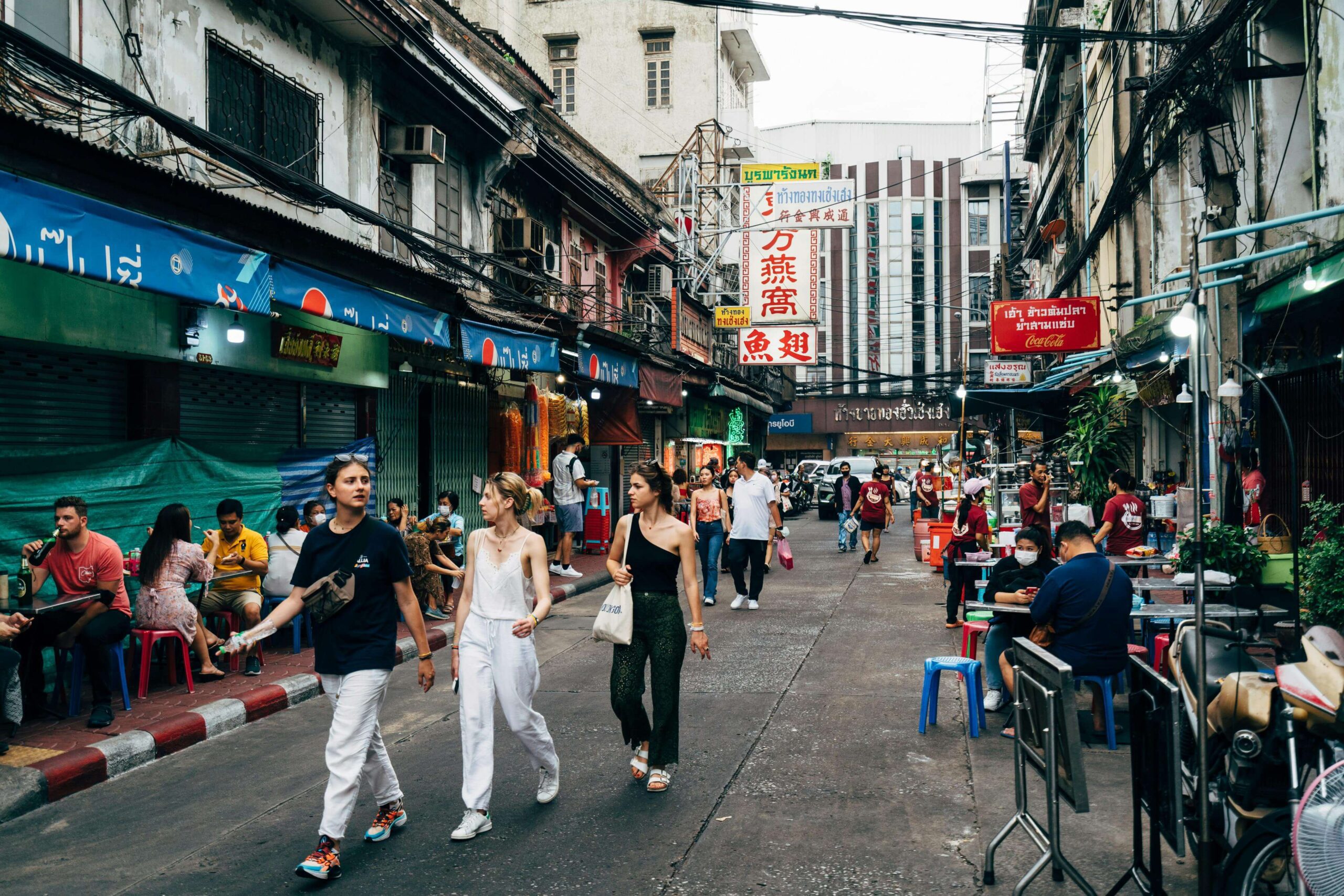
In Bangkok, eating vegan isn’t limited to dedicated Bangkok vegan restaurants. Even when there isn’t a vegan place nearby, you can almost always eat at a regular Thai restaurant: an aharn taam sung, which literally means “food made to order.” These restaurants are everywhere, from quiet residential streets to busy intersections, and many are happy to adapt dishes if you ask properly.
This is where terminology matters.
Jay (เจ) means vegan.
Mangsawirat (มังสวิรัติ) means vegetarian.
These aren’t interchangeable. Knowing the difference is what allows you to eat confidently without guessing—something you’ll quickly understand when exploring Bangkok Vegan Restaurants beyond the obvious options. You can ask for som tam without fish sauce and without dried shrimp. You can order stir-fried dishes without animal products. I regularly ask for tofu to be added to dishes like pad thai, even in restaurants that don’t normally prepare vegan versions, so the meal still has enough protein and substance. This kind of adjustment is normal in Bangkok, especially at made-to-order places.
How to Eat Vegan in Bangkok (Quick Decision Guide)
| If you are… | Go to… | Why |
|---|---|---|
| In a hurry / near malls | Terminal 21 Food Court | Fast, affordable Jay stalls in central Bangkok |
| Looking for variety | Thai-Chinese vegan buffets | Wide range of local flavors with zero guesswork |
| With non-vegans | Made-to-order Thai restaurants | Most dishes can be adapted on request |
| On a date / want comfort | Modern vegan cafés | Consistent standards and relaxed atmosphere |
Budget Friendly, Everyday Vegan Places Locals Return To
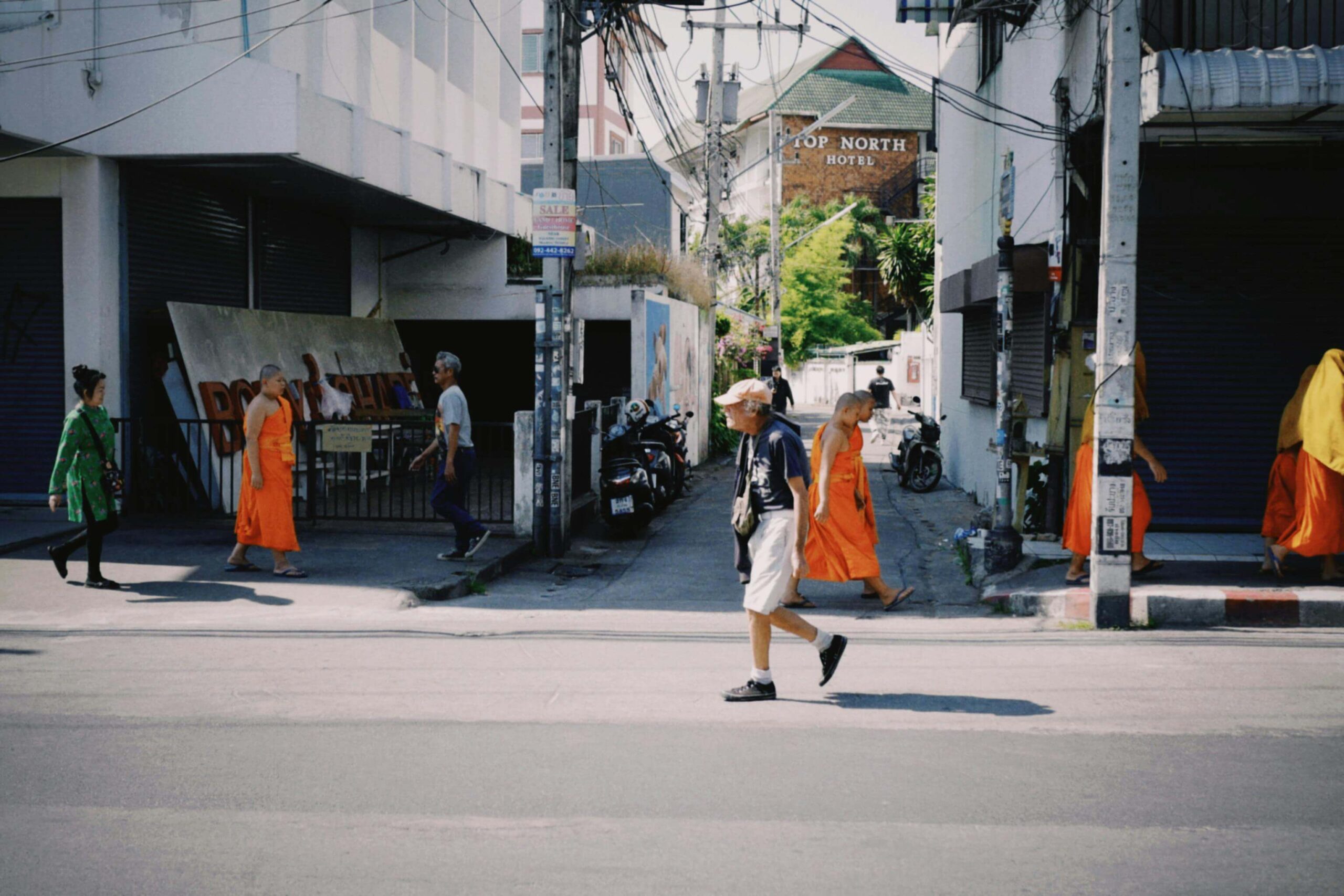
These are the places that quietly support vegan eating across Bangkok. Many of the most reliable Bangkok Vegan Restaurants aren’t built around trends, branding, or social media—they exist to feed people regularly, affordably, and consistently, which is why locals trust them.
Thai Chinese Vegan Buffet Restaurants
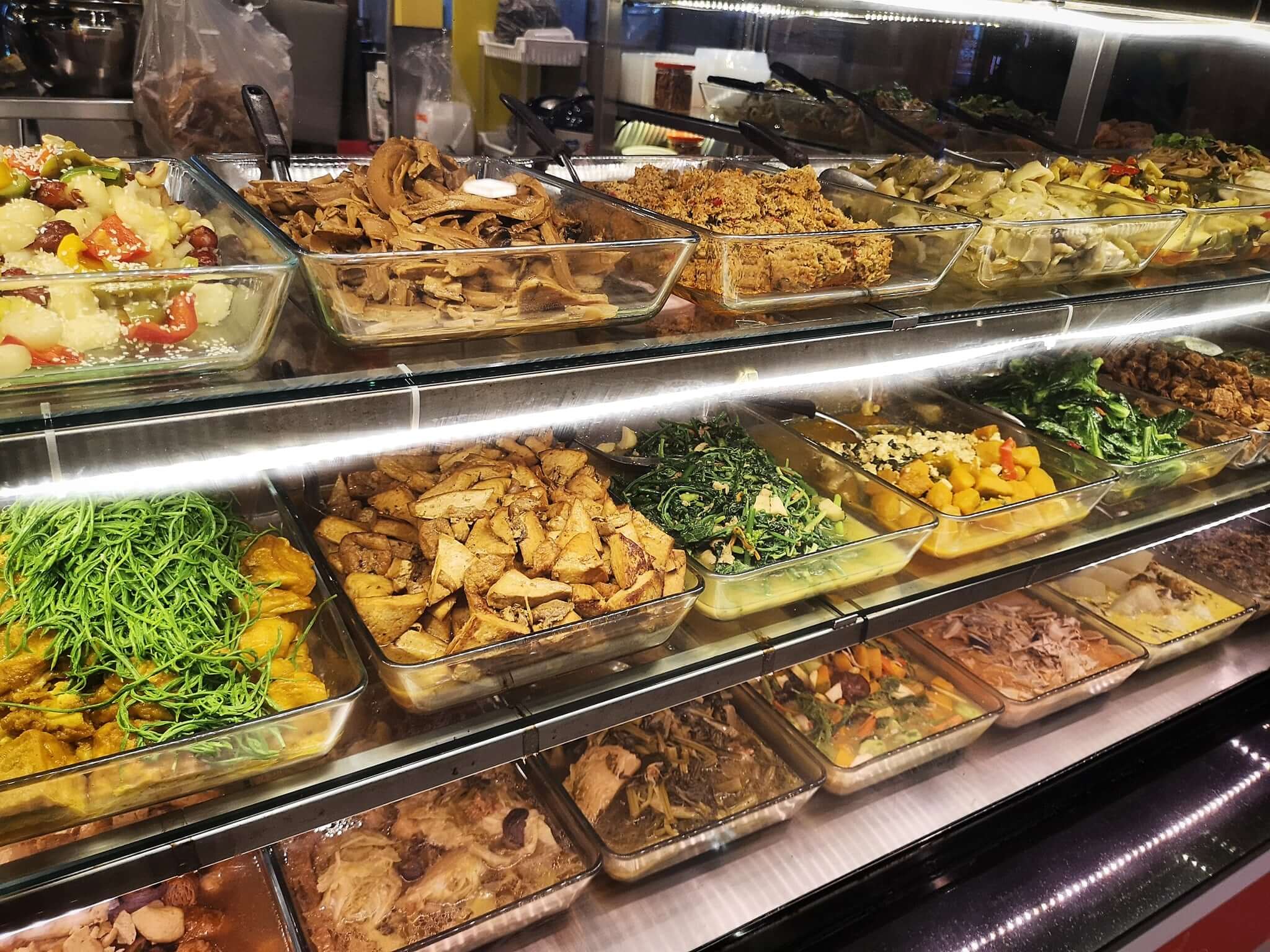
One of the most common formats you’ll come across in Bangkok Vegan Restaurants is the Thai-Chinese buffet-style setup. These places usually have a counter with several prepared dishes—curries, stir-fries, vegetables, mock meats, and tofu-based options. You take rice and choose what you want. Many of these restaurants also prepare noodles fresh if you prefer something cooked to order.
Food Courts: Terminal 21 and MBK
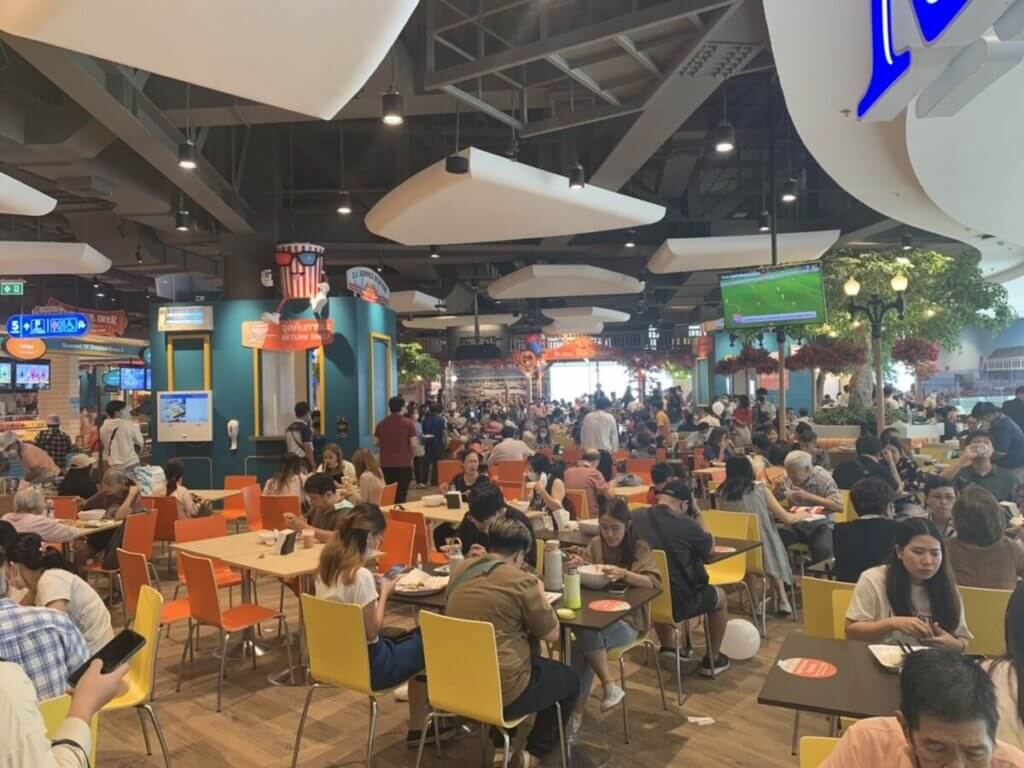
Food courts in malls like Terminal 21 and MBK are some of the easiest places to eat vegan in Bangkok if you know what to look for. Many Bangkok Vegan Restaurants operate within these spaces as jay stalls following the Thai-Chinese buffet format, alongside noodle stations that can prepare dishes fresh to order.
These food courts are practical. They’re air-conditioned, easy to navigate, and consistent. For many locals, they’re simply convenient places to eat between errands or after work, similar to how everyday food stops appear throughout our broader Thailand hidden gems guide.
Ladprao 101: Nakhon Market
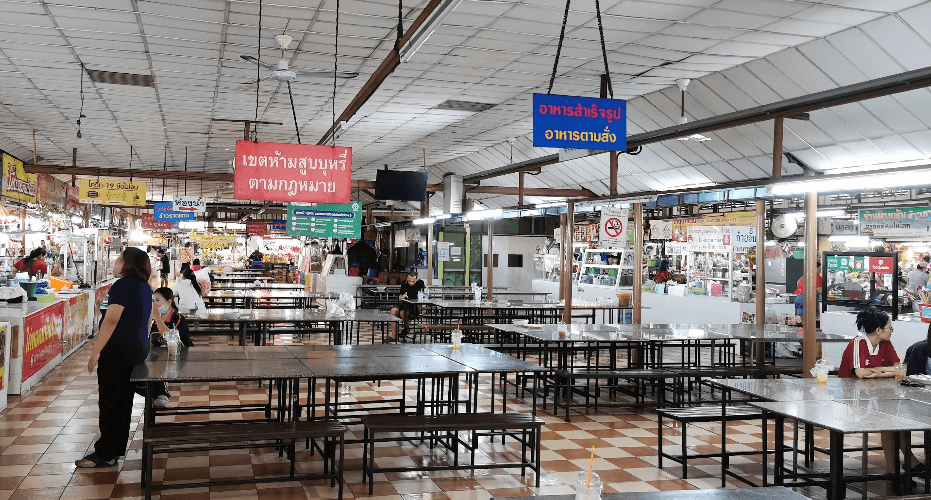
One of my personal go-to spots is a local market on Ladprao 101, known as Nakhon Market. There are two vegan stalls here that I return to regularly—exactly the kind of everyday places that define Bangkok Vegan Restaurants at a local level. This isn’t a destination market or a place you’ll see highlighted in most guides. It’s simply part of daily life in the neighborhood.
2026 Reality Check: Many of the best local Jay stalls in Ladprao and quieter neighborhoods still don’t appear on Grab or FoodPanda. Walking just 5 minutes off the main road is usually around 40% cheaper than delivery apps.
Foodland (Vegetarian, Easily Vegan)
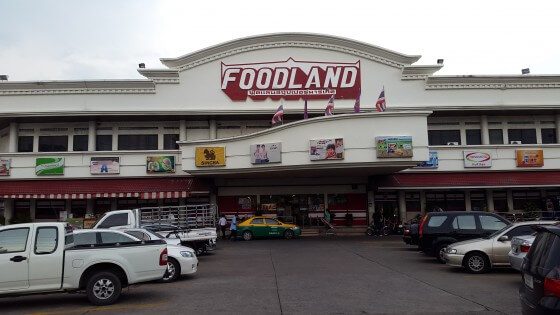
Foodland is technically vegetarian rather than strictly vegan, but it’s very vegan-friendly and easy to navigate once you know how to order. As part of the wider Bangkok Vegan Restaurants landscape, it’s a reliable option with multiple locations across the city, often open late, and a dedicated vegetarian menu.
With small modifications, Foodland becomes a dependable option almost anywhere in the city. It’s especially useful when options are limited late at night.
Higher End Vegan and Vegetarian Restaurants
These restaurants offer a more polished dining experience within the Bangkok Vegan Restaurants scene. They’re useful when you want something comfortable, familiar, or sit-down, but they don’t represent how most locals eat vegan food day to day.
Veganarie
Veganarie is one of the more established fully vegan restaurants in Bangkok and a well-known name among Bangkok Vegan Restaurants. It offers a wide menu that works well for both long-time vegans and people transitioning into plant-based eating. It’s consistent, clearly labeled, and easy to recommend when you want variety without guesswork.
Broccoli Revolution
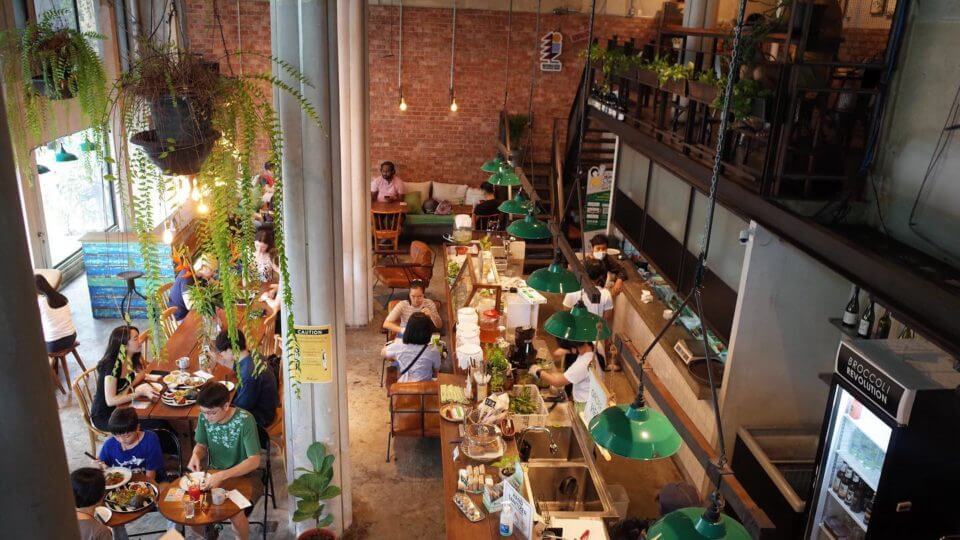
Broccoli Revolution is a modern, fully vegan restaurant with a more international feel. The menu and pricing reflect that. It’s a good option for meeting friends or when you want a predictable, relaxed dining environment rather than a quick meal.
So Vegan (Multiple Mall Locations)
So Vegan has several locations in malls and department stores across Bangkok. It’s convenient, clearly labeled, and accessible. While it’s not where most locals eat daily, it’s a practical option when you’re already in a mall and want something fully vegan without needing to ask questions.
Ganesha (Vegetarian, Vegan Friendly)
Ganesha is a South Indian vegetarian restaurant. While it isn’t strictly vegan, it adapts easily with small modifications. South Indian cuisine works well for vegan eating, and Ganesha is a good example of how vegetarian restaurants can function seamlessly for vegans in Bangkok.
How to Order Vegan Food in Bangkok Without Guessing
One of the most common mistakes visitors make is assuming that a dish with vegetables is automatically vegan. In Thai food, animal-based sauces and stocks are often used by default. That’s why knowing how to ask matters more than memorizing restaurant names.
If you’re ordering at a made-to-order restaurant, start with: “Thum jay dai mai?” (Can you make this vegan?)
Then be specific:
- No fish sauce
- No oyster sauce
- No dried shrimp
For dishes like pad thai or stir-fries, asking for tofu to be added is normal and helps make the meal more balanced. When you see the yellow jay sign, you can eat with confidence. These places are designed around strict vegan preparation, not adaptations. This approach also aligns closely with what we focus on at sustainable tourism in Thailand.

Conclusion
Bangkok Vegan Restaurants aren’t about chasing trends or compiling “best of” lists. Vegan and vegetarian eating here is about understanding how food actually works—from neighborhood markets and food courts to a handful of higher-end restaurants.
This same philosophy shapes how we design journeys across Thailand, whether in Bangkok, Northern Thailand, or the quieter islands featured in our hidden gem islands guide.
If you’re exploring beyond the capital, our Northern Thailand hidden gems resource is a natural next step. And if you want to understand our approach in a broader sense, read how we’re different, browse destinations, or explore travel styles.
FAQ (Vegan and Vegetarian Food in Bangkok 2026)
What does “jay” (เจ) mean in Thailand?
Jay (เจ) is a vegan standard commonly used in Thailand. When a stall or restaurant displays the yellow jay sign, it usually indicates food prepared without animal products. This is why jay spots are often the most reliable everyday option when navigating Bangkok Vegan Restaurants and local vegan food options.
What is the difference between jay and mangsawirat?
Jay (เจ) means vegan. Mangsawirat (มังสวิรัติ) means vegetarian. Vegetarian food may still include eggs or dairy, while jay food is intended to be vegan. If you are vegan, look for jay signage or ask clearly when ordering at Bangkok Vegan Restaurants or local stalls.
How do I ask a Thai restaurant to make a dish vegan?
At made-to-order places (aharn taam sung), you can start with “Gin jay dai mai?” (Can you make this vegan?). Then clarify what you need removed, such as fish sauce, oyster sauce, and dried shrimp. Asking to add tofu is also common, even in places outside typical Bangkok Vegan Restaurants.
Are Bangkok food courts good for vegan food?
Yes. Food courts can be one of the simplest ways to find vegan and jay stalls in Bangkok, especially in large malls. Places like Terminal 21 and MBK often have vegan-friendly stalls that operate similarly to Bangkok Vegan Restaurants, serving Thai and Thai Chinese dishes at affordable prices.
Where should I start if I want to explore Bangkok food beyond vegan restaurants?
Start with our Bangkok hidden gems food guide, which covers off path food culture in the city. Understanding how locals eat will also help you navigate Bangkok Vegan Restaurants and adapt dishes to suit a vegan lifestyle.

About the author
Written by Thaewan, Thai-born founder of Off Path Thailand. My life changed after renting a scooter in Chiang Mai nearly a decade ago. I still remember the moment my jaw dropped at the natural beauty around me — riding into the distance with mountains on both sides felt more alive than any PS4 game I had ever played. Since that day, I’ve been hooked on this kind of travel — because there’s so much wonder to discover in Thailand’s quiet, hidden places. I’ve spent close to ten years exploring these off the beaten path corners and helping others experience parts of the country that feel far more meaningful than the usual tourist stops. About the founder
Tell us your dates and vibe — Our team replies within 24 hours to begin crafting your trip.
Leave everything to us and experience Thailand Off The Beaten Path
Every journey leaves a footprint — the difference is in how we choose to travel. At Off Path Thailand, we focus on keeping those footprints light. Discover how sustainable travel in Thailand connects comfort with care.