
Last Updated: September 21, 2026
Off the Beaten Path Bangkok 2026: A Local’s Take 2026
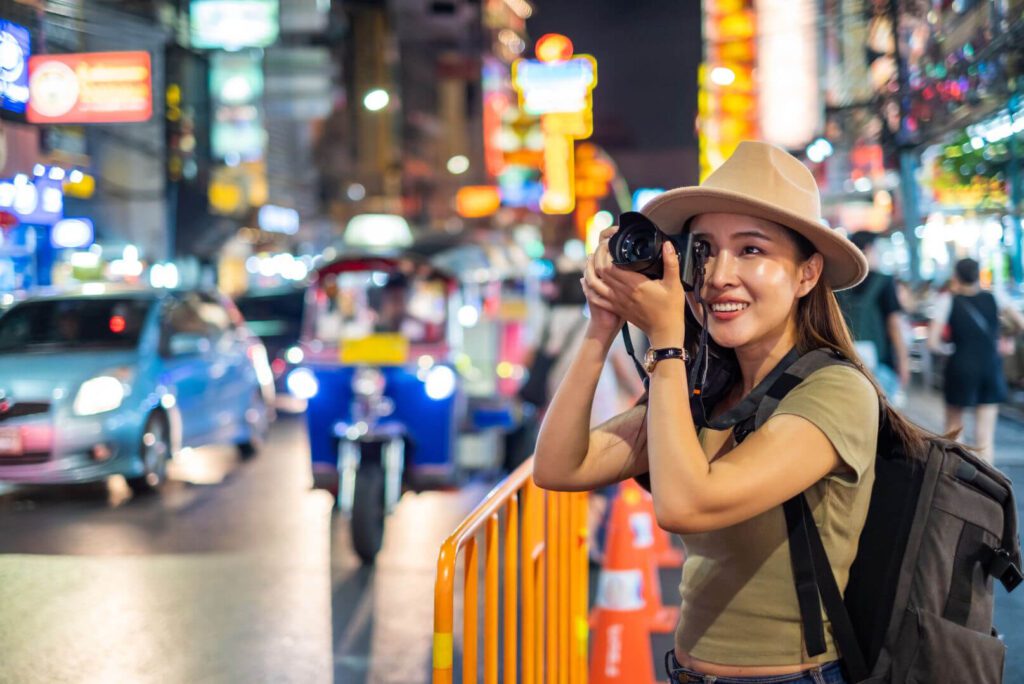
TL;DR: This Off the Beaten Path Bangkok 2026 guide uncovers quiet, local spots real Thais actually use, not tourist traps. Written by someone born and raised in the city, it’s built from a genuine need to keep exploring and avoid getting swallowed by Bangkok’s mall-and-bedroom convenience bubble. It covers neighborhoods, parks, markets, waterways, and slow-travel spots based on personal, on-the-ground recommendations, not a list pulled from someone else’s blog.
Why I Keep Exploring (And Why This Guide Exists)
To stay sane in a city as big as Bangkok, you have to actively resist the bubble it’s so easy to fall into.
I was born and raised here, and even I’ve felt it. Everything in this city is built for convenience, your bank, your groceries, your phone repair shop, your entertainment, even a decent meal, all of it sits within the same air-conditioned mall a few minutes from your place.
You genuinely don’t need to go anywhere else. And that’s exactly how the city quietly swallows you whole. One week you tell yourself you’ll explore more, and before you realize it, three months have passed and you haven’t left your own street, let alone gone off the beaten path in Bangkok to see what else is actually out there.
This is precisely why exploration has always mattered to me, and still does. It’s not just about finding new places for the sake of a list, it’s about protecting my own sanity in a city that will happily let you disappear into the “simulation” if you let it.
Every time I make the effort to get out, take the canal boat instead of Grab, wander a soi I’ve never walked down, stumble onto a market I didn’t know existed, it reminds me that Bangkok is bigger, stranger, and more alive than the four walls of a large mall could ever suggest.
That’s really the reason this guide exists. Everything in it comes from years of actually living this pattern out myself, not a weekend visit or a list pulled from someone else’s blog. I know what it feels like to get swallowed by the convenience of this city, and I know what it feels like to break out of it.
This is my attempt to hand you a shortcut past the version of Bangkok that keeps people comfortable and stationary, straight to the off the beaten path Bangkok that actually changes how you experience the place.
This isn’t your typical guide. What follows are my own personal go-tos, the places I actually return to, not a recycled list of nightlife strips, beer gardens, or the same cliché highlights every other blog points you toward.
Most guides to Bangkok stop at the temples and the malls. This one goes somewhere quieter, into the ares and markets where the city’s actual rhythm shifts, the off the beaten path Bangkok that has nothing to do with tourism and everything to do with how real people here actually spend their days.
Think canal communities that were never built for visitors. A market stall selling a used radio to someone who’s been shopping there for twenty years. A park with more birdsong than footsteps. These aren’t curated experiences, they’re just Bangkok, going about its business, waiting for someone to notice.
Want to explore at your own pace instead of following this guide start to finish? Our Bangkok walking routes 2026 breaks a few of these neighborhoods into calm, walkable loops.
I didn’t write this as a checklist for a two-week vacation. I wrote it the way I’d actually describe my own city to a close friend visiting for the first time, which is exactly why a structured version of this exists too, in the form of a sample private Bangkok hidden gems itinerary, for anyone who wants the same spirit with a little more shape to it.
Being second-generation Thai and born in this city gives me a version of Bangkok that’s honestly simpler than what most tourists end up seeing, less curated, more lived-in, and often far more interesting because of it. You find it in everyday neighborhood corners, in markets that have nothing to prove, and in places like the quiet cafes in Bangkok where people go to actually be still, not to post about it.
And if food is how you like to get to know a place, the Culinary Exploration travel style and our Bangkok food-focused itinerary follow this exact same instinct, backstreets and market stalls over anything with a laminated menu.
- Off the Beaten Path Bangkok 2026: A Local's Take 2026
- Why I Keep Exploring (And Why This Guide Exists)
- Quick Comparison: Off the Beaten Path Bangkok vs Popular Bangkok
- Bang Pu: My Off the Beaten Path Bangkok Escape by the Sea
- The Ancient City (Muang Boran): My Lockdown Sanctuary
- The Massive Erawan Statue, Hiding in Plain Sight
- Off the Beaten Path Bangkok 2026: The Green Lung of Bang Krachao
- Canal Communities & Neighborhoods: Living Culture and The Authentic Off the Beaten Path Bangkok Experience
- Chao Phraya River: Layers of Faith and Community
- Experience Saen Saep Canal: Cruise through the Heart of the City
- Best Parks in Bangkok: Lumpini, Benjakitti, and My Off-Path Park Picks
- Hidden Markets: Beyond Chatuchak and Chinatown
- Need Help Getting Around Bangkok?
- FAQ – Off the Beaten Path Bangkok 2026
- What does "off the beaten path Bangkok" actually mean?
- Where can I find off the beaten path Bangkok neighborhoods near the city center?
- Is Bang Krachao worth visiting for an off the beaten path Bangkok experience?
- What's the best way to get around off the beaten path Bangkok spots?
- Are there off the beaten path Bangkok markets besides Chatuchak?
- Which parks count as off the beaten path Bangkok?
- Is the Ancient City (Muang Boran) considered off the beaten path Bangkok?
- Can I explore off the beaten path Bangkok in a single day?
- Is off the beaten path Bangkok safe for solo travelers?
- Do I need a guide to explore off the beaten path Bangkok?
- What should I budget for a day exploring off the beaten path Bangkok?
- Leave everything to us and experience Thailand off the beaten path
Quick Comparison: Off the Beaten Path Bangkok vs Popular Bangkok
| Place | Crowd Level (1–10) | Best Time to Visit | Vibe |
|---|---|---|---|
| Siam | 9–10 | Weekday mornings | Busy, commercial, tourist-heavy |
| Erawan Statue Area | 2–3 | Late morning to early afternoon | Quiet, unexpected, off the beaten path |
Bang Pu: My Off the Beaten Path Bangkok Escape by the Sea
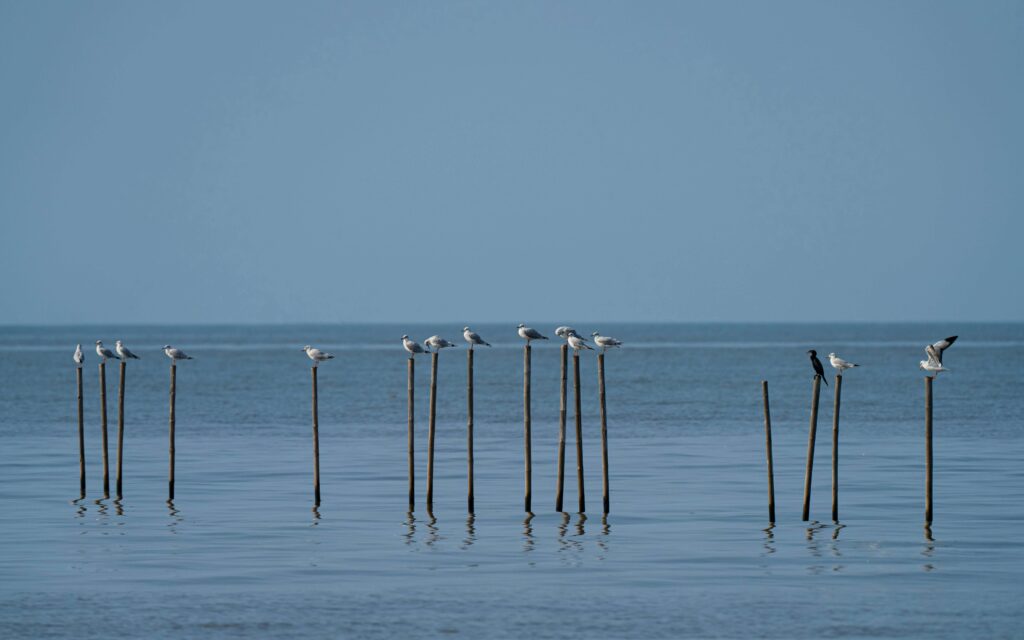
Sometimes, when the energy of the city gets a bit too intense and I really need a breath of fresh air, Bang Pu is where I go. Technically sitting just outside Bangkok in neighboring Samut Prakan, it still feels like part of the city’s outer edge, and it’s easily one of my favorite off the beaten path Bangkok escapes.
Getting there is simple enough. Take the BTS Skytrain down to Kheha station, then a short taxi or songthaew ride the rest of the way, or if you’d rather skip the transfers, it’s roughly a 40 minute drive straight out from the Sukhumvit corridor. Either way, you notice the shift almost immediately once you’re out of the central grid.
What keeps pulling me back is the atmosphere. It sits right on the coast, with wide sea views, mangrove walkways weaving along the water, and cold sea breezes that genuinely feel different from anything you get in the city center. There’s something about standing there with the wind coming off the water that resets the whole day for me. It’s the kind of quiet you don’t expect to find this close to Bangkok, which is exactly why it’s stayed one of my go-to off the beaten path Bangkok spots whenever things start to feel like too much.
If you’re already making the trip out, it pairs naturally with a stop at the Ancient City, just a short drive further down the road. Between the two, you get a full afternoon that feels worlds away from downtown, even though you technically never left the greater Bangkok area.
The Ancient City (Muang Boran): My Lockdown Sanctuary
My relationship with the Ancient City (also located in Bang Pu) actually goes back to childhood, once on a school trip, and once on a family cycling trip, back when it was just a fun day out rather than anything meaningful. It stayed in my memory as a nice place, but nothing more than that.
Then COVID hit, and everything changed, including how I saw this place. During lockdown, when most of Bangkok’s attractions were completely shut, Muang Boran somehow stayed open. And on top of that, they were running a promotion I couldn’t say no to: a full year pass for 700 THB, when a single one-time entry ticket was already priced at 400 THB. That math made itself, I bought the annual pass almost immediately.
From there, it became something of a ritual. I’d go regularly throughout the pandemic, sometimes renting a bicycle and slowly making my way through the grounds, other times just wandering on foot with no real plan, finding quiet spots near the lake to sit and decompress. In a period when the rest of the city felt shut down and suffocating, Muang Boran became one of the only places that still felt open, spacious, and alive.
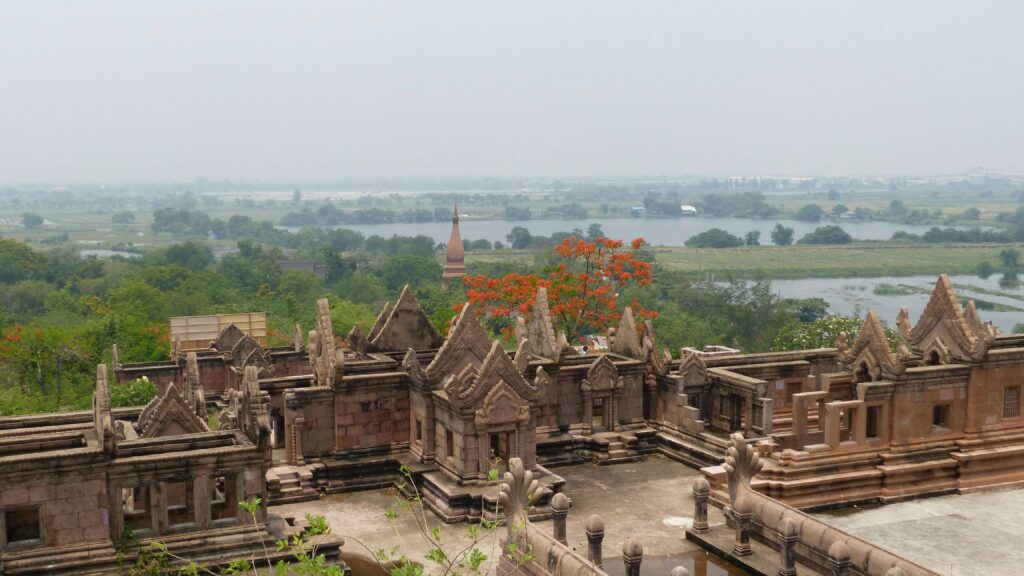
What makes it genuinely remarkable, beyond the personal nostalgia, is the scale of the place itself. It’s often described as the largest outdoor museum in the world, and once you’re actually walking through it, that claim starts to feel less like marketing and more like fact. Spread across more than 200 acres shaped roughly like Thailand’s own outline on a map, the park holds over a hundred meticulously built replicas and reconstructions of significant Thai temples, palaces, and historic structures from across the country, many recreated at full or near-full scale.
Some structures are faithful reproductions of buildings that still exist elsewhere in Thailand; others are careful reconstructions of monuments that have since been lost to time. Walking through it genuinely feels like touring the entire country’s architectural history in a single afternoon, condensed, curated, and remarkably peaceful.
It’s easily one of the most underrated off the beaten path Bangkok experiences on this list, not because it’s hard to find, but because so few visitors realize just how much is packed into it, or how quiet and reflective a visit here can actually be.
The Massive Erawan Statue, Hiding in Plain Sight
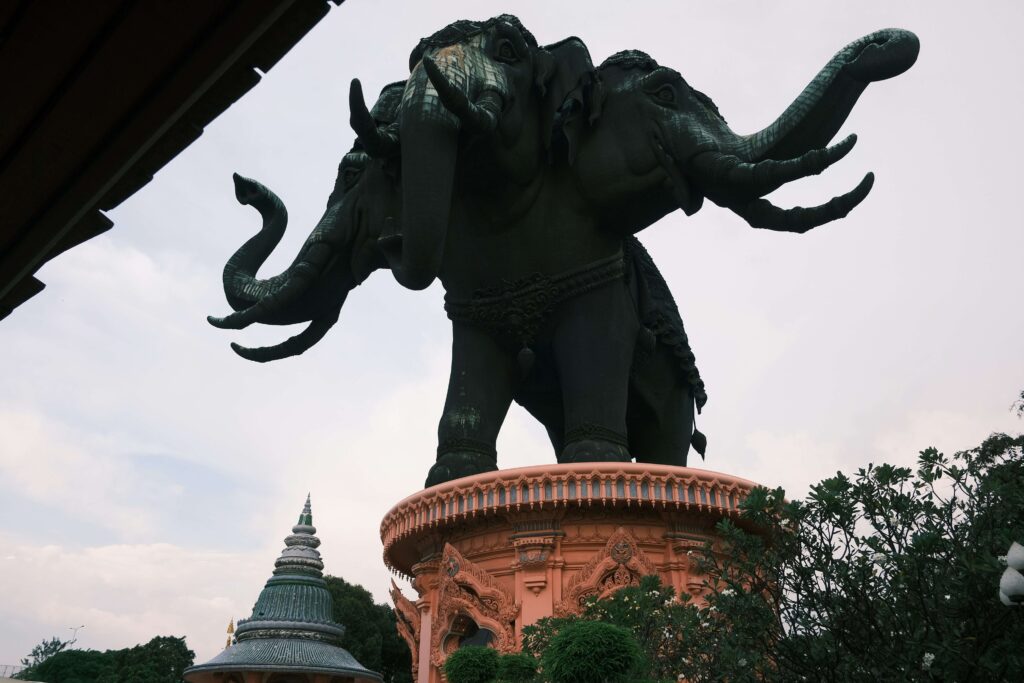
Not too far away, edging back closer toward the city between Bang Pu and Sukhumvit, is the massive three-headed elephant, the Erawan Museum’s giant Erawan statue. It’s a strange one to include in an off the beaten path Bangkok guide since it’s genuinely hard to miss, but most visitors have no idea it’s there, which is exactly why it earns its place here. I sometimes stop by on the way to Bang Pu, since it sits right on the route whether you’re taking the BTS or driving, and it barely costs you any extra time while completely changing the pace of the trip.
The statue itself is hard not to be a little in awe of. Three elephant heads rising up from a base shaped like the earth, with detailed artwork and religious symbolism worked into nearly every surface. Even just seeing it from the road makes the slight detour worth it, and it’s the kind of thing you’d never stumble onto unless someone pointed you toward it, which is really the whole point of going off the beaten path in Bangkok in the first place.
There’s also a museum inside the statue itself, which I’ll admit I haven’t gone into myself, most of my visits here have just been quick stops on the way somewhere else. But from what I’ve heard, it’s genuinely interesting inside, layered with religious and cosmological artwork across different levels. If you have a bit more time than I usually do, it’s probably worth actually stepping inside rather than just admiring it from outside like I always end up doing, another small reminder that off the beaten path Bangkok often rewards whoever is willing to slow down and go a little further.
Off the Beaten Path Bangkok 2026: The Green Lung of Bang Krachao
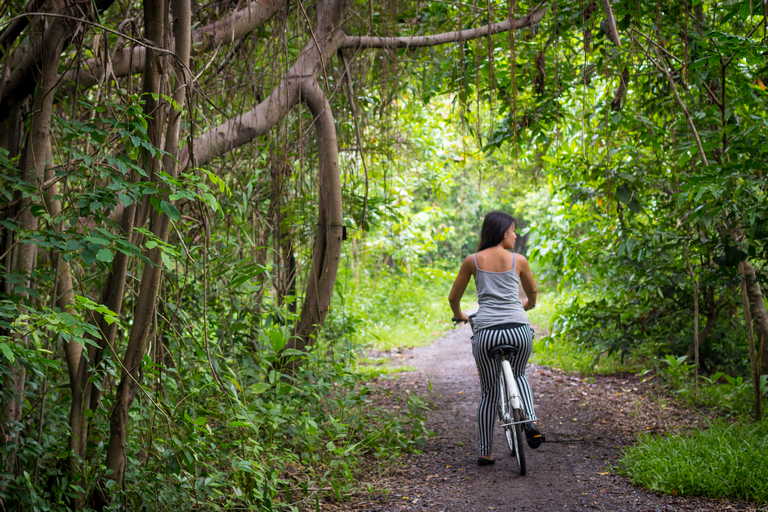
Whenever the city feels too heavy, I take the 5-minute ferry across the river to Bang Krachao. It’s called Bangkok’s “Green Lung,” and the nickname Most people who visit Bang Krachao talk about the bike ride. I actually think the better story is what happens once you stop pedaling.
There’s a spot along the paths, barely wide enough for a single bicycle, where the mangroves close in on both sides and the sound of the city just cuts out. No traffic, no construction, nothing. I’ve stood there more times than I can count, and it never stops feeling slightly unreal that this exists a few kilometers from Sukhumvit.
Bikes are rented right at the pier, and honestly it’s one of the more sustainable ways to spend a day in Bangkok. As of September 2026, the rental stalls take PromptPay or QR payment, though you’ll need to hand over an ID if you don’t want to leave a cash deposit. The smaller food vendors scattered through the island haven’t caught up yet, so keep roughly 100 THB in cash on you for those.
What I keep coming back for isn’t really the exercise, it’s the small, unplanned stops. A family-run stall pouring Thai iced tea with herbs grown a few feet away. A quiet pavilion where I’ll sit with coconut water and just let the shade do its work.
On weekends, a small floating market opens where people sell fruit picked straight from their own gardens that morning, and a foot massage afterward runs about 150 baht. None of it is dressed up for visitors. It’s just genuinely how this pocket of the city operates, which is exactly the kind of thing I mean when I talk about off the beaten path Bangkok.
If I had to build the perfect day around this island, it would go: ferry over, rent bikes, wander Sri Nakhon Khuean Khan Park for its trails and quiet lakes, eat something home-cooked, then end at that foot massage. Simple, unrushed, and about as far from a checklist as Bangkok gets.
This same instinct, slow down, let a place reveal itself, is also why I point people toward Chiang Mai’s Old City when they’re craving more of this. Different city, same idea, just walking instead of cycling. Our Chiang Mai walking routes guide follows that exact philosophy.
We also run guided cycling day trips out here if you’d rather not sort the logistics yourself, message us on WhatsApp and we’ll take care of it.
Canal Communities & Neighborhoods: Living Culture and The Authentic Off the Beaten Path Bangkok Experience
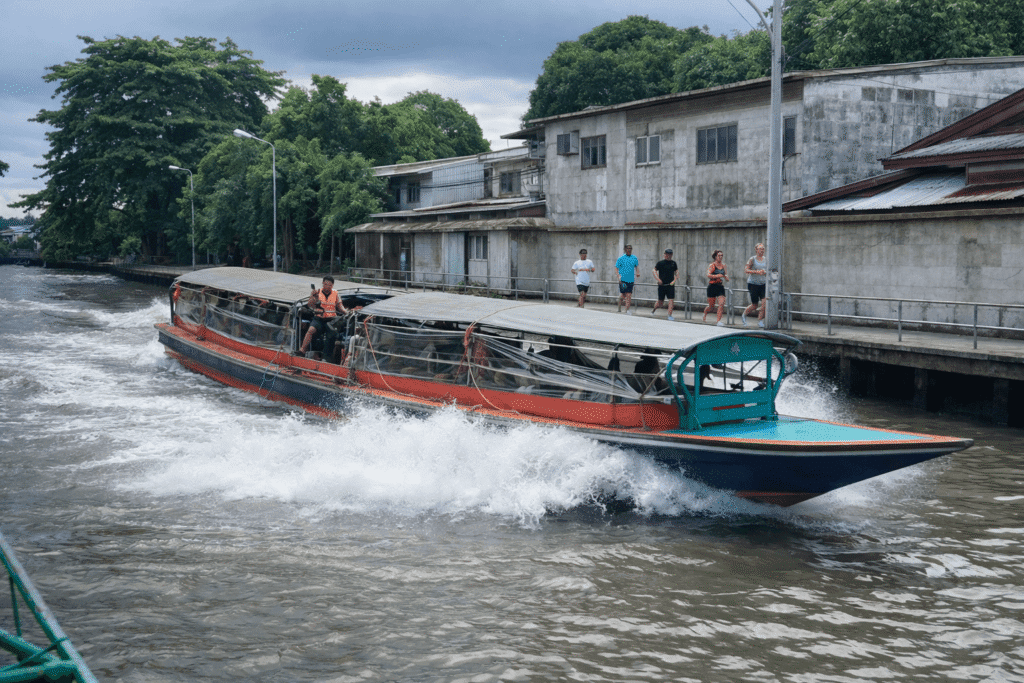
There’s a stretch of the Saen Saep Canal I bring people to whenever they say they want to see the “real” Bangkok, and it isn’t a temple or a market, it’s a working Muslim community that never once dressed itself up for outsiders.
The canal runs from Pratunam, cuts straight through Asoke, and keeps pushing east until the neighborhoods around Ramkhamhaeng start to feel noticeably different, more Thai Muslim in character, in food, in rhythm. The boat is genuinely the best way to reach it too, not because it’s charming, though it is, but because it’s actually the fastest and cheapest way through this stretch of the city.
What gets me every time isn’t even the food, though I’ll admit the biryani, the smoky satay, and the roti sizzling on flat pans make staying vegan genuinely difficult around here. It’s the sound. That specific moment right after the longtail boat pulls away, when the water goes still again and mosque prayers drift over it. Someone will wave. Someone else shouts a greeting across the canal. None of it is performed. None of it will ever show up on TripAdvisor, and that’s kind of the point.
I like covering this area slowly, sometimes by boat, sometimes on a bike, sometimes just walking the narrow sois where a mosque sits shoulder to shoulder with a noodle cart and a fruit stall. It’s a genuine cross-section of Bangkok’s identity in one small stretch, Thai, Muslim, Buddhist, Malay, Chinese, Indian, coexisting without any of it feeling forced.
These neighborhoods don’t market themselves, and honestly, that’s exactly why I keep returning. There’s no polish here to wear off. Spend a morning wandering, order a hot milk tea, talk to whoever is running the stall, put the map away entirely. This is off the beaten path Bangkok at its most unfiltered, and it remains one of the experiences I’d put at the very top of this list.
See Bangkok by canal boat! 🌊 Custom guided tours designed to show you the heart of the city from the water. Start customizing your trip now!
Chao Phraya River: Layers of Faith and Community
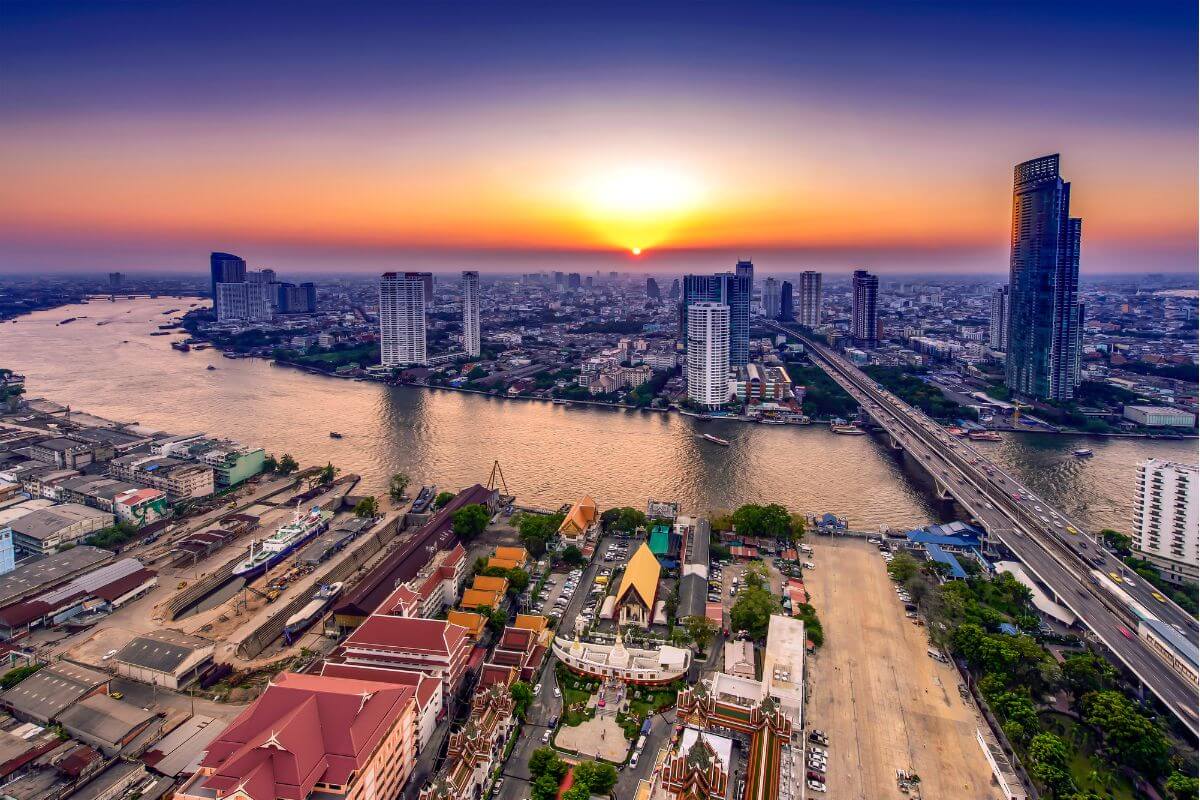
Everyone who crosses to the west bank of the Chao Phraya does the same thing: photograph Wat Arun, maybe walk its grounds for twenty minutes, then head back across. Nothing wrong with that, the temple earns every bit of its reputation. But the neighborhood surrounding it is where I actually spend my time, and almost nobody else does.
Wander a few streets in any direction and the area starts revealing layers most visitors never see. Centuries-old temples where you might genuinely be the only outsider walking through that day. A 16th-century Portuguese-built Catholic church, Holy Rosary Church, still standing quietly among the sois. Small Chinese shrines tucked into alleys with no signage pointing you toward them.
None of these individually would make a “must-see” list, but strung together, they tell you more about how layered Bangkok’s identity actually is than Wat Arun alone ever could.
I try not to rush this part of the city. Grab an iced lemon tea from whichever stall looks busiest, walk along the river at whatever pace feels right. Something about the air shifts here, people know each other by name, dogs and kids share the same patch of riverbank, monks cross between temples the exact same way they probably have for generations. That unhurried, unbothered quality is what I’d point to if someone asked me to define off the beaten path Bangkok in a single scene.
This neighborhood’s history explains a lot of that texture. Because the Chao Phraya connects directly to the sea, waves of settlers landed and stayed here over centuries, Portuguese traders, Chinese merchants, Mon communities, and Muslim families among them. Their fingerprints are still visible if you know to look, in the food stalls, in the mismatched architecture sitting side by side.
So if Wat Arun’s entrance is where your visit usually ends, consider that the actual starting point instead. Push into the back streets. Duck into a smaller temple nobody’s queuing for. Find the Portuguese church and see what’s inside. It’s all still there, quietly waiting for someone to bother looking.
Experience Saen Saep Canal: Cruise through the Heart of the City
2026 Reality Check: Electric boats started appearing on some stretches of the canal in early 2026, but if you’re riding during the 5pm Sukhumvit rush, the old 20-baht boats are still your fastest option by a wide margin.
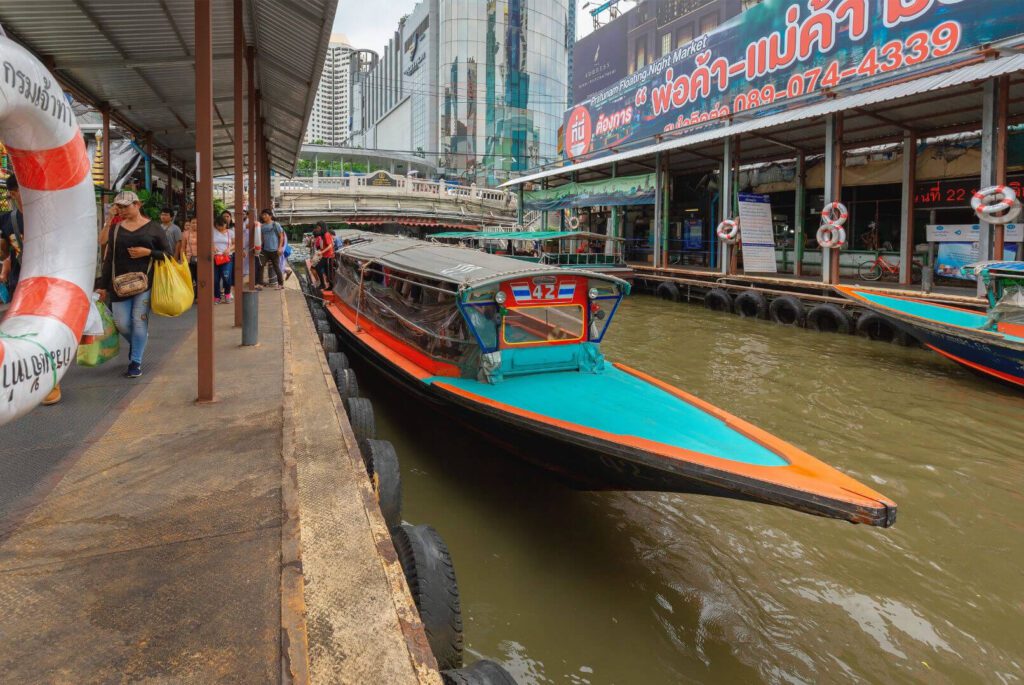
When I’m actually living in Bangkok, which is roughly half the year, the Saen Saep canal boats aren’t some novelty I do once for the experience, they’re just how I get into town. It’s genuinely become part of my regular routine, the same way someone else might default to the BTS or a Grab ride. If I’m heading toward Pratunam, Asoke, or anywhere along that corridor, the canal boat is almost always faster than sitting in traffic above ground, and it costs next to nothing in comparison.
There’s something I actually enjoy about making it a habit rather than a one-off tourist detour. You start recognizing the same boat staff, the same regulars getting on at the same stops every morning, the same rhythm to how the whole thing runs. It stops feeling like off the beaten path Bangkok and starts feeling like just Bangkok, which I think is honestly the whole point.
I’m not out here for a photo of the canal, I’m out here because it’s the quickest way to get where I’m going, and that’s exactly why I keep recommending it to anyone who wants to experience this side of the city the way locals actually do.
Everyone talks about the Chao Phraya, but the canal that actually moves the city day to day is a different one entirely. I mentioned it briefly back in the Canal Communities section, Saen Saep, and it deserves its own moment here.
It’s loud. It’s a little chaotic. On a hot day it can smell exactly like you’d expect a city canal to smell. And somehow none of that takes away from how alive it feels.
Twenty baht gets you a boat ride that will outrun any taxi stuck in traffic on the road above. Office workers still in their pressed shirts, students with backpacks wedged between strangers, aunties hauling bags of market vegetables, everyone crams in together. There’s nothing polished about it, but it moves, and it’s about as Bangkok as Bangkok gets.
What I genuinely love are the small, repeated rituals of it, the quick hop aboard, the spray hitting the tarp as the boat picks up speed past leaning wooden houses and shrines tucked under bridges. It’s a good reminder of what mass transit looks like when it grows naturally out of a city’s geography instead of being engineered from scratch.
The history is part of what keeps me coming back to it too. This canal has been moving people and goods since the 1800s, soldiers first, then cargo, now commuters. It’s been upgraded over the years, sure, but never dressed up or reinvented into something performative. It’s just quietly done its job the entire time, which is exactly the kind of thing I mean when I talk about off the beaten path Bangkok.
If you want something that actually feels real, take this ride once. It won’t be glamorous. It’ll be genuinely useful and memorable instead, and that’s precisely why I never stop recommending it. One tip though: skip rush hour if you’d rather enjoy it than survive it.
Best Parks in Bangkok: Lumpini, Benjakitti, and My Off-Path Park Picks
Most itineraries treat Bangkok’s parks as an afterthought, a place to catch your breath between temples, not a destination in their own right. Tour groups almost never stop at them, and most foreign visitors walk right past the entrances without a second thought. Which is exactly why they’ve become some of my favorite off the beaten path Bangkok spots.
There’s something telling about the fact that the people actually using these parks are locals, retirees doing their morning routines, office workers squeezing in a jog before the heat sets in, families eating dinner on a blanket after the sun goes down.
None of it is staged for anyone watching. Spend an hour in one of Bangkok’s parks and you’ll see the city’s daily rhythm more clearly than you would in an entire afternoon of sightseeing. It’s slow, it’s quiet, and it’s one of the easiest ways to step off the tourist track without even leaving the city center.
Lumpini Park
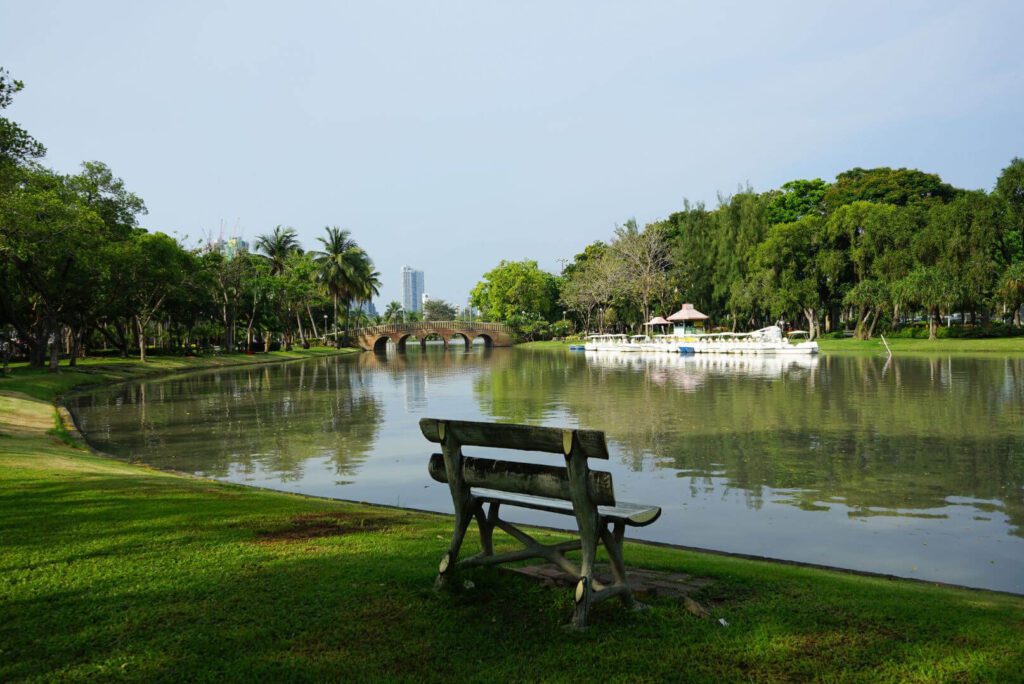
Lumphini is where I keep coming back to, year after year. Show up early and you’ll find retirees moving through tai chi routines, joggers making their laps around the lake, and vendors ladling out steaming bowls of rice porridge right at the gates. I’ve spent whole mornings here doing nothing but meditating, or just watching the giant monitor lizards drift lazily through the water. They look intimidating from a distance, but honestly, they’re far more harmless than most people you’ll meet.
Benjakitti Park
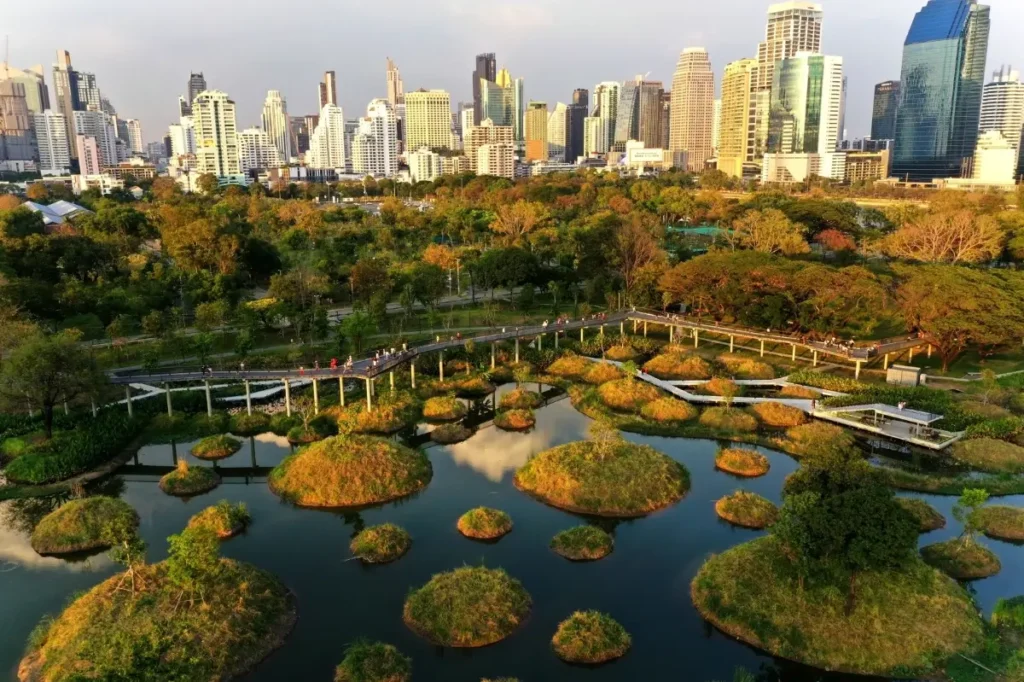
Benjakitti feels like the modern cousin, built with movement in mind. Basketball courts, pickleball, badminton, a cycling and jogging track that loops past wetlands full of birds and lotus blooms. My favorite time to go is sunset, when the Sukhumvit skyline lights up behind the water.
Nawamin Park
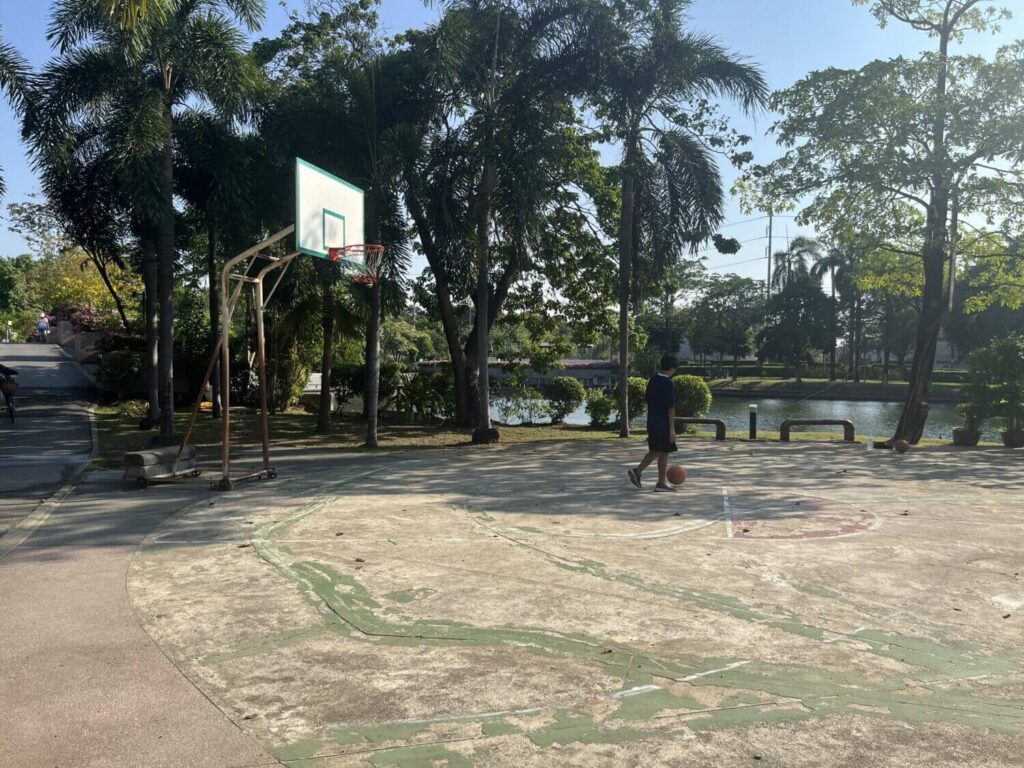
Nawamin Park stretches out long and open in a way that makes the city genuinely disappear for a while. The lake runs far, the air feels calmer than almost anywhere else nearby, and it’s one of the rare spots where I can actually sit by the water without instinctively reaching for my phone.
Chatuchak Park
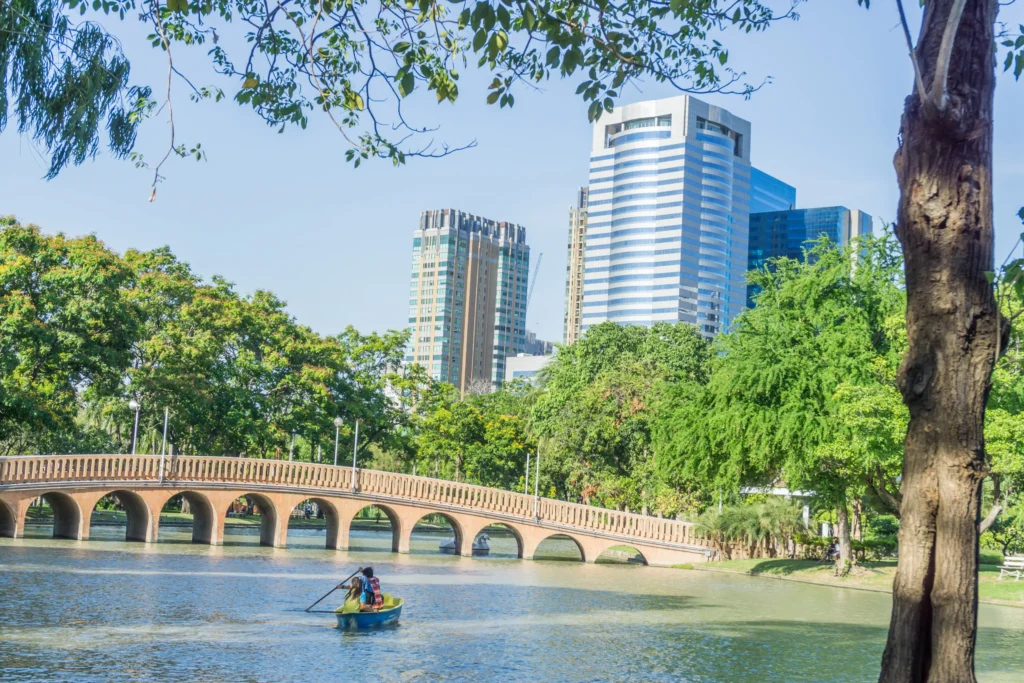
Most people only know the weekend market next door and have no idea the park attached to it even exists. Step inside on a weekday and it feels almost wild, shaded, green, a little untamed in parts. It doesn’t have Benjakitti’s polish, and that’s exactly what makes it feel closer to actual nature.
Together, these four cover every mood I’m usually in. Lumpini and Benjakitti when I want some activity and a bit of people-watching. Nawamin and Chatuchak Park when I want quiet and a version of green that feels less designed, more genuine. Between them, they show a side of Bangkok most visitors never expect to find.
For a deeper look at how locals actually use these spaces day to day, this guide breaks down the city’s most peaceful green spots and where they fit into everyday life here.
Hidden Markets: Beyond Chatuchak and Chinatown
Bangkok has no shortage of markets, but the ones I actually love aren’t the ones everyone already knows about. Chatuchak Weekend Market and Yaowarat Road in Chinatown have earned their reputation, no argument there, but stepping just slightly off that well-worn path uncovers a whole layer of markets most visitors never think to look for.
These smaller, unglamorous spots are what off the beaten path Bangkok genuinely looks like in 2026, not curated, not built for a camera, just doing what Bangkok markets have always done. For even more of these, our Bangkok Hidden and Authentic Market Guide goes deeper into the ones that don’t make the usual lists.
A short ten-minute walk from Chatuchak, near Saphan Khwai BTS, sits a second-hand market that most tourists walk right past without a second glance. It’s gritty in the best way, cassette players stacked next to crates of vinyl, spare motorcycle parts, analog cameras from decades ago sitting on tables like nobody’s in a hurry to sell them.
This is the kind of place where an hour disappears without you noticing, half of it spent bargaining over something you had zero intention of buying when you walked in. It’s a particularly good fit for solo travelers who like wandering without a fixed plan, there’s no wrong way to browse a market like this.
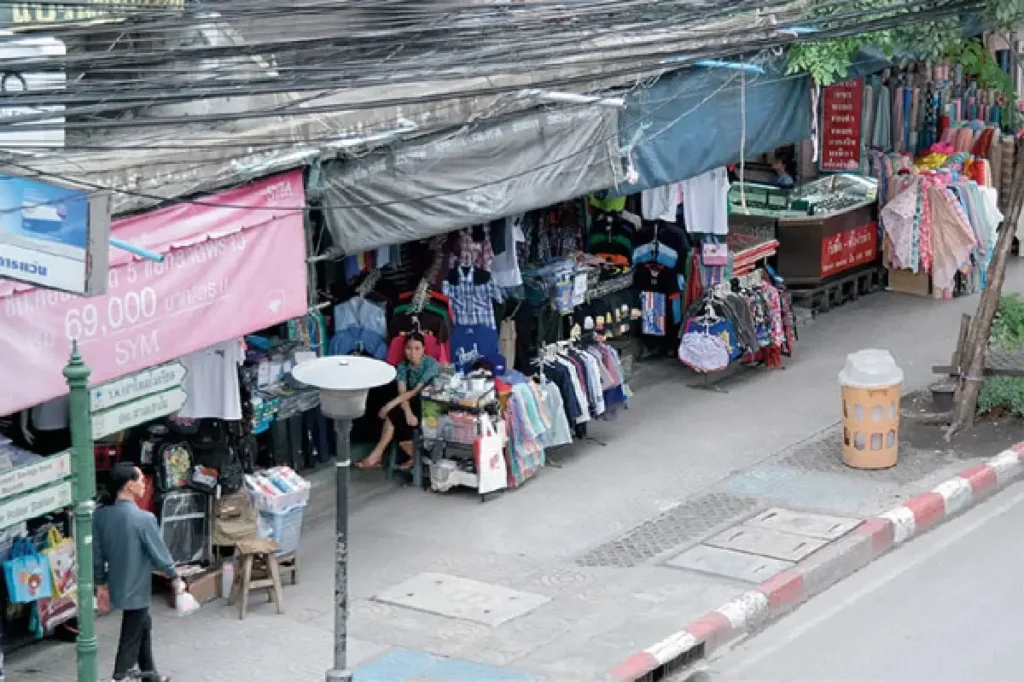
Chinatown itself has more to offer once you leave the main strip behind. Duck into Sampheng Market and you’re suddenly in a different world entirely, a dense wholesale maze of bags, jewelry, snacks, and fabric crammed into alleys barely wide enough for two people to pass.
It reminds me of the Bangkok I actually grew up around, shopkeepers still measuring cloth by hand, scooters weaving between stalls running errands, the air thick with food smells from every direction. Go around 9am if you can, the morning air is still cool, and you’ll catch the market right as it’s hitting full swing.
If you’re curious how this same market culture shifts once you leave the capital, our Chiang Mai Market Guide 2026 covers the northern equivalent, from student-run night markets to the wholesale hubs where a lot of vendors actually source their goods in the first place.
What ties both of these Bangkok markets together is simple: they were never built with tourists in mind. That means the prices are honest, the energy is unforced, and every interaction feels like exactly what it is, not a performance. These are the markets keeping the city’s real character alive, off the beaten path Bangkok in its rawest, most unfiltered form.
Planning Your Off the Beaten Path Bangkok Adventure (and Day Trips)
At a Glance: Planning Your Off the Beaten Path Bangkok Trip
🚋 Transport
Use the BTS, MRT, and riverboats as much as you can. They’re cheaper and faster than taxis, and you’ll actually see the city move.
⏰ Timing
Start early. Parks, markets, and canals all feel most alive before noon, when it gets hot and sticky.
🍜 Food
Don’t stick to what you know. Try the biryani in the Muslim neighborhoods, herbal teas in Bang Krachao, or bao buns in Sampheng.
🙏 Respect
In smaller temples and Muslim areas, dress modestly and inquire before taking photos. A little courtesy goes a long way.
🎲 Flexibility
Don’t plan every detail. The best finds in off the beaten path Bangkok are often what you stumble into while wandering.
Sustainable Travel Tips
Sustainable travel in Bangkok comes down to one simple idea: slow down in a city that almost never does. Choose to walk or take a boat instead of defaulting to a taxi, seek out floating markets that still genuinely serve their local communities, and spend your money at the heritage cafés and small craft studios tucked into the old quarters, the same kind of places that quietly keep off the beaten path Bangkok alive.
Staying at a small, Thai-run guesthouse or an eco-certified hotel means your money actually circulates back into the neighborhood you’re exploring, rather than disappearing into a chain. Every one of these small, mindful choices helps preserve Bangkok’s real rhythm, the one that exists beyond the malls and high-rises, and keeps off the beaten path Bangkok worth discovering for the next traveler who goes looking for it.
Learn more about our philosophy on responsible travel on our Sustainable Tourism page.
Map of Off The Beaten Path Bangkok
Need Help Getting Around Bangkok?
Have questions about routes, transit passes, or custom itineraries? Reach out directly via WhatsApp or Email for personalized guidance.
FAQ – Off the Beaten Path Bangkok 2026
What does “off the beaten path Bangkok” actually mean?
Off the beaten path Bangkok refers to neighborhoods, markets, parks, and waterways that serve everyday local life rather than tourism. These aren’t remote or hard to reach, many sit a short walk from a BTS or MRT station, they’re simply outside the usual tourist routes, which is exactly what keeps them feeling genuine.
Where can I find off the beaten path Bangkok neighborhoods near the city center?
Some of the best off the beaten path Bangkok spots are closer than people expect. The canal communities along Saen Saep, the quieter lanes around Wat Arun on the Chao Phraya’s west bank, and the area near Sampheng Market in Chinatown are all within easy reach of central Bangkok, yet rarely appear on a typical itinerary.
Is Bang Krachao worth visiting for an off the beaten path Bangkok experience?
Yes. Bang Krachao, known as Bangkok’s “Green Lung,” is one of the most rewarding off the beaten path Bangkok destinations, just a five-minute ferry ride from the city, yet it feels completely removed from it. Mangrove paths, a weekend floating market, and quiet cafés make it an easy half-day or full-day escape.
What’s the best way to get around off the beaten path Bangkok spots?
Canal boats, bicycles, and walking are usually the best ways to explore off the beaten path Bangkok, since many of these areas are built around waterways or narrow sois that cars and even BTS/MRT can’t fully reach. Combining a train ride with a short boat trip or a bicycle rental is often the most efficient approach.
Are there off the beaten path Bangkok markets besides Chatuchak?
Yes, several. A gritty second-hand antiques market near Saphan Khwai BTS, just a short walk from Chatuchak, and Sampheng Market in Chinatown are both genuine off the beaten path Bangkok alternatives, built for locals rather than tourists, with honest prices and none of the staged atmosphere of the bigger markets.
Which parks count as off the beaten path Bangkok?
Nawamin Park and the quieter weekday hours of Chatuchak Park are two of the most overlooked green spaces in the city, both offering a calmer, more natural feel than the more polished Lumpini or Benjakitti. Most tour groups skip parks entirely, which makes them an easy way to experience off the beaten path Bangkok without leaving the city center.
Is the Ancient City (Muang Boran) considered off the beaten path Bangkok?
Yes, despite being one of the largest outdoor museums in the world, Muang Boran remains surprisingly under-visited by foreign tourists. Its scale, over 200 acres of full-size replicas of Thailand’s most significant historic structures, makes it one of the most underrated off the beaten path Bangkok experiences on this list.
Can I explore off the beaten path Bangkok in a single day?
Yes, though it’s worth picking one or two areas rather than trying to cover everything. Pairing Bang Krachao with the Erawan Statue on the way, or combining the Saen Saep canal communities with the Chao Phraya neighborhoods near Wat Arun, both make for a full, satisfying day of off the beaten path Bangkok exploring.
Is off the beaten path Bangkok safe for solo travelers?
Generally yes. Most off the beaten path Bangkok spots covered here are residential neighborhoods, parks, and community markets rather than remote or high-risk areas. Normal city awareness applies, and solo travelers often find these quieter areas easier to navigate at their own pace than the more crowded tourist zones.
Do I need a guide to explore off the beaten path Bangkok?
Not necessarily, many of these spots are simple to reach independently using the BTS, MRT, and canal boats. That said, a private guide can help you cover more ground efficiently and add context to neighborhoods that don’t explain themselves to first-time visitors, especially if your time in the city is limited.
What should I budget for a day exploring off the beaten path Bangkok?
A day of off the beaten path Bangkok exploring is genuinely affordable, canal boats and BTS/MRT rides cost a few dozen baht each, bicycle rentals in places like Bang Krachao run low, and street food throughout these neighborhoods is inexpensive by design. Use our Thailand trip budget calculator to estimate realistic daily costs.

About the author
Written by Dee, founder of Off Path Thailand. My life changed after renting a scooter in Chiang Mai nearly a decade ago, mountains on both sides, more alive than any game I’d ever played. I’ve been hooked on Thailand’s quiet, hidden places ever since, and I’ve spent close to ten years helping others discover corners of the country that feel far more meaningful than the usual tourist stops. About the founder
Tell us your dates and vibe — our team replies within 24 hours to begin crafting your trip.
Leave everything to us and experience Thailand off the beaten path
If you want to plan a calm, authentic Bangkok day built around local transport, start with our Bangkok hidden gems guide, then connect it with this transport approach to make the city feel effortless.