Last Update: August 17, 2026
That Bangkok Plant-Based Life: Best Bangkok Vegan Restaurants in 2026
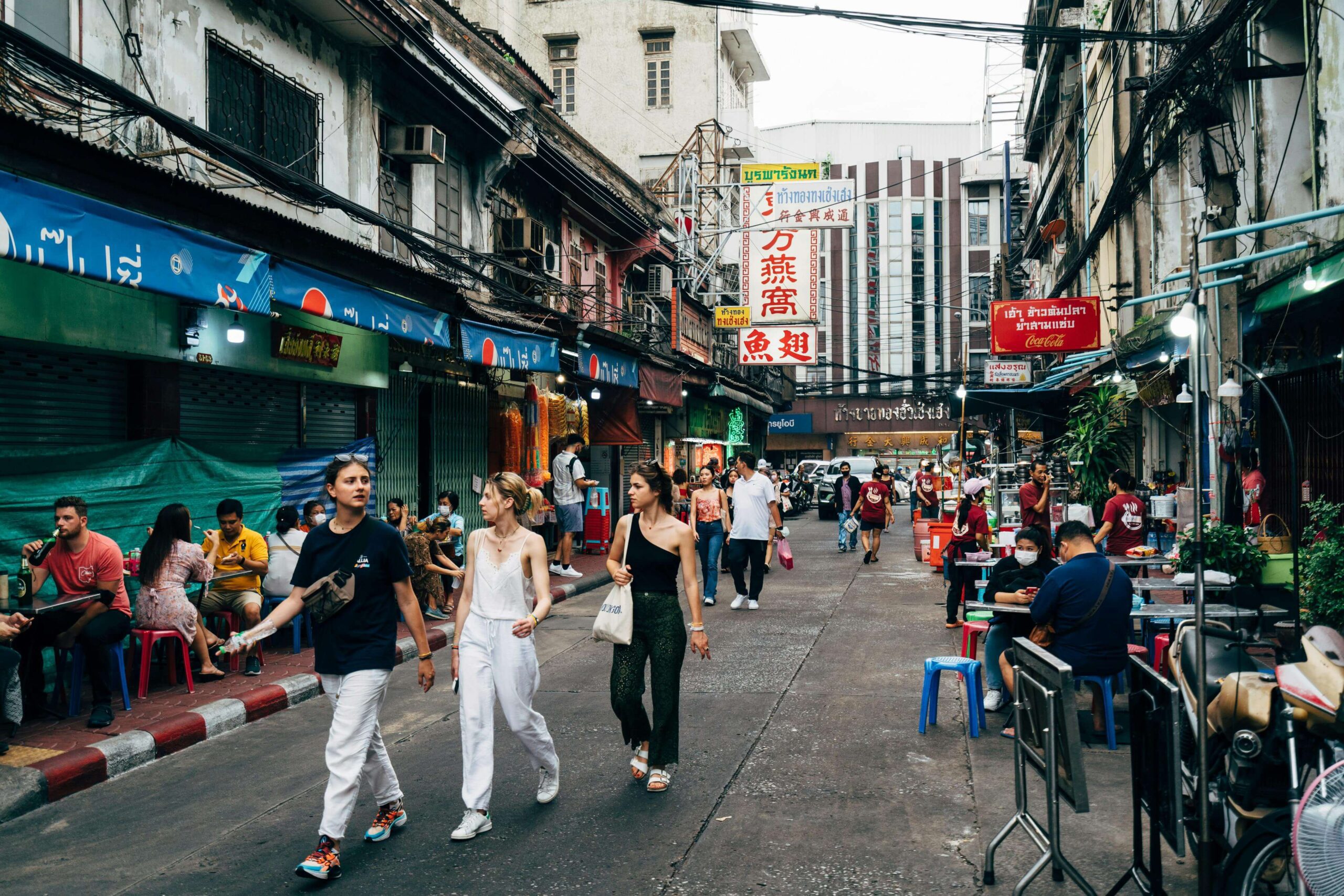
TL;DR: Finding the best Bangkok vegan restaurants in 2026 comes down to eating like a local. Look for yellow เจ (Jay) flags for guaranteed plant-based street food, stick to neighborhood eateries for authentic flavors, and memorize a few basic ordering phrases to keep hidden animal products off your plate.
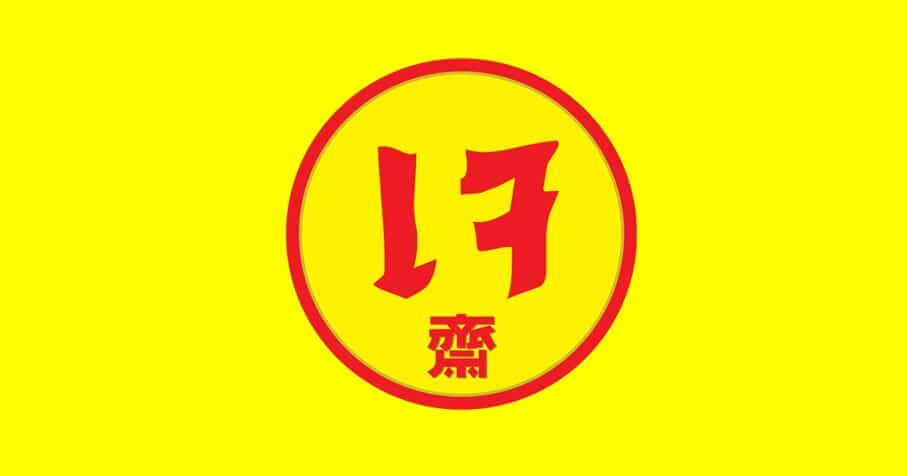
The yellow เจ (Jay) symbol comes from the Nine Emperor Gods Festival, a nine-day Taoist celebration where participants follow a strict vegan diet as part of spiritual purification. It coincides with Navratri, another period of fasting and dietary discipline, reflecting a similar spiritual approach to food across cultures.
Bangkok Vegan Cheat Sheet (2026):
📌 At a Glance
- Top Spots: Covers high-end dining, local street stalls, and 24-hour food courts.
- Key Transit: Easily accessible via BTS SkyTrain and MRT lines.
- Dietary Notes: Includes 100% plant-based venues alongside customizable vegetarian options.
- Look for the symbol: The yellow flag with red Thai script เจ (Jay) means strictly vegan (see symbol example).
- What to say: “Kin Jay” (I eat vegan) or “Mangsawirat” (vegetarian).
- Always specify: No fish sauce, no oyster sauce, and no dried shrimp.
- Typical prices: 50–80 THB at local stalls; 250+ THB at modern vegan cafés.
Finding the best Bangkok vegan restaurants in 2026 is much easier than most travelers expect, as long as you understand how locals actually eat and order food across the city.
Even outside of vegan-specific spots, many of these places sit within neighborhoods that are best explored through a Bangkok hidden gems itinerary, where local food culture still feels grounded and everyday.
For most of my life, I wasn’t vegan. I ate Thai food the way people here generally do, without labels, without categorizing meals as “plant-based” or otherwise. That only changed about five years ago, when my off path journey really began in Chiang Mai.
That distinction matters. I spent over thirty years eating Thai food as it’s actually eaten: meat, fish sauce, shrimp paste, all of it. So when I talk about vegan and vegetarian food in Bangkok, I’m not approaching it from ideology or trend; I’m approaching it from lived familiarity. I understand Thai food first, and dietary labels second, which is exactly why this list represents the very best Bangkok vegan restaurants 2026 has to offer for genuine flavor.
That’s the same lens used throughout our Bangkok hidden gems food guide. And it’s important, because vegan eating in Bangkok works very differently from how it’s often described online.
If you want to experience Bangkok’s food scene more broadly beyond vegan spots, this Bangkok foodies itinerary is built around local restaurants, markets, and long-standing favorites across the city. It’s the perfect way to dive deep into the flavors that make this city a global food capital. You should also check out our culinary exploration travel styles, where we curate personalized journeys centered entirely around the best food experiences in Thailand.
If you’re interested in a bespoke tour curated around Thailand’s incredible food scene, feel free to drop us a message on WhatsApp to start planning your custom itinerary.
- That Bangkok Plant-Based Life: Best Bangkok Vegan Restaurants in 2026
- Thai Chinese Vegan Buffet Restaurants
- Food Courts: Terminal 21 and MBK
- Pier 21 Food Court (Terminal 21 Asok)
- Ladprao 101: Nakhon Market
- Nakhon Market (Ladprao 101)
- Why Foodland Ranks Among the Best Bangkok Vegetarian Restaurants
- Took Lae Dee (Foodland Sukhumvit Soi 5)
- Higher End Best Bangkok Vegan Restaurants
- Veganarie
- Veganerie Concept (Sukhumvit 24)
- Broccoli Revolution
- Broccoli Revolution (Sukhumvit 49)
- So Vegan (Multiple Mall Locations)
- So Vegan (Century On Nut)
- Talalaks Vegan Food (Multiple Mall Locations)
- Talalaks Vegan Food (Emporium Branch)
- Ganesha (Vegetarian, Vegan Friendly)
- Ganesha South Indian Restaurant
- FAQ: Best Bangkok Vegan Restaurants in 2026 & Local Dining
- Is Bangkok good for vegans?
- Is veganism big in Thailand?
- What are the best restaurants in Bangkok that offer vegan options?
- What to eat in Thailand as a vegan?
- What does “jay” (เจ) mean when looking for the best Bangkok vegan restaurants in 2026?
- What is the difference between jay and mangsawirat at the best Bangkok vegan restaurants in 2026?
- How do I ask a non-vegan Thai restaurant to modify a dish to match the standard of the best Bangkok vegan restaurants in 2026?
- Are mall food courts a good alternative to the best Bangkok vegan restaurants in 2026?
- Where should I start if I want to explore local food beyond the best Bangkok vegan restaurants in 2026?
- Leave everything to us and experience Thailand Off The Beaten Path
Best Bangkok Vegetarian Restaurants
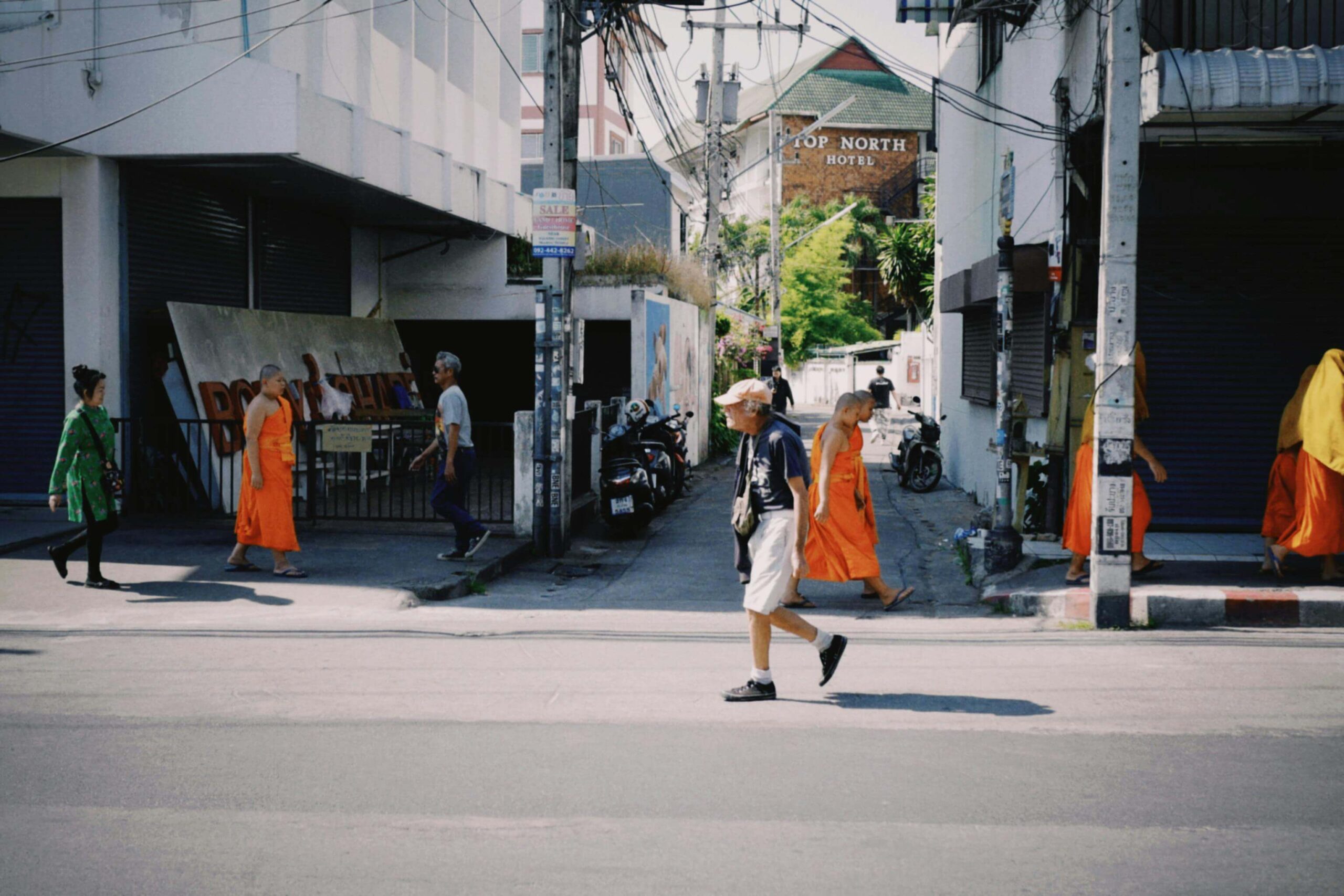
In Bangkok, eating vegan isn’t limited to dedicated plant-based spots. Even when there isn’t a specific option nearby, you can almost always eat at a regular Thai restaurant: an “aharn taam sung”, which literally means “food made to order.” These restaurants are everywhere, from quiet residential streets to busy intersections, and many are happy to adapt dishes if you ask properly. This flexibility makes them a great everyday option alongside the best Bangkok vegetarian restaurants.
This is where terminology matters.
Note: Jay (เจ) means vegan.
Mangsawirat (มังสวิรัติ) means vegetarian.
These aren’t interchangeable. Knowing the difference is what allows you to eat confidently without guessing—something you’ll quickly understand when exploring Bangkok Vegan Restaurants beyond the obvious options.
You can ask for som tam without fish sauce (naam pla) and without dried shrimp. You can order stir-fried dishes without animal products. I regularly ask for tofu to be added to dishes like pad thai, even in restaurants that don’t normally prepare vegan versions, so the meal still has enough protein and substance. This kind of adjustment is normal in Bangkok, especially at made-to-order places.
How to Eat Vegan in Bangkok (Quick Decision Guide)
| If you are… | Go to… | Why |
|---|---|---|
| In a hurry / near malls | Terminal 21 Food Court | Fast, affordable Jay stalls in central Bangkok |
| Looking for variety | Thai-Chinese vegan buffets | Wide range of local flavors with zero guesswork |
| With non-vegans | Made-to-order Thai restaurants | Most dishes can be adapted on request |
| On a date / want comfort | Modern vegan cafés | Consistent standards and relaxed atmosphere |
Budget-Friendly Vegetarian Spots Locals Keep Coming Back To
These are the reliable, neighborhood places that quietly support plant-based dining right across the city. A large majority of the best Bangkok vegan restaurants in 2026 aren’t designed around fleeting internet trends, flashy branding, or social media hype. Instead, their entire focus is on feeding people nutritious food regularly, affordably, and consistently, which is precisely why local residents trust them every single day.
Because their standard for quality is so dependable, these dedicated plant-based spots also double as some of the best Bangkok vegetarian restaurants, offering incredible, authentic meals for vegetarians and vegans alike without any fuss.
Thai Chinese Vegan Buffet Restaurants
The restaurant remains an excellent option for meeting up with friends, offering an amazing selection and a highly creative menu that keeps things interesting. Beyond the food, it’s a fantastic place to just chill or get some work done if you want to bring your laptop along. It easily stands out among the best Bangkok vegan restaurants in 2026 while also ranking high among the best Bangkok vegetarian restaurants, especially if you’re visiting the original spot where I used to live, just a 10-minute walk from my parents’ house.
Food Courts: Terminal 21 and MBK
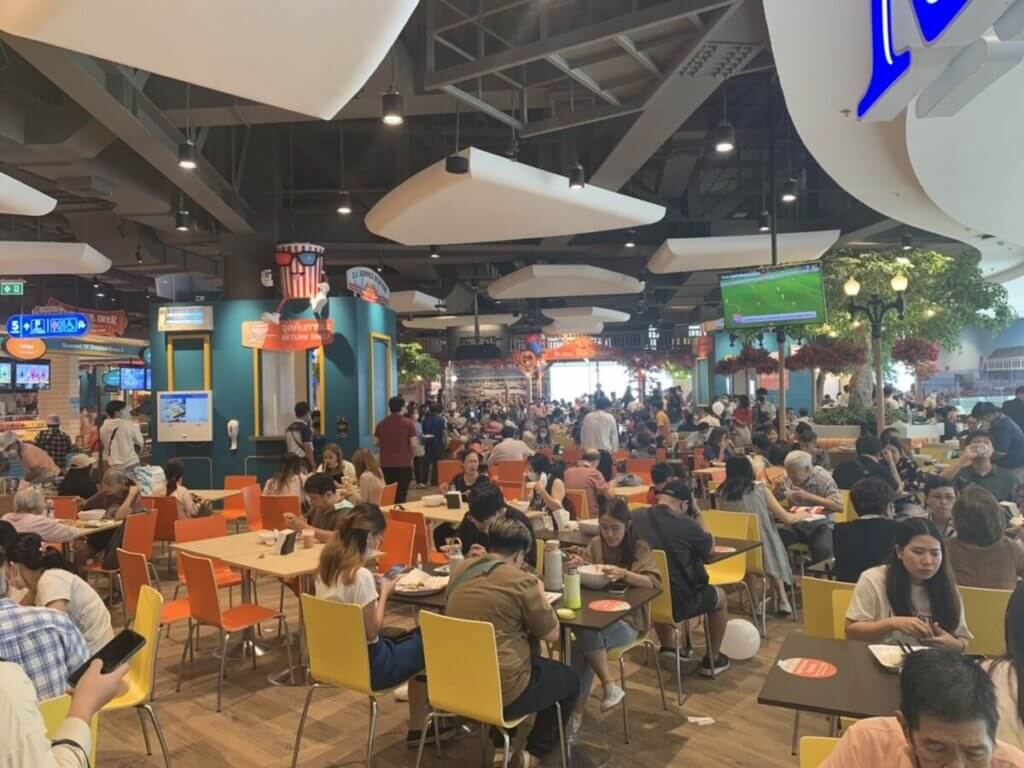
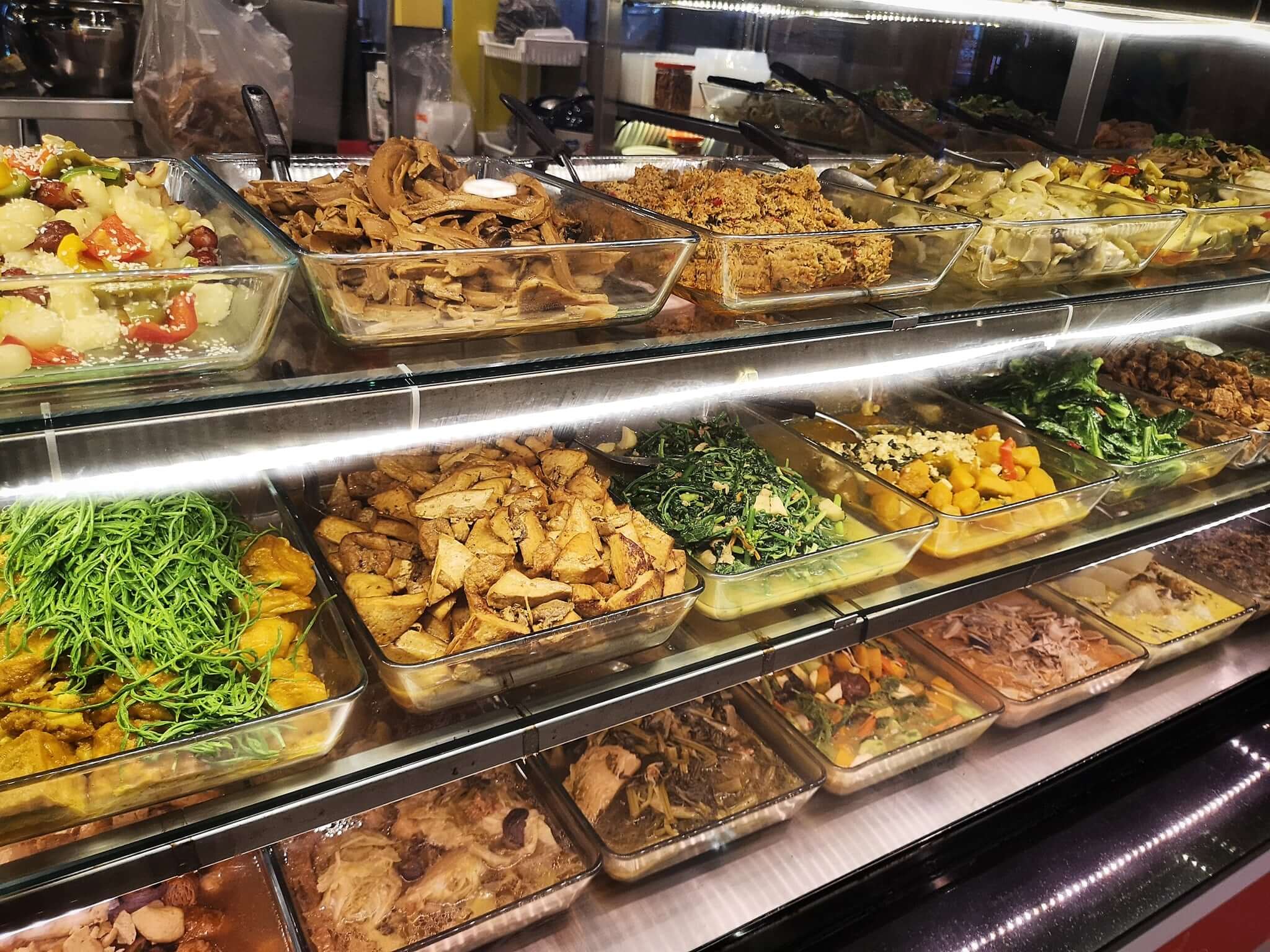
Food courts in malls like Terminal 21 and MBK are some of the easiest places to eat vegan in Bangkok if you know what to look for. Many Bangkok Vegan Restaurants operate within these spaces as “Jay” stalls following the Thai-Chinese buffet format, alongside noodle stations that can prepare dishes fresh to order.
I would especially recommend Terminal 21 because it is so accessible, with both MRT and BTS stations right next to it. Interestingly, the food court there uses subsidized pricing as a marketing scheme to attract people to the mall, meaning you can easily get a proper, high-quality meal for under 50 baht! It’s arguably the best value for money in the city and easily earns its spot among the best Bangkok vegan restaurants 2026 has to offer.
These food courts are practical. They’re air-conditioned, easy to navigate, and consistent. For many locals, they’re simply convenient places to eat between errands or after work, similar to how everyday food stops appear throughout our broader Thailand hidden gems guide.
Pier 21 Food Court (Terminal 21 Asok)
📍 Location:
Floor 5, Terminal 21, 88 Sukhumvit Soi 19, Khlong Toei Nuea, Watthana
Bangkok,
10110
Thailand
🚇 Public Transit:
BTS: Asok Station (Exit 1 – direct skywalk access)
MRT: Sukhumvit Station (Exit 3 – direct connection)
🕒 Opening Hours:
Mon–Sun: 10:00 – 22:00
📞 Phone: +66 2 108 0888
🍽️ Cuisine: Thai, Asian, Street Food
💰 Price Range: $
Ladprao 101: Nakhon Market
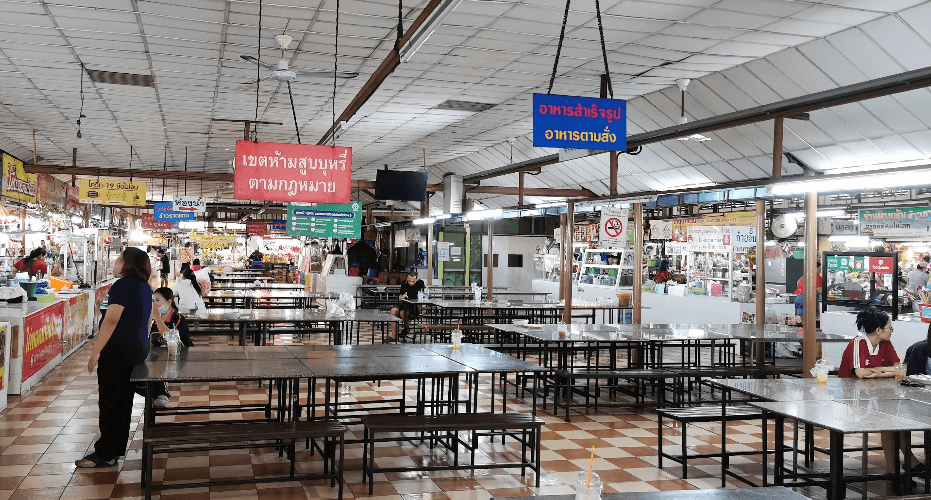
One of my personal go-to spots is Nakhon Market, a local market on Ladprao 101. I used to go here every single day when I lived in the Ladprao area, and it features two vegan stalls that I still return to regularly. These are exactly the kind of everyday places that define the Bangkok vegan restaurant scene at a local level.
With impressively creative dishes, delicious food, and ultra-affordable prices, this market stands out as one of the best Bangkok vegan restaurants in 2026 for a true taste of local life. While missing from most travel guides, it is a genuine neighborhood staple. Don’t miss the fresh morning juice, but be sure to get there early—the plant-based stalls and juice vendors pack up just before noon.
2026 Reality Check: Many of the best local Jay stalls in Ladprao and quieter neighborhoods still don’t appear on Grab or FoodPanda. Walking just 5 minutes off the main road is usually around 40% cheaper than delivery apps, offering a more authentic experience at a local price. For a deeper look at these tucked-away spots, check out my Bangkok neighborhood guide for more places like this.
Nakhon Market (Ladprao 101)
📍 Location:
Soi Ladprao 101, Khlong Chan, Bang Kapi
Bangkok,
10240
Thailand
🚆 Public Transit:
MRT Yellow Line: Ladprao 101 Station
🕒 Opening Hours:
Mon–Sun: 05:00 – 22:00
🛍️ Type: Fresh & Local Market
💰 Price Range: $
Why Foodland Ranks Among the Best Bangkok Vegetarian Restaurants
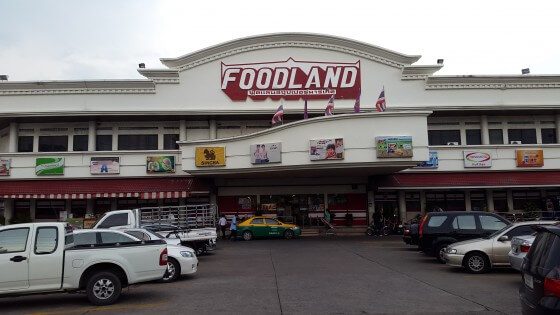
Foodland technically offers vegetarian rather than strictly vegan, but it is incredibly vegan-friendly and easy to navigate once you know the ropes. As a staple of the Bangkok dining landscape, it serves as a highly reliable option with multiple locations across the city that are all conveniently open 24 hours a day.
The dedicated vegetarian menu usually features popular Thai dishes that are easy to tweak if you want them fully vegan; in most cases, it’s just the eggs that need to be removed. Beyond the food, it’s also a fantastic place to grab five-star hotel quality coffee for a fraction of the price you’d pay elsewhere. Whether it’s a late-night craving or an early morning caffeine fix, Foodland is a consistent go-to.
With small modifications, Foodland becomes a dependable option almost anywhere in the city. It’s especially useful when options are limited late at night, proving that you don’t always have to rely solely on the best Bangkok vegan restaurants in 2026 for a reliable 24-hour meal.
Took Lae Dee (Foodland Sukhumvit Soi 5)
📍 Location:
Foodland Supermarket, 9 Sukhumvit Soi 5, Khlong Toei Nuea, Watthana
Bangkok,
10110
Thailand
🚇 Public Transit:
BTS: Nana Station
🕒 Opening Hours:
Mon–Sun: 24 Hours
📞 Phone: +66 2 254 2294
🍽️ Cuisine: Thai, Western, Diner
💰 Price Range: $
Higher End Best Bangkok Vegan Restaurants
These higher-end venues offer a refined dining experience that fits seamlessly into the landscape of the best Bangkok vegan restaurants in 2026. They are ideal when you want a comfortable, sit-down atmosphere, familiar western or fusion flavors, or a place to work on a laptop.
At the same time, these polished spots are fully applicable to plant-based travelers and double as some of the best Bangkok vegetarian restaurants, welcoming anyone looking for a dependable, high-quality meal. While they don’t reflect how most locals eat day to day—who often rely on quick, street-side Jay stalls and market food courts—they remain a vital and accessible part of the city’s broader plant-based dining scene.
Veganarie
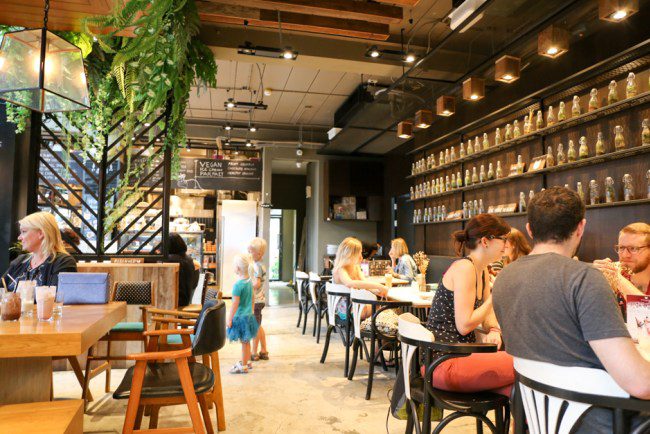
Veganarie is one of the more established names among Bangkok Vegan Restaurants and is a personal favorite of mine. It offers an extensive menu that works well for both long-time vegans and those just transitioning into plant-based eating. It’s consistent, clearly labeled, and easy to recommend when you want variety without any guesswork.
Since it’s just a quick 15-minute walk from my house, it’s our go-to spot whenever we need to pick things up on the fly.
I especially love their peanut butter vegan smoothie—it is incredibly rich and satisfying, and because it doesn’t contain any cow’s milk or sugar, it’s a perfect worry-free treat for those avoiding dairy. It is easily one of the most refreshing drink options you will find when exploring the best Bangkok vegan restaurants 2026 has to offer.
Beyond their drinks, Veganerie’s food and dessert menus are just as impressive, seamlessly catering to anyone searching for the best Bangkok vegetarian restaurants. From savory plant-based burgers and rich pasta dishes to their famous dairy-free waffles and ice cream, everything is crafted to satisfy cravings without compromise. Whether you are dropping in for a quick afternoon snack or sitting down for a complete meal, it delivers a consistently fantastic, worry-free dining experience in the heart of the city.
Veganerie Concept (Sukhumvit 24)
📍 Location:
35/2 Soi Methi Niwet, Sukhumvit 24 Rd, Khlong Tan, Khlong Toei
Bangkok,
10110
Thailand
🚇 Public Transit:
BTS: Phrom Phong Station
🕒 Opening Hours:
Mon–Sun: 09:30 – 22:00
📞 Phone: +66 2 258 8489
🍽️ Cuisine: Vegan, Plant-Based, Bakery
💰 Price Range: $$
Broccoli Revolution
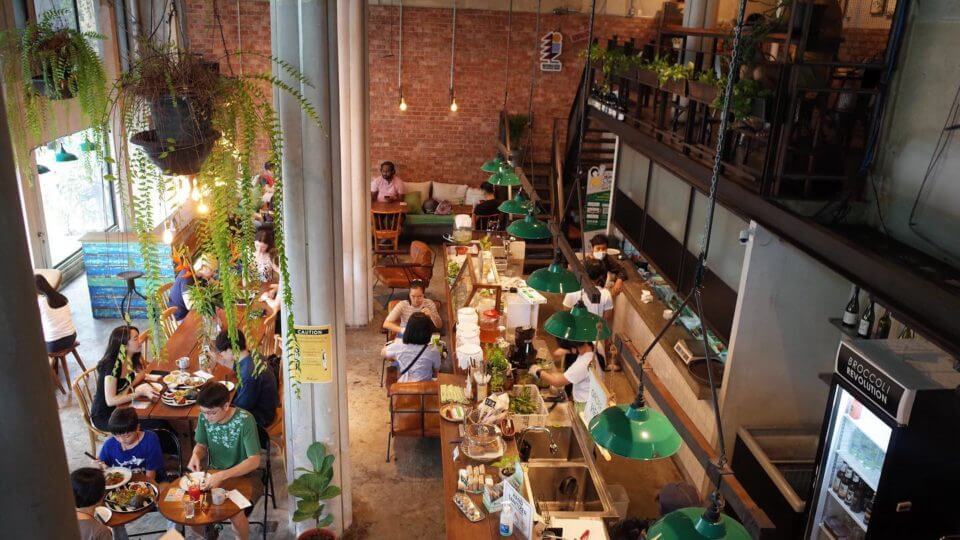
Broccoli Revolution is a modern, fully vegan restaurant with a more international feel, and the menu and pricing definitely reflect that. This spot is actually right where I used to live when I was staying with my parents—it was just a 10-minute walk from my house!
Broccoli Revolution has recently expanded with a couple of new locations that I haven’t had the chance to visit yet, situated in Charoen Krung and Central Embassy. These additions make it even more convenient to find a predictable, relaxed dining environment when you aren’t just looking for a quick bite.
This restaurant remains an excellent option for meeting up with friends, offering an amazing selection and a highly creative menu that keeps things interesting. Beyond the food, it’s a fantastic place to just chill or get some work done with your laptop. It easily holds its own as one of the best Bangkok vegan restaurants in 2026—especially if you’re visiting the original spot where I used to live, just a 10-minute walk from my parents’ house.
If you’re looking for more spots like this, don’t forget to check out my guide to the best cafes to work from in Bangkok as well.
Broccoli Revolution (Sukhumvit 49)
📍 Location:
899 Sukhumvit Soi 49, Khlong Tan Nuea, Watthana
Bangkok,
10110
Thailand
🚇 Public Transit:
BTS: Thong Lo Station
🕒 Opening Hours:
Mon–Sun: 10:00 – 21:00
📞 Phone: +66 2 662 5001
🍽️ Cuisine: Vegan, Plant-Based
💰 Price Range: $$
So Vegan (Multiple Mall Locations)
So Vegan has several convenient locations in malls and department stores across Bangkok, making it an accessible and practical option for those who want a fully vegan meal without the hassle of double-checking ingredients. While it might not be the primary choice for daily local dining, it’s a reliable go-to when you’re out shopping.
You can easily find them in the On Nut area, both at the Lotus superstore’s food court and right across the road at Century Onnut, as well as nearby at Gateway Ekkamai.
There is also another branch in Chinatown that I haven’t had the chance to check out yet.
So Vegan (Century On Nut)
📍 Location:
Basement Floor, Century The Movie Plaza, 2089 Sukhumvit Rd, Phra Khanong Nuea, Watthana
Bangkok,
10260
Thailand
🚇 Public Transit:
BTS: On Nut Station
🕒 Opening Hours:
Mon–Sun: 10:00 – 21:00
📞 Phone: +66 96 965 6961
🍽️ Cuisine: Vegan, Thai
💰 Price Range: $
Talalaks Vegan Food (Multiple Mall Locations)
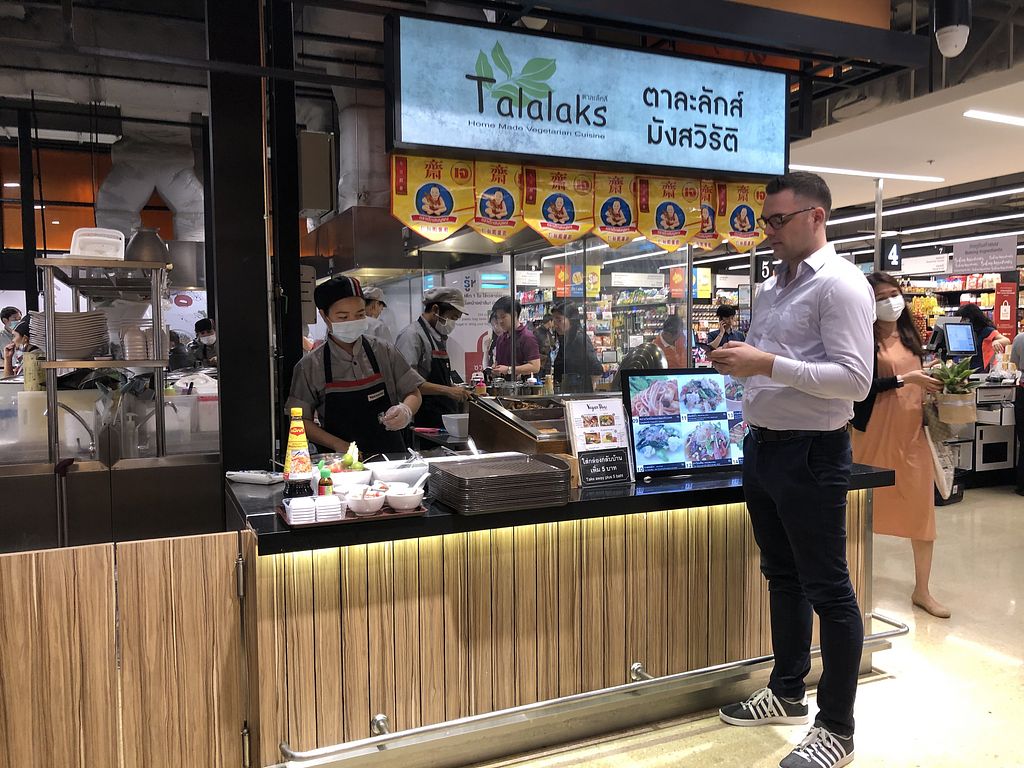
Talalaks Vegan Restaurant recently popped up on my radar, taking over the space formerly occupied by So Vegan in Mall Bangkapi (right near my old neighborhood!). I have to say, I am genuinely impressed by the step up in both quality and service.
The food here is exceptional—it’s clean, high-quality, and incredibly tasty. It has quickly become one of the best Bangkok vegan restaurants 2026 has to offer, and it is easily one of my highest recommendations for anyone seeking delicious plant-based meals in the city.
Beyond the Mall Bangkapi location, you can also find Talalaks branches at: Park Village, The Emporium (Phrom Phong), and Siam Paragon.
While I haven’t had the chance to visit the Siam Paragon or Park Village locations yet, if they are anything like the Bangkapi branch, they are well worth the visit. If you’re looking for a vegan spot that doesn’t compromise on flavor or cleanliness, Talalaks is a must-try.
Talalaks Vegan Food (Emporium Branch)
📍 Location:
Food Hall, Floor 4, The Emporium, 622 Sukhumvit Rd, Khlong Tan
Bangkok,
10110
Thailand
🚇 Public Transit:
BTS: Phrom Phong Station
🕒 Opening Hours:
Mon–Sun: 10:00 – 22:00
📞 Phone: +66 81 914 9178
🍽️ Cuisine: Vegan, Thai
💰 Price Range: $
Ganesha (Vegetarian, Vegan Friendly)
Ganesha is a standout South Indian vegetarian restaurant that highlights the incredible diversity of Bangkok’s food scene. While the restaurant isn’t strictly vegan, the menu adapts easily with a few small modifications, making it a perfect example of how effortlessly South Indian cuisine can cater to plant-based diners.
Bangkok has all types of food, but Indian cuisine remains one of the most reliable and flavorful options for plant-based eating. At Ganesha, I would highly recommend the dosa, idli, and uttapam—all of which are naturally centered around fermented rice and lentil batters. This is genuinely one of the better South Indian options I’ve experienced in the city. If you are looking to branch out from the best Bangkok vegan restaurants 2026 has to offer, this comforting spot is a phenomenal alternative, which is exactly why I wanted to share it as a top recommendation.
Ganesha South Indian Restaurant
📍 Location:
Sukhumvit Soi 13, Khlong Toei Nuea, Watthana
Bangkok,
10110
Thailand
🚇 Public Transit:
BTS: Nana Station
🕒 Opening Hours:
Mon–Fri: 11:00 – 22:00
Sat–Sun: 10:00 – 23:00
📞 Phone: +66 2 123 4567
🍽️ Cuisine: South Indian
💰 Price Range: $$
How to Order Vegan Food in Bangkok Without Guessing
One of the most common mistakes visitors make is assuming that a dish with vegetables is automatically vegan. In Thai food, animal-based sauces and stocks are often used by default. That’s why knowing how to ask matters more than memorizing restaurant names.
If you’re ordering at a made-to-order restaurant, start with: “Thum jay dai mai?” (Can you make this vegan?)
Then be specific:
- No fish sauce
- No oyster sauce
- No dried shrimp
For dishes like Pad Thai or stir-fries, asking for tofu to be added is normal and helps make the meal more balanced. When you see the yellow jay sign, you can eat with confidence. These places are designed around strict vegan preparation, not adaptations. This approach also aligns closely with what we focus on at sustainable tourism in Thailand.
Conclusion
Finding the best Bangkok vegan restaurants in 2026 isn’t about chasing short-lived trends or simply compiling basic “best of” lists. Plant-based dining in the city is truly about understanding how local food works—from neighborhood street markets and mall food courts to a select handful of higher-end restaurants.
This same philosophy shapes how we design journeys across Thailand, whether in Bangkok, Northern Thailand, or the quieter islands featured in our hidden gem islands guide.
Chiang Mai was where I first seriously experimented with vegan food. There were so many options that it felt effortless to try. I ate plant-based meals daily, often without consciously seeking them out, and the effect on my health was immediate. I felt better quickly, without trying to optimize anything. Still, I didn’t become vegan then. It wasn’t until four years later, on another return to Chiang Mai, that I committed fully and became vegan long term.
Check out my detailed guide on the best vegan restaurants in Chiang Mai to discover my favorite spots.
If you’re planning to explore beyond Chiang Mai, this Northern Thailand itinerary brings together the region’s quieter routes, mountain towns, and slower travel experiences.
Map: Finding the Best Bangkok Vegan Restaurants in 2026
Prefer a quick chat?
Message us directly on WhatsApp
If you already have an idea of your trip, send us a message — we’ll guide you through the best options for your travel style.
Chat on WhatsAppOr email us at [email protected]
FAQ: Best Bangkok Vegan Restaurants in 2026 & Local Dining
Is Bangkok good for vegans?
Yes, Bangkok is one of the best cities in Asia for vegans! Thanks to Thailand’s deep-rooted Jay (เจ) vegetarian tradition, plant-based food is widely available, affordable, and easy to find across local markets, mall food courts, and dedicated plant-based cafés.
Is veganism big in Thailand?
While Western-style veganism is a growing trend among younger generations and expats, strict plant-based eating has been part of Thai-Chinese culture for centuries through Kin Jay. During the annual Nine Emperor Gods Festival—and year-round at dedicated Jay eateries—millions of locals eat strictly vegan.
What are the best restaurants in Bangkok that offer vegan options?
Top dedicated plant-based spots include Veganerie Concept, Broccoli Revolution, and So Vegan. For authentic local fare, the Pier 21 Food Court at Terminal 21 and neighborhood Jay stalls (like those at Nakhon Market) offer incredible, budget-friendly options alongside mainstream dining.
What to eat in Thailand as a vegan?
You can enjoy plant-based versions of classic Thai dishes like Pad Thai, Som Tam (papaya salad without fish sauce/shrimp), Tom Yum, Khao Soi, green curries, stir-fried morning glory (Pak Boong), and classic desserts like mango sticky rice or coconut ice cream.
What does “jay” (เจ) mean when looking for the best Bangkok vegan restaurants in 2026?
Jay (เจ) is a strict vegan standard commonly used across Thailand. When a local food stall or any of the best Bangkok vegan restaurants in 2026 display the iconic yellow and red jay sign, it guarantees the food is prepared entirely without animal products or pungent herbs. Relying on jay spots is an excellent way to supplement your itinerary alongside mainstream dining.
What is the difference between jay and mangsawirat at the best Bangkok vegan restaurants in 2026?
Jay (เจ) explicitly means vegan, whereas mangsawirat (มังสวิรัติ) translates to vegetarian. While vegetarian menus around the city may still feature eggs or dairy, the best Bangkok vegan restaurants in 2026 stick strictly to plant-based ingredients. If you are entirely plant-based, look for explicit jay signage or cross-reference our top recommendations.
How do I ask a non-vegan Thai restaurant to modify a dish to match the standard of the best Bangkok vegan restaurants in 2026?
At standard made-to-order eateries (aharn taam sung), you can ask “Gin jay dai mai?” (Can you make this vegan?). To ensure your meal matches the standard of the best Bangkok vegan restaurants in 2026, explicitly ask them to omit fish sauce, oyster sauce, and dried shrimp, and request tofu or extra mushrooms instead.
Are mall food courts a good alternative to the best Bangkok vegan restaurants in 2026?
Yes, absolutely. Bangkok’s major shopping mall food courts (like Terminal 21, MBK, and Siam Paragon) feature dedicated jay stalls. These counters serve authentic, budget-friendly Thai dishes that easily compete with the best Bangkok vegan restaurants in 2026 in terms of flavor speed and local authenticity.
Where should I start if I want to explore local food beyond the best Bangkok vegan restaurants in 2026?
We highly recommend starting with our comprehensive Bangkok hidden gems food guide. Gaining an understanding of how traditional street food operates allows you to seamlessly explore the city, adapt normal street vendor menus, and discover hidden culinary secrets right next door to the best Bangkok vegan restaurants in 2026.

About the author
Written by Dee, Thai-born founder of Off Path Thailand. My life changed after renting a scooter in Chiang Mai nearly a decade ago. I still remember the moment my jaw dropped at the natural beauty around me — riding into the distance with mountains on both sides felt more alive than any PS4 game I had ever played. Since that day, I’ve been hooked on this kind of travel — because there’s so much wonder to discover in Thailand’s quiet, hidden places. I’ve spent close to ten years exploring these off the beaten path corners and helping others experience parts of the country that feel far more meaningful than the usual tourist stops. About the founder
Tell us your dates and vibe — Our team replies within 24 hours to begin crafting your trip.
Leave everything to us and experience Thailand Off The Beaten Path
Every journey leaves a footprint — the difference is in how we choose to travel. At Off Path Thailand, we focus on keeping those footprints light. Discover how sustainable travel in Thailand connects comfort with care.