
Last Updated: September 13, 2026
The Best Restaurants in Chiang Mai Old Town (A Local’s Guide)
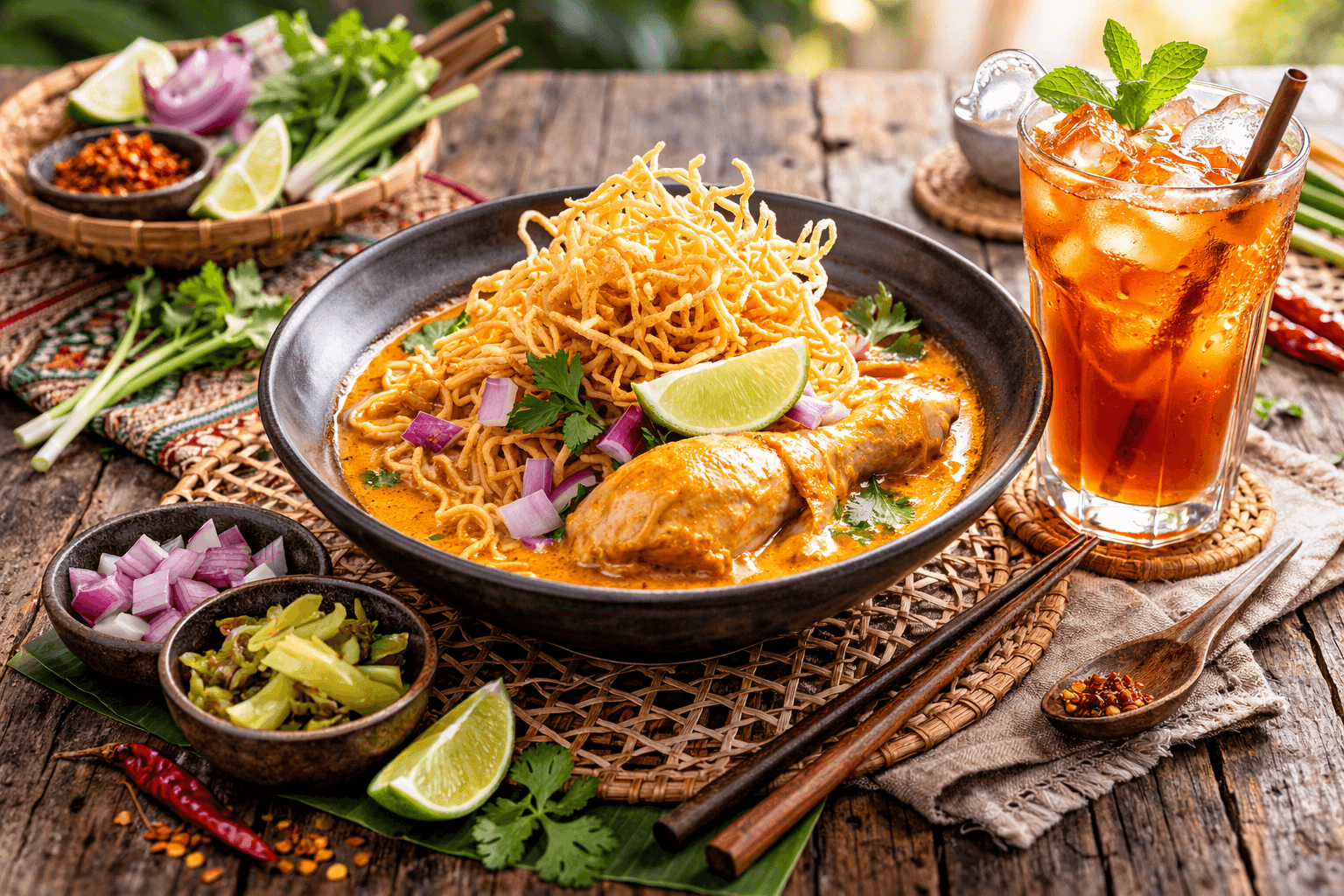
TL;DR: If you’re looking for the best restaurants in Chiang Mai Old Town, skip the tourist-heavy spots and focus on the places locals actually return to. This guide highlights restaurants I’ve personally visited and enjoyed, from legendary khao soi shops and traditional Northern Thai kitchens to neighborhood noodle spots and a few excellent international restaurants that reflect Chiang Mai’s multicultural food scene.
Heading to Bangkok after Chiang Mai? Here are the hidden gem restaurants in Bangkok my family has been eating at for generations.
Introduction
Chiang Mai has long been considered one of Thailand’s most exciting food destinations, and finding the best restaurants in Chiang Mai Old Town serving Northern Thai food and local favorites is one of the best ways to understand the city. Travelers often arrive expecting night markets filled with sizzling grills, fragrant noodle soups, and vibrant bowls of curry that represent the flavors of Northern Thailand’s Lanna People. While those experiences certainly exist, the restaurants most visitors encounter first are not always the most authentic places or where locals actually eat.
Mapping out a trip to the North involves more than just finding great places to eat. To help you structure your entire journey from start to finish, I’ve put together a comprehensive Northern Thailand itinerary that maximizes your time and hits all the regional highlights.
The difference becomes clear fairly quickly. Some restaurants in the busiest parts of the Old City or around tourist hubs feel designed specifically for short-term tourists. Menus are simplified, spice levels are extremely toned down, and the atmosphere becomes more about convenience than culinary tradition, something you notice less once you start seeking out the best restaurants in Chiang Mai Old Town by moving through the city more intentionally along these Chiang Mai walking routes.
For authentic Northern Thai flavors, visiting the best Chiang Mai restaurants in Old City will guide you to local favorites beyond the typical tourist spots.
But the authentic story of Chiang Mai’s food culture is found elsewhere.
To find the best restaurants in Chiang Mai Old Town, look for the spots where locals actually eat. These are the places where recipes have been passed down for decades, reflecting true local culture rather than the expectations of international travelers, even if they don’t focus strictly on Northern Thai cuisine.
That’s really the focus of this guide: highlighting authentic Chiang Mai restaurants that locals genuinely enjoy, where the flavors remain true to Northern Thai cooking traditions rather than being adapted primarily for visitors.
Hidden doesn’t necessarily mean unknown. Some of the best Chiang Mai restaurants in Old City featured in this guide are actually quite popular locally, with a few even recognized by the Michelin Guide. What makes them special is not secrecy but authenticity. Despite the city’s rapid growth as a global travel destination, these restaurants have stayed true to their roots in local food traditions.
The restaurants in this guide are places I’ve personally visited and enjoyed while spending time living in Chiang Mai. During one stay in particular, I rented an apartment between the Old City and Nimmanhaemin because it made it easy to get to either area. Living there meant I could move freely between the historic center and Nimman’s cafés and restaurants, making it possible to eat more like a local rather than simply passing through.
Many of these areas also have some of the best cafes in Chiang Mai nearby, making it easy to continue the experience beyond just food.
Many of these meals were part of my search for the best restaurants in Chiang Mai Old Town before I transitioned to a vegan lifestyle, which meant trying Northern Thai dishes in their original, traditional forms. While my diet has changed since then, those experiences remain some of the most authentic ways to explore Chiang Mai’s culinary culture.
During my extended stays in Chiang Mai, I went fully vegan thanks to the incredible food scene. Check out my detailed guide on the best vegan restaurants in Chiang Mai to discover my favorite spots.
Most of the best restaurants in Chiang Mai Old Town featured here focus on Northern Thai cuisine, also known as Lanna cuisine. But Chiang Mai has always been a crossroads of cultures, shaped by trade routes connecting Thailand, Myanmar, China, and India. That cultural diversity is reflected in the city’s dining scene today.
That’s why this list of the best restaurants in Chiang Mai Old Town also includes a few excellent international spots that locals genuinely appreciate, places that represent the broader culinary influences shaping the city today.
Together, they form a guide to the best Chiang Mai restaurants in Old City, offering visitors a memorable and authentic way to experience the city through its food.
If you’re planning your time beyond just food, here are some of the best unique things to do in Chiang Mai that pair perfectly with exploring the city’s local dining scene, and To see why I actually prefer Chiang Mai in the rainy season, check out our Chiang Mai Rainy Season Guide for tips, sights, and local experiences.
For those who travel for food and love to experience a culture through its flavors, we can fully customize your trip around a culinary exploration travel style in Chiang Mai, ensuring every meal is a highlight of your journey.
Looking for great places to eat in Chiang Mai? Don’t miss my latest post on the best vegan restaurants in Chiang Mai, where I share all my personal go-to spots from living there.
After many trips to Northern Thailand, I’ve learned that one of the best decisions you can make is working with a good Chiang Mai private tour guide and driver. Here’s everything you need to know.
Drop us a quick message on WhatsApp if you have any questions—we can make anything work!
- The Best Restaurants in Chiang Mai Old Town (A Local's Guide)
- Introduction
- Best Restaurants in Chiang Mai Old Town: Why Authenticity Matters
- Khao Soi Maesai – One of the City’s Most Iconic Bowls
- Huen Muan Jai – Traditional Lanna Cuisine in a Garden Setting
- Anchan Noodle – Creative Thai Noodles Near Nimman
- Kai Yang Wichianburi – A Taste of Isaan in Northern Thailand
- Jok Lanna – Chiang Mai’s Classic Breakfast Comfort Food
- Chennai to Rangoon – South Indian and Burmese Flavors
- Hummus – Authentic Middle Eastern Cuisine Near the Ping River
- Lang Mor Night Market – Chiang Mai’s Student Food Street
- Tips for Enjoying These Restaurants Like a Local
- Conclusion
- Map of Authentic Chiang Mai Restaurants
- FAQ (Best Restaurants in Chiang Mai Old Town)
- Where can I find the best restaurants in Chiang Mai Old Town?
- What food should you try at the best restaurants in Chiang Mai Old Town?
- Where do locals eat in Chiang Mai?
- Are the best restaurants in Chiang Mai Old Town expensive?
- Is Chiang Mai known for good food?
- When is the best time to visit Chiang Mai for food?
- Where did Anthony Bourdain eat in Chiang Mai?
- What is a must-try food in Chiang Mai?
- What are the top rated restaurants in Chiang Mai?
- Are there any Michelin star restaurants in Chiang Mai?
Best Restaurants in Chiang Mai Old Town: Why Authenticity Matters
Northern Thai cuisine is fundamentally different from the Thai food many travelers first encounter in Bangkok or southern beach destinations.
Historically, the region formed part of the Lanna Kingdom, which flourished for centuries in the mountainous north of Thailand. Its culinary traditions evolved under the influence of neighboring Myanmar, Laos, and southern China, producing a cuisine that emphasizes herbs, fermented flavors, grilled meats, and aromatic spices.
Some of the most recognizable dishes from the region include:
These dishes reflect centuries of culinary exchange and local adaptation.
But not every restaurant serves them authentically.
The best way to experience the region’s food culture is to seek out the restaurants where locals themselves eat regularly.
Discover our Thailand Street Food Guide and Chiang Mai Street Food Guide to get a clear idea of what to expect in prices and to experience the country’s culture through our culinary-focused travel adventures.
These kinds of places may not appear on every travel blog, but they represent the heart of Chiang Mai’s culinary identity.
When you seek out the best restaurants in Chiang Mai Old Town, your meal comes with a glimpse into local life. You’ll see students grabbing late dinners, families sharing large plates, and neighborhood regulars returning to their favorite noodle shops.
In many cases, the best restaurants in Chiang Mai Old Town are the ones locals have quietly loved for years.
Khao Soi Maesai – One of the City’s Most Iconic Bowls
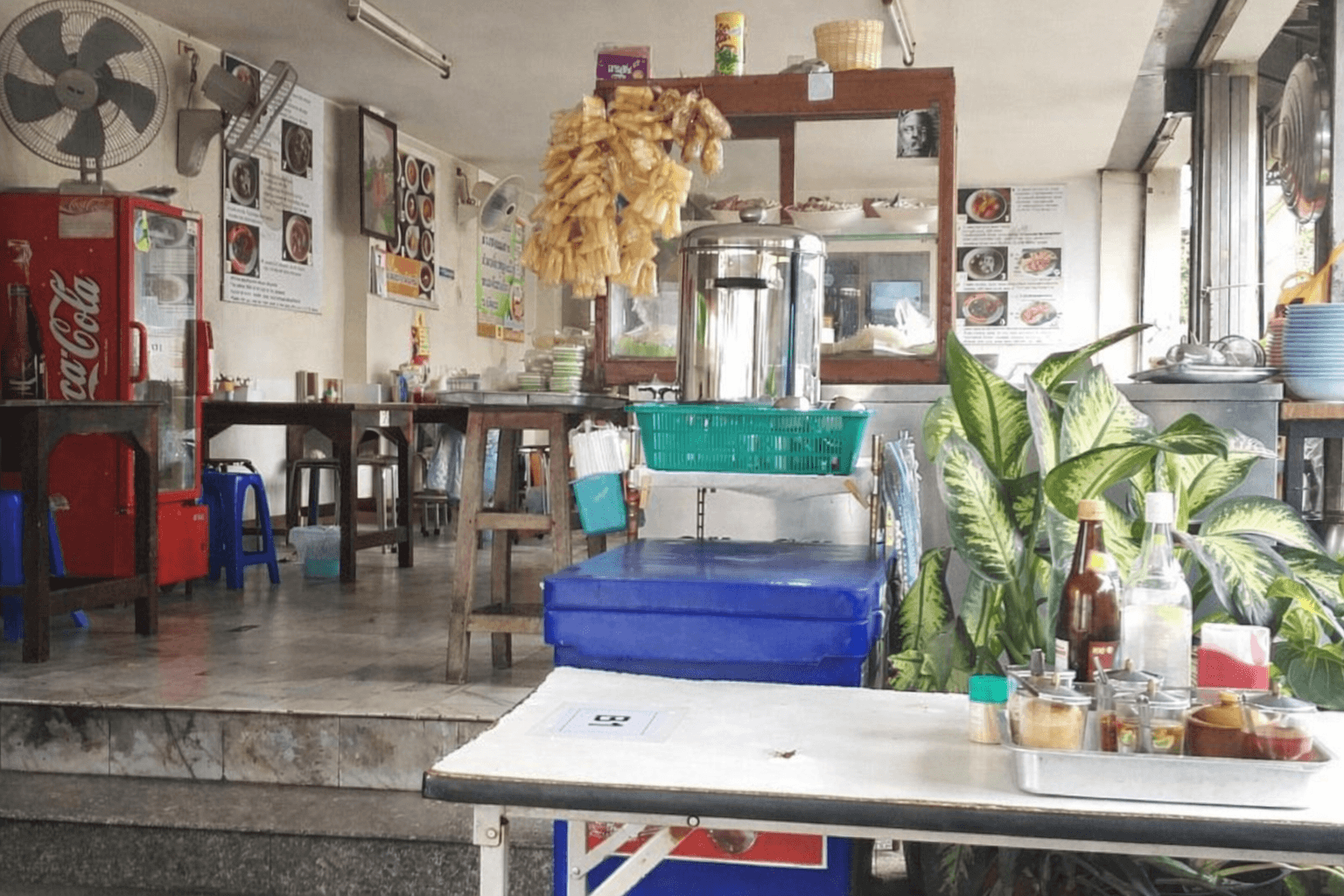
Few dishes define Northern Thai cuisine more clearly than khao soi, and few restaurants are associated with the dish as strongly as Khao Soi Maesai.
Located on the Santitham road north of the Old City, this humble restaurant has built a reputation for serving one of the most memorable versions of the dish in Chiang Mai.
During one extended stay in the city, I actually rented an apartment right next door to it. The location was ideal, positioned between the Old City and the Nimmanhaemin district. But having one of the best restaurants in Chiang Mai Old Town for khao soi just steps away quickly turned it into a regular stop.
Khao Soi Maesai has received multiple Michelin Bib Gourmand recognition, an award that highlights restaurants serving excellent food at moderate prices. Despite the international recognition, the restaurant remains refreshingly simple.
The menu is short and focused almost entirely on variations of its signature dish.
A bowl of Khao Soi here arrives steaming hot with a rich coconut curry broth layered with spices. Soft egg noodles sit beneath crispy fried noodles that add texture, while pickled mustard greens, lime, and shallots provide acidity that balances the richness of the curry.
The flavor profile is bold and slightly spicy—definitely one of the more intense versions of the dish in Chiang Mai.
The recipe itself is said to draw inspiration from the Mae Sai district in Chiang Rai Province, giving the curry its distinctive Northern Thai character.
Prices remain extremely affordable, typically around 60–80 baht per bowl, which is remarkable considering the restaurant’s reputation.
The place fills quickly during lunchtime, often with a mix of locals, students, and curious travelers who have heard about the restaurant’s legendary status.
But despite the crowds, the food remains consistent.
For anyone wanting to understand why Khao Soi is considered the culinary icon of Northern Thailand, this restaurant is one of the best places to start.
Khao Soi Maesai
Cuisine: Northern Thai / Khao Soi Specialty
Price Range: ฿50–70 per bowl
Average Cost for 2: ฿120–180
Neighborhood: Chang Phueak (near Nimman / Santitham)
Atmosphere: Casual, fast-paced street food shop, packed with locals
Must-Try Dishes: Khao Soi Kai (Chicken), Khao Soi Neua (Beef), Kanom Jeen Nam Ngiew
Opening Hours: 08:00 – 16:00 (Closed Sundays)
Why Visit: Widely regarded as one of the best restaurants in Chiang Mai Old Town for khao soi, famous for its rich, fragrant coconut curry broth and Michelin Bib Gourmand recognition.
Huen Muan Jai – Traditional Lanna Cuisine in a Garden Setting
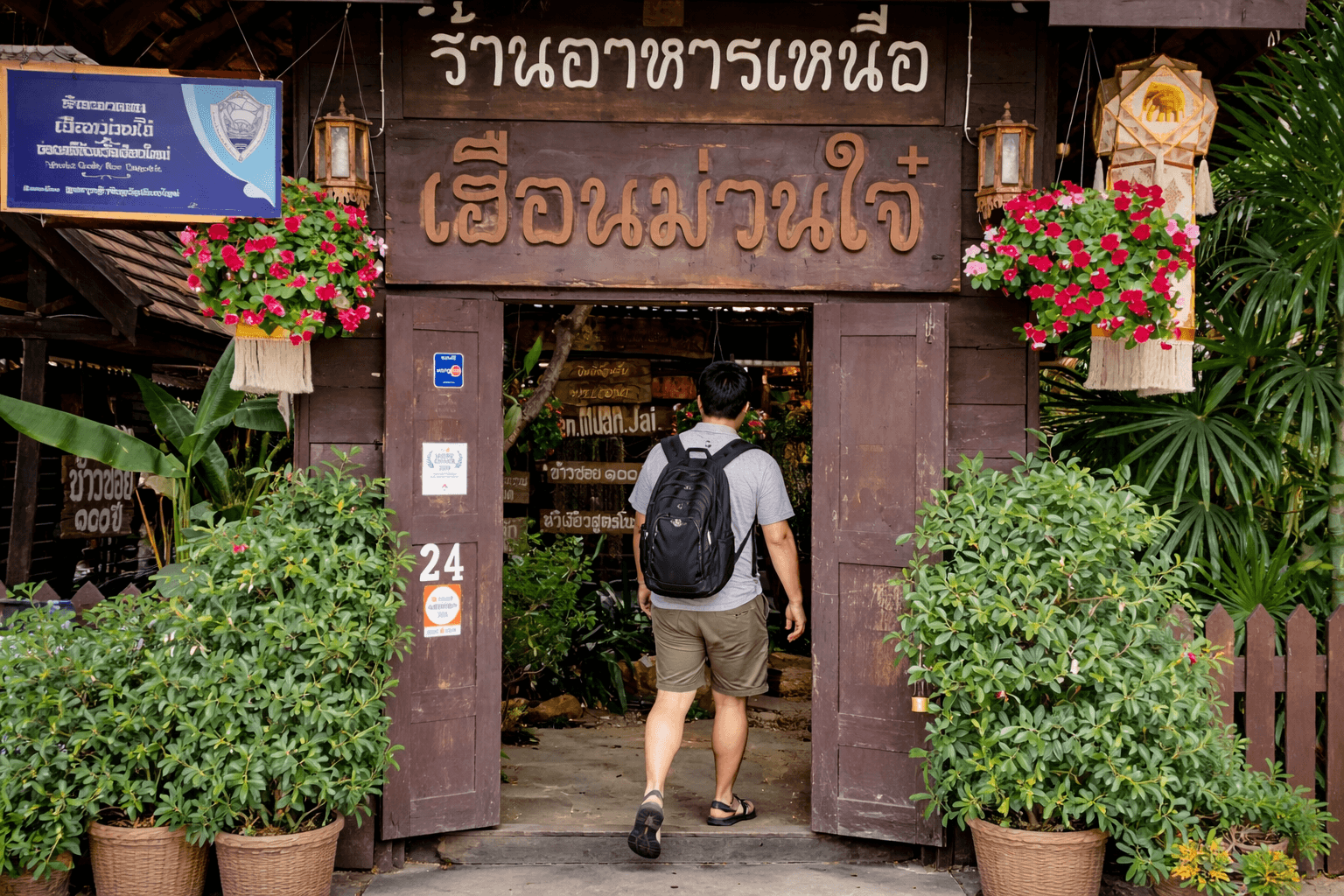
Just across the street from Khao Soi Maesai sits another of Chiang Mai’s most respected Northern Thai restaurants: Huen Muan Jai.
Unlike the small noodle shop atmosphere next door, Huen Muan Jai occupies a beautiful wooden Lanna-style house surrounded by gardens, making it one of the more distinctive best restaurants in Chiang Mai Old Town in terms of setting alone.
The name roughly translates to “House of Happiness,” and the restaurant truly feels like a welcoming gathering place.
The menu focuses on traditional Lanna cuisine, offering dishes that represent the culinary heritage of Northern Thailand.
Many of the dishes are served in smaller portions designed for sharing, which allows diners to experience multiple flavors in one meal.
Standout dishes include:
These dishes reflect the earthy, herbal flavor profiles that define Northern Thai cooking.
The restaurant has also earned multiple Michelin Bib Gourmand awards, highlighting its consistent quality and value.
While I was living nearby, I once noticed the restaurant unexpectedly closed for a private event. Later I learned that a member of the Thai royal family had come to Chiang Mai and requested to eat there.
That kind of story says a lot about how respected the restaurant is locally.
Despite its reputation and beautiful setting, the prices remain surprisingly reasonable. A meal with several shared dishes typically costs 150–300 baht per person.
If you’re looking to explore genuine Northern Thai flavors, Huen Muan Jai stands out among the best restaurants in Chiang Mai Old Town, offering an excellent introduction to local food traditions.
Huen Muan Jai
Cuisine: Authentic Northern Thai (Lanna)
Price Range: ฿80–250 per dish
Average Cost for 2: ฿350–600
Neighborhood: Chang Phueak (Santitham area)
Atmosphere: Traditional Lanna teakwood house, garden setting, relaxed
Must-Try Dishes: Ong Muan Jai (Northern Appetizer Platter), Gaeng Hung Lay, Khao Soi
Opening Hours: 11:00 – 21:00 (Closed Wednesdays)
Why Visit: Run by a celebrity chef specializing in classic Lanna cuisine, this Michelin Bib Gourmand recipient is one of the best restaurants in Chiang Mai Old Town for traditional Northern flavors, served in a charming garden pavilion setting.
Anchan Noodle – Creative Thai Noodles Near Nimman

Just a short walk from the Maya shopping center in the Nimmanhaemin area sits one of Chiang Mai’s most visually distinctive noodle restaurants: Anchan Noodle.
At first glance the restaurant stands out for one obvious reason—the noodles themselves are bright blue.
The color comes from butterfly pea flower, known in Thai as anchan. The flower is commonly used in Southeast Asian drinks and desserts, where it produces a vivid natural blue pigment. At Anchan Noodle, that ingredient is used to color the noodles themselves.
The result is striking: bowls of noodles that look almost electric blue or purple depending on the broth they’re served in.
But the restaurant’s appeal goes well beyond its Instagram-friendly presentation.
Before I transitioned to a vegan diet, this was easily one of my favorite spots among the best restaurants in Chiang Mai Old Town for noodles. The flavors were consistently excellent, balancing modern creativity with genuine Thai cooking traditions. For a closer look at the city’s plant-based dining scene, check out my guide to vegan restaurants in Chiang Mai.
One of the most popular dishes is Tom Yum noodles, where the blue noodles are served in a spicy and aromatic broth filled with lemongrass, lime leaf, chili, and other classic Thai ingredients.
Another favorite is their dry noodle dishes, where the noodles are tossed with chili oil, roasted pork, herbs, and garlic.
The restaurant also serves a variety of refreshing homemade drinks, many of which also incorporate butterfly pea flowers.
Anchan Noodle sits right near the trendy Nimmanhaemin district. It stands out among the best restaurants in Chiang Mai Old Town for attracting a diverse crowd of local students, residents, and curious travelers exploring the area.
Prices remain very reasonable, typically 70–120 baht per dish, making it one of the most creative yet affordable noodle restaurants in the city.
For visitors exploring Nimman’s cafés and art spaces, it’s an excellent stop that combines innovation with authentic Thai flavors.
Anchan Noodle
Cuisine: Thai Noodle Specialty (Butterfly Pea Infused)
Price Range: ฿60–120 per dish
Average Cost for 2: ฿150–250
Neighborhood: Nimman (Siri Mangkalajarn Rd)
Atmosphere: Open-air, clean, casual, modern neighborhood eatery
Must-Try Dishes: Butterfly Pea Noodles with Tender Pork/Crispy Pork, Anchan Juice with Lime
Opening Hours: 08:00 – 16:00 (Open Daily)
Why Visit: Famous for its signature blue noodles naturally colored with butterfly pea flowers (anchan), this is one of the best restaurants in Chiang Mai Old Town for something a little different. It’s not just a visual gimmick, the slow-cooked pork, flavorful dipping sauces, and refreshing herbal drinks make it a delicious Nimman staple.
Kai Yang Wichianburi – A Taste of Isaan in Northern Thailand
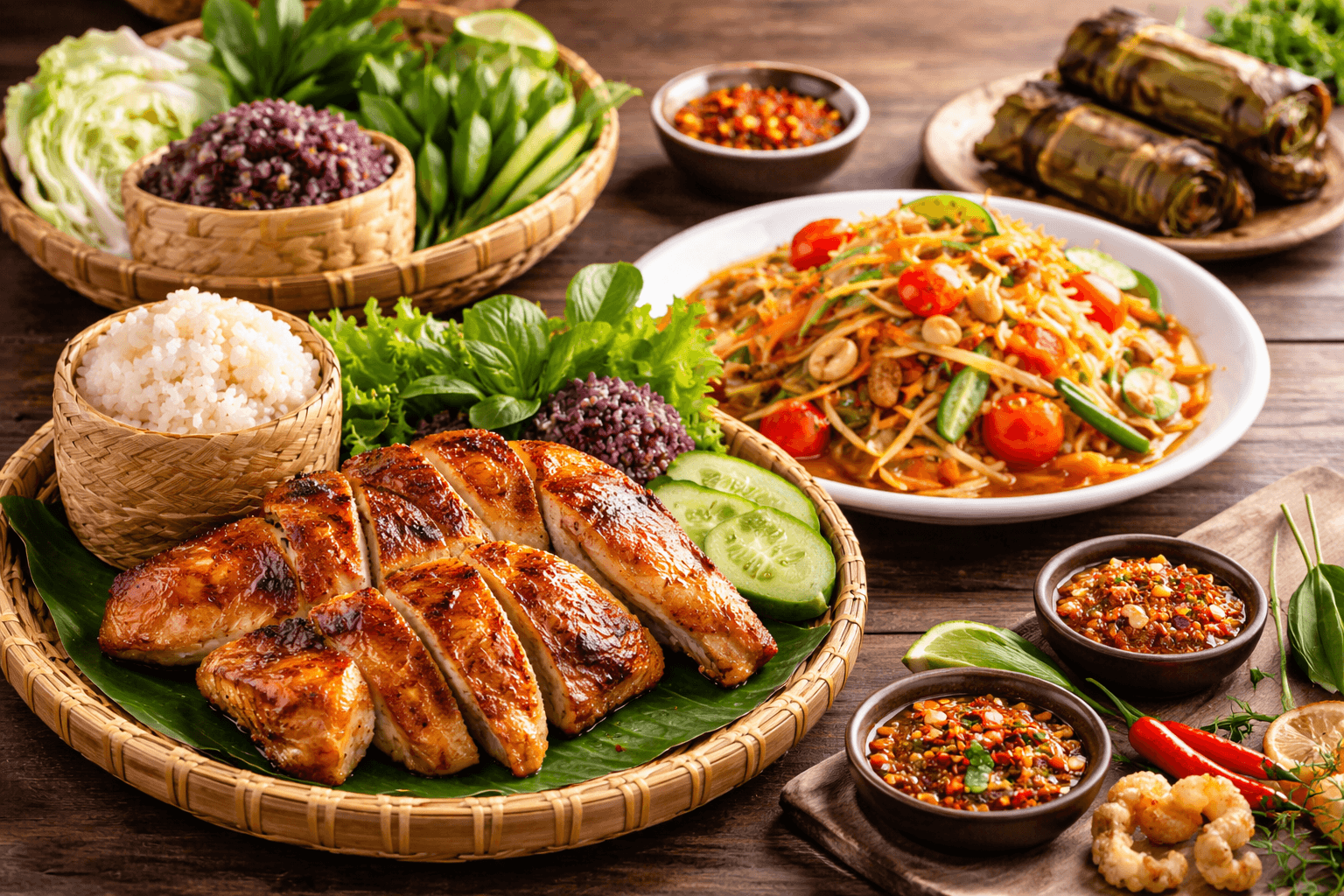
Although Northern Thai cuisine dominates Chiang Mai’s culinary reputation, the city also offers excellent restaurants representing other regional cooking traditions.
One standout is Kaiyang Wichianburi, widely regarded as one of the best Isaan-style restaurants in Chiang Mai.
Isaan cuisine originates from Thailand’s northeastern region and is known for its bold, rustic flavors. Dishes from this region often emphasize grilled meats, fermented ingredients, fresh herbs, and spicy salads.
For me personally, this cuisine has an added layer of familiarity.
My maternal grandfather immigrated to Khon Kaen in the Isaan region, so many of the flavors—particularly grilled meats and papaya salad—feel culturally familiar.
The restaurant specializes in classic Isaan dishes such as:
The grilled chicken is the true highlight. It arrives crispy on the outside while remaining tender and juicy inside, often served with a spicy dipping sauce.
The restaurant itself has a casual and lively atmosphere. As one of the best restaurants in Chiang Mai Old Town located near the Nimmanhaemin district, it’s easy to reach while exploring the area’s cafés, bars, and galleries.
Service is fast, and meals usually cost around 100–200 baht per person, making it both authentic and affordable.
Kai Yang Wichianburi (Nimman Soi 11)
Cuisine: Isan (Northeastern Thai) / Grilled Chicken
Price Range: ฿60–180 per dish
Average Cost for 2: ฿200–350
Neighborhood: Nimman (Soi 11)
Atmosphere: Simple open-air roadside spot, informal, local neighborhood vibe
Must-Try Dishes: Kai Yang (Wichianburi Grilled Chicken), Som Tum (Papaya Salad), Sticky Rice
Opening Hours: 09:00 – 16:00 (Open Daily, closes early if sold out)
Why Visit: Famous for serving authentic Wichianburi-style grilled chicken, perfectly seasoned with garlic and herbs, crispy skin, and juicy meat. Paired with spicy dipping sauces and fresh papaya salad, it’s one of the best restaurants in Chiang Mai Old Town for a budget-friendly lunch right in the Nimman area.
Jok Lanna – Chiang Mai’s Classic Breakfast Comfort Food
Not every memorable meal in Chiang Mai happens at dinner.
Some of the most authentic experiences happen early in the morning, when locals gather at small stalls serving simple breakfast dishes.
One excellent example is Jok Lanna, located near the Old Chiang Mai Cultural Center on Wua Lai Road.
Unlike many of the best restaurants in Chiang Mai Old Town featured in this guide, Jok Lanna operates as a modest outdoor stall rather than a full sit-down establishment. Yet it has become something of a local institution for breakfast.
The main dish served here is jok, a Thai rice porridge similar to Chinese congee.
The dish is simple but deeply comforting. Soft rice porridge is served with minced pork, ginger, herbs, and often a soft egg mixed into the hot broth.
When I was younger and had an upset stomach or food poisoning, my mom or grandmother would usually give me this to eat—it’s light, warm, and easy to digest, perfect for early mornings.
For many locals, jok is also the ideal food after a late night out. When your stomach isn’t ready for something heavy, a bowl of rice porridge is often exactly what you need.
That’s one reason Jok Lanna has developed a reputation for being a great hangover breakfast spot.
Interestingly, the stall also serves banh mi sandwiches, reflecting subtle Vietnamese culinary influences that have long existed in Northern Thailand.
Because it’s a breakfast spot, the stall closes relatively early—usually around 11 AM.
Arriving early is the best way to experience it the way locals do.
Jok Lanna
Cuisine: Thai Breakfast / Rice Porridge & Soup
Price Range: ฿40–80 per dish
Average Cost for 2: ฿100–180
Neighborhood: Suthep (Near Chiang Mai University / Behind CMU)
Atmosphere: Casual, fast-casual diner, popular morning local spot
Must-Try Dishes: Jok (Pork Rice Congee with Soft-Boiled Egg), Tom Luerd Moo (Pork Blood Soup), Boiled Rice with Fish
Opening Hours: 06:00 – 14:00 (Open Daily)
Why Visit: A quintessential local morning spot and one of the best restaurants in Chiang Mai Old Town area for traditional Thai breakfast. Their smooth rice porridge topped with minced pork meatballs, ginger, and a soft egg is one of the best ways to start a day of exploring Chiang Mai.
Chennai to Rangoon – South Indian and Burmese Flavors
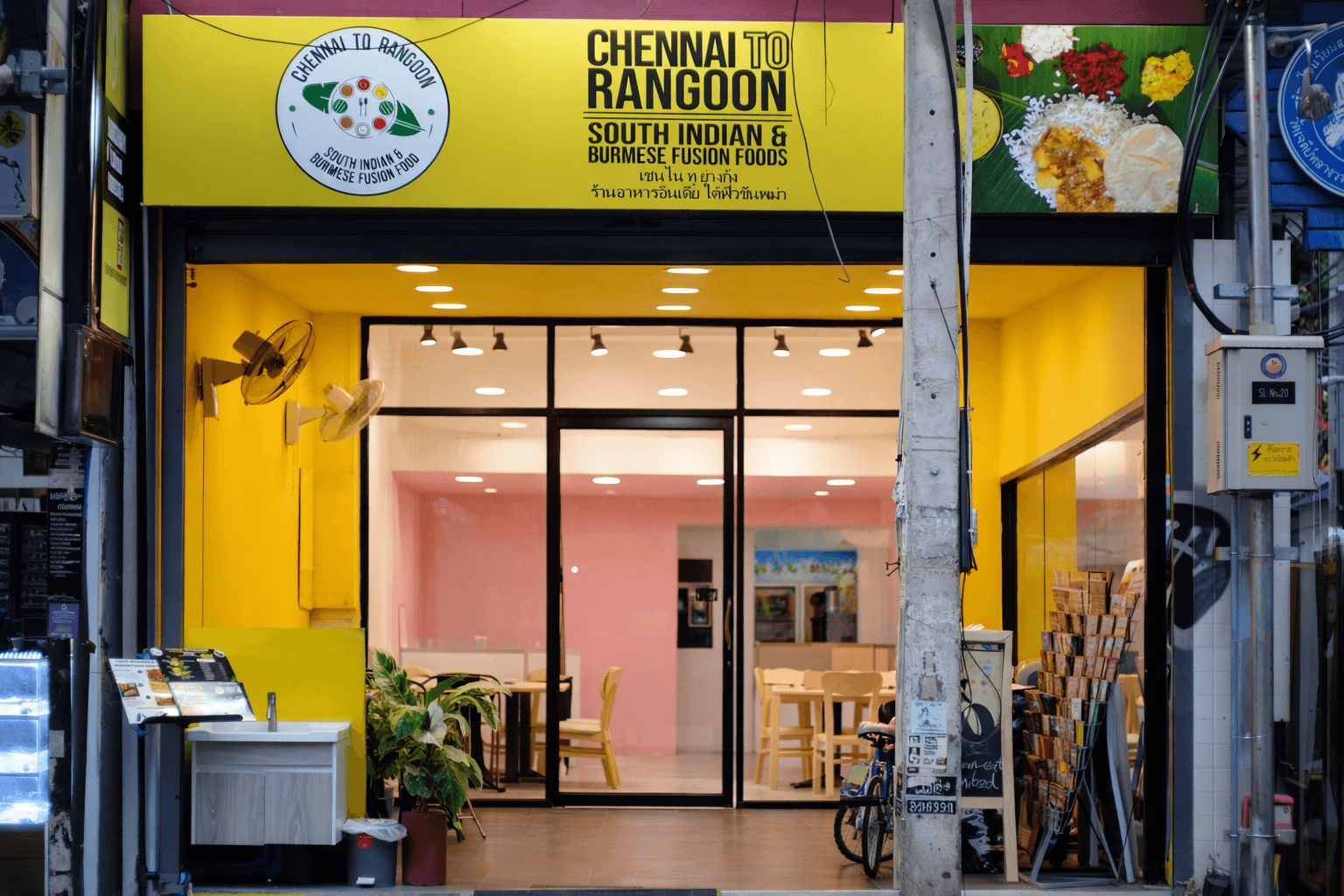
Chiang Mai’s food culture, and by extension, its best restaurants in Chiang Mai Old Town, is shaped not only by Northern Thai traditions but also by centuries of migration and cultural exchange.
One restaurant that beautifully reflects this diversity is Chennai to Rangoon.
As the name suggests, the restaurant draws inspiration from two cities: Chennai in southern India and Yangon (formerly Rangoon) in Myanmar.
The owners are Indians from Myanmar of Gujarati descent.
Located on Ratchadamnoen Road, the restaurant sits on the same street that hosts Chiang Mai’s famous Sunday Night Market.
That location adds an interesting detail: on Sunday evenings, vehicles are restricted as the market takes over the street. This makes one of the top authentic Chiang Mai restaurants in Old City especially convenient if you’re already exploring the market on foot.
Many visitors actually stop here before or after exploring the market stalls.
Despite its relatively modern and casual setting—almost resembling a fast-food restaurant—the food here is exceptional.
The menu includes several standout dishes from Tamil cuisine, particularly:
The Burmese influence appears in several curry dishes that incorporate ingredients and techniques common in Myanmar.
For travelers who have spent time exploring Thailand’s food scene, Chennai to Rangoon offers something refreshingly different.
I celebrated my birthday at this restaurant with a friend and was thoroughly impressed. The food was highly authentic and of excellent quality. Even the Burmese dishes were very well executed and paired beautifully with the South Indian dosas. During my visits, I genuinely found it to be one of the most unique and authentic Chiang Mai restaurants I have tried anywhere in Thailand.
The flavors feel authentic, the spices are balanced, and the dishes are clearly prepared with care.
For visitors spending an evening at the Sunday Night Market, it’s also a great place to escape the crowds briefly and enjoy a proper meal.
Chennai to Rangoon Indian Restaurant
Cuisine: South & North Indian / Burmese Fusion
Price Range: ฿100–250 per dish
Average Cost for 2: ฿300–500
Neighborhood: Old City (Rachadamnoen Road)
Atmosphere: Cozy, welcoming, casual sit-down dining
Must-Try Dishes: Masala Dosa, Biryani, Butter Chicken, Burmese Tealeaf Salad
Opening Hours: 10:00 – 22:00 (Open Daily)
Why Visit: Located right on the main Sunday Walking Street stretch in the Old City, this is one of the best restaurants in Chiang Mai Old Town for flavorful South Indian staples alongside rich curries and Burmese dishes. It’s highly rated for its authentic spices, great vegetarian options, and friendly service.
Hummus – Authentic Middle Eastern Cuisine Near the Ping River
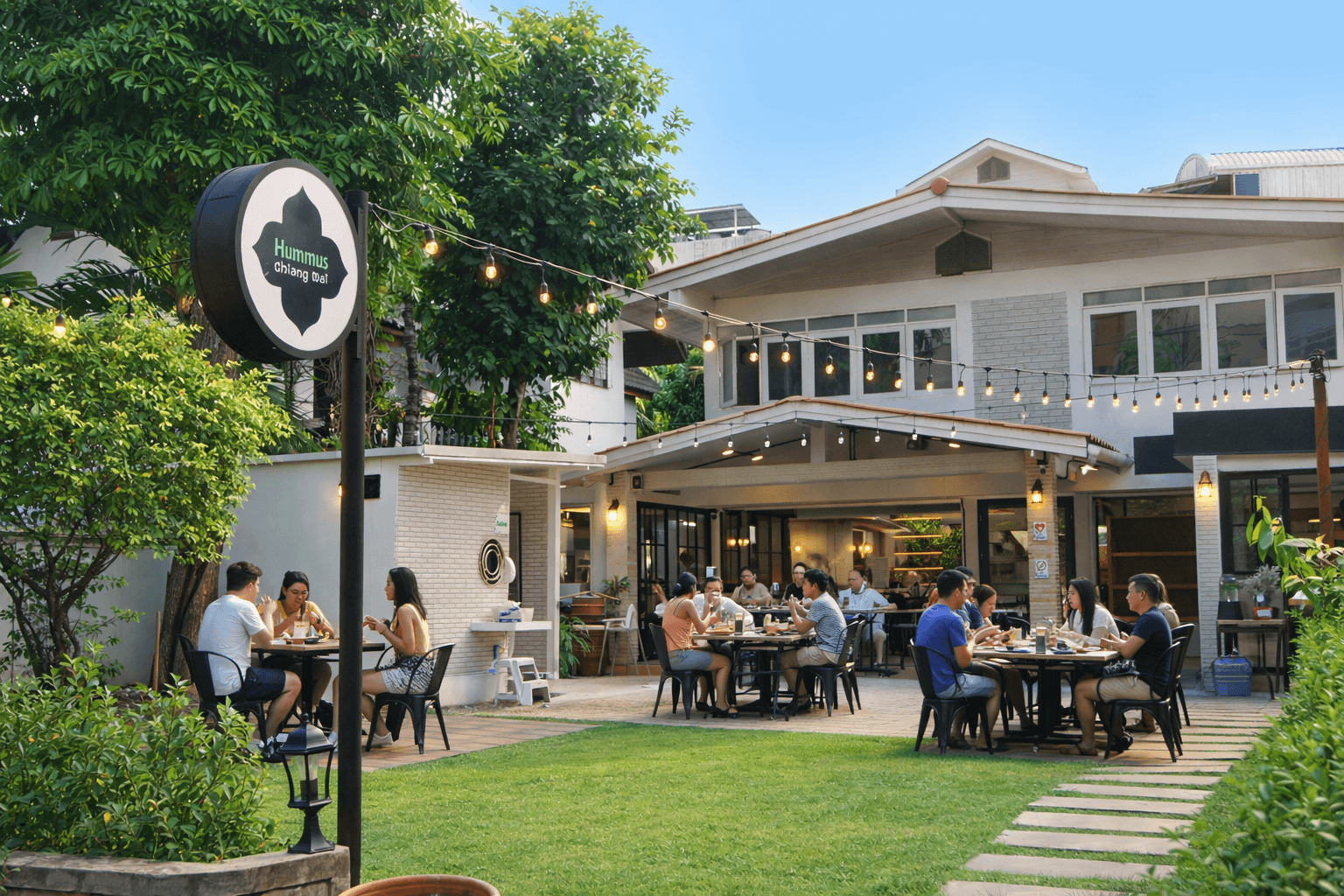
Although Chiang Mai is best known for Thai cuisine, the city also hosts a surprisingly diverse international food scene.
One standout example is Hummus, a Middle Eastern restaurant located southeast of the Old City near the Ping River and the Shangri-La area.
While you will find plenty of authentic Chiang Mai restaurants bustling inside the Old City, the dining scene around the Ping River offers a slightly quieter, more residential feel.
I visited this restaurant with a friend, and the food was highly authentic Middle Eastern cuisine of excellent quality, comparable to that of the popular authentic Middle Eastern restaurants in Bangkok.
Hummus itself has built a reputation for serving clean, authentic Middle Eastern food prepared with high-quality ingredients.
The menu focuses on classic dishes such as:
What makes the restaurant particularly impressive is the balance between quality and price.
In Bangkok, Middle Eastern food of similar quality can be expensive, but this spot stands out as one of the top authentic Chiang Mai restaurants in Old City, offering surprisingly affordable meals.
The staff are also known for being warm and welcoming, adding to the relaxed atmosphere.
For travelers who have spent several days eating Thai food, a meal here can provide a refreshing change of pace.
I went here with a friend and the food was actually very authentic middle eastern and the quality is quite high comparable to the popular middle eastern restaurants in Bangkok.
Hummus Chiang Mai
Cuisine: Middle Eastern / Mediterranean (Vegan & Vegetarian Friendly)
Price Range: ฿120–280 per dish
Average Cost for 2: ฿350–550
Neighborhood: Old City (Moon Muang Soi 4 / Near Tha Phae Gate)
Atmosphere: Modern, relaxed, cozy indoor & outdoor seating
Must-Try Dishes: Classic Hummus Bowl with Warm Pita, Crispy Falafel, Shakshuka, Labneh
Opening Hours: 11:30 – 22:30 (Open Daily)
Why Visit: One of the best restaurants in Chiang Mai Old Town for fresh, authentic Middle Eastern food. Known for its silky smooth house-made hummus, fluffy pita bread, and generous vegetarian platters, it’s a refreshing change of pace when taking a break from Thai cuisine.
Lang Mor Night Market – Chiang Mai’s Student Food Street
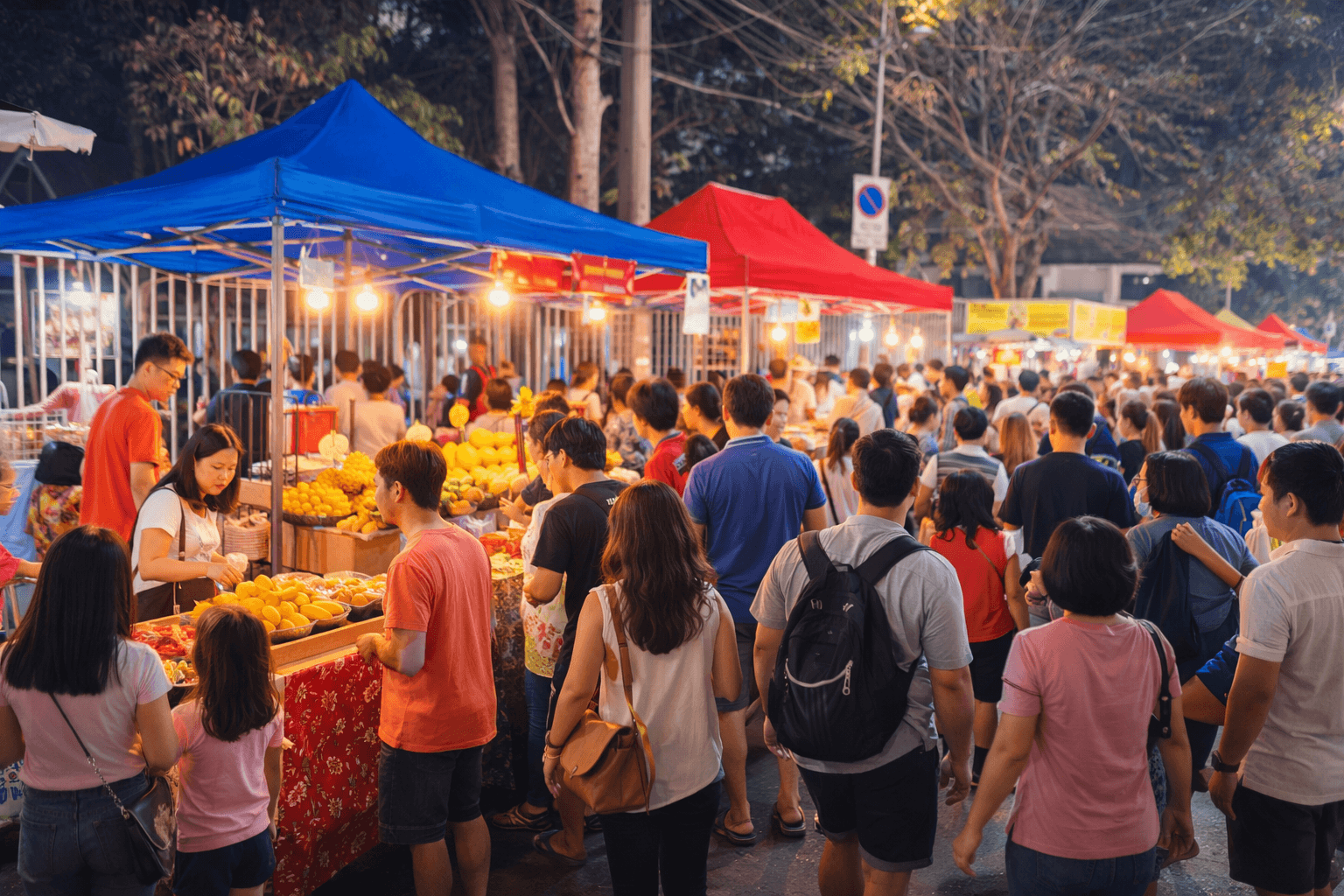
Not every hidden gem restaurant is a single establishment.
Lang Mor isn’t technically part of Old Town, but it’s just a 5-minute ride away via Suthep Road.
One of the most vibrant food areas in Chiang Mai is actually a street known as Lang Mor.
Personal Story: When I attended the Nomad Summit digital nomad conference in 2020, I selected an apartment here to be conveniently located near Nimman for the workshops, while also staying close to excellent food options. I typically had no problem finding quality food at any time of the day from 6am until late, and the location was also within easy access of Chiang Mai University for exercise.
The name literally translates to “behind the university”, referring to its location behind Chiang Mai University.
This street is filled with restaurants, food stalls, and small eateries catering primarily to students.
The result is an incredibly lively atmosphere where you can find almost any type of food imaginable.
Options include:
Prices here are extremely low compared to most restaurant districts.
Meals often cost 40–100 baht, making it one of the most affordable places to eat in the city.
Lang Mor is also a great place simply to wander. The street feels energetic and social, with groups of students gathering to eat, talk, and explore the different stalls.
It’s a reminder that some of Chiang Mai’s best food experiences don’t happen in formal restaurants at all.
If you’re curious about what to expect when dining local, be sure to check out our Thailand street food price guide for a clear breakdown of costs and must-try dishes.
Lang Mor (CMU Back Gate Market Area)
Cuisine: Thai Street Food, Isan Snacks, Desserts & Late-Night Bites
Price Range: ฿30–100 per dish
Average Cost for 2: ฿100–200
Neighborhood: Suthep (Suthep Road behind Chiang Mai University)
Atmosphere: Bustling night market, student heavy, casual street stall vibe
Must-Try Dishes: Grilled Pork Skewers (Moo Ping), Japanese Crepes, Sukiyaki, Bingsu / Shaved Ice
Opening Hours: 17:00 – 22:30 (Open Daily, peak hours around 18:30–20:30)
Why Visit: Located directly behind Chiang Mai University, “Lang Mor” is one of the best night markets near the best restaurants in Chiang Mai Old Town for ultra-affordable, delicious street food. Free from tourist markups, it features hundreds of stalls serving everything from local northern delicacies to late-night desserts.
Tips for Enjoying These Restaurants Like a Local
Exploring the best restaurants in Chiang Mai Old Town becomes easier once you understand a few local habits.
First, timing matters.
Many noodle shops and breakfast stalls close earlier than visitors expect. Restaurants like Jok Lanna operate mainly in the morning, while student areas such as Lang Mor become lively in the evening.
Second, ordering food doesn’t require speaking fluent Thai.
Many restaurants have photo menus, and pointing politely is completely acceptable.
Learning a few simple phrases can still go a long way:
Transportation around Chiang Mai is also very straightforward. Red songthaew taxis, Grab rides, or simply walking within the Old City can easily connect most of the restaurants mentioned here.
Alternatively, we can arrange a private car, driver, and guide for your journey. This ensures a seamless, stress-free experience while you explore the many authentic Chiang Mai restaurants in Old City.
You can contact us directly via WhatsApp to set it up.
If you prefer to skip the hassle of public transit and explore at your own pace, consider checking out Northern Thailand private tours for a tailored itinerary.
Pairing meals with nearby attractions can also enhance the experience. For example:
- Visiting Khao Soi Maesai can be combined with exploring Chang Phueak Gate.
- Dining at Chennai to Rangoon pairs perfectly with the Sunday Night Market.
Conclusion
Whenever I go back to Chiang Mai, even if it’s just for a week, I always make sure to dedicate the last few days to revisiting all of my favorite restaurants. They are that good, and I miss them that much while I’m away. Some of these places have become small rituals for me over the years. I know which table I prefer, which dishes I order without even looking at the menu, and which family members are usually working that day.
I’ve been back enough times to notice the little things that stay the same, the same recipes, the same careful way of cooking, the same quiet pride in feeding people properly.
Food in Chiang Mai still feels like an underrated hidden gem to me. While Bangkok gets most of the attention for its street food and the south is known for its seafood, the everyday cooking here rarely gets talked about enough. Northern Thai food, especially when it’s made by people who have been doing it for decades, has a depth and honesty that keeps pulling me back.
It’s not trying to impress anyone on social media. It’s just consistently good, comforting, and full of flavor in a way that feels increasingly rare. Every time I leave, I already start thinking about the next visit and which restaurants I’ll return to first.
When mapping out your itinerary, looking at a Chiang Mai vs Pai comparison helps you decide how to split your time between the cultural city hub and the relaxed mountain village.
For travelers looking to explore beyond the city limits and venture off the beaten path, our team specializes in the Chiang Dao region. Contact us today to completely customize your itinerary.
Map of Authentic Chiang Mai Restaurants
If you’re exploring Chiang Mai further, you may also enjoy our Chiang Mai Market Guide, nearby mountain escapes in our Chiang Dao guide, and other discoveries in our Chiang Mai Hidden Gems guide.
If you’re comparing cities while planning your trip, see our Bangkok vs Chiang Mai comparison.
Seasonal factors like air quality can also influence travel timing. Our Best Time to Visit Thailand planner or IQAir website explains Chiang Mai’s seasonal AQI patterns.
Our broader philosophy connects closely with sustainable tourism in Thailand and slower travel styles such as solo travel in Thailand.
Further Reading
Prefer a quick chat?
Message us directly on WhatsApp
If you already have an idea of your trip, send us a message — we’ll guide you through the best options for your travel style.
Chat on WhatsAppFAQ (Best Restaurants in Chiang Mai Old Town)
Where can I find the best restaurants in Chiang Mai Old Town?
The best restaurants in Chiang Mai Old Town are the places locals continue to eat at regularly, many of which are tucked away inside the Old City itself. Well-known examples include Khao Soi Maesai for its iconic Northern Thai noodle soup, Huen Muan Jai for traditional Lanna cuisine, and neighborhood favorites such as Jok Lanna for breakfast. These spots maintain traditional recipes and everyday local atmospheres rather than focusing primarily on tourist dining.
What food should you try at the best restaurants in Chiang Mai Old Town?
When visiting the best restaurants in Chiang Mai Old Town, classic Northern Thai dishes are the perfect place to start. Popular foods include khao soi (coconut curry noodle soup), sai ua (herbal Northern Thai sausage), gaeng hang lay (slow-braised pork curry), and nam prik chili dips served with vegetables and sticky rice. These dishes represent the traditional flavors you’ll find at the top spots around town.
Where do locals eat in Chiang Mai?
Locals often frequent the best restaurants in Chiang Mai Old Town and beyond, found throughout neighborhood areas, student food streets, and long-established family kitchens rather than only dining in tourist spots. Areas such as Santitham, Nimmanhaemin, and the student district behind Chiang Mai University are known for excellent, affordable local dining that reflects everyday eating habits in the city.
Are the best restaurants in Chiang Mai Old Town expensive?
Many of the best restaurants in Chiang Mai Old Town are surprisingly affordable. Local noodle shops and neighborhood eateries often serve meals for around 60–120 baht, while spots offering multiple dishes to share may cost 150–300 baht per person. Because these places cater primarily to locals, prices tend to stay reasonable compared with tourist-focused establishments.
Is Chiang Mai known for good food?
Chiang Mai is widely considered one of Thailand’s best food cities, largely due to the variety and quality found among the best restaurants in Chiang Mai Old Town and its surrounding neighborhoods. The region’s Lanna cuisine combines influences from Myanmar, Laos, and southern China, producing dishes that emphasize herbs, spices, and slow-cooked curries. Alongside traditional Northern Thai food, you can also experience the city’s broader modern food scene through its international dining options.
When is the best time to visit Chiang Mai for food?
Chiang Mai’s food scene can be enjoyed year-round, but the cooler months between November and February are often considered the most comfortable time to explore local markets and the best restaurants in Chiang Mai Old Town. Air quality can vary during the burning season in late winter and early spring, so checking seasonal conditions before traveling can help ensure a more enjoyable experience.
Where did Anthony Bourdain eat in Chiang Mai?
Anthony Bourdain visited Chiang Mai twice on television, once for “A Cook’s Tour” in 2003 and again for “Parts Unknown” in 2014, the latter guided by chef Andy Ricker of Pok Pok fame. His stops included night market stalls near Chang Phueak Gate for khao kha moo (stewed pork leg), Aroon Rai for classic Northern Thai dishes, and various street vendors serving sai ua, larb, and pig’s blood soup. While these aren’t all still operating exactly as they were, several of the best restaurants in Chiang Mai Old Town today serve very similar, authentic Lanna dishes.
What is a must-try food in Chiang Mai?
Khao soi is the single most iconic dish to try, a rich coconut curry noodle soup topped with crispy fried noodles, usually served with chicken or beef. Beyond that, sai ua (Northern Thai herbal sausage), gaeng hang lay (pork belly curry), and nam prik noom (roasted green chili dip) are all considered essential. You’ll find strong versions of these dishes at many of the best restaurants in Chiang Mai Old Town.
What are the top rated restaurants in Chiang Mai?
Among the best restaurants in Chiang Mai Old Town and nearby neighborhoods, Huen Muan Jai and Khao Soi Maesai consistently rank as local and visitor favorites thanks to their Michelin Bib Gourmand recognition and long-standing reputations. Other highly rated spots include Anchan Noodle in Nimman and smaller, no-frills places like Jok Lanna, which earn their reputation through consistency rather than marketing.
Are there any Michelin star restaurants in Chiang Mai?
As of now, Chiang Mai does not have any restaurants awarded a full Michelin Star, though the city has a number of Michelin Bib Gourmand and Michelin Selected restaurants recognized for excellent quality at good value. Huen Muan Jai and Khao Soi Maesai are examples of Bib Gourmand-recognized spots, making them some of the best restaurants in Chiang Mai Old Town to try if you’re chasing Michelin-recommended food without the Bangkok price tag.

About the author
Written by Dee, Thai-born founder of Off Path Thailand. My life changed after renting a scooter in Chiang Mai nearly a decade ago. I still remember the moment my jaw dropped at the natural beauty around me — riding into the distance with mountains on both sides felt more alive than any PS4 game I had ever played. Since that day, I’ve been hooked on this kind of travel — because there’s so much wonder to discover in Thailand’s quiet, hidden places. I’ve spent close to ten years exploring these off the beaten path corners and helping others experience parts of the country that feel far more meaningful than the usual tourist stops. About the founder
If you want to explore more peaceful destinations like this, start with our Northern Thailand hidden gems guide and see how Chiang Dao fits into a slower, more authentic journey through the region.