
Last Updated: September 15, 2026
Chiang Mai Street Food Prices 2026

TL;DR: In 2026, most Chiang Mai street food costs ฿40–75 per dish at local stalls. Northern classics like Khao Soi and Sai Ua remain excellent value compared to Bangkok and the beach destinations.
Although I was born in Bangkok, I’ve spent so much time in Chiang Mai over the years that it feels like a second home. If it weren’t for family commitments, I would probably live there full-time.
I’m very used to eating street food. In Bangkok I eat it almost every day. It’s convenient, delicious, inexpensive, and it supports local families instead of large corporations. The same is true in Chiang Mai, but the experience feels even better. In fact, Chiang Mai food is what I crave most when I’m back in Bangkok. The Khao Soi I find in the capital never quite hits the same, and the vendors up north are generally friendlier and more relaxed.
The weather also plays a big part. Chiang Mai is usually cooler than Bangkok, so sitting outdoors to eat is more pleasant. In Bangkok the extreme heat can sometimes affect food safety, while in Chiang Mai the milder temperatures make outdoor dining both more comfortable and, in my experience, a bit safer.
- Chiang Mai Street Food Prices 2026
- My Relationship With Chiang Mai (and Its Food)
- Why Chiang Mai Street Food Prices 2026 Are Still Excellent Value
- Personal Experience & Opinion:
- Comparison Table for Context
- Chiang Mai Street Food Prices 2026 – Local vs Tourist Areas
- The Best Street Food in Chiang Mai (Mapped by Time of Day)
- Price Ladder – Street vs Mid-Range vs Tourist Restaurants
- Neighborhood Price Differences in Chiang Mai
- Embed The Pricing Table
- Conclusion
- Map showing popular local food areas across Chiang Mai:
- FAQ (Chiang Mai Street Food Prices 2026)
- What are typical Chiang Mai street food prices in 2026?
- Are Chiang Mai street food prices higher in tourist areas?
- How much is a bowl of Khao Soi based on Chiang Mai street food prices?
- Where can I find the cheapest Chiang Mai street food prices?
- How do Chiang Mai street food prices compare to mid-range restaurants?
- What are the Chiang Mai street food prices for popular local snacks?
- What is the best street food in Chiang Mai?
- What food is Chiang Mai known for?
- Where do locals eat in Chiang Mai?
- Experience Thailand off the beaten path with a calm, private plan
My Relationship With Chiang Mai (and Its Food)
Street food has always been my first instinct wherever I travel. There’s something about eating standing up at a cart, watching the person cooking your meal a foot away from you, that feels more honest than sitting inside a restaurant with a laminated menu. It’s cheap, it’s fast, and more often than not, it’s better than anything you’d get somewhere fancier. That instinct has followed me through every country I’ve visited, and Thailand is no exception.
But Chiang Mai is a slightly different story, and it’s part of why I wanted to write this guide properly rather than just throwing numbers on a page.
I’ve been to Chiang Mai more times than I can easily count, and never quite in the same way twice. I’ve come as a tourist with a loose itinerary and a few days to wander. I’ve come back to work remotely out of its cafes for weeks at a stretch. I’ve lived here while holding down an actual job, a marketing executive role at a furniture company, which meant real routines, real mornings, and a real relationship with the food around me, not just tourist meals squeezed between sightseeing. And I’ve come back simply to explore, with no goal beyond seeing what I hadn’t seen before.
Through all of that, street food has remained my default choice. It’s where I ate breakfast on my way to work, where I grabbed dinner after a long day, and where I ended up talking to vendors enough times that they started remembering my order. But what makes Chiang Mai genuinely unusual, compared to almost everywhere else I’ve lived or traveled in Thailand, is that the restaurants here aren’t priced like restaurants.
In a lot of cities, there’s a real gap between what you pay at a street stall and what you pay sitting down at an actual restaurant.
In Chiang Mai, that gap is small, sometimes barely noticeable. You can sit down at a proper local restaurant, get table service, air conditioning, and a full menu, and still pay close to what you’d pay standing at a cart. That completely changes how you think about eating here. It’s not really “street food vs. restaurants” anymore, it’s just “where do I feel like eating today,” because the price difference stops being the deciding factor.
Chiang Mai has shaped more than just my eating habits, though. This was the city where I first got seriously into meditation and spirituality, not in an abstract, spiritual-tourist way, but as something that actually became part of my daily rhythm. I’d spend mornings at quiet temple grounds with dedicated meditation halls, the kind most visitors walk straight past, and I found that the stillness there completely changed how I moved through the rest of the day, including how I ate.
There’s a slower, more intentional quality to eating in Chiang Mai once you’ve spent an hour sitting in silence beforehand. You notice flavor differently. You’re not just refueling between activities, you’re actually present for the meal.
It was also here that I transitioned into eating a more plant-based diet, something that would have felt unlikely to me in my earlier years of travel, when street food usually meant meat skewers and pork-based curries without much thought. Chiang Mai’s food scene, shaped heavily by its wellness-focused, spiritually curious expat community, made that shift feel natural rather than restrictive. I could still get my street food fix daily, just leaning toward the vegetable-forward stalls, the tofu-based curries, the fresh fruit vendors on every corner, without feeling like I was missing out on the city’s food culture at all.
So when I put together this guide to street food prices in Chiang Mai, it’s not coming from a place of theory or a quick weekend visit. It’s built from years of actually living here, eating here daily, watching prices shift over time, and noticing which stalls and restaurants have stayed reliably good (and reliably affordable) versus which ones have crept up in price as the city’s popularity has grown. What follows are real numbers, from real meals, based on a relationship with this city’s food that’s been years in the making.
Why Chiang Mai Street Food Prices 2026 Are Still Excellent Value
Chiang Mai street food prices 2026 continue to offer some of the best value in Thailand. The city is famous for its rich Northern Thai (Lanna) cuisine, which features bold flavors from fresh herbs, different spices, and unique ingredients not commonly found in central or southern Thailand. Prices here are generally more affordable than in Bangkok tourist zones, especially once you move away from the main Nimman and Tha Phae Gate areas.
I eat street food in Chiang Mai semi-regularly. In local neighborhoods and morning markets, I rarely pay more than ฿70 for a proper meal. This makes Chiang Mai an ideal destination for travelers who want to enjoy high-quality, authentic Thai food without breaking the bank.
Beyond the food itself, one of the best ways to experience Chiang Mai’s culinary scene is by exploring on foot. Many of the city’s best street food spots are tucked away in quiet lanes and morning markets that most tourists miss. Our Best Chiang Mai Self-Guided Walking Routes 2026 guide includes detailed maps and local routes that take you straight to the most authentic food areas in the Old City and beyond.
For those planning a longer trip, our recommended Northern Thailand Itinerary and Chiang Dao Itinerary combine excellent food experiences with peaceful nature escapes just outside the city.
If you prefer a more personalized experience, we offer custom tours in Northern Thailand and highly-rated Chiang Dao private guide services that can include food-focused explorations.
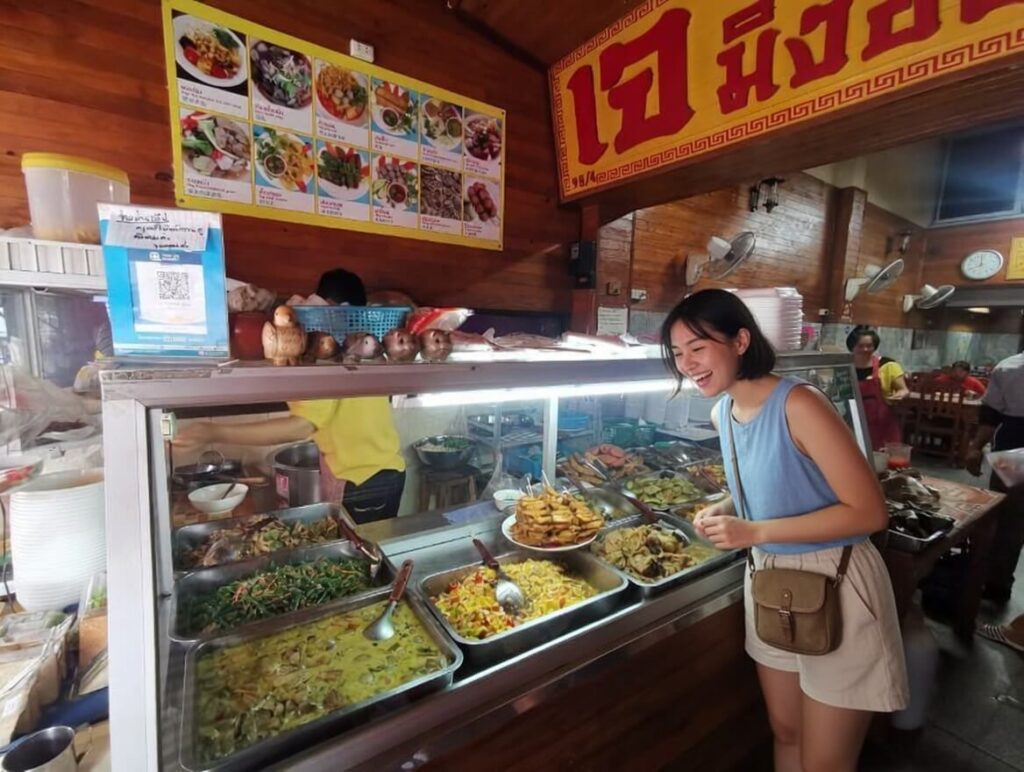
Personal Experience & Opinion:
To be honest, when I’m in Chiang Mai I end up eating at restaurants more often than street food stalls. The price difference between a proper local restaurant and street food is surprisingly very small. Often practically the same.
In Bangkok, where I’m from, street food still offers a clear saving, especially if you live in a more expensive area like Sukhumvit. Here in the north the gap is much narrower.
What makes the difference for me is quality. Even at the same price point, authentic Chiang Mai restaurant food consistently tastes fresher. You can often smell the difference in the vegetables, many of them feel like they came straight from a nearby farm that morning. The ingredients simply taste brighter and more alive than what you typically find in the capital.
For that reason, my personal advice is to explore restaurants more than pure street food when you’re in Chiang Mai. This is just my own experience after eating here regularly, but I genuinely believe most visitors will be better off doing it this way. You’ll still get excellent value, and the food quality is often a noticeable step up.
The prices listed in this Chiang Mai Street Food Prices 2026 guide remain very relevant for most regular restaurants in the city, as long as you’re not heading into high-end places. The same affordable range generally applies.
Comparison Table for Context
Street Food Prices: Bangkok vs Chiang Mai
Average prices in Thai baht (฿) for common street food dishes
| Dish | Bangkok (฿) | Chiang Mai (฿) | Difference |
|---|---|---|---|
| Pad Thai | ฿60 | ฿48 | ~20% cheaper |
| Noodle Soup | ฿50 | ฿40 | ~20% cheaper |
| Grilled Skewer | ฿15 | ฿12 | ~20% cheaper |
| Som Tam | ฿50 | ฿40 | ~20% cheaper |
| Mango Sticky Rice | ฿70 | ฿55 | ~21% cheaper |
Prices are averages and will vary by stall, neighborhood, and season. Chiang Mai runs roughly 20% cheaper than Bangkok across most street food staples, generally reflecting the lower cost of living outside the capital.
Chiang Mai Street Food Prices 2026 – Local vs Tourist Areas
At a Glance – Chiang Mai Street Food Prices 2026
- Typical local stall price: ฿40–75 per dish
- Khao Soi (local): ฿50–70 | Tourist areas: ฿90–130
- Best value areas: Warorot Market, Chiang Mai Gate, Suthep / university zone
- Higher prices: Nimmanhaemin & Tha Phae Gate
- Mid-range local restaurant: ฿150–220
- Author tip: Restaurant food is often the same price as street food but noticeably fresher
We also offer Culinary Exploration travel style experiences for travelers who prefer to explore a culture through food. These include custom food itineraries, cooking classes, and a private guide with a fully personalized itinerary.
If you only have a short time, our guide on What to Do in Chiang Mai in 3 Days helps you maximize both the food and cultural highlights.
If you’re also heading to Bangkok, here’s our dedicated guide to street food prices in the capital. For a broader look across the country, you can also check our general street food guide for all of Thailand.
| Dish | Local Stall (฿) | Tourist Area (฿) | Notes |
|---|---|---|---|
| Khao Soi | 50–70 | 90–130 | Chiang Mai’s signature dish |
| Sai Ua (Northern Sausage) | 20–40 | 50–80 | Best at morning/evening markets |
| Pad Thai | 40–60 | 80–110 | Cheaper than Bangkok |
| Som Tam | 35–55 | 70–100 | Very fresh in the North |
| Nam Prik Ong | 40–65 | 80–120 | Local favorite |
| Khao Man Gai | 40–55 | 70–95 | Reliable and cheap |
| Grilled Pork Skewer | 10–20 | 25–45 | Morning markets cheapest |
| Mango Sticky Rice | 45–70 | 90–140 | Seasonal pricing |
The Best Street Food in Chiang Mai (Mapped by Time of Day)
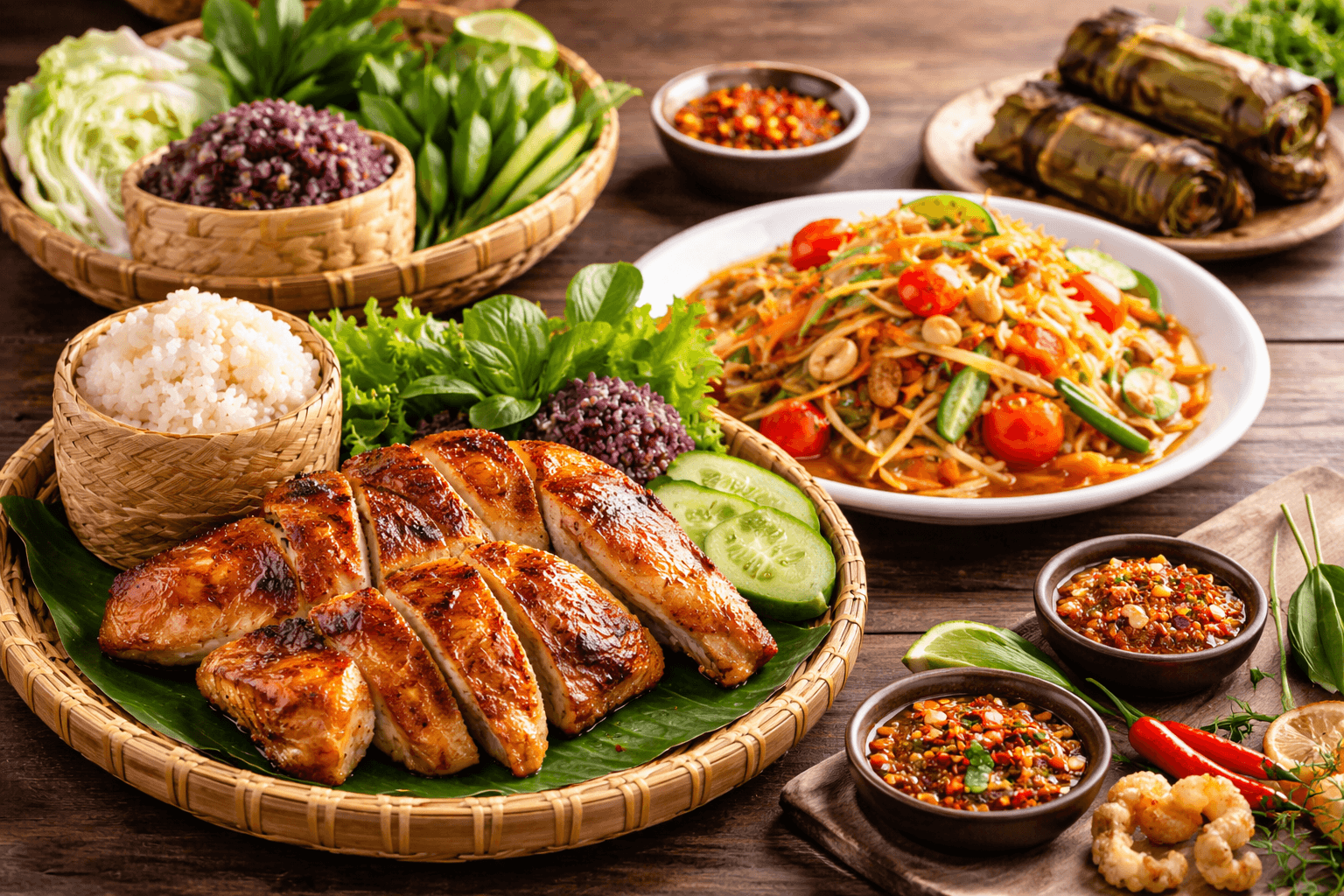
If there’s one thing Chiang Mai does better than almost anywhere else in Thailand, it’s street food. Rich coconut curries, smoky grilled pork, fistfuls of fragrant herbs, bold Lanna-style spice, it’s all here, and honestly, figuring out where to eat mostly just comes down to knowing what time it is and what day of the week it is.
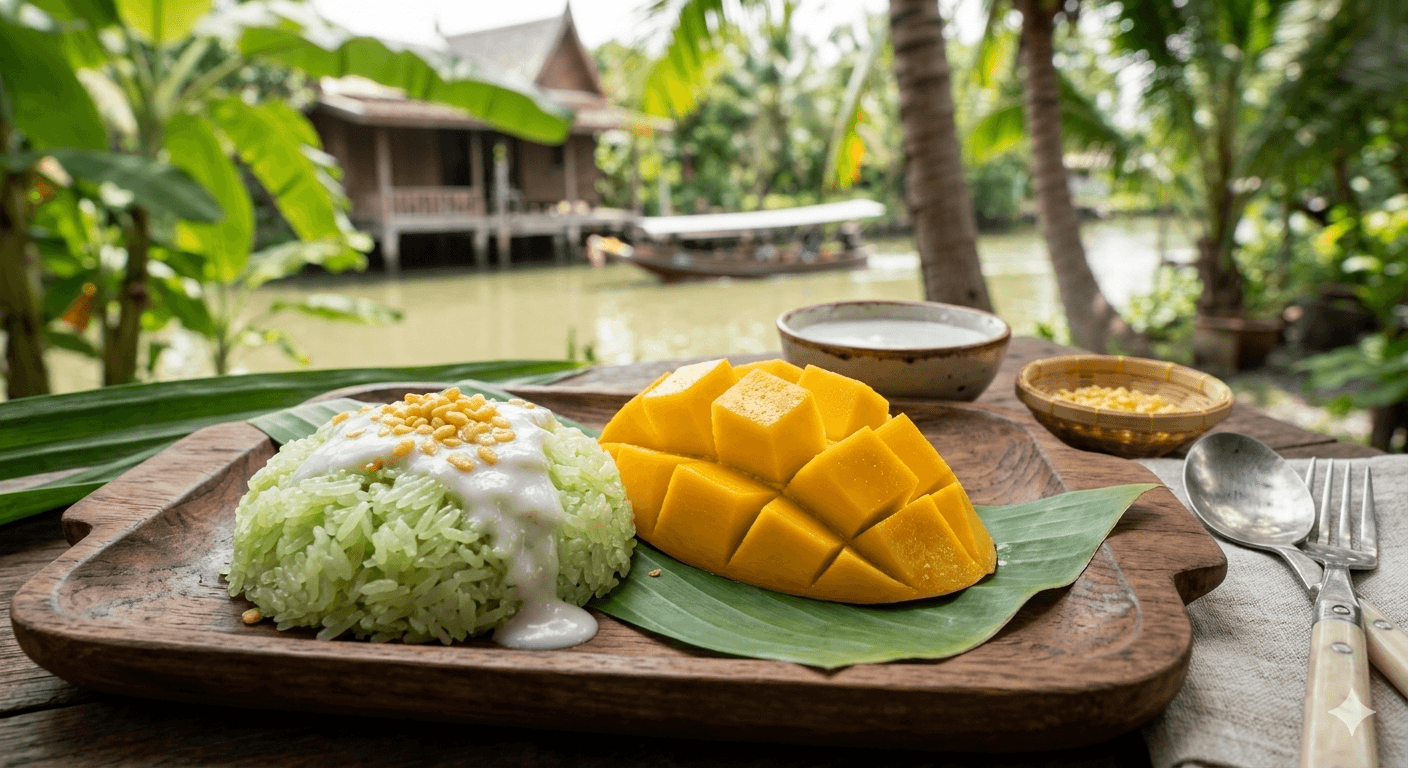
The old city gate markets are where I go when I want something I know will be good, no research required. Every evening around 5pm, the open ground around the Old City walls turns into a proper dinner scene. Head to Chang Phueak Gate on the north side and you’ll find crowds gathered around the “Cowboy Hat Lady,” easy to spot in her Stetson, serving up khao kha moo, that slow-stewed pork leg over rice with a soft-boiled egg that’s become something of a local legend. The stalls around her do their own thing too: Thai-style sukiyaki with glass noodles, charcoal pork satay, fresh fruit smoothies blended right there. If you’re down at Chiang Mai Gate on the south side instead, that’s more of a commuter spot, locals grabbing dinner on the way home, and it’s one of my go-to places for sai oua, the herbal Northern pork sausage loaded with lemongrass and kaffir lime, followed by warm mango sticky rice to finish.
Weekends are a different animal entirely. Whole streets shut down to traffic and turn into sprawling pedestrian markets packed with food stalls and local artisans. The Sunday Walking Street runs the length of Ratchadamnoen Road, from Tha Phae Gate past Wat Phra Singh, and while the street stalls are everywhere, my honest tip is to duck into the temple courtyards, Wat Phan On or Wat Inthakhin, which turn into these organized little outdoor food courts. That’s where I’ve had some of my best fried dumplings, grilled skewers, kanom krok, and noodle bowls. Saturday’s version, Wua Lai Road in the old silversmith district, is a bit narrower and more contained, but it’s just as alive, street snacks, fresh juice, handmade souvenirs, all in one stretch.
During the day, the city shows a completely different side of itself, and this is honestly my favorite part. East of the Old City near the Ping River, Warorot Market runs from early morning through the afternoon, and if you make one stop there, make it the Dam Rong stall for crispy deep-fried pork belly with nam prik num, that fiery roasted green chili dip that I still think about between visits to Chiang Mai. Head north of the Old City and Siri Wattana Market gives you a much more everyday, unfiltered look at how the city actually eats, takeaway bags of regional curries, fresh fruit, local sausages, nothing dressed up for visitors. And if you’re after a proper sit-down lunch, Khao Soi Khun Yai near the North Gate is worth timing your day around, rich coconut curry noodle soup with crispy fried egg noodles on top, but they only run from 10am to 2pm, so don’t show up at 3 expecting a bowl.
If you want something with a bit more energy, or you’re just not in the mood to hunt down a single stall, the eastern side of the city and the university area have you covered. Ploen Ruedee and Kalare Night Bazaars along Chang Khlan Road mix Northern Thai classics with international street food, proper seating, live music, the works. And near Chiang Mai University, Malin Plaza is where I go when I want cheap, fun, no-pressure food, grilled skewers, Korean fried chicken, more desserts than you could reasonably try in one visit, all at prices that make sense for a student crowd.
Price Ladder – Street vs Mid-Range vs Tourist Restaurants
Not every meal comes from a cart. Sometimes I go to local restaurants or Foodland-style places.
Here’s how pricing typically breaks down in Chiang Mai:
| Tier | Price Range | Example |
|---|---|---|
| Local Street Stall | ฿40–฿75 | Khao Soi, Sai Ua, Som Tam |
| Mid-Range Local Restaurant | ฿150–฿220 | Air-conditioned local restaurants |
| Tourist Restaurant Zone | ฿250+ | Nimman & Tha Phae Gate areas |
Neighborhood Price Differences in Chiang Mai
| Area | Typical Khao Soi | Why |
|---|---|---|
| Warorot / Chiang Mai Gate | ฿50–65 | Most authentic & cheapest |
| Nimmanhaemin | ฿80–120 | Trendy area with higher rent |
| Suthep / University | ฿45–70 | Student-friendly pricing |
| Tha Phae Gate area | ฿90–140 | Tourist-heavy zone |
Embed The Pricing Table
Copy & paste this code to embed the table on your own site:
<iframe src="https://offpaththailand.com/chiang-mai-street-food-prices/" width="100%" height="650" loading="lazy"></iframe>
<p>Source: Off Path Thailand</p>
Conclusion
Chiang Mai remains one of the best places in Thailand to eat well without spending much, and after years of coming back to this city, that’s never really changed. Prices creep up slightly year to year, the way they do everywhere, but the gap between what you pay and what you actually get still feels generous compared to almost anywhere else in the country. Whether you stick to the street stalls, or follow my own preference and lean toward the many excellent local restaurants, the prices stay reasonable and the food quality stays consistently high.
That’s the part that keeps surprising people who haven’t spent real time here: you don’t have to choose between a good meal and a cheap one.
What makes the biggest difference isn’t really the dish you order, it’s where you choose to eat it. Stick to the neighborhoods away from the main tourist strips, follow the crowds of locals rather than the crowds of visitors, and try the Northern classics the way they’re actually meant to be made, and you’ll quickly understand why so many people, myself included, keep coming back to this city for the food alone.
Khao soi tastes different a few streets away from the walking markets. Sai oua hits differently when it’s grilled by someone who’s been making it the same way for twenty years. None of that shows up on a price list, but it’s the real reason Chiang Mai’s food scene has stayed this good for this long.
If you’re planning a trip and want to actually eat like this, rather than just read about it, I put together prices, specific spots, and everything else in this guide from real meals, not guesswork. And if you’d like help turning it into an actual itinerary, a proper food-focused day in the city, or a longer Northern Thailand food trip built around it, just get in touch. This is genuinely one of my favorite things to plan.
Map showing popular local food areas across Chiang Mai:
Prefer a quick chat?
Message us directly on WhatsApp
If you already have an idea of your trip, send us a message — we’ll guide you through the best options for your travel style.
Chat on WhatsAppFAQ (Chiang Mai Street Food Prices 2026)
What are typical Chiang Mai street food prices in 2026?
Typical Chiang Mai street food prices in 2026 range between ฿40 and ฿75 per dish at traditional, local street stalls. Signature Northern items like Khao Soi, Pad Thai, and fresh Som Tam offer incredible value, making Chiang Mai street food prices highly affordable compared to southern destinations.
Are Chiang Mai street food prices higher in tourist areas?
Yes, Chiang Mai street food prices are noticeably higher in tourist areas like Nimmanhaemin and the Tha Phae Gate zone. While a local market stall charges ฿50–฿70 for Khao Soi, tourist zones often charge ฿90–฿140, making neighborhood location a primary factor in Chiang Mai street food prices.
How much is a bowl of Khao Soi based on Chiang Mai street food prices?
Based on average Chiang Mai street food prices, a bowl of Khao Soi costs ฿50–฿65 at authentic local markets like Warorot Market. In trendy or tourist-centric neighborhoods, Chiang Mai street food prices for this signature dish can climb to ฿90–฿130 per serving.
Where can I find the cheapest Chiang Mai street food prices?
The cheapest Chiang Mai street food prices are found near Chiang Mai University (Suthep area), Warorot Market, and the Chiang Mai Gate night market. These areas feature authentic local stalls catering to residents and students, keeping the average Chiang Mai street food prices low.
How do Chiang Mai street food prices compare to mid-range restaurants?
Standard Chiang Mai street food prices are much lower, averaging ฿40–฿75 per meal, whereas a mid-range local restaurant typically costs ฿150–฿220 per dish. Opting for traditional markets ensures you experience authentic flavors while enjoying budget-friendly Chiang Mai street food prices.
What are the Chiang Mai street food prices for popular local snacks?
According to current data, Chiang Mai street food prices for local snacks like Sai Ua (Northern sausage) range from ฿20–฿40 at neighborhood stalls. Grilled pork skewers run about ฿10–฿20, while classic mango sticky rice prices range from ฿45–฿70 depending on seasonal fruit availability.
What is the best street food in Chiang Mai?
The best street food in Chiang Mai is widely considered to be Khao Soi, the city’s signature Northern curry noodle dish. Other top local favorites include Sai Ua (herby Northern sausage), Nam Prik Ong, fresh Som Tam, and grilled pork skewers. The real winners are usually found at morning markets and neighborhood stalls rather than the main tourist strips.
What food is Chiang Mai known for?
Chiang Mai is best known for Northern Thai (Lanna) cuisine. Signature dishes include Khao Soi, Sai Ua, Nam Prik Ong, Gaeng Hang Lay, and various fermented and herb-heavy dishes that are less common in central or southern Thailand. The region’s cooler climate and access to fresh mountain ingredients give the food a distinctive character.
Where do locals eat in Chiang Mai?
Locals in Chiang Mai tend to eat at morning markets, neighborhood street stalls, and simple local restaurants away from the main tourist zones. Popular areas include Warorot Market, Chiang Mai Gate, the Suthep/university area, and smaller sois around the Old City. These spots offer the best combination of authenticity, freshness, and lower prices.

About the author
Written by Dee, Thai-born founder of Off Path Thailand. This article is based on places I return to routinely across Bangkok, shaped by daily life rather than one-off sightseeing. About the founder
Tell us your dates and travel style. We reply within 24 hours to begin shaping your trip.
Experience Thailand off the beaten path with a calm, private plan
Every journey leaves a footprint. The difference is in how we choose to travel. At Off Path Thailand, we focus on keeping those footprints light. Discover how sustainable travel in Thailand connects comfort with care.