
Last Updated: August 9, 2026
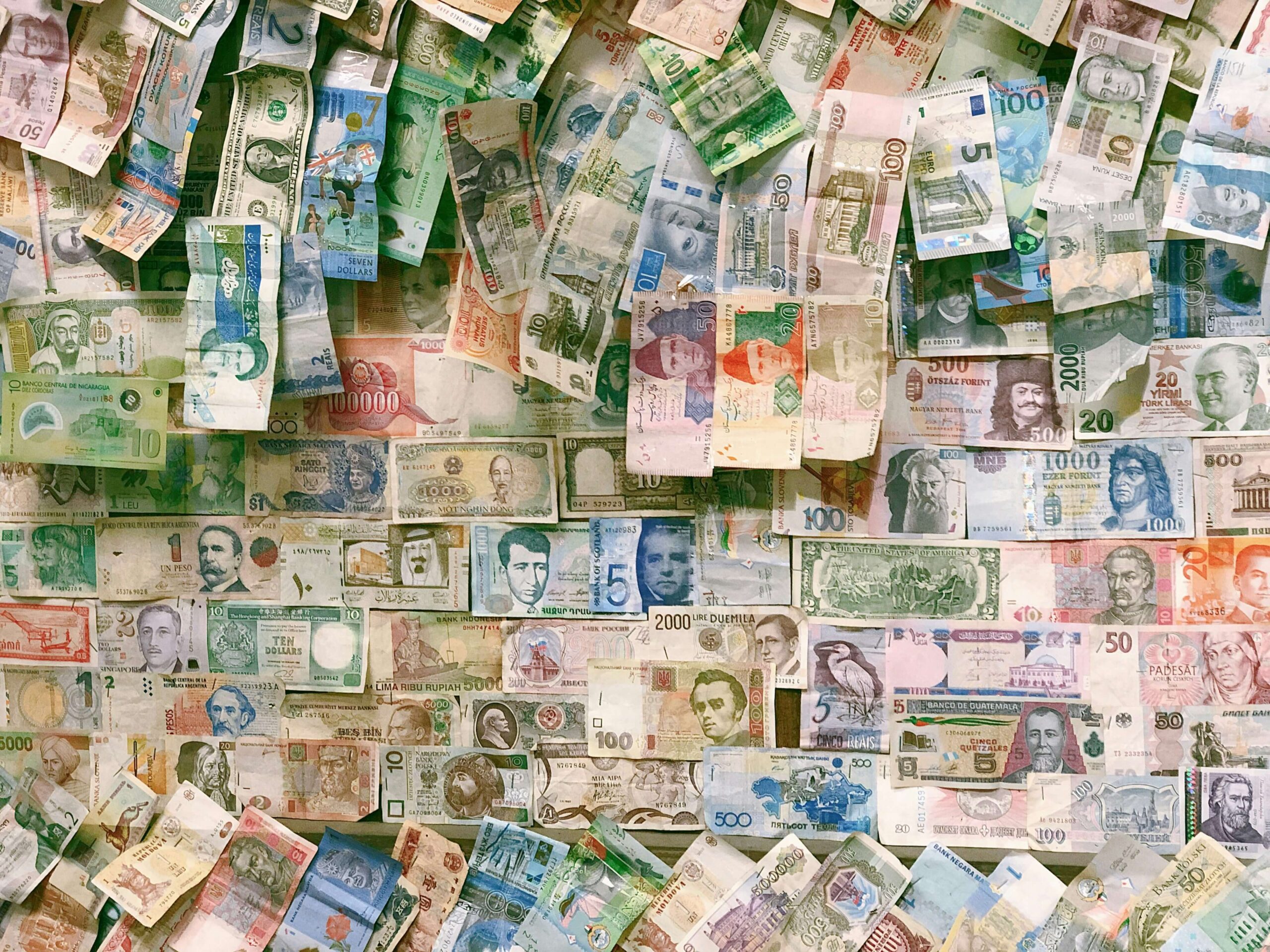
If you’ve just landed in Thailand and pulled cash from the first ATM you saw, there’s a decent chance you already paid more than you needed to. I live in Thailand full-time and run custom tours through the north of the country, which means I spend a lot of time helping clients sort out money matters before their trip even starts. Almost every week, someone asks me the same question: what’s the best ATM to withdraw money in Thailand without losing a chunk of it to fees?
The honest answer is that there’s no single “best” ATM everywhere in the country — it depends on your card, your bank back home, and even which region of Thailand you’re in. Bangkok has ATMs on every corner. Northern Thailand, where I spend most of my time, is a different story once you get outside the main towns.
Personally, I go to one of the better money-exchange places in my city before heading to the airport. It makes everything a lot easier. While there are risks in carrying larger sums of cash, I find it simpler than having to hunt for ATMs regularly overseas and getting overcharged each time.
That said, another option I’d recommend (even though this is an ATM guide) is to arrive with your home currency or USD and then exchange what you need from a reliable Money Changer in Bangkok before you start traveling further afield.
I also try to use cards whenever possible — at supermarkets, the metro, airports, restaurants, and so on. When I do carry cash, I either lock it in my bag or put it in the hotel safe if I’m not comfortable carrying a large amount.
Even within Bangkok, local banks charge small withdrawal fees. For example, if I have a KBank account and withdraw from a Bangkok Bank ATM, I usually get charged a little (around 20 THB at most). The same can happen if my account is based in Bangkok and I withdraw outside the city. I’ve solved this by opening a TMRW account (part of UOB, a Singaporean bank) via one of their kiosks — they charge zero fees for withdrawals anywhere in Thailand, regardless of bank or city. Before any of this, make sure you also have a working SIM sorted — the Thailand SIM card for tourists guide covers how to avoid tourist packages and get a proper prepaid deal for a fraction of the price.
In this guide, I’ll walk you through current Thai ATM fees, which banks tend to treat foreign cards best, how withdrawal limits work, and the small habits that can save you real money over a two-week trip or a six-month stay. I’ll also share what I tell my own clients before they head into places like Chiang Dao, where the nearest ATM isn’t always around the corner. If you’d rather have someone plan all of this around you, see how custom tours Thailand travelers book already build this kind of thing in. For the full picture of what a trip costs once fees like this are factored in, our Thailand trip budget calculator is worth a look before you travel. If you’re planning a longer northern route, the Northern Thailand itinerary and Chiang Dao itinerary are useful companions.
“`Thailand ATM Fees Explained 2026
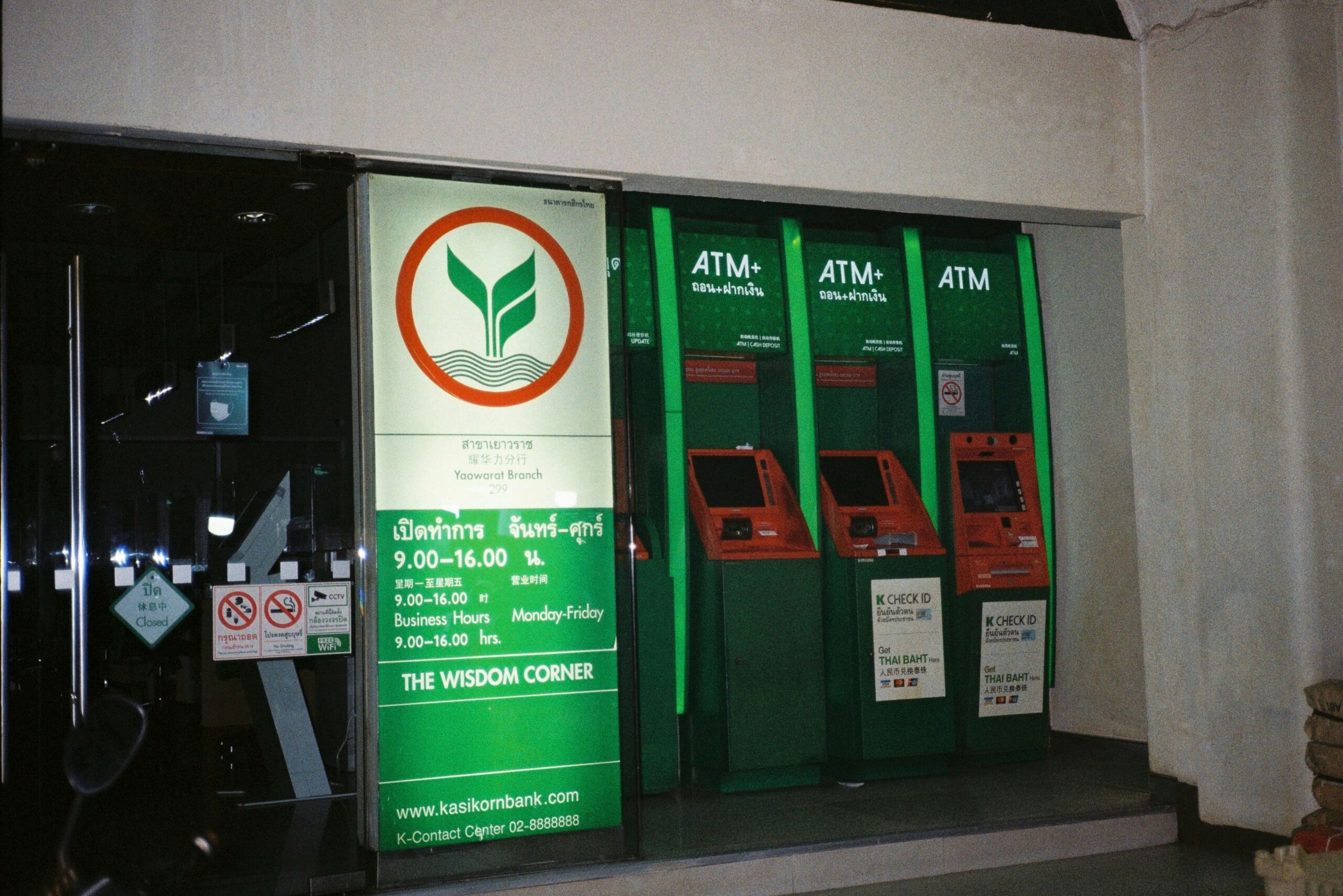
Every Thai ATM charges foreign cards a flat fee per withdrawal — on top of whatever your home bank adds.
Every ATM in Thailand charges foreign-issued cards a flat withdrawal fee, on top of whatever your home bank adds. This is standard practice and applies at Bangkok Bank, Kasikorn (KBank), SCB, Krungthai, Krungsri, and TMBThanachart machines alike.
As of 2026, that flat local fee typically falls in the 200–250 THB range per withdrawal, though a few banks have introduced a slightly higher fee for Mastercard compared to Visa. AEON Bank ATMs, usually found inside Big C and Lotus’s supermarkets, tend to charge less than the major banks — worth seeking out if you spot one.
What You’re Actually Paying Per Withdrawal
⚠️ Always Choose Thai Baht at the ATM Screen
If the ATM asks whether you want to be charged in your home currency or Thai baht, always choose Thai baht. Letting the ATM handle the conversion (Dynamic Currency Conversion / DCC) almost always means a worse exchange rate. Check the current mid-market rate at XE.com before you travel so you know what a fair rate looks like.
Best ATM to Withdraw Money in Thailand
If you’re choosing between machines on a Thai street, here’s how the main options compare. Keep in mind that the flat fee is roughly the same across the major banks — the real differentiator is network coverage, reliability, and whether the machine is likely to be stocked with cash.
| Bank | Fee Level | Coverage | Best For |
|---|---|---|---|
| Bangkok Bank | Standard | Excellent nationwide | Most reliable option, widest coverage including smaller towns |
| Kasikorn (KBank) | Standard | Excellent nationwide | Most foreign-card-friendly, rarely offline, good in Chiang Mai |
| AEON Bank | Lower | Inside Big C / Lotus’s | Best fee option when available — actively seek these out |
| SCB | Standard | Very good nationwide | Perfectly workable; slightly higher on some card types |
| Krungthai / Krungsri | Standard | Good in cities | Fine for urban areas; less reliable in rural northern Thailand |
| Small / regional banks | Varies | Patchy | Avoid unless it’s the only option available |
What makes an ATM the best one to withdraw money in Thailand for you personally comes down to two things: whether it’s part of a network your home bank has a partnership with, and whether it’s a machine you can trust to be working and stocked with cash. In tourist-heavy areas this is rarely an issue. Outside them — particularly in rural northern Thailand — it’s the first thing I check for clients before they head out.
ATM Withdrawal Limits & Practical Tips for Foreigners
Most Thai ATMs cap withdrawals somewhere between 20,000 and 30,000 THB per transaction, depending on the bank and sometimes the specific machine. Since the flat fee is charged per withdrawal rather than per baht withdrawn, the math is simple: withdrawing the maximum amount each time minimises how many times you pay that fee.
💡 Habits That Make a Real Difference
- Withdraw larger amounts, less often. Five withdrawals of 10,000 THB will cost you roughly five times the flat fee. One withdrawal of 20,000–30,000 THB costs it once.
- Always decline DCC. Choose to be charged in Thai baht, not your home currency — every single time.
- Check your daily limit before you land. Many home banks cap daily ATM withdrawals lower than Thailand’s per-transaction limit allows. You may hit your own ceiling before the Thai machine’s.
- Carry a backup card. Not every ATM accepts every network smoothly, especially outside major cities.
- Plan ahead in rural areas. In places like Chiang Dao, where I take clients regularly, ATMs are less frequent and occasionally run dry on busy weekends. Withdraw before you leave Chiang Mai.
I’ve had clients land in Bangkok, withdraw 5,000 THB five separate times over a week “just to be safe,” and end up paying several times more in combined fees than if they’d taken out 25,000 THB once. It’s an easy mistake — and an easy one to avoid once you know the math.
Best ATMs by Card Type & Country

The right card before you travel matters more than which Thai ATM you use once you’re here.
The “best ATM to withdraw money in Thailand” strategy shifts significantly depending on where your card is from, since home-bank fee structures vary considerably. Here’s a country-by-country breakdown of what actually works.
| Country | Typical Home Bank Charges | Best Approach |
|---|---|---|
| 🇺🇸 USA | Foreign transaction fee (1–3%) + flat international ATM fee stacked on every withdrawal | Consider a fee-free US online bank or travel card before departure. Some US neobanks reimburse ATM fees internationally. |
| 🇪🇺 Europe | Many Eurozone neobanks (Wise, Revolut, N26) offer a free monthly ATM allowance before percentage fees kick in | Time one large withdrawal to fit inside your free monthly allowance. Usually covers most short trips entirely. |
| 🇬🇧 UK | High-street banks (Barclays, HSBC, Lloyds) often stack a foreign usage fee plus a cash withdrawal fee abroad | Bring a Wise or Revolut card specifically for Thai ATM withdrawals. Use your main bank card for emergencies only. |
| 🇮🇳 India | Higher combined fees are common; not all Indian debit cards work smoothly at every Thai ATM network | Test a small withdrawal first at Bangkok Bank or KBank. Carry a Wise card loaded with THB as a backup — a common fix among Indian travelers I’ve hosted. |
| 🇦🇺 Australia | Major banks (CommBank, ANZ, Westpac) charge foreign ATM fees on top of Thailand’s local fee | Newer Australian fintech cards waive their side of the fee entirely — worth checking before departure. |
Across all of these, the pattern is consistent: your home bank’s fee structure matters more than which Thai ATM you use. The Thai side of the fee is roughly the same wherever you withdraw. The real savings come from what your own card charges you — and that’s entirely within your control before you leave home.
How to Avoid or Minimize ATM Fees in Thailand
✓ Strategies That Genuinely Move the Needle
- Use a fee-free or fee-reimbursing travel card. Wise is the one I recommend most often — straightforward, widely accepted, and lets you hold Thai baht directly. Their own ATM guide for Thailand is a solid reference.
- Withdraw the maximum per transaction, rather than smaller amounts more frequently. The flat fee doesn’t change whether you withdraw 5,000 or 25,000 THB.
- Always decline DCC at the machine — choose Thai baht, not your home currency, without exception.
- Carry a backup cash strategy — a secondary card, or a small emergency baht reserve — for regions where ATMs are scarcer.
- If you’re staying long-term, consider opening a Thai bank account. It removes the foreign-card fee entirely for domestic withdrawals, though the paperwork requirements (passport, valid visa, proof of address) have become stricter in recent years.
Regional Tips: Bangkok vs Northern Thailand vs Islands
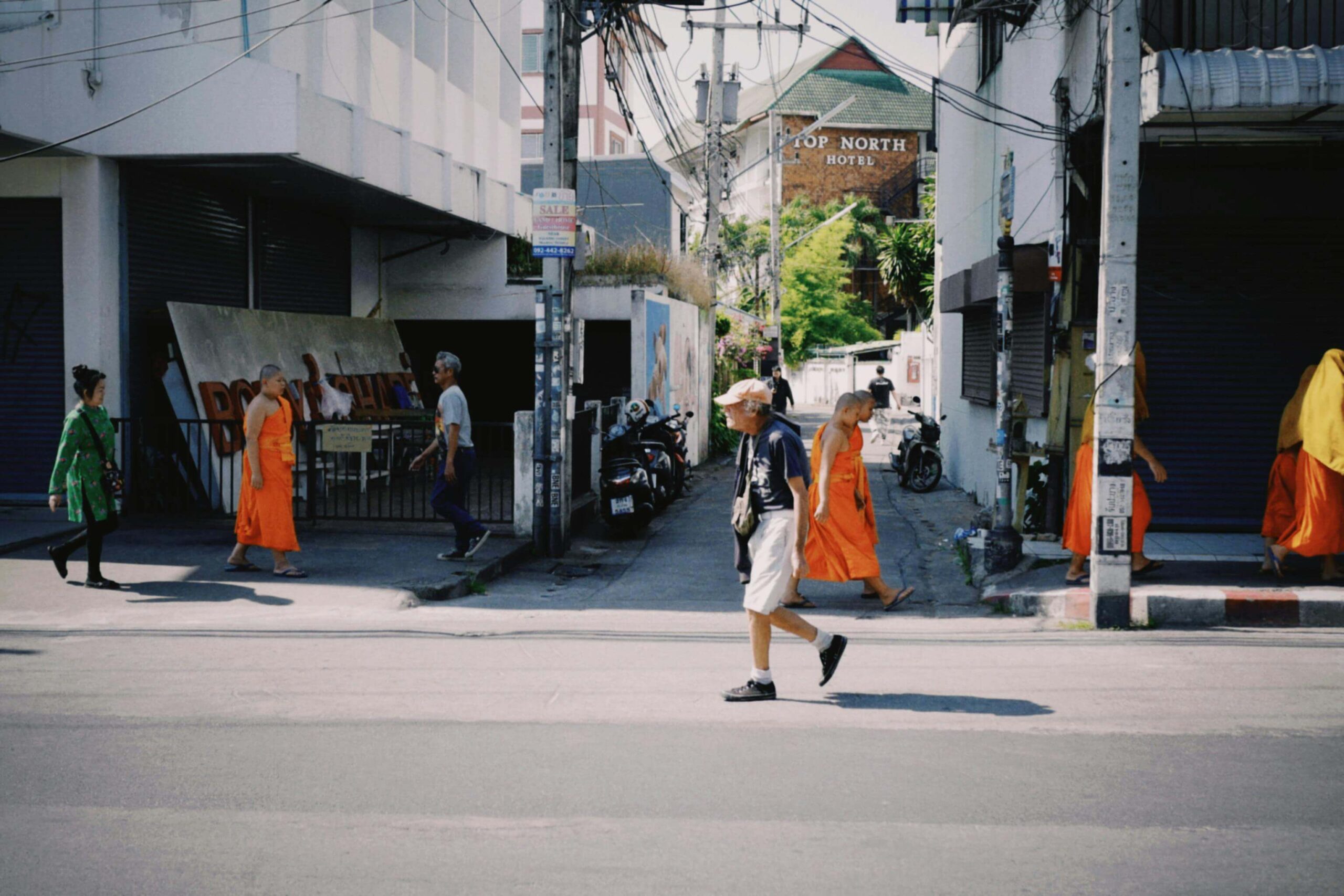
Cash is still king across much of northern Thailand, particularly once you leave Chiang Mai’s main areas. Plan your withdrawals before you head out.
Bangkok
ATM access is a non-issue. Machines from every major bank are within a few minutes’ walk almost anywhere in the city. Cash-out problems are rare. Explore with confidence — and check our Bangkok hidden gems guide while you’re there. See the city on the map: Bangkok.
Northern Thailand
Chiang Mai city is well-served. Once you head out — into Chiang Dao, Mae Kampong, or the mountain roads I cover in our Chiang Mai hidden gems guide — ATMs become less frequent, occasionally run out of cash, and aren’t always stocked with smaller denominations. For planning, see the Northern Thailand itinerary, Chiang Dao itinerary, and Nan itinerary. Map of Chiang Mai.
Islands
Fine in main towns on the bigger islands, but fees can run slightly higher and machines occasionally go offline during peak season. Withdrawing before you take a ferry to a smaller island is always the safer move. For south-side planning, see the South Thailand itinerary.
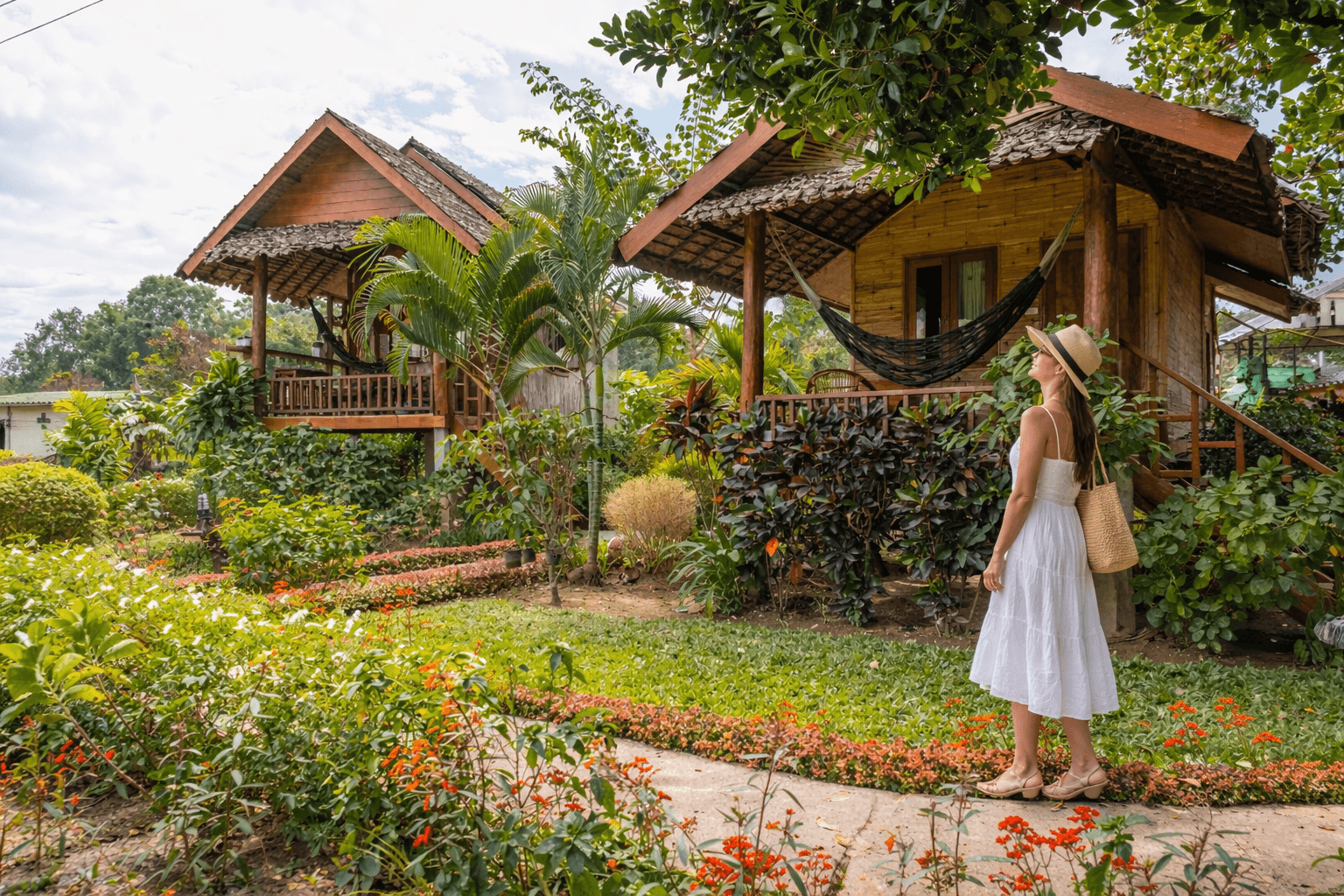
Once you’re this far into the mountains, the nearest working ATM could be 30–40 minutes away. Withdraw before you leave the city.
For my clients heading into northern Thailand specifically: I generally advise withdrawing everything you’ll need for the next few days while you’re still in Chiang Mai, rather than assuming you’ll find a working machine once you’re out in the countryside. The nearest ATM to some of our favourite spots is a genuine drive away — and it’s not always stocked when you get there. Our Chiang Mai street food prices guide gives a useful baseline for budgeting daily cash needs while you’re in the north.
FAQ: ATMs in Thailand 2026
What is the ATM fee in Thailand for foreign cards in 2026?
Most Thai ATMs charge foreign-issued cards a flat fee of 200–250 THB per withdrawal, regardless of how much you withdraw. This is on top of any fees your home bank charges. AEON Bank ATMs (inside Big C and Lotus’s) tend to charge slightly less than the major banks and are worth seeking out if you spot one.
Which is the best ATM to withdraw money in Thailand?
For most travelers, Bangkok Bank and Kasikorn (KBank) are the most reliable choices — wide coverage, good uptime, and consistent acceptance of foreign cards. AEON Bank ATMs charge a lower fee where available. The most important factor, however, is your own card’s fee structure — the Thai ATM fee is roughly the same everywhere.
Should I exchange money or use ATMs in Thailand?
Both work. Many locals (myself included) prefer exchanging at a reputable booth in Bangkok before a flight or longer trip, then carrying the cash carefully. Others arrive with home currency or USD and withdraw once in Bangkok. Cards are useful for supermarkets, transport, airports and restaurants. Always lock larger sums in a bag or hotel safe when not carrying them.
Do local Thai bank accounts charge ATM fees inside Thailand?
Yes, inter-bank withdrawals can incur a small fee (often around 20 THB). If your account is based in Bangkok and you withdraw elsewhere, fees may also apply. One practical workaround is a TMRW account (UOB), which charges no fees for withdrawals anywhere in Thailand.
Prefer a quick chat?
Message us directly on WhatsApp
If you already have an idea of your trip, send us a message — we’ll guide you through the best options for your travel style.
Or drop us an email at [email protected]
Tell us your dates and vibe — Our team replies within 24 hours to begin crafting your trip.
Leave everything to us and experience Thailand Off The Beaten Path
YOUR JOURNEY STARTS HERE
About the author
Written by Dee, Thai-born founder of Off Path Thailand. I’ve spent close to a decade exploring quieter, more local corners of Thailand and designing low-crowd itineraries that feel grounded and unhurried. Our approach prioritizes timing, comfort, and local texture — the small choices that make travel feel calmer and more meaningful. About the founder
Want this beach day trip to feel smooth and low-stress? Use our Thailand Trip Budget Calculator to estimate realistic costs, or explore our itineraries. If you want a private, low-crowd day designed end-to-end (drivers, timing, and logistics), contact us here: Off Path Thailand private planning.