
By Dee, founder of Off Path Thailand · Last Updated: November 3, 2026
Koh Kood Guide 2026: A Calm Island Escape in Thailand

TL;DR: This Koh Kood Guide showcases one of Thailand’s most authentic islands, with clear water, empty beaches, jungle waterfalls and hardly any mass tourism. Go between November and April for calm seas, and plan on 4–7 days. You get there by flight or bus to Trat, then a 1.5–2 hour ferry from Laem Sok pier. It’s best for couples, nature lovers and anyone who wants to slow down. Skip it if you want nightlife or convenience.
Koh Kood at a Glance
- Where: Trat Province, in the eastern Gulf of Thailand, near the Cambodian border
- Getting there: Bangkok to Trat by car, bus or flight, then a boat from Laem Sok Pier (about 1 to 2 hours)
- Best time: November to April, for the calmest seas
- Getting around: Scooter, or transfers and taxis arranged by your resort (there is no public transport)
- Time needed: 4 to 7 days
Jump to section
Koh Kood Guide – My arrival: When the Rain Felt Like a Blessing
I didn’t plan to go to or fall in love with Koh Kood. It happened by accident.
Years ago, I was on one of my regular short escapes to Koh Samet. Back then, Samet was my quick island fix — easy drive from Bangkok, clear water, white sandy beaches, my escape. I used to go three or four times a year with friends or solo, until one solo trip changed everything.
One night at a small beach bar, I got talking with the bartender. Nothing formal, just casual conversation. He half-smiled and said:
“If you’re bored of Koh Samet, go to Koh Kood, Thailand. Same sea, but with real beauty.”
The way he said it stuck with me. Or maybe that was the tequila.
It hit me harder than I expected. He was right. I’d been coming back to the same island, the same beaches and the same bars year after year, and somewhere along the way it had stopped feeling like an escape.
The next morning, I was headed out of Koh Samet to find a bus to Trat.
I missed the afternoon van connection to Trat, so I traveled to and spent the night in Chanthaburi instead. It’s a pretty cool town, but I didn’t do much that evening except relax in my room. The next morning, I was on a bus to Trat from Chanthaburi bus station.
By the time I reached the island, it was pouring.
I remember thinking I’d made a mistake. After a long journey under cloudy skies that slowly turned to rain, I wondered if the island was worth the trip at all. But the moment I stepped off the boat onto the quiet jetty, everything changed. Instead of the usual chaos, there was a deep sense of calm. A large Buddha statue welcomed me, and the family from my small resort was already waiting with warm smiles.
They helped with my bags, served a comforting home-cooked meal, and the kids ran barefoot around the property as if the island carried no stress at all. Looking back, that rainy arrival is the reason this Koh Kood guide exists.
That rainy first day didn’t ruin anything. It felt like the island was telling me to slow down.
A few nights later, I was invited to a rotating island gathering — something you’ll only understand if you’ve lived on Koh Kood for a while. Different locals and expats would host, each at their own bar or small hotel. Simple drinks. Shared music. No tickets, no schedules, no influencers. Just people who somehow found their way to this hidden corner of Thailand.
That sense of community is rare now in Thailand. And honestly, that’s what made Koh Kood stay with me.
When the rain finally cleared, I rented a scooter from the resort and set out to explore. The water here was a deeper blue than Samet—calmer, untouched, and infinitely slower. Following a local Koh Kood guide route, I rode along quiet jungle roads past rubber trees and sleepy fishing villages, stopped to swim under Klong Chao Waterfall, and stood in awe before a massive, 500-year-old macca tree.
If you’re in Bangkok and don’t have the time to visit Koh Kood, check out our Bangkok Day Trips to the Beach guide or Bangkok Day Trips guide.

Koh Kood Guide to Sustainable Travel
In Ao Salat fishing village, families paddled between wooden houses as if time had never moved forward. Kids learned to balance on boats before bicycles. Old men mended nets as the sea breathed beneath them.
That was when I understood it. Koh Kood wasn’t just another island. It was how Thai islands used to feel, and that’s exactly why I wanted to write this Koh Kood guide. The island has stayed this way because development has been slow, local families still run most of the guesthouses and restaurants, and the land hasn’t been handed over to big resorts. But that balance is fragile, and every visitor plays a part in keeping it intact.
The good news is that traveling lightly here doesn’t mean giving up comfort. As any good Koh Kood guide will tell you, many of the island’s best resorts—from boutique eco-lodges to luxury properties like Soneva Kiri—are built around solar power, low-density design, and local employment, so staying well and staying responsibly go hand in hand. Choose private experiences with local boat drivers, eat at family-run restaurants so more of your money stays on the island, and always bring a refillable water bottle to cut down on single-use plastic.
Use reef-safe sunscreen when you snorkel, and don’t touch or stand on coral. And in villages like Ao Salat, remember that these are people’s homes, not attractions. A smile and asking before you take a photo go a long way. You can read more about how we approach this in our guide to sustainable tourism in Thailand.
If you love Koh Kood’s quiet side, you’ll find more islands like it in my guide to Thailand’s hidden gem islands.

Is Koh Kood Worth Visiting in 2026?
Koh Kood at a Glance
The quick facts before you dive into the full guide.
Why it still feels different
- No commercial airport
- Very little large-scale construction
- Strong local control over land use
- Natural beaches untouched by overdevelopment
- Real community life, not tourist theater
Good to know: ATMs are limited, shops close early and internet can be slow. In the rainy season (May–October), some ferries run less often and a few resorts close.
By now, most of Thailand’s well-known islands have been “found.” Phi Phi, Phuket and Samui went first, and even Koh Phangan and Koh Tao have changed. Koh Kood has somehow stayed in the background. That isn’t because it lacks beauty, since it’s arguably one of the most beautiful islands in Thailand. It’s because it has resisted mass development. There’s no commercial airport, no megamalls, and no giant chain resorts swallowing the coastline. That’s why many Thai travelers still call it Thailand’s last real island, and why I wanted to create a comprehensive Koh Kood guide that shows it as it really is.
This is also where sustainability becomes real rather than marketing. On many islands, “sustainable” is a label used for branding. On Koh Kood, it’s simply the result of an island that refused to change too fast.
That does not mean there is no comfort. Koh Kood now offers luxury resorts and private villas, but they are low-density and built around nature rather than over it. Think eco villas hidden among the trees instead of concrete towers blocking the sunset. As any thoughtful Koh Kood guide will show you, fishing villages like Ao Salat sit just down the road, living to the exact same quiet rhythm they have kept for decades.
It reminds me of how Koh Samui probably felt 30 or 40 years ago, before the airports and beach clubs arrived. That’s why so many people call Koh Kood a hidden gem. Not because nobody knows about it, but because it chose to stay itself. If there’s one thing I hope this Koh Kood guide gets across, it’s that.

How’s the Weather in Koh Kood?
Overall, the island enjoys warm tropical weather year-round, but conditions vary by season. The best weather arrives during the dry season from November through April, when you can expect reliable sunshine, minimal rainfall, and calm, crystal-clear turquoise waters—the ideal setup for swimming, kayaking, and exploring the coastline.
Within the dry season, December through February marks the peak period. Temperatures are pleasant, usually around 27 to 29°C (80 to 84°F), with lower humidity and excellent water visibility for snorkeling. Because this is the most popular time to travel, accommodation prices peak and top resorts fill up months in advance.
For a balance of great weather and fewer crowds, November, early December, March, and April serve as excellent shoulder months. As any local Koh Kood guide will tell you, November brings immediate relief as monsoon rains ease, leaving the island lush and green while keeping room rates reasonable. March and April bring warmer days—often climbing above 30°C (86°F)—along with glass-like seas, making it a favorite for beachgoers who enjoy the heat.
The wet season runs from May through October due to the southwest monsoon. While Koh Kood experiences heavy downpours, rougher seas, and reduced ferry schedules during these months, it remains an appealing choice for budget travelers looking for total quiet and steep discounts. If you are using this Koh Kood guide to plan a wet-season trip, keep in mind that smaller resorts, local restaurants, and tour operators often close temporarily during the peak rain months from July through September.
Koh Kood Monthly Weather Overview
Average Rainfall (mm) & Temperature (°C)
Best Time to Visit Koh Kood in 2026–2027 (My Honest Experience)
Here’s a simple breakdown:
Koh Kood’s climate follows the eastern Gulf pattern, which is slightly different from the southern islands like Phuket.
Koh Kood Seasons at a Glance
Dry Season November – April
The most popular time to visit Koh Kood. This is when the island shows its classic postcard side: clear skies, calm seas, and long days of sunshine. The beaches are at their best during these months, and conditions are ideal for swimming, snorkeling, and boat trips. If it’s your first time visiting Koh Kood and you want the most reliable weather, this period is the safest choice.
Hot Season March – May
The hot season overlaps slightly with the end of the dry season. Temperatures rise and the air becomes more humid, but the island remains incredibly beautiful. The upside is that there are fewer travelers compared to peak season, so beaches feel more open and relaxed. If you don’t mind the heat and enjoy having more space to yourself, this can be a rewarding time to visit.
Green (Rainy) Season June – October
This is when Koh Kood becomes its most atmospheric. Expect occasional rain showers, but they usually come in short bursts and leave behind deep green landscapes and fuller waterfalls. The sea is still swimmable most of the time, and the island feels quieter and more reflective. Personally, this is my favorite season on Koh Kood. It’s when the island feels most alive, untouched, and connected to nature.
The best time to visit Koh Kood for most people is between December and March. The water is almost unreal: clear, calm, and still like a swimming pool.
But personally? I have a soft spot for September and October. Yes, it rains. But rain on Koh Kood does not feel like a city storm. It feels like a jungle shower, short bursts followed by deep silence. The island turns vibrant green, the waterfalls are full, and the beaches are empty. That is when I saw the real island, and it is the side I wanted to capture in this Koh Kood guide. No crowds, no noise, just genuine island life.
If you’re after a slow, reflective trip, or want to stay somewhere tucked into nature, the green season is magical. Just know that some boats run less often and a few resorts close, so it’s worth booking ahead.
Wondering what you’ll spend on food? Street food prices stay pretty consistent across Thailand, and I’ve broken them down in my Thailand street food prices guide.
How to Get to Koh Kood
Let’s keep this practical.
Getting there
Getting here takes some effort, which is a big part of why the island has stayed so quiet. Here’s how to do it yourself, or how we can take care of it for you.
Option 1: Do It Yourself
Bangkok to TratBuses leave from Ekkamai (Eastern) or Mo Chit (Northern) bus terminals and take around 5–6 hours. Minivans are a little faster but cramped.
Trat to Laem Sok PierA taxi or shared van gets you to Laem Sok Pier in about 20–30 minutes.
Laem Sok Pier to Koh KoodHop on a speedboat or ferry for the 1.5–2 hour crossing. Schedules change with the season, so check times before you travel.
Total travel time: around 7–9 hours by road, depending on connections. Following this Koh Kood guide route isn’t complicated, just long. But the journey is part of the experience. Somewhere between the bus and the boat, you start to feel the city slipping away.
What about flying? Bangkok Airways flies from Suvarnabhumi Airport to Trat in about an hour, but tickets are overpriced because Bangkok Airways has a monopoly on Trat Airport. And the flight time is misleading. Once you factor in getting to Suvarnabhumi, check-in, waiting at the gate, the flight itself and the transfer from Trat Airport to the pier, you won’t save much time. A private transfer gets you there in about the same time, door to pier, and is a lot more comfortable.
Option 2: Private Transfer with Off Path Thailand
If you’d rather skip the queues and connections, our team can provide a seamless Koh Kood guide service and arrange the whole journey for you: a private car from your door in Bangkok, a direct drive to the pier in Trat, pre-booked boat tickets, and someone to meet you on arrival and get you to your resort. You can also pair Koh Kood with other quiet places in one of our custom tours in Thailand.
It saves time, takes the stress out of the trip, and is especially worth it for families or anyone staying in a private villa.
Plan my transfer Message us on WhatsApp
Which Ferry I Took, and the Easiest Way Back to Bangkok
On the way there, I took a regular catamaran across from the mainland. For the trip back, I booked with Boonsiri, because they sell the catamaran and the bus to Bangkok together as one ticket, which made the return much simpler.
The bus ride itself was surprisingly pleasant. Boonsiri’s private bus terminal had Wi-Fi, so I downloaded a few shows before we left (Family Guy and Vikings, if you’re curious), and there were USB charging ports at the seats, so my phone never ran out. These days I’ve stopped watching shows altogether, as I find they get in the way of my meditation, so on my next trip I’ll be watching the scenery instead.
Getting Around Koh Kood
Koh Kood has no regular public transport, so it’s worth planning how you’ll get around before you arrive. There are three main options:
- Scooter: the easiest way to explore on your own. I rented one from my resort and rode around the whole island over a couple of days. The roads are quiet but hilly and narrow in places, so ride slowly, and carry an International Driving Permit with a motorcycle endorsement.
- Resort transfers and local taxis: most resorts pick you up from the pier, and they can arrange pickup-truck taxis (songthaews) to beaches, waterfalls and villages.
- Private transfers and tours: if you’d rather not ride, we can arrange your transport on the island as part of your trip, along with the transfer from Bangkok.
Best beaches on Koh Kood
Almost all of Koh Kood’s best beaches are on the west coast, strung along one main road from north to south. None of them feel crowded, but each has its own character. Here are my favorite spots to include in your Koh Kood guide, from north to south.
Ao Tapao
Location: Northwest coast · View on map
One of the longest beaches on the island, with soft sand and great sunsets. It sits near Khlong Hin Dam village, where you’ll find the temple, hospital, bank and police station, so it’s a practical base without losing that natural, open feel.
Best for: space and sunsetsAo Noi
Location: West coast, just north of Klong Chao · View on map
A small, secluded cove with some of the clearest water on Koh Kood. You can walk there from Klong Chao or kayak around in about 20 minutes, which is half the fun.
Best for: clear water and quietKlong Chao
Location: Central west coast · View on map
The island’s most popular beach and its most central. Gentle water, powdery sand, and the Klong Chao river flowing out right onto the beach, leading upstream to the waterfall. There are more restaurants and small shops here than anywhere else, but it still feels relaxed.
Best for: first-timers and familiesBang Bao
Location: Southwest coast · View on map
A horseshoe bay with calm turquoise water and wooden piers stretching out from the resorts. It’s one of the prettiest spots on the island, has some of the best snorkeling right off the beach, and is perfect for sunset drinks.
Best for: snorkeling and photosKlong Hin
Location: Southwest coast · View on map
Another small horseshoe bay, lined with palms and only a couple of locally owned resorts. The water is shallow and calm, and it has just enough around it to be comfortable while still feeling tucked away.
Best for: families and slow daysAo Phrao
Location: Far southwest coast · View on map
Down in the southwest, Ao Phrao is calm, palm-fringed and wonderfully quiet, with beautiful sunsets. If you want to feel properly away from everything, this is the place.
Best for: total escapeQuick Koh Kood guide picks
- First visit: Klong Chao
- Snorkeling: Bang Bao
- Families: Klong Chao or Klong Hin
- Sunsets and space: Ao Tapao
- Most secluded: Ao Noi or Ao Phrao
Koh Kood Thailand Resorts
We work directly with many of the resorts on Koh Kood, including several of the ones below. That means we can handle the bookings for you, from choosing the right room and beach for your trip to coordinating your arrival with your boat transfer. You don’t need to compare sites, chase confirmations or worry about whether your resort will be open in low season. Just tell us your dates and travel style, and we’ll take care of the rest. Get in touch through our trip planning form or message us on WhatsApp.
I don’t like fake lists. So rather than claiming personal stays everywhere, this Koh Kood guide features a curated selection of well-regarded resorts and eco-lodges, chosen based on long-term reputation, sustainability approach, and trusted local insights.
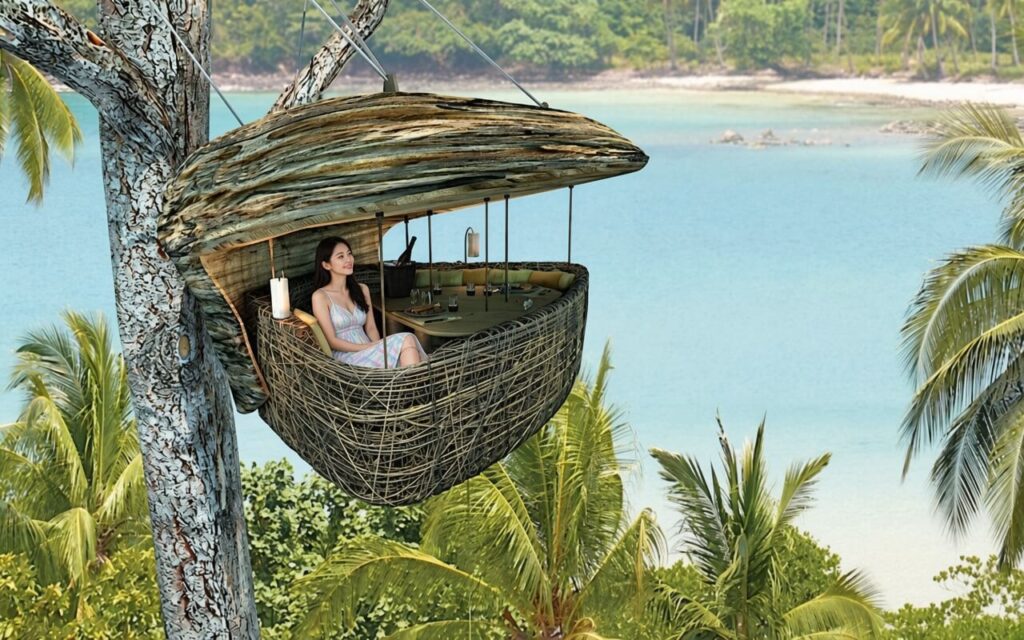
1. Soneva Kiri – Ultra Luxury
Soneva Kiri sits in a different category from most places on Koh Kood. Refined, expansive, and deliberately removed from the island’s simpler rhythm, it offers an exceptional level of privacy and design-driven comfort. With villas tucked into the hillside and a strong focus on space and stillness, it earns a special place in this Koh Kood guide for travelers seeking ultimate seclusion.
Even here, the setting still feels tied to the island. Tall trees, quiet pathways, and the surrounding forest keep it from feeling disconnected. It suits travelers who want a more elevated stay without completely leaving the natural character of Koh Kood behind.
I passed the area during my first rainy visit to the island — the trip that changed everything — and even from the outside it carried a sense of seclusion that sets it apart from the more straightforward beach stays nearby.
Soneva Kiri Koh Kood: Quick Information
Location: Remote tropical rainforest setting on the northwest coast of Koh Kood
Getting There: Typically a private resort flight from Suvarnabhumi Airport directly to Koh Kood’s airstrip, followed by a speedboat transfer
Best Time: November to April (dry season)
Known For: Ultra-luxury eco-villas, barefoot luxury philosophy, tree pod dining, and open-air cinema
Good For: Honeymooners, luxury travelers, and families seeking secluded, high-end nature immersion
Good to Know: Features dedicated “Barefoot Guardians” (butlers), private electric buggies, and complimentary chocolate and ice cream rooms.
2. High Season Pool Villa & Spa
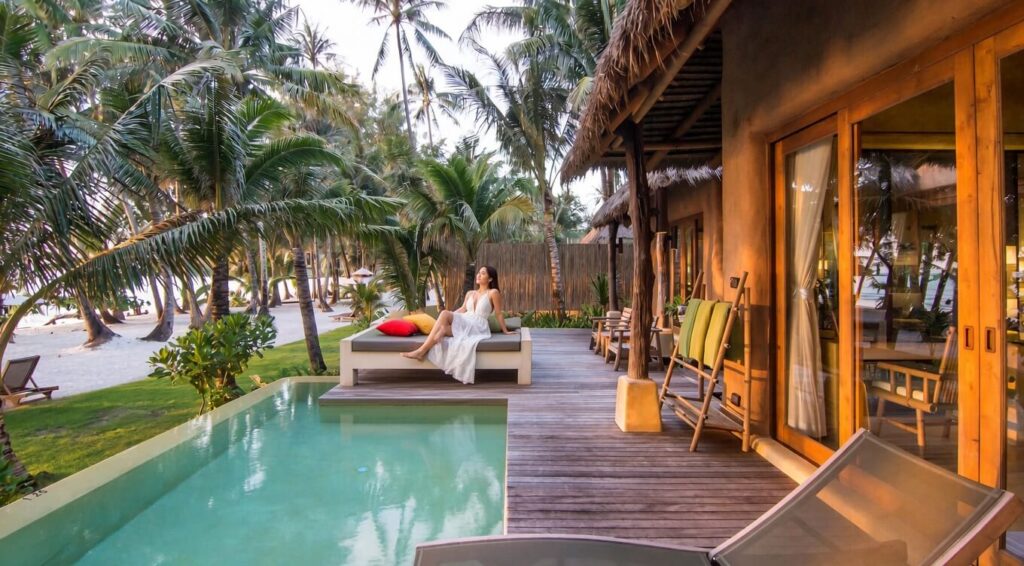
High Season Pool Villa & Spa sits on the powdery sand of Klong Chao Beach, offering one of the most refined stays on the island. The property features private pool villas set amidst lush tropical foliage, blending luxury with the island’s quiet, nature-first philosophy. It is an ideal pick to feature in any Koh Kood guide for travelers seeking upscale comfort, personalized service, and direct access to pristine waters without losing that tranquil atmosphere.
Each villa is crafted using natural timber, thatched roofs, and organic textures, allowing the architecture to sit gently against the coconut grove rather than dominate the landscape. Private plunge pools and high perimeter walls offer complete seclusion, making it easy to retreat into your own quiet sanctuary after a day on the water.
Beyond the private spaces, the resort emphasizes a slow, unhurried pace. Guests can paddle kayaks straight out onto the calm bay, enjoy fresh coastal dining at the open-air beachfront restaurant, or spend late afternoons watching the sky change colors over Klong Chao. For travelers using this Koh Kood guide to curate a special occasion or a high-end island escape, High Season strikes that rare balance between luxury resort standards and genuine, low-impact tranquility.
High Season Pool Villa & Spa: Quick Information
Location: Klong Chao Beach, west coast of Koh Kood
Getting There: Ferry to Koh Kood (Ao Salad Pier) followed by a resort transfer
Best Time: November to April (dry season)
Known For: Luxury private pool villas, eco-conscious design, and prime beachfront setting
Good For: Couples, honeymooners, and travelers seeking a high-end, private tropical retreat
Good to Know: Features an on-site spa, fitness center, and complimentary water sports like kayaking.
3. Tolani Resort Koh Kood
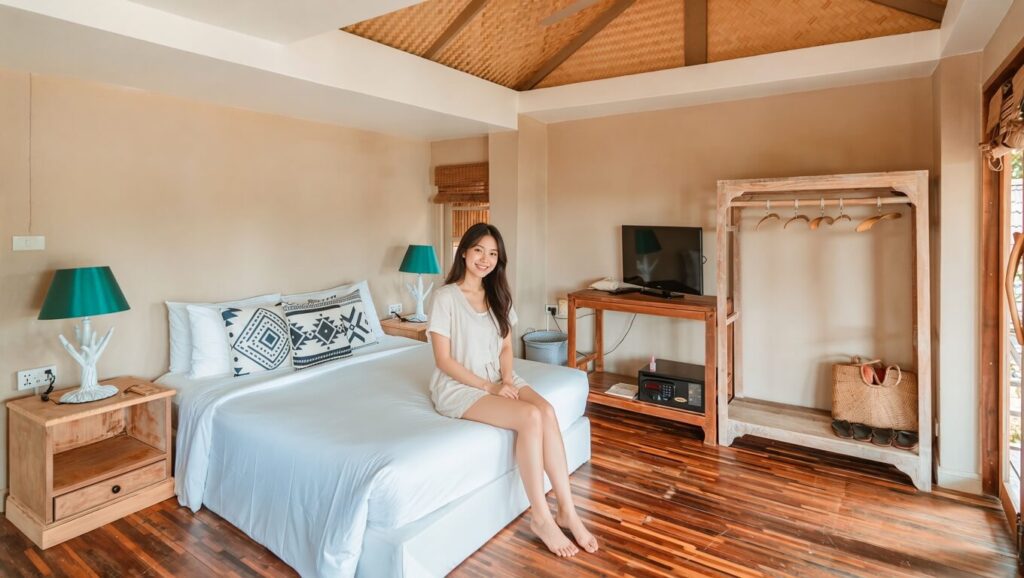
Tolani Resort sits along one of Koh Kood’s quieter stretches of coastline. It is spacious, low-density, and designed to blend into the surrounding palms and beach rather than dominate them. The atmosphere is calm and open, offering a sense of space that earns it a natural spot in any thoughtful Koh Kood guide.
It leans more toward understated comfort than flashy luxury. Wide grounds, simple lines, and a relaxed pace give it a settled, easygoing character that suits travelers looking for quiet days by the water without the busier resort energy found elsewhere.
I passed it during my first rainy visit to Koh Kood — the trip that changed everything — and even then it had that open, unhurried presence that makes certain places on the island feel immediately right.
Tolani Resort Koh Kood: Quick Information
Location: Klong Chao Beach area, west coast of Koh Kood
Getting There: Ferry from Laem Sok pier, then transfer (about 15–20 minutes)
Best Time: November to April
Known For: Spacious grounds, beachfront bungalows, and a relaxed mid-range atmosphere
Good For: Couples and travelers who want comfort without a busy resort feel
Good to Know: Good location for accessing both the beach and nearby waterfalls.
4. Kama Siri Koh Kood – Eco Boutique
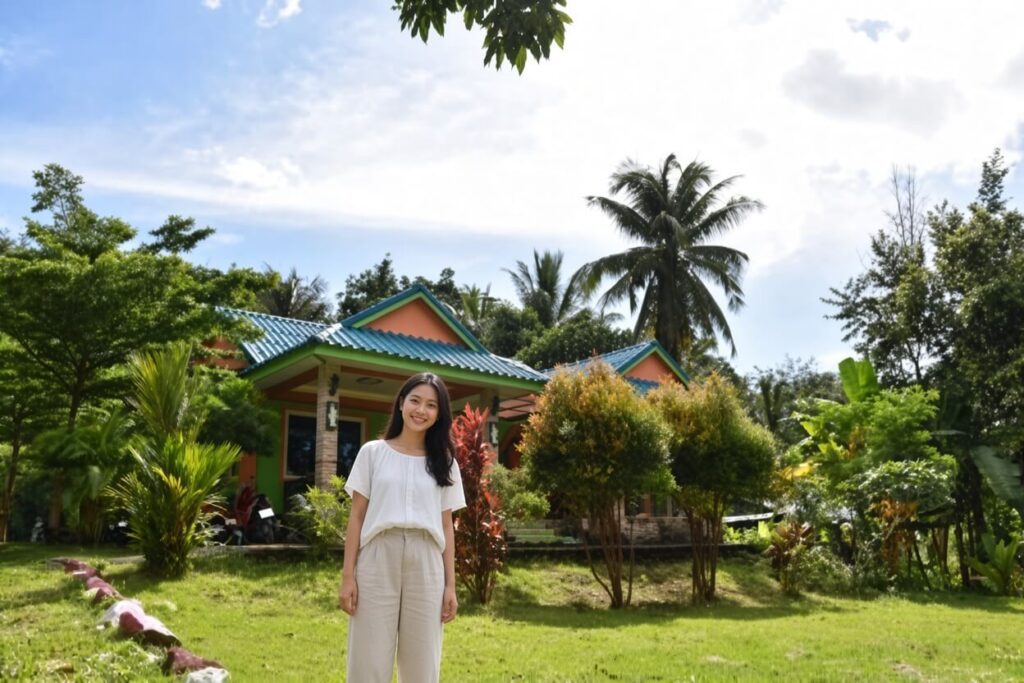
Kama Siri Koh Kood feels more like a quiet hideaway than a typical resort. Low-key and thoughtfully designed, it sits gently among the island’s natural surroundings rather than competing with them. The atmosphere is calm and unhurried, offering a level of privacy and space that suits the slower rhythm described throughout this Koh Kood guide.
It has a refined but understated character. Nothing feels overdone or overly polished. The setting, the open layout, and the sense of quiet make it a natural fit for travelers who want comfort without losing the island’s peaceful feel.
I passed it during my first rainy visit to Koh Kood — the trip that changed everything — and even from the outside it carried that same settled, unforced quality that defines the best places on the island.
Kama Siri Koh Kood: Quick Information
Location: Inland on Koh Kood, near Ao Tapao area
Getting There: Ferry from Laem Sok pier, then short transfer or scooter
Best Time: November to April
Known For: Small, quiet guesthouse with a calm and simple atmosphere
Good For: Budget-conscious travelers who want a peaceful, low-key base
Good to Know: Not beachfront, but close enough by scooter. Very quiet setting.
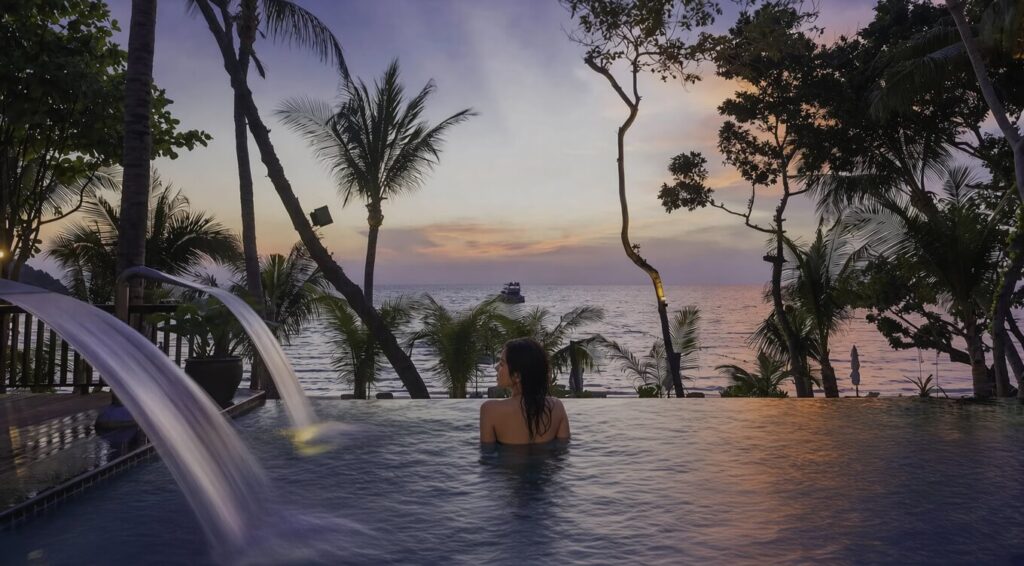
5. Ao Prao Beach Resort
Ao Phrao Resort sits quietly on one of Koh Kood’s more peaceful stretches of beach — low-rise, understated, and far from the busier parts of the island. It has that classic Thai beach resort feel without trying too hard: simple bungalows, tall palms, and a shoreline that still feels open and uncrowded.
What stands out is the calm. The atmosphere is relaxed and unpretentious, the kind of place where the days stretch out and the only real decision is whether to swim or just sit and watch the water. It suits travelers who want comfort without losing the quiet character of Koh Kood.
I passed by during my first rainy visit to the island — the trip that changed everything — and even then it had that settled, easygoing presence that makes certain places on Koh Kood feel instantly right.
Ao Phrao Beach Resort Koh Kood: Quick Information
Location: Ao Phrao Beach, southwest coast of Koh Kood
Getting There: Ferry from Laem Sok pier, then transfer to the southern end of the island
Best Time: November to April
Known For: Quiet beachfront setting with a classic Thai island resort feel
Good For: Couples and slow travelers looking for a peaceful beach base
Good to Know: The beach stays relatively quiet even in high season.
6. Koh Kood Neverland Beach Resort
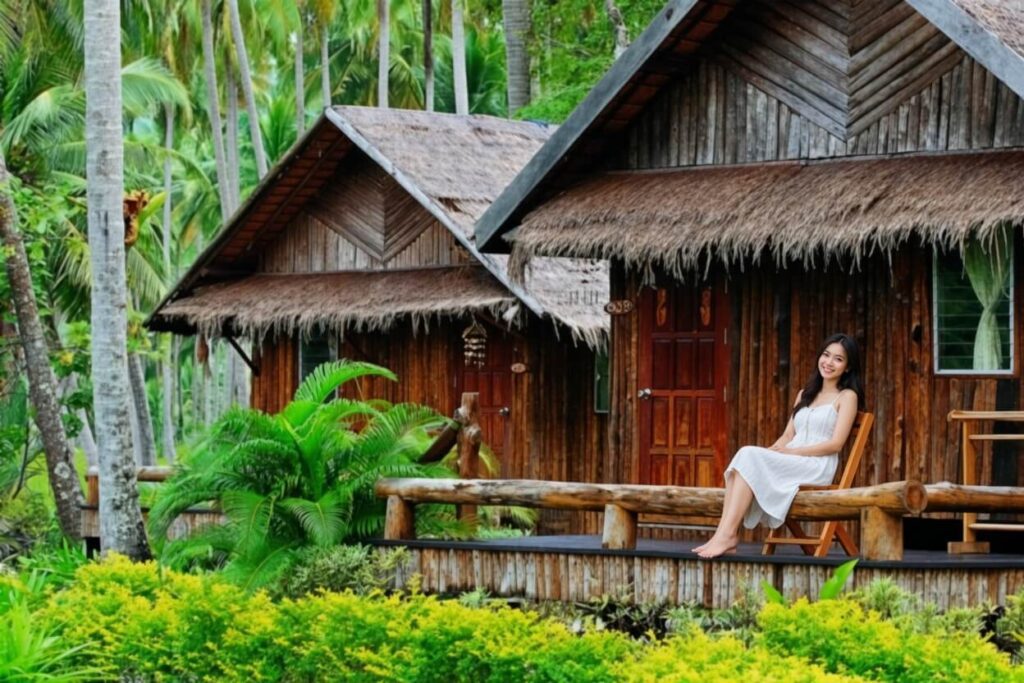
Neverland Koh Kood is one of those places that still feels like it belongs to the island — family-owned, low-key, and built in a simple rustic style that matches the surrounding palm trees and quiet roads. There’s no polished resort atmosphere here — just wooden bungalows, open-air spaces, and the kind of unhurried pace that many people come to Koh Kood looking for.
It reflects the island’s soul more than the newer, more polished properties. If you want to feel closer to the local rhythm rather than sealed inside a luxury bubble, this is the kind of place that delivers that feeling.
I passed it several times while staying nearby during my first rainy visit to Koh Kood — the trip that changed everything for me. Even from the outside, it had that genuine, lived-in character that makes Koh Kood special.
Neverland Beach Resort Koh Kood: Quick Information
Location: West coast of Koh Kood, near Klong Hin Beach
Getting There: Ferry from Laem Sok pier (Trat), then local transfer or scooter
Best Time: November to April
Known For: Family-owned, rustic wooden bungalows and a genuine island atmosphere
Good For: Travelers who prefer simple, community-feeling stays
Good to Know: Basic but authentic. Feels closer to everyday island life.
Where I Ate on Koh Kood
I stayed at a small resort called Big Dreams, which has since closed. It was run by Matteo, an Italian who used to manage a restaurant in one of Milan’s business districts, where the city’s big businessmen came to eat. He and his Thai wife opened the resort on Koh Kood, and she did the cooking, so I ate most of my meals right there.
I only ate out once, in town, and it was long enough ago that I honestly can’t remember the name.
35 Best Things to Do on Koh Kood in 2026 (With My Personal Stories)
Koh Kood isn’t about ticking boxes. It’s about slowing down and letting the island set the pace. Rather than a rigid checklist, this section of the Koh Kood guide focuses on the quiet places and moments that made me fall for the island, tailored for travelers who would rather escape the crowds than chase them.
Still, here are the 35 best things to do on Koh Kood, mixing must-sees, hidden moments, and the places that quietly shaped my time there.

Nature & Water
- Swim at Klong Chao Waterfall
This was one of my earliest discoveries. A wide waterfall with a deep lagoon perfect for swimming. Come mid-morning when the sun hits the water. - Walk Klong Chao Beach at Sunrise
Soft sand, no crowds, and fishermen returning with their morning catch. - Kayak Through the Mangroves
Several resorts offer kayaks through calm mangrove rivers. I once did this at sunset and the silence felt unreal. - Explore Ao Salat Floating Village
Wooden houses on stilts, boats replacing bicycles. Real island life untouched by tourism. - Snorkel at Ao Phrao Beach
Great visibility during the dry season, calm waters and coral just offshore. - Visit the 500-Year-Old Macca Tree
A sacred-feeling tree deep in the jungle. Locals believe it carries ancient energy. - Swim at Huang Nam Keaw Waterfall
Smaller than Klong Chao but quieter. It is perfect for a peaceful afternoon dip and a great example of what makes Koh Kood worth visiting. - Secret Beach Hunting
Rent a scooter and explore unmarked coastal paths. Some of Koh Kood’s best beaches aren’t on Google Maps. - Sunset at Bang Bao Beach
One of my favorite quiet evening spots — especially in low season. - Night Swimming at Your Beachfront Resort
On clear nights, the water reflects moonlight like silver.

Island Life & Culture
- Join a Local Beach BBQ
I once got invited to a casual island BBQ by a small hotel owner. It was pure Koh Kood magic, and it is exactly this kind of local hospitality that makes Koh Kood worth visiting. - Morning Fish Market Visit
Watch fishermen bring in their catch at small village docks before tourists wake up. - Talk to Local Boat Drivers
They carry more stories than guidebooks. - Participate in a Local Temple Visit
Small island temples hold deep calm. Not tourist attractions, just community spaces. - Visit Rubber Plantations
See where part of Koh Kood’s economy still comes from. - Learn Basic Fishing Techniques
Some resorts offer small local fishing trips.

Adventure & Exploration
- Rent a Scooter and Circle the Island
When looking at what makes Koh Kood worth visiting, it’s one of the few islands where this feels safe and scenic without chaos. - Jungle Trek to Hidden Viewpoints
There are unmarked viewpoints overlooking untouched coastline. - Waterfall Hopping Day
Combine Klong Chao, Huang Nam Keaw, and Klong Han. - Night Walks Along Forest Roads
With a guide. Sounds of insects and distant waves feel prehistoric. - Boat Trip Around the Southern Coast
See cliffs, coves, and beaches impossible to reach by road. - Kayak at Klong Mad Beach
Very quiet, even during high season. - Join an Island Sustainability Tour (Koh Kood Guide Highlight)
Some eco lodges run local sustainability programs.

Food & Slow Experiences
- Seafood Dinner at Ao Tapao Beach
Fresh fish, grilled simply, eaten with bare feet in the sand. - Try Local Coconut Desserts
Sold at village stalls, made from island-grown coconuts. - Farm-to-Table Dining at Eco Lodges
Several Koh Kood eco lodge stays grow their own herbs and vegetables. - Sunset Dinner at Soneva Kiri Viewpoint
Even if you’re not staying there, try booking the restaurant for the experience. - Morning Coffee by the Sea
No rush. Just waves and time. - Try Spicy Local Seafood Curry
Different from mainland Thai food. More influenced by coastal traditions.

Slow Living & Soul
- Do Absolutely Nothing for Half a Day
No plan, no phone, just beach and silence. This rare opportunity to disconnect completely is exactly what makes Koh Kood worth visiting. - Watch Fishing Boats Return at Dusk
Simple, grounding, almost poetic. - Journal by the Sea
I’ve written some of my best thoughts on this island. - Meditation at Sunrise
You don’t need to be spiritual. The island does half the work. - Observe Local Life at Ao Yai Village
A quieter cousin of Ao Salat. - Attend an Island Community Evening
Those rotating local-expat gatherings I experienced — they don’t happen everywhere, but when they do, they’re unforgettable.

Sample Private Itineraries for Koh Kood
Here are two slow travel itineraries designed around balance and what makes this island unique, showing exactly why Koh Kood is worth visiting and offering a practical Koh Kood guide for travelers who want to skip generic sightseeing. For a fuller day-by-day plan, see my Koh Kood itinerary.
4-Day Koh Kood Private Itinerary
| Day | Experience |
| Day 1 | Private arrival + beach walk + afternoon swim + seafood dinner by the beach |
| Day 2 | Klong Chao Waterfall + mangrove kayaking + beach BBQ or village dinner |
| Day 3 | Boat trip around the coast + snorkeling + hidden beaches + stargazing |
| Day 4 | Morning meditation or beach walk + fishing village visit + departure |

7-Day Koh Kood Private Itinerary
This itinerary is ideal for travelers who want to feel like they actually lived on the island, not just passed through, making it a standout highlight of this Koh Kood guide.
| Day | Experience |
| Day 1 | Arrival + rest + sunset walk |
| Day 2 | Full waterfall + jungle trek |
| Day 3 | Boat island tour + snorkeling |
| Day 4 | Village life day (Ao Salat + Ao Yai) |
| Day 5 | Eco lodge sustainability tour + kayaking |
| Day 6 | Free day: spa / meditation / beach relaxation |
| Day 7 | Morning reflection + departure |

Conclusion
Every island markets paradise these days, but very few still feel like one. For me, Koh Kood isn’t just a destination. It’s a reminder of what Thailand looked like before speed, before mass tourism, before everything needed to be optimized for likes and flight schedules. That rare, untouched atmosphere is why I keep going back, why I wrote this Koh Kood guide, and why it’s still one of my favorite Thailand hidden gems by far.
Koh Kood isn’t perfect, and that’s exactly why it’s special. As any honest Koh Kood guide will tell you, the island experiences heavy rain from May to October, and some boats and resorts slow down for the season. The roads are narrow and patchy in places, shops close early, and the internet can drop out just when you need it. There’s no 24-hour convenience, no beach club to fall back on, and not much to do after dark except sit by the water and listen. For some travelers, that’s a deal breaker. For others, it’s the whole point.
Because what you get in return is rare now. The sea is clear and real. The people are real, and many of them still run the small resorts and restaurants they built themselves. And the silence, that rare Thai island silence where all you hear is waves and insects at night, still exists here. Koh Kood asks you to slow down, and if you let it, it gives you back the kind of trip you’ll still be thinking about years later.
If you are planning a trip and want it to feel meaningful rather than rushed, this Koh Kood guide is just the beginning. At Off Path Thailand, we curate private, sustainable journeys that respect island life, local communities, and your time, taking care of everything from your transfer out of Bangkok to the quiet beach you end up calling yours. No mass tourism. No shortcuts. Just real Koh Kood.
Start planning your Koh Kood journey with us!

Koh Kood Guide: Map
Koh Kood Guide FAQ
Is there much to do on Koh Kood?
Yes, if you enjoy nature. You can swim at Klong Chao and Huang Nam Keaw waterfalls, kayak through the mangroves, snorkel, take a boat trip to nearby islands, visit fishing villages like Ao Salat, or ride a scooter around the island. What you won’t find is shopping, nightlife or big attractions. Koh Kood is about slow days, not packed schedules.
Which part of Koh Kood is best?
For most visitors, the west coast. That’s where the best beaches are, including Klong Chao, Ao Tapao, Klong Hin, Bang Bao and Ao Prao. The Klong Chao area is the most convenient, with the most restaurants and the waterfall nearby. Ao Tapao and Bang Bao feel quieter. The east coast is home to fishing villages and local life rather than beach resorts.
Is Koh Kood very touristy?
No. Koh Kood is one of the least touristy islands in Thailand. There’s no commercial airport, no large chain resorts and no busy tourist strip. It gets busier from December to February and on Thai holiday weekends, but even then the beaches rarely feel crowded.
Is Koh Kood a party island?
Not at all. There are a few laid-back beach bars and resort bars, but no clubs or party scene, and most evenings are quiet. If nightlife is a priority, Koh Phangan or Koh Samui will suit you better. If you want peace, stars and the sound of waves, Koh Kood is the right choice.
Is Koh Kood worth visiting for first-time island travelers?
Yes, it is. If you want calm beaches, clear water, and a slow rhythm, you will find Koh Kood worth visiting for your first trip. It is far less commercial than Phuket or Koh Samui, making it an excellent choice for a peaceful island escape.
How many days makes Koh Kood worth visiting?
Staying for three to five days is ideal to make Koh Kood worth visiting. This gives you enough time to explore beaches, waterfalls, and fishing villages, while still allowing you to enjoy slow mornings without rushing your trip.
Is Koh Kood worth visiting if you want to swim year-round?
You can swim most of the year, which makes Koh Kood worth visiting across multiple seasons. The dry season offers the calmest seas, while the green season has occasional rain but still allows for swimming on many days, especially on the west coast beaches.
Is Koh Kood worth visiting for solo travelers?
Koh Kood is very safe, quiet, and friendly, making Koh Kood worth visiting if you are traveling alone. It is easy to navigate by scooter or resort transport, and solo travelers often appreciate the peaceful environment and welcoming local communities.
Is Koh Kood cheap to visit?
Koh Kood is generally mid-range to luxury compared to other Thai islands. While cheap local meals and modest guesthouses exist, accommodation options tend to lean towards higher-end resorts, and transport costs are slightly higher due to limited public songthaews.
Can I still go to Koh Kood right now?
Yes, Koh Kood is open to visitors year-round. Ferries run daily from Laem Sok pier on the mainland. While boat schedules are reduced during the green/rainy season (May to October), resorts and transport remain operational.
Are there enough ATMs and shops to make Koh Kood worth visiting comfortably?
There are a few ATMs and small shops, but options are limited. To ensure you find Koh Kood worth visiting without any stress, it is best to bring enough cash and any essentials you need, especially if you visit in the low season when some places close early.
Is Koh Kood worth visiting if I see it spelled as Ko Kut?
Yes, because Koh Kood and Ko Kut refer to the exact same island. Whether you look up if Ko Kut or Koh Kood worth visiting, you are researching the same destination. Both spellings are used interchangeably on official maps, ferry tickets, and government websites.

About the author
Written by Dee, Thai-born founder of Off Path Thailand. I grew up in Bangkok and return to these quieter corners whenever the city feels too fast. About the founder
Tell us your dates and vibe — Our team replies within 24 hours to begin crafting your trip.
Leave everything to us and experience Thailand Off The Beaten Path
Every journey leaves a footprint — the difference is in how we choose to travel. At Off Path Thailand, we focus on keeping those footprints light. Discover how sustainable travel in Thailand connects comfort with care.