
Last Updated: September 26, 2026
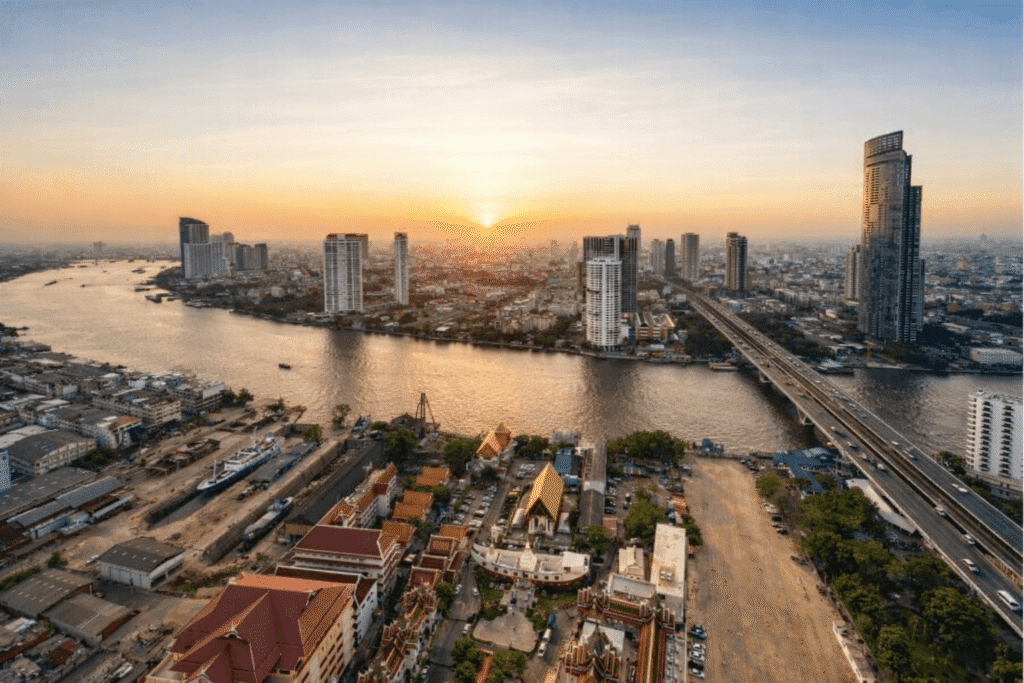
TL;DR: A realistic Bangkok daily budget in 2026 is $35–55 for budget travelers, $70–120 for moderate comfort, and $180+ for premium stays. The biggest savings come from moving like a local: using trains and buses, eating where locals eat, and staying just outside the tourist hubs.
If you strip things right back to food and transport, it’s even possible to get by on around 300 THB (~$10) per day, excluding accommodation. It isn’t particularly comfortable, though. You’ll need to use public transport strategically, eat where locals eat, and avoid long rides.
For a personalized breakdown based on your travel style and dates, use our free Thailand Trip Budget Calculator. These numbers come from growing up and living here, not recycled forum advice.
While we specialize in custom, off-the-beaten-path tours, our commitment to sustainable travel means we want to be a useful resource for every traveler. That’s why we created this guide to planning your Bangkok daily budget.
Chat with us on WhatsApp or drop by our contact page to start planning your custom private tour of hidden Thailand.
- How Much Money Do I Need in Bangkok Per Day? (2026)
- Bangkok Daily Budget: Why Generic Bangkok Budgets Fail
- Realistic Daily Cost Breakdown (2026)
- Local Saving Tips That Actually Work (From Living Here)
- 1. Choose the Right Transport, Not the Absolute Cheapest
- 2. Use the Train Systems Strategically
- 3. Don't Take Tuk Tuks Long Distance
- 4. Bring Cash & Exchange at VASU
- 5. Think in Transit Lines, Not Tourist Labels
- 6. Drink Where Locals Drink
- 7. Mix Street Eating With Sit-Down Value Spots
- 8. Choose Local Coffee Stands
- 9. Cluster Your Stops to Avoid Backtracking
- 10. Watch for Event & Festival Price Surges
- Sustainable Budget Travel in Bangkok
- What I Personally Spend in a Typical Bangkok Week
- Bangkok Compared to Other Cities
- 3-Day Sample Budget Itinerary (Quiet & Local)
- Map of Local Areas Mentioned in This Guide
- Conclusion
- FAQ: Bangkok Daily Budget 2026
- How much money do I need per day in Bangkok in 2026?
- Is Bangkok still cheap for tourists?
- What is the cheapest way to get around Bangkok?
- Where should I stay in Bangkok to save money?
- How can I avoid tourist pricing in Bangkok?
- Are there free things to do in Bangkok?
- Is it better to use cash or card in Bangkok?
How Much Money Do I Need in Bangkok Per Day? (2026)
This table is a quick “at-a-glance” guide. For a personalized estimate based on your dates, neighborhoods and comfort level, use the Thailand Trip Budget Calculator.
| Travel Style | Total / Day (USD & THB) | Accommodation | Food & Drink | Transport | Activities & Sights | Best For |
| Budget | $35 – $55 (~1,250 – 1,950 THB) | $15 – $30 | $8 – $15 | $3 – $6 | $0 – $10 | Hostels/guesthouses, street food, markets, trains/buses, free temples & parks |
| Moderate | $70 – $120 (~2,500 – 4,300 THB) | $35 – $70 | $18 – $35 | $6 – $15 | $10 – $25 | Mid-range hotels, mix of local & sit-down meals, occasional Grab rides, 1 paid activity/day |
| Premium | $180+ (~6,500+ THB) | $120+ | $35 – $80 | $15 – $40 | $25+ | Riverside/luxury stays, rooftop bars, private tours, frequent ride-hailing |
Bangkok Daily Budget: Why Generic Bangkok Budgets Fail
Most “Bangkok budget” articles either exaggerate how cheap the city is or assume you’re spending every night in rooftop bars along Sukhumvit. Neither reflects reality in 2026.
Bangkok is a city of micro-economies, and that’s the first thing you notice when planning a Bangkok daily budget. Two BTS stops can change your accommodation price by $15–20 per night. A noodle dish can cost 50 THB in one neighborhood and 180 THB in another, with identical ingredients and a different audience. Riverside hotels operate on completely different pricing logic compared to Chatuchak area guesthouses. Chinatown bars are not priced like Sukhumvit nightlife. If you’re still deciding where to base yourself, explore our full Bangkok destinations guide to understand how different areas actually feel and function.
This is where most generic guides fall apart: they average everything together and call it a day.
Another factor they ignore is how people actually move around the city. If you default to Grab during rush hour, you will overspend. If you use trains and EV buses strategically, your daily transport cost drops dramatically.
Bangkok also runs heavily on QR payments and app-based transactions. While tourists still need cash, locals don’t carry much anymore. Understanding how the system works helps you avoid unnecessary ATM withdrawals and inflated exchange booths.
I live here. I move through different districts every week. I test buses versus trains. I buy groceries at Big C and Lotus’s. I know what street coffee costs versus Starbucks. The ranges below reflect what I actually see, not influencer snapshots from rooftop hotels.
And if you want to customize everything based on your dates and tolerance for crowds or comfort, plug your numbers into the Thailand Trip Budget Calculator we built at Off Path Thailand.
Need help planning your days? Dive into our Bangkok itinerary to map out your trip. If you want a quick escape from the city heat, our guide to day trips from Bangkok to the beach shows you how to enjoy a beach day and be back by early evening.
Exploring on foot also reveals a much calmer (and completely free) side of the city. See our Slow & Local Bangkok Walking Routes 2026.
Realistic Daily Cost Breakdown (2026)
Below are realistic 2026 daily ranges, broken down by travel style.
Budget Tier – $35–55 per day
This assumes:
Hostel dorm or simple guesthouse • Street food and local markets • Public transport • Mostly free or low-cost activities
Accommodation – $15–30
Hostels are plentiful in Bangkok, and the cheapest beds are often in areas with plenty of competition. Better-value areas include Bang Na, Ladprao, Petchaburi Road, and the Old City near Chinatown. Khao San Road still has some of the cheapest dorm beds in the city, but food, drinks and tours around it are priced for tourists, so what you save on the bed you can easily lose on everything else.
If you research carefully, you’ll sometimes find small independent hotels that match hostel prices but give you a private bathroom. Staying two stops away from Asok/Sukhumvit can make a noticeable difference in nightly rates.
High season (November to February) pushes hotel prices up significantly, while the rainy season can bring substantial discounts. For quieter base areas that still connect well, see our off-the-beaten-path Bangkok neighborhoods guide.
Food – $8–15
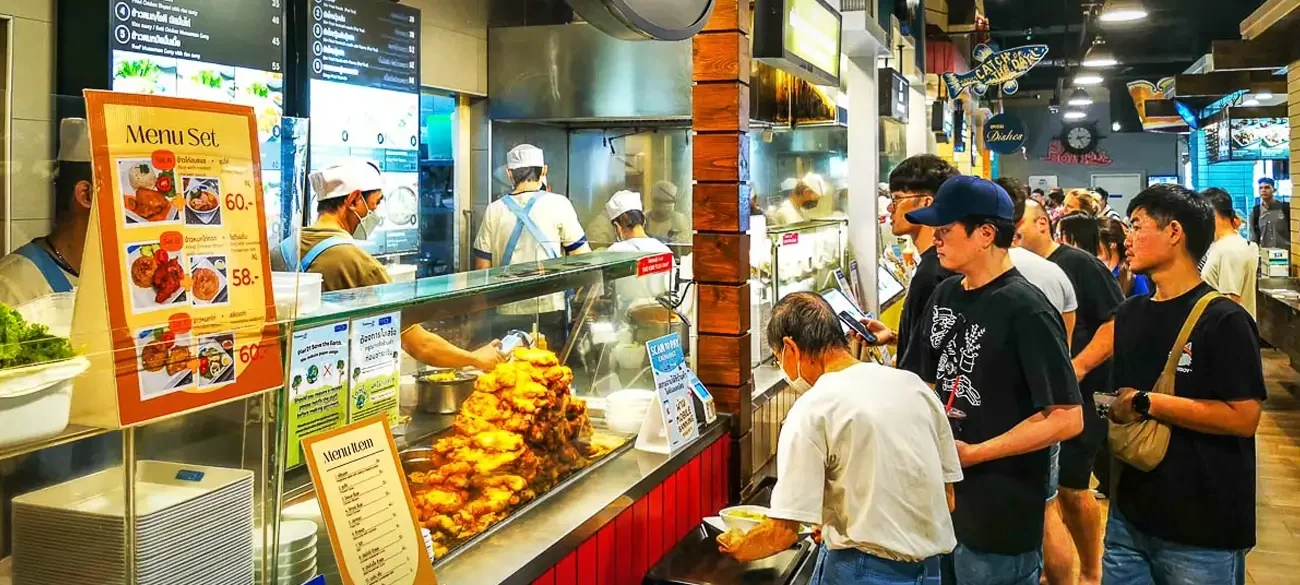
Food is where Bangkok becomes extremely budget-friendly, as long as you eat the way locals do. With a bit of awareness, keeping daily food spending under 300 THB is very realistic.
Pro tip: Big C and Lotus’s supermarkets often have food courts with street food-level pricing, but cleaner and more standardized. It’s a good middle ground if you want affordability without guessing hygiene standards.
Our Bangkok street food prices guide shows realistic prices for common dishes across different parts of the city.
For travelers who want to eat their way through the city, we design custom Culinary Exploration itineraries tailored entirely to your taste. For a preview, check out our sample Bangkok foodie itinerary.
For local, non-tourist food ideas, see Bangkok hidden gems food 2026.
Transport – $3–6
This is where understanding Bangkok saves money.
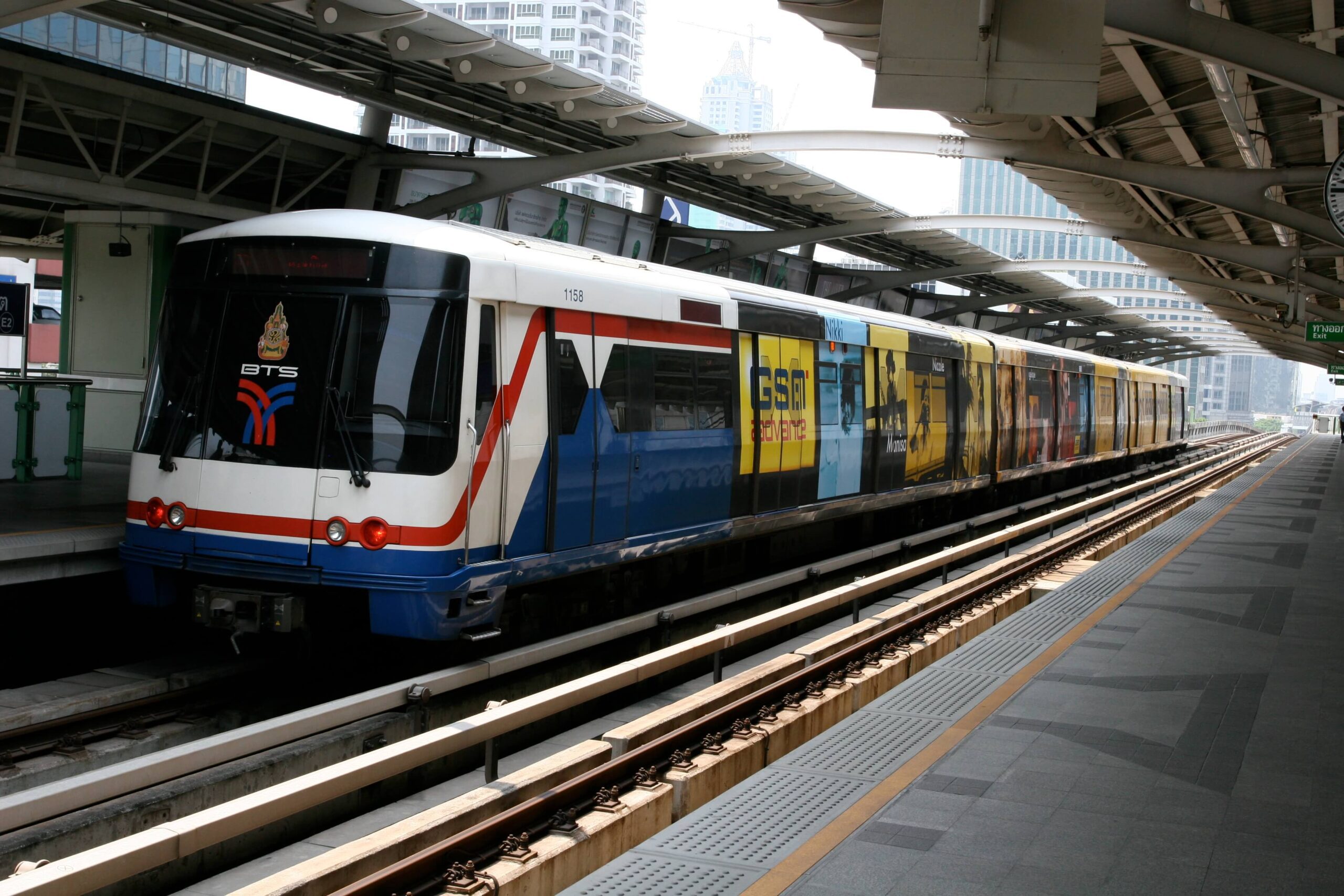
The main rail systems travelers use are the BTS Skytrain, the MRT (including the underground Blue Line), and the Airport Rail Link. Bangkok’s network has grown to include the SRT Red Line and the Pink and Yellow monorails too. Different operators run different lines, so you’ll often need a new ticket when transferring, and stations don’t always connect seamlessly.
Even so, trains are efficient, predictable, and avoid traffic delays. Fares typically range from about 16 to 47 THB per ride depending on distance, and some lines, like the MRT Purple Line and SRT Red Line, charge a flat 20 THB. Check current fares before you travel, as pricing schemes are changing. For a local-friendly overview, including how transfers actually feel on the ground, see our Bangkok transport guide.
Taking your time is a quiet luxury, and an antidote to over-scheduled itineraries and crowded highlights.
We can arrange a private driver and guide for you, so your time in Bangkok feels relaxed and seamless. You won’t need to worry about transportation, navigation or timing, and can focus fully on the temples, the atmosphere and the experience itself.
Feel free to chat with us on WhatsApp and we’ll help design a calm, well-paced Bangkok trip tailored for you.
Standard non-aircon buses start from 8 THB, making them the cheapest way around the city. They’re also stuffy, crowded and uncomfortable, especially during rush hour. A smarter compromise is an air-con bus or the EV bus system. Modern EV buses cost up to 25 THB and can be more practical than trains on some routes.
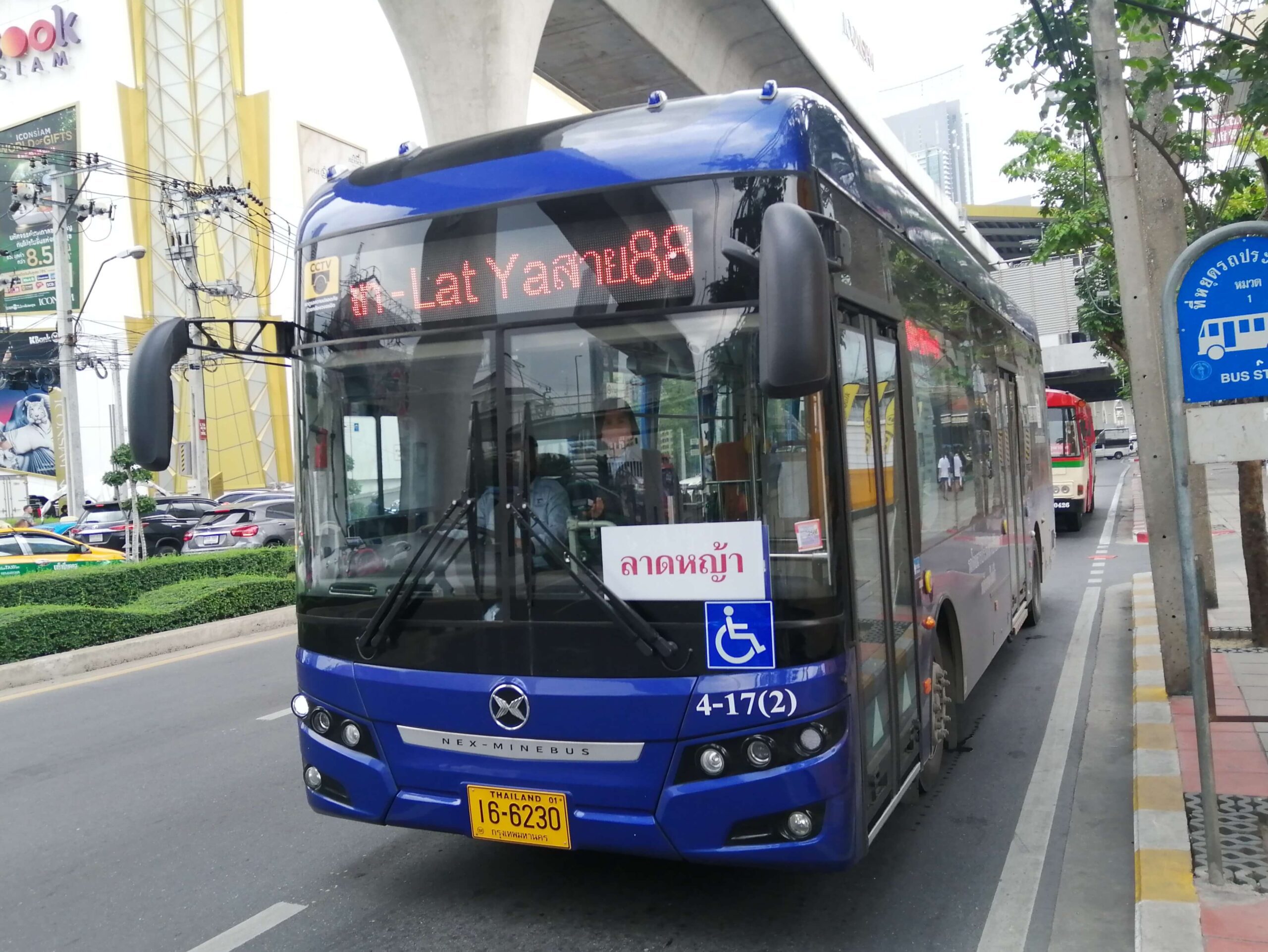
To look up EV bus routes in advance, try Moovit’s EV bus line info. For official rail information, see BTS and MRTA (MRT).
There’s also the Saen Saep canal boat, which is fast and affordable, especially during traffic-heavy hours.
Activities – $0–10
Many temples in Bangkok don’t charge entry. Thailand is a Buddhist country, and temples are everywhere, not just the ones heavily promoted online. Do your due diligence and explore non-touristic temples respectfully. If you’re interested in temple activities, check out our Cultural Discovery Travel Style.
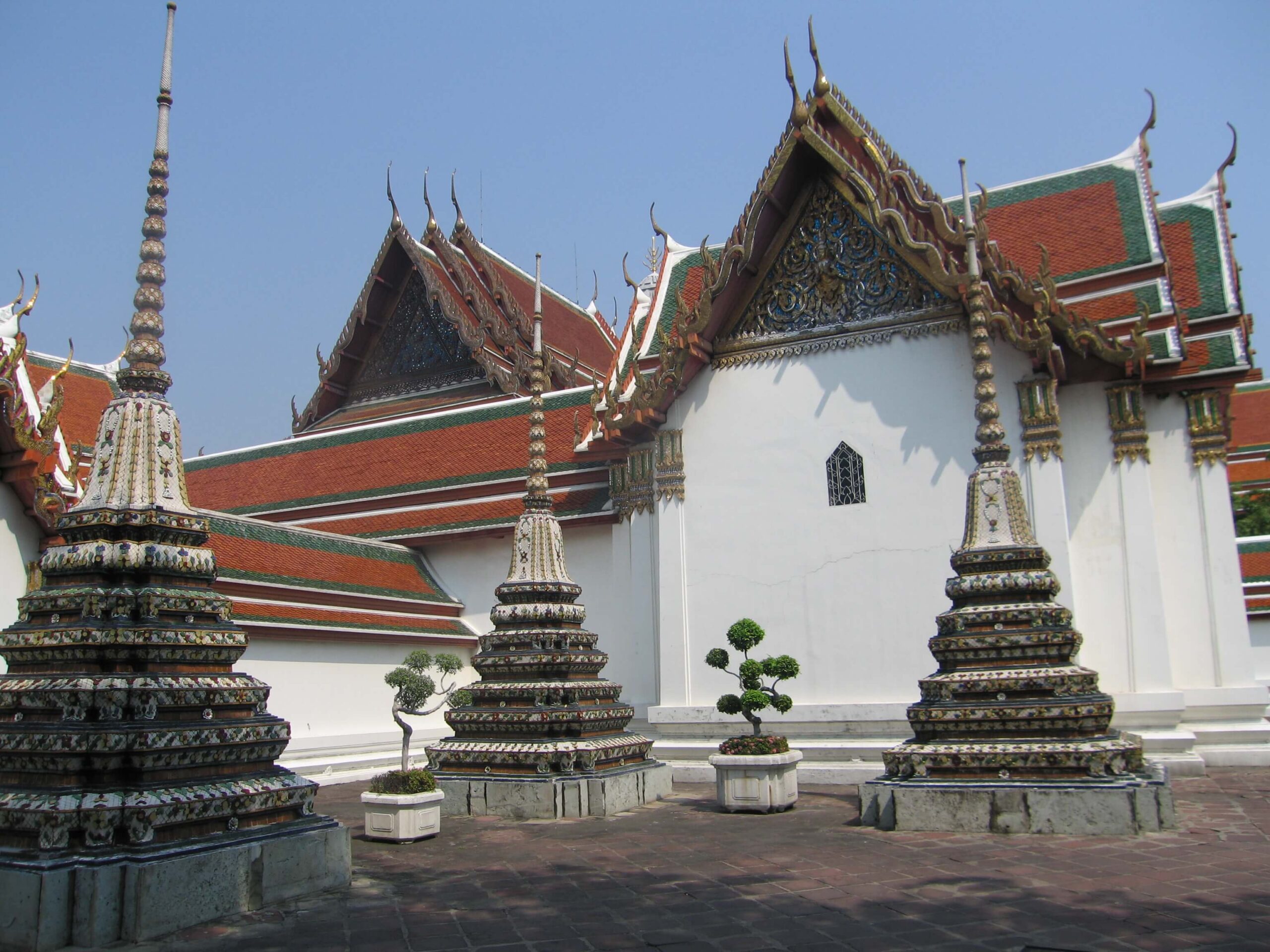
Parks, neighborhood walks and markets provide hours of activity at little to no cost. See our quiet park escapes in Bangkok and hidden local markets guide.
Moderate Tier – $70–120 per day
This tier includes a private mid-range hotel in a convenient but quieter district, a mix of street food and sit-down restaurants, train transport with occasional Grab rides, and one paid attraction or guided experience per day. You’re comfortable, but not splurging.
Premium Tier – $180+ per day
This assumes a riverside hotel or luxury Sukhumvit property, frequent Grab rides or a private driver, rooftop bars and cocktail lounges, and private tours or hotel-arranged activities.
Bangkok becomes expensive quickly if you party nightly in flashy clubs, stay directly in peak tourist zones, rely only on ride-hailing, or book tours through hotel desks.
Ultra-Budget Reality Check
If it’s just food and transport, I personally can get by on around 300 THB per day (~$10). That means simple street or food court meals, public transport, and walking.
I can’t do it every single day, and it isn’t comfortable long term. It takes discipline and flexibility.
Local Saving Tips That Actually Work (From Living Here)
Budget travel in Bangkok isn’t about cutting everything. It’s about avoiding unnecessary friction and tourist pricing while still moving efficiently. Here’s what actually works.
1. Choose the Right Transport, Not the Absolute Cheapest
Yes, you can take an 8 THB non-aircon bus across the city. Realistically, though, those buses can be stuffy, exposed to traffic fumes, crowded during peak hours, and not always the cleanest.
A smarter approach is usually air-con buses, EV buses (maximum fare around 25 THB), and trains for longer cross-city routes.
To make bus travel easier, use Google Maps to check live arrivals, departure times and routes. You can also download apps like ViaBus, which show real-time bus tracking and route details. This removes most of the uncertainty and makes buses a practical option rather than a gamble.
2. Use the Train Systems Strategically
The BTS Skytrain, MRT and Airport Rail Link are run by separate operators, which means transfers often involve walking between stations and buying a new ticket.
Despite that, trains remain the most efficient way to move around the city without worrying about traffic, smog or surge pricing.
If you’ll use trains a lot, look into day passes or tourist promotions, particularly on the BTS. Unlimited ride passes can make sense if you’re covering several stops in one day, but always compare them with individual fares based on how much you’ll actually travel.
From the airport, if you’re traveling light, take the Airport Rail Link instead of booking a private transfer. It’s fast, predictable and significantly cheaper, especially during peak traffic hours.
3. Don’t Take Tuk Tuks Long Distance
Tuk tuks are seen as a tourist experience, so their pricing reflects novelty rather than efficiency. Drivers often overcharge for longer routes.
Use them for short sub-soi rides, and only after agreeing on the price. Avoid them for cross-city travel, and use trains or buses instead.
4. Bring Cash & Exchange at VASU
If you’re bringing foreign currency, exchange it at VASU Money Exchange near Nana BTS. It consistently offers some of the most competitive rates in the city.
Bangkok’s airport and mall exchange booths are convenient but usually less favorable. Avoid withdrawing small ATM amounts repeatedly, since Thai ATMs charge foreign cards a fee on every transaction.
5. Think in Transit Lines, Not Tourist Labels
Instead of choosing accommodation based on what sounds “central,” look at where the train lines actually take you. Many first-time visitors book hotels in areas like Asok or Nana simply because the names are familiar.
Look for places along the BTS or MRT that aren’t marketed as nightlife hubs. Neighborhoods just 3–5 stops further down the line often have noticeably lower nightly rates while keeping you within 15–25 minutes of downtown.
Focus on being within a 5–10 minute walk of a train station, having local food options nearby, and access to at least one major rail line.
And don’t assume hostels are automatically cheaper. Some independent budget hotels, especially outside peak season, can match dorm pricing while giving you privacy, air conditioning and your own bathroom.
6. Drink Where Locals Drink
Bangkok nightlife can either drain your budget or barely dent it. It depends entirely on where you go.
Rooftop venues and high-end clubs charge international prices. Cocktails can easily reach 350–500 THB, and much more at the most famous hotel rooftops. If you do want a skyline view, our guide to quiet rooftop bars in Bangkok covers when to go for the best value.
Local bars work very differently. In residential areas and neighborhood beer gardens, drinks are priced for regulars, not tourists. Local lagers are inexpensive, and Thai whiskey (like SangSom or Hong Thong) is far cheaper than imported spirits.
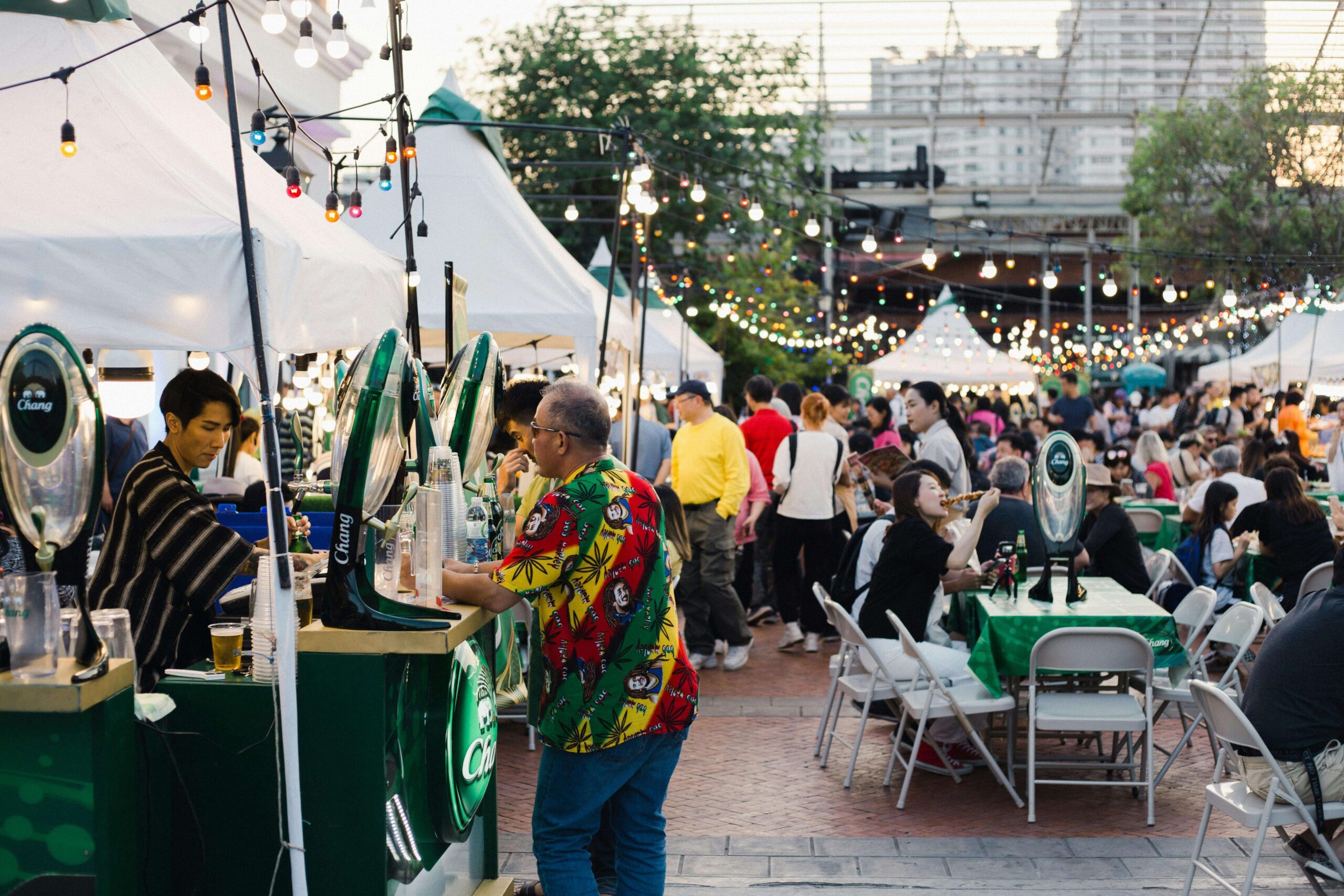
Areas like Phra Khanong, parts of Chinatown, and sections near Chatuchak have relaxed bars where prices reflect local demand rather than visitor expectations.
7. Mix Street Eating With Sit-Down Value Spots
You don’t need to rely entirely on convenience stores or street stalls to stay on budget.
Bangkok has thousands of simple, family-run restaurants that sit somewhere between street food and full-service dining. Prices are only slightly higher than street vendors, but you get a more relaxed setting and consistent portions.
Look for busy lunchtime crowds, menus in Thai with minimal English, and workers or students eating there daily.
Timing is another overlooked way to save. Many places offer lunch specials that are cheaper than dinner prices, so making lunch your bigger meal of the day can shave a noticeable amount off your total.
Note: Check out our Bangkok street food guide to understand realistic pricing across different areas and avoid paying tourist rates.
8. Choose Local Coffee Stands
Local street coffee stands charge 30–50 THB, a fraction of Starbucks or imported café prices. Small daily decisions like this add up over a week.
Note: Check out our Bangkok cafe guide to discover quiet, peaceful spots away from the crowded Instagram venues.
9. Cluster Your Stops to Avoid Backtracking
One of the easiest ways to waste money in Bangkok isn’t distance. It’s inefficient routing.
Instead of zig-zagging across the city, group your activities by area. Spend one morning fully exploring the Old City rather than jumping between Chinatown and Sukhumvit. Dedicate an afternoon to Ari instead of commuting back and forth between neighborhoods.
Plan your day around one main neighborhood, one transport corridor (a single BTS or MRT line), and as few transfers as possible. This cuts unnecessary fares, saves time, and makes you less tempted to call a car when you’re tired of commuting.
10. Watch for Event & Festival Price Surges
Hotel pricing in Bangkok doesn’t just shift by season. It also spikes around specific events.
Large conventions, international concerts, marathons and festivals can quietly push accommodation prices up for a few days at a time. Songkran (Thai New Year), New Year’s Eve and major trade expos often cause short-term rate jumps, even outside tourist-heavy districts.
Before booking, check whether a major event falls on your dates, whether your hotel offers flexible cancellation, and how prices look 2–3 days either side of your intended stay. Sometimes shifting by a single day lowers the nightly rate significantly.
Sustainable Budget Travel in Bangkok
Traveling on a modest Bangkok daily budget often lines up naturally with our sustainability values. That’s not because you’re trying to be “eco,” but because local habits are already low-impact.
When you rely on trains instead of private transfers, you’re using infrastructure that moves thousands of people efficiently. When you choose EV buses over single-passenger car rides, you’re reducing congestion and emissions in a city that already struggles with traffic and air quality.
Walking between neighborhoods isn’t just about saving 20–40 THB. It also cuts the short vehicle trips that clog inner-city roads. Bangkok’s density makes short-distance transport one of its most overused conveniences.
Food choices matter even more. Buying from a street vendor, a small family-run restaurant or a local coffee cart means your money goes directly to independent businesses. Many vendors operate on slim margins. A 60 THB noodle bowl may look small to a visitor, but it contributes directly to someone’s daily livelihood.
Choosing Thai beer or local whiskey over imported spirits keeps your costs down and your spending in the local economy.
Accommodation plays a role too. Smaller guesthouses and independent hotels often hire locally and operate without large corporate structures, so your money circulates differently than it does at large international chains.
Refilling water bottles and eating locally are two more easy ways to stretch your money without missing out.
Bangkok is built around small, independent businesses. Budget travel here often supports the local economy more directly than high-end hotel spending does.
If you’re exploring beyond the tourist core, look into quieter districts and residential areas. Our quiet Bangkok neighborhoods guide highlights places where local life carries on normally, without the inflated pricing that often follows heavy tourism. For a structured route through these areas, see our Bangkok hidden gems itinerary, designed around quiet neighborhoods and real local movement.
What I Personally Spend in a Typical Bangkok Week
For transparency, here’s what a simple, low-key week looks like for me (excluding rent):
- Food: 1,200–1,500 THB
- Transport: 500–700 THB
- Coffee/snacks: ~300 THB
- Miscellaneous: ~500 THB
That usually lands around 2,500–3,000 THB per week.
That’s when I keep things straightforward: local meals, public transport, no unnecessary rides and no big nights out. It’s not extreme frugality, just normal, practical local habits.
Not every week looks the same, though. Some days I travel further across the city to meet family, attend gatherings or run errands in different districts. On those days, transport costs go up and meals aren’t always budget-focused.
Bangkok Compared to Other Cities
Context matters when people say “Bangkok is cheap.”
I’ve actually lived in Singapore, and the difference is significant. One standard meal there can easily cost the equivalent of three local meals in Bangkok. Everyday expenses like coffee, transport and casual dining add up much faster in Singapore than they do here.
I’ve also traveled to Seoul and Osaka, and the pattern is similar. Daily food costs in those cities run noticeably higher, especially if you eat out regularly. Convenience store meals, café stops and simple restaurant dinners all start from a higher baseline than in Bangkok.
Bangkok and Bali can feel closer in cost, depending on where you stay and how you get around. Even then, the most developed parts of Bali can be pricier than local Bangkok neighborhoods.
Cheap is relative, but adopting local habits makes it easy to stretch your money here without sacrificing quality.
3-Day Sample Budget Itinerary (Quiet & Local)
Here’s how a realistic 3-day trip could look without overspending. Daily totals exclude accommodation.
Day 1 – Old City & Chinatown (~900 THB)
- Street breakfast (60 THB)
- Walk through non-touristic temples (free)
- Canal boat transport
- Lunch in Chinatown (100–150 THB)
- Evening local bar in Chinatown
Use trains or the canal boat instead of taxis. For more low-key areas and route ideas, see our Bangkok neighborhoods guide.
Day 2 – Ari / Ladprao (~750–850 THB)
- Local coffee stand (40 THB)
- Market lunch (70–100 THB)
- BTS + EV bus transport
- Afternoon park visit
- Casual dinner
Pair this day with a calm green break using our quiet park escapes guide.
Day 3 – Phra Khanong (~850–950 THB)
- Street breakfast
- Explore side streets
- Lunch at a local shop
- Evening beer garden
- Train back to accommodation
To adjust these numbers based on your comfort level, dates and transport preferences, use our free Thailand Trip Budget Calculator.
You can also factor in seasonal price changes using the Best Time to Visit Thailand 2026 planner.
For more calm, local ideas, browse our guides to day trips from Bangkok and hidden local markets.
Map of Local Areas Mentioned in This Guide
Conclusion
A smart Bangkok daily budget lets you experience the best of the city without overspending.
Use trains and EV buses. Walk when it’s practical. Avoid long tuk tuk rides. Exchange currency wisely at places like VASU. Choose neighborhoods slightly outside the tourist core. Drink local coffee instead of imported chains. Party smart.
You can realistically spend $35–55 per day on a tight but comfortable budget, or $70–120 per day for mid-range ease. At the premium end, $180 or more per day disappears quickly once you add luxury hotels, rooftop bars and private drivers.
And yes, you can survive on 300 THB per day excluding accommodation. It’s possible, just not comfortable long term.
For a personalized projection tailored to your trip style, use our free Thailand Trip Budget Calculator. If you’d prefer something quieter and more curated, contact me directly for a custom Bangkok itinerary.
Bangkok doesn’t have to be expensive. It just takes a little awareness.
Prefer a quick chat?
Message us directly on WhatsApp
If you already have an idea of your trip, send us a message and we’ll guide you through the best options for your travel style.
Chat on WhatsAppFAQ: Bangkok Daily Budget 2026
How much money do I need per day in Bangkok in 2026?
A realistic Bangkok daily budget in 2026 is $35–55 for budget travel, $70–120 for moderate comfort, and $180+ for premium stays. With careful planning, many budget travelers spend under $50 a day including accommodation.
Is Bangkok still cheap for tourists?
Yes. Bangkok remains one of the most affordable major cities in Asia, and significantly cheaper than Singapore, Seoul or Tokyo. Street food, public transport and free temples make it easy to travel well on a modest budget.
What is the cheapest way to get around Bangkok?
Public buses are the cheapest, starting from 8 THB, with EV buses a more comfortable option at up to 25 THB. For longer trips, the BTS Skytrain and MRT are fast and avoid traffic. Use Google Maps or ViaBus to plan routes instead of relying on Grab.
Where should I stay in Bangkok to save money?
Areas slightly outside the main tourist hubs, like Ladprao, Bang Na or Petchaburi Road, usually offer better value while staying well connected by train. Khao San Road has cheap dorm beds, but prices for food, drinks and tours around it are aimed at tourists.
How can I avoid tourist pricing in Bangkok?
Eat where locals eat, use public transport, agree on tuk tuk prices before riding, and book tours directly rather than through hotel desks. These habits make a big difference over a longer stay.
Are there free things to do in Bangkok?
Absolutely. Many temples are free, public parks cost nothing to enter, and wandering local markets and neighborhoods can fill whole days. Our quiet parks and walking routes guides are good places to start.
Is it better to use cash or card in Bangkok?
Cash is still essential for street food and small vendors, while cards work in malls, hotels and larger restaurants. Withdraw larger amounts less often, since Thai ATMs charge foreign cards a fee on every transaction, or exchange cash at a competitive exchange like VASU.

About the author
Written by Dee, Thai-born founder of Off Path Thailand. I grew up in Bangkok and still track what everyday life here actually costs, from street food and coffee to trains and buses. Our approach prioritizes timing, comfort and local texture, the small choices that make travel feel calmer and more meaningful. About the founder
Want your Bangkok trip to feel smooth and low-stress? Use our Thailand Trip Budget Calculator to estimate realistic costs, or explore our itineraries. If you’d like a private, low-crowd trip designed end-to-end, including drivers, timing and logistics, contact us here: Off Path Thailand private planning.