
Bangkok Hidden Gems Restaurants: Where My Family Has Eaten for Generations

TL;DR:
The best Bangkok hidden gems restaurants go beyond viral rooftops and Instagram cafés. This guide highlights authentic, off-the-beaten-path eateries — from Thai-Chinese noodle shops to late-night local favorites — the kind of spots insiders actually return to, far from tourist crowds.
For a wider overview of how these places fit into the city, see the full Bangkok hidden gems destination page.
Beyond the Tourist Trail: How Locals Actually Eat in Bangkok
Bangkok has never been a city I experienced from the most popular spots. Even as a child, my cherished food memories came from places hidden just out of sight: a family owned restaurant tucked in a familiar soi, a street that only came alive late at night, a restaurant my family returned to generation after generation without ever feeling the need to “try something new.” Long before phrases like “off the beaten path Bangkok” entered travel vocabulary, this was simply how we ate. If you’re planning your overall spending, you can estimate your full Thailand trip budget in 2026 with our Calculator Tool before deciding how much to allocate for food, stay, and transportation etc.
In a city known for its vibrancy, the real magic often lives in contrast. Step away from traffic and shopping malls, and Bangkok becomes legit. The humidity is still there, the aromas are still prevalent, but the vibe changes. You notice how dishes are assembled with precision and skill. You start to understand why certain places survive for decades, feeding the same families across generations.
That same contrast carries across the country — if you’re heading north, this Chiang Mai food guide shows how local food culture shifts beyond Bangkok’s pace.
Timing plays a quiet role in these experiences too — the Thailand Best Time Planner 2026 helps you choose months when Bangkok feels calmer, making it easier to discover food culture without queues, heat fatigue, or seasonal crowds.
This is what Bangkok hidden gems 2026 truly means to me. Not secret spots for the sake of secrecy, but food and restaurants that have endured because they are woven into everyday life. Places locals return to not for novelty, but for comfort, memory, and consistency. Some of them are busy. A few are no longer truly “hidden.” But they remain deeply local, shaped by community rather than trends.
Many of the Thai-Chinese noodle shops and family-run restaurants I grew up with reflect Bangkok itself: layered, hybrid, and constantly evolving. As a second-generation Thai who isn’t ethnically Thai or Chinese, these places felt especially familiar. They sit at the crossroads of cultures, blending flavors and traditions without needing labels. A bowl of noodles might carry the Thai spices of tom yum alongside old-school Chinese techniques. A dining table can feel frozen in time, yet still fill up every weekend without fail.
Over the years, I’ve watched entire food streets disappear and re-form elsewhere. I’ve seen humble late-night stalls become legendary, not because they chased attention, but because they perfected one thing and never let it slip. I’ve also learned when to go, what to order, and how to move through these spaces respectfully, without turning everyday places into spectacles.
Knowing how to get around Bangkok using trains, river boats, and short local rides also makes it far easier to reach these neighborhood food streets that most visitors never see.
For a broader way to explore beyond just food, this Bangkok hidden gems itinerary brings together neighborhoods, markets, and everyday local experiences across the city.
At Off Path Thailand, these experiences shape how we design food tours in Bangkok. We don’t chase the loudest or the newest. We curate around timing, context, and flow. A private driver means you arrive when a place feels right, not when it’s overwhelmed. A local guide means knowing how to order properly, when sharing a table is expected, and when to linger or leave. When these details are handled, food stops being a checklist and becomes part of a much more meaningful journey.
If you want to experience this side of Bangkok the right way, this private Bangkok foodies itinerary is designed to take you straight to the city’s most authentic spots — seamlessly planned, expertly guided, and built around how locals actually eat.
In this guide, I’ll share the Bangkok food experiences Thai families including my own have enjoyed for decades: Thai-Chinese noodle shops, evolving street food clusters, old-school restaurants that still feel like the 1970s, Isaan cooking done with total confidence, and late-night stalls that only reveal themselves after the city exhales. These were not curated for social media. They’re chosen because they are legitimately Bangkok.
If you’re mapping out a few of these spots in a single day, it helps to understand what that actually adds up to — here’s a realistic look at daily costs in Bangkok.
- Bangkok Hidden Gems Restaurants: Where My Family Has Eaten for Generations
- Beyond the Tourist Trail: How Locals Actually Eat in Bangkok
- Why Explore Bangkok’s Hidden Food Scene Off the Beaten Path?
- The Best Bangkok Hidden Gems Restaurants and Food Spots
- Hidden Street Food Spots in Bangkok (2026 Update)
- Why These Restaurants Matter
- Quiet Tours in Bangkok: Curated Off Path Adventures
- Best Quiet Food-Centered Experiences in Bangkok
- A Sample Quiet Day: How It Comes Together
- Walking vs. Vehicle-Based Experiences
- Exploring Hidden Food Spots: Solo vs. With a Private Guide
- How We Design These Experiences
- Expert Tips for Discovering Bangkok’s Hidden Gems Sustainably
- Conclusion: Craft Your Own Hidden Bangkok Experience
- FAQ
- Leave everything to us and experience Thailand Off The Beaten Path
For those who want to go deeper than surface-level highlights, food is often the most genuine entry point. It reveals all, history, migration, family, and values in ways no fancy landmark ever could. And when paired with thoughtful exploration, it becomes one of the most effective ways to experience the city.
For those looking to extend this slower, more experimental style of travel beyond Bangkok, this approach naturally connects with our broader philosophy of quiet escapes starting from the capital. The same care that defines these food experiences also shapes how we explore nearby regions, day trips, and lesser-known destinations across Thailand.
Why Explore Bangkok’s Hidden Food Scene Off the Beaten Path?
Bangkok’s food reputation has never been in doubt. The city is loud about it, and rightly so. But the meals that impress you the longest are hardly the ones found under bright lights or on viral social media lists. They happen quietly, often without signage, sometimes even without English menus, and almost always without a sense of performance. These are the places where food still serves a purpose beyond attention — and if you’re looking for that same slower, more grounded experience in the north, it’s exactly what you’ll find along these Chiang Mai walking routes.
The Allure of Quiet, Authentic Flavors in a Bustling City
When you dine far from the usual tourist spots, the experience changes dramatically. You’re no longer competing for space or being rushed through a meal. You sit how locals sit. You order what the kitchen does best, not what photographs well.
These subtle food experiences reveal a more authentic Bangkok. One where recipes are adjusted by instinct rather than precise measurement. Where flavors evolve subtly over time, shaped by ingredient availability, customer preferences, and the generation of the cook. This is especially true in Thai-Chinese food culture, where techniques and flavors blend together so seamlessly that no one feels the need to explain them.
There’s also a sense of trust in these places. They don’t need to sell you. They’ve already earned their customer base, often over decades. The result is food that feels honest, grounded, and deeply satisfying without ever trying to impress. Just the way Off Path Thailand loves it.
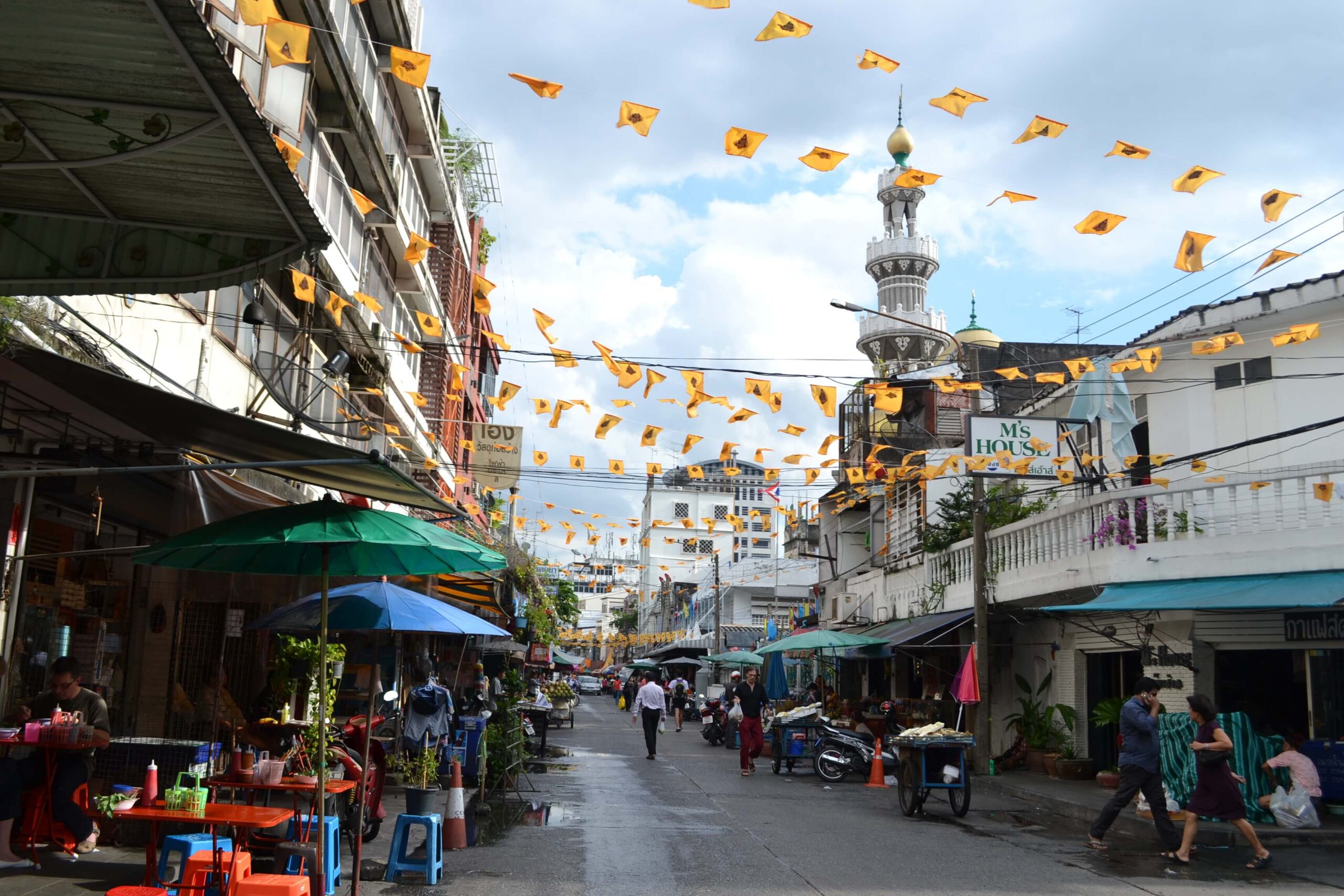
Sustainability and Local Impact: Choosing Ethical Eats
Eating off the beaten path in Bangkok can also be one of the most practical ways to travel sustainably, a philosophy that also shapes our sustainability values. Small, family-run restaurants and street vendors rely on repeat local customers, not volume tourism. Money stays within the community. Ingredients are sourced locally. Waste is minimal because menus are focused and predictable.
Many of these establishments function according to traditions that long precede contemporary culinary trends. They open when the food is ready. They close when it runs out. There’s no incentive to overproduce or overextend. As a traveler, choosing to eat this way naturally aligns you with lower-impact travel, without needing labels or certifications.
This matters more than ever in 2026, as travelers become more conscious of how their presence affects the places they visit. Supporting long-standing local businesses helps preserve food culture that might otherwise be pushed aside by chains or trend-driven concepts.
Beyond Tourist Traps: Discovering the Layers of Thai Cuisine
One of the biggest misconceptions about the Thai food scene is that it fits neatly into a handful of categories. In reality, Bangkok’s food culture reflects migration, adaptation, and overlap. Thai-Chinese cuisine, Isaan food cooked by families who moved to the city decades ago, seafood traditions shaped by trade routes rather than geography — all of this exists side by side.
Exploring hidden gems in Bangkok allows you to experience these layers naturally. A noodle shop might reflect post-war Chinese influence. An Isaan grill in the city might outperform anything you’d find in the region itself. A seafood restaurant might feel frozen in time, preserving a style of dining that has largely disappeared elsewhere.
These experiences also require context. Knowing when to go, what to order, and how to behave matters. Without that understanding, it’s easy to miss what makes these places special or to accidentally disrupt their flow.
Why These Experiences Feel Like a Trip of a Lifetime
There’s a reason these meals stand out long after the trip ends. They are tied to place, people, and memory, not spectacle. They slow you down. They invite you into everyday life rather than keeping you at a distance.
Seven reasons Bangkok’s hidden food gems feel genuinely meaningful in 2026:
- They prioritize flavor and consistency over trends
- They offer calm in a city known for chaos
- They reflect real cultural history, not curated narratives
- They support local families and neighborhoods
- They reward patience and timing
- They encourage human connection, not consumption
- They create memories rooted in experience, not photos
This is also where thoughtful curation makes a difference. Finding these places on your own is possible, but understanding how they fit into a larger journey requires local insight. At Off Path Thailand, we build food experiences around authenticity, not volume. Meals are placed where they make sense emotionally and physically, not just geographically. Transportation, timing, and access are handled so you can focus entirely on the moment in front of you.
Next, we’ll move into the heart of the guide: the off-the-beaten-path food spots in Bangkok that Thai families return to again and again, starting with the noodle shops and street food experiences that shaped my own relationship with the city.
The Best Bangkok Hidden Gems Restaurants and Food Spots
Rung Rueng Pork Noodles, Sukhumvit 26
Just off Sukhumvit Road, near Phrom Phong, Rung Rueng Pork Noodles has been serving Thai-Chinese noodles for as long as I can remember. I used to come here with my parents as a child, and even now it feels unchanged in the ways that matter. It has always been popular with people who live and work in the area, including second-generation Thais like myself who don’t fit neatly into ethnic categories but grew up with food like this as our baseline.
(Michelin-listed.)
What makes Rung Rueng special isn’t just nostalgia. It’s the way Thai and Chinese traditions blend naturally in a single bowl. Their noodles combine the structure and technique of classic Chinese noodle-making with unmistakably Thai flavors, especially tom yum. The pork broth is assertive but balanced, the pork consistently tender, and the seasoning confident without being heavy-handed.
This is not a quiet place. These days, it’s become very popular with Chinese tourists as well, which means it fills up quickly, especially during lunch hours. Sharing a table with strangers is common, and waiting is part of the experience. The key is timing. Go outside of peak lunch hours, and you’ll see the restaurant in its natural setting, serving regulars who know exactly what they’re there for.
This is the kind of place where you don’t linger unnecessarily. You eat well, you leave satisfied, and you understand why it has survived for decades without ever needing to reinvent itself.
Sukhumvit Soi 38: A Food Street That Refused to Disappear
Sukhumvit Soi 38 holds a special place in Bangkok’s street food history. For years, it was a narrow street lined with individual stalls, each specializing in a single dish: chicken rice, yellow pork noodles, grilled satay, mango sticky rice, and traditional Thai drinks to wash it all down. It was casual, affordable, and deeply woven into late-night city life.
As development accelerated in the surrounding area, especially with Thonglor just next door, many assumed Soi 38 would disappear entirely. Instead, it adapted. Most of the original vendors relocated just a short distance away, renting space on the ground floor of a nearby apartment building, barely a 50-meter walk from where the original street was.
The atmosphere changed, but the food didn’t. It remains a favorite stop for people heading home late, party-goers grabbing food after a night out, and locals who know exactly where to look. This kind of evolution is very Bangkok. The setting may shift, but the culture finds a way to continue.
What matters here isn’t a single stall, but the idea of specialization. Each vendor focuses on one dish and does it properly. This is how street food traditions survive, even when physical spaces are forced to change.

Late-Night Legend: Moo Ping Hea Owen, Silom
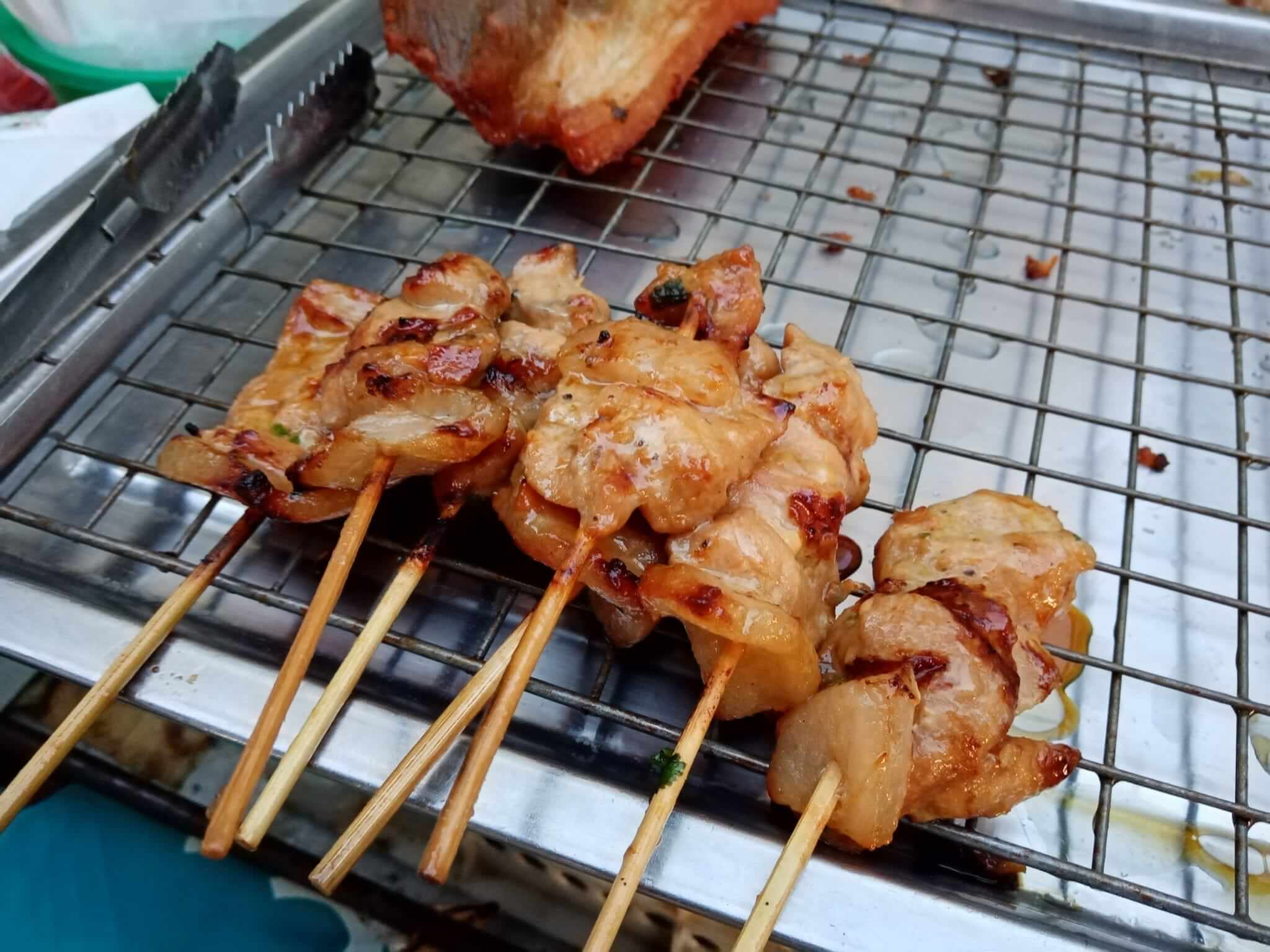
Not all great food experiences happen during regular hours. One of Bangkok’s most legendary street stalls doesn’t even open until late at night. Moo Ping Hea Owen, was located in the Silom area, starts grilling around 8 p.m. and runs well into the early hours of the morning.
The name loosely translates to “the chubby owner’s pork skewer stall,” and while it’s long been a favorite stop for people coming out of clubs, that’s not why it’s respected. The reputation comes down to one thing: the pork, and more specifically, the sauce served on the side.
The skewers themselves are grilled until lightly caramelized, smoky on the outside and still juicy inside. But what makes them memorable is the small plastic bag of sauce you get with your order. That sauce is the real secret. Slightly sweet, deeply savory, and impossible to replicate, it turns something familiar into something people crave. Pair it with sticky rice — always — and the balance is exactly right.
This isn’t a place for options or experimentation. You order pork skewers, you add sticky rice, and you eat them standing or sitting wherever you find space. That’s the ritual. It’s simple, focused, and completely unapologetic.
Late-night food culture like this is easy to miss if you only experience Bangkok during the day. But for locals, it’s an essential layer of the city — where some of the most satisfying meals happen after the streets finally quiet down.
Update: I recently rediscovered the street food legend Hea Ouan Moo Ping, who was previously based in Silom. By chance, I walked past his new spot tucked away in an alley in Sathorn—and he even recognized me. His new location is at https://maps.app.goo.gl/oYKY6caDxQBf2s5s8.
Hidden Street Food Spots in Bangkok (2026 Update)
Bangkok’s street food scene in 2026 is still thriving, but the dynamic has shifted. Some of the most famous stalls are now firmly on the tourist circuit, with long queues and rising prices to match. The real value — and the real flavor — is often found one or two streets away from the main roads.
Hidden street food in Bangkok usually operates in transition spaces: along quieter canal roads, tucked beside local markets, or clustered near residential intersections where regulars already know what’s good. These are not curated “food streets” built for visitors. They are working corners of the city that consistently produce excellent meals.
Some of the Best Street Food in Bangkok Is Still Hidden
When travelers search for the best street food in Bangkok, they often imagine large markets or famous food streets. In reality, many of the city’s most memorable street food experiences grew from very small stalls that earned their reputation slowly, through consistency rather than visibility.
A good example is Im Chan on Sukhumvit 39. What began as a modest neighborhood stall gradually expanded until it occupied much of the street itself, with an additional setup across the road. The food never changed dramatically, but the steady stream of locals returning for the same dependable dishes allowed it to grow organically.
Another well-known story is Sukhumvit Soi 38. For years it was a narrow street filled with independent vendors serving classics like mango sticky rice, grilled satay, and noodle soups. Development eventually forced many of the stalls to relocate, but rather than disappearing, they simply moved a few steps away into a nearby building. The setting changed, yet the food culture survived because the vendors already had loyal customers.
Even highly visible areas tell a similar story. Khao San Road, for example, is famous for its pad thai carts, but most of these vendors started as simple mobile stalls cooking for late-night crowds long before the street became a global backpacker hub. And in Silom, the late-night pork skewers at Moo Ping Hea Owen remain one of the city’s classic after-hours street food rituals, with regulars arriving well past midnight for grilled pork and sticky rice.
These examples show how Bangkok’s street food culture evolves. A stall might start small, move locations, or expand over time, but the best vendors survive because they focus on one or two dishes and execute them consistently. Often, the most rewarding meals are still found just beyond the obvious food streets, where neighborhood cooks quietly maintain the traditions that built Bangkok’s reputation in the first place.
Look for Thai-Chinese noodle shops that open before lunch and sell out by mid-afternoon. Notice late-evening pork skewer carts setting up slightly away from heavy foot traffic. Watch small curry-and-rice stalls serving office workers on plastic stools — the menu may be simple, but the turnover guarantees freshness.
The key difference between tourist-heavy street food zones and true Bangkok hidden gems food spots is rhythm. Popular areas operate at a performance pace. Local vendors operate at a daily-life pace. If you slow down and follow where residents are actually lining up, you’ll often find better prices, shorter waits, and more consistent quality.
In 2026, this quieter layer of Bangkok street food still exists — you just have to step slightly off the obvious path to find it.
Next, we’ll move from informal food spots to hidden restaurants in Bangkok: places where families gather, celebrations happen, and time seems to move a little more slowly.
Top Hidden Restaurants in Bangkok for Quiet, Memorable Meals
Not every meaningful meal in Bangkok happens at a plastic table or late at night. Some experiences call for sitting down properly, sharing dishes, and letting time stretch. The restaurants that matter most to Thai families are often the ones that feel unchanged, where celebrations have happened for decades and the dining room carries memory as much as flavor.
These are not trendy openings or concept-driven spaces. They’re places built on consistency, trust, and familiarity. Some are old-fashioned by design. Others simply never felt the need to modernize.
Chandrphen Restaurant, Rama 4
Of all the places on this list, Chandrphen Restaurant carries the deepest personal history for me. This was my great-grandfather’s favorite restaurant. He came to Thailand as a refugee in 1947, just after the Second World War, and Chandrphen became the place he returned to again and again. Whenever relatives visited from overseas, this was where he brought them. Family celebrations, gatherings, and milestones all seemed to revolve around these tables.
Chandrphen is a Thai-Chinese restaurant in the truest sense. The food reflects generations of adaptation rather than trend. Roasted chicken is the standout, but the broader menu blends Chinese techniques with Thai seasoning in a way that feels effortless rather than deliberate. The flavors are confident and familiar, designed for sharing.
The setting is unapologetically old-school, and that’s exactly its charm. Dining here feels like stepping back into the 1970s. The décor, the service style, even the pace of the meal all reinforce the sense that this is a place that knows exactly what it is. Nothing is rushed. Nothing is performative.
For travelers, this kind of restaurant offers something rare: a chance to experience Bangkok as families have for generations, without the layers of translation that often come with more tourist-facing dining rooms.
Sabaijai (formerly Sabaijai Kai Yaang), Ekkamai Road
Isaan food has always been my favorite style of Thai cuisine. My maternal grandparents immigrated to Khon Kaen (also after WW2) in northeastern Thailand, and the flavors of the region were a constant presence growing up. Grilled chicken, grilled pork, som tam, sticky rice — simple food, but only when it’s done properly.
There’s a saying in Thailand that Bangkok actually has better Isaan food than Isaan itself, because many of the best cooks left their hometowns to earn a living in the capital. Sabaijai, located on Ekkamai Road is proof of that idea.
The restaurant used to be called Sabaijai Kai Yaang. The name still explains everything. Sabaijai translates roughly to a mind or heart at ease, while kai yaang refers to the Isaan-style grilled chicken the restaurant is known for. The food reflects that same sense of confidence and calm. Nothing is overworked. Nothing is dressed up.
The grilled meats are smoky, well-seasoned, and cooked with consistency. The som tam is bold, fresh, and unapologetically spicy. Everything tastes like it’s been made the same way for years, without compromise or adjustment for outside tastes. It’s busy with locals most days, which is usually the clearest signal of quality.
One detail that feels especially telling is how the restaurant handles delivery. They still take phone orders directly, without relying on food apps. Calling is often cheaper, but more importantly, it keeps the relationship personal. It’s a small detail, but it says a lot about how the place operates — quietly confident, efficient, and focused entirely on the food.
Somboon Seafood, Original Sam Yan Branch
Somboon Seafood is another long-standing family favorite. While it’s no longer a secret, it remains firmly rooted in local dining culture. Despite its Michelin listing, it has never become a tourist restaurant. The dining rooms are still filled almost entirely with locals, and it’s common to go an entire meal without seeing or hearing a foreigner.
Even though I’m allergic to seafood myself, this is a restaurant my family continues to return to. Their most famous dish is fried curry crab, served in a rich, aromatic sauce that’s meant to be eaten with rice. Other specialties include deep-fried seabass with sweet fish sauce, stir-fried freshwater prawns with garlic and chili, and steamed squid with spicy lime sauce. The flavors sit comfortably at the intersection of Thai and Chinese traditions.
There are multiple branches now, but the original location in Sam Yan, near MBK, is the one to visit. It feels more grounded, less polished, and closer to how the restaurant originally built its reputation. This distinction matters if you want the experience locals recognize.
These may not qualify as “hidden” in the strictest sense, but they are still primarily known and loved by Thai families. That context makes all the difference.
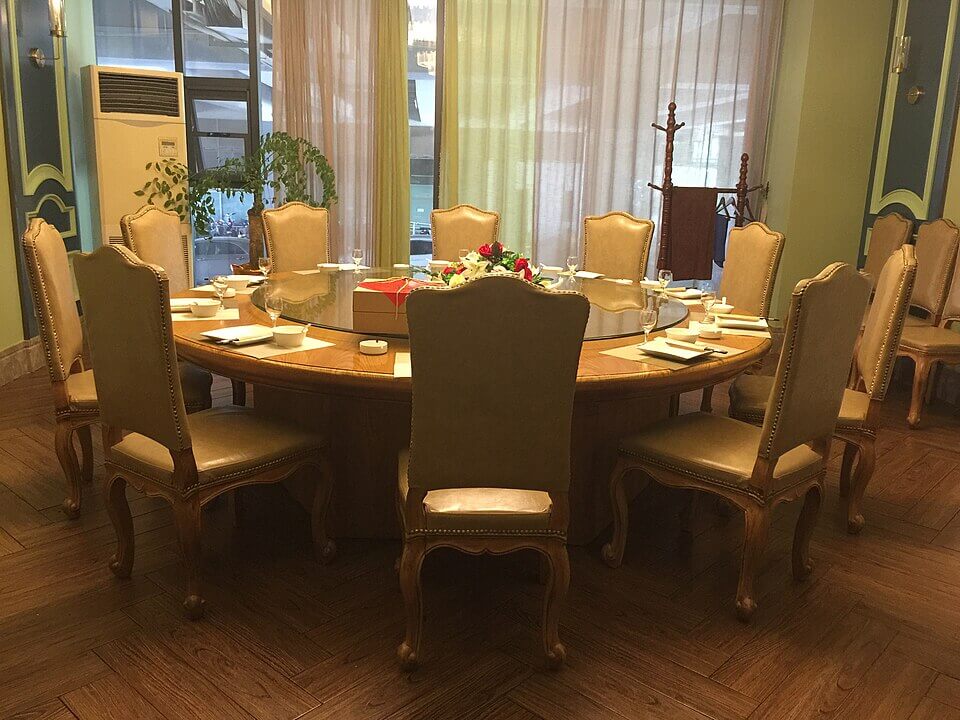
Sornthong Pochana, Rama 4
Another survivor from an earlier era of Bangkok dining, Sornthong Pochana is an old-school seafood restaurant that continues to thrive on loyalty rather than visibility. Located along Rama 4 and accessible from Phrom Phong, it’s known for a very specific dining culture.
This is the kind of place where groups bring their own bottles of whiskey, order generously, and settle in for the evening. The most famous dish is pork satay, and it’s not uncommon to see people lining up outside in their cars, waiting for takeaway orders. These are rarely small orders. A hundred sticks is considered normal.
The food is straightforward, well-executed, and designed for sharing. There’s no pressure to dress up or order creatively. You come here knowing exactly what you want, and the kitchen delivers every single time.
Why These Restaurants Matter
What unites these restaurants isn’t exclusivity or being featured on TikTok. It’s continuity. They’ve survived because they serve their communities well.
Next, we’ll look at how these food experiences connect to quiet, curated tours in Bangkok, and how moving through the city thoughtfully can deepen everything you taste along the way.
Quiet Tours in Bangkok: Curated Off Path Adventures
Food in Bangkok is never just about the dish—it’s about the experience that surrounds it. From the moment you step into the city’s backstreets to the quiet glide along a canal, every bite is enhanced by the journey. This is where a thoughtful, immersive tour transforms a simple meal into a part of your larger adventure.
Ready to taste Bangkok like a local? Discover our Bangkok Foodies Itinerary for a curated experience of the city’s best authentic flavors and hidden gems.
Best Quiet Food-Centered Experiences in Bangkok
Some of the most meaningful food experiences happen when eating is woven into movement rather than treated as a destination on its own.
Hidden food walks through residential neighborhoods
These focus on timing rather than volume. Visiting a noodle shop just after the lunch rush. Stopping by a long-standing stall as it opens for the evening. The goal isn’t to eat constantly, but to eat amazing food.
Private canal and neighborhood combinations
Canal routes reveal parts of Bangkok that still feel unchanged. Pairing a calm boat ride with a family-run restaurant nearby creates a natural flow that mirrors how locals experience the city.
Late-evening street food routes
Bangkok’s food culture shifts dramatically after dark. Late-night stalls, especially those serving one dish exceptionally well, feel entirely different from daytime markets. These experiences work best when planned carefully, not improvised.
A Sample Quiet Day: How It Comes Together
Morning: a relaxed start with local travel options, exploring a neighborhood on foot
Midday: a sit-down meal at a long-standing local restaurant, timed just outside peak hours
Afternoon: light exploration or rest, avoiding the sun and crowds
Evening: a focused food stop, followed by a short walk or canal ride
Late night (optional): one iconic street stall, then back without rushing
This pacing allows each meal to stand on its own, without fatigue or overload.
Walking vs. Vehicle-Based Experiences
| Tour style | Strengths | Limitations |
|---|---|---|
| Walking | Intimate, flexible, immersive | Heat, limited range |
| Vehicle-supported | Comfort, timing control, broader coverage | Less spontaneous |
The right approach depends on energy levels, timing, and goals. The key is balance.
Exploring Hidden Food Spots: Solo vs. With a Private Guide
| Approach | Pros | Cons |
|---|---|---|
| Exploring on your own | Flexibility, spontaneity, lower cost | Harder to time visits, limited context, easy to miss ordering norms |
| With a private local guide | Insider timing, cultural context, smoother access | Less spontaneous, requires planning |
These off-the-beaten-path food spots aren’t difficult to reach, but they are easy to miss. Knowing when a place is at its best, how to order efficiently, and when it’s appropriate to linger or leave makes all the difference. This is where thoughtful guidance turns a good meal into a meaningful experience. If you’re weighing that option, see our honest take on whether a private guide in Bangkok is worth it in 2026.
How We Design These Experiences
At Off Path Thailand, we build Bangkok experiences the same way some locals live their typical day: around flow, not volume. Transportation is private and purposeful. Guides are chosen for their lived knowledge, not just facts. Meals are placed where they make sense emotionally, not simply geographically.
This removes the friction that often turns food exploration into chores. No navigating traffic stress. No guessing what to order. No rushing to “fit everything in.” When the logistics disappear, what’s left is presence.
If you want help mapping a quiet food-focused day around your dates and pace, you can reach us via our Contact Us page.
Alternatively, feel free to contact us via WhatsApp for a quick chat.
Expert Tips for Discovering Bangkok’s Hidden Gems Sustainably
- Eat outside peak hours whenever possible
- Choose places with focused menus and long histories
- Be comfortable sharing tables and space
- Order fewer dishes, but order them properly
- Respect pacing; don’t linger where turnover matters
- Support places that locals return to regularly
- Avoid treating everyday food spots as spectacles
- Ask before taking photos
- Walk when you can; it changes how you notice things
- Let meals anchor the day, not interrupt it
Conclusion: Craft Your Own Hidden Bangkok Experience
Bangkok’s hidden gems aren’t about secrecy. They’re about continuity. When the city quiets down. These experiences offer an authentic version of Bangkok that feels personal, grounded, and real.
For travelers willing to slow down, eat intentionally, and move thoughtfully, the city reveals itself layer by layer. Food becomes a way to understand history, migration, and everyday life, not just flavor.
If you’re planning how long to stay and how much to spend as you move through Bangkok, use the Thailand trip budget calculator to estimate realistic costs before you commit.
If this approach resonates, we design fully customized Bangkok journeys built around quiet exploration, meaningful meals, and seamless logistics. Private guides, private drivers, carefully timed experiences, and access to places that still belong to the people who built them.
If you’re deciding between cities, see our Bangkok vs Chiang Mai 2026 comparison before finalizing your base.
Related reading:
- Day Trips from Bangkok: Quiet Escapes Beyond the City
- Chiang Dao: A Northern Thailand Hidden Gem
- Thailand’s Secret Islands: Off-Path Journeys
FAQ
What are some Bangkok hidden gems for food lovers?
Bangkok has countless local-only food pockets beyond the usual restaurants. Talad Noi’s third-generation vendors serve old-school dishes along narrow alleys, while Sampeng Lane offers morning snacks and Chinese-Thai sweets in tiny bustling passageways. At night, Sukhumvit 38 and W District still deliver authentic street flavours, and the Srinakarin Train Market remains one of the best places for grilled seafood and regional dishes without the tour groups.
Where can I find peaceful Bangkok hidden gems away from malls?
Wat Prayoon in Thonburi offers calm spaces, shaded pathways, and a turtle pond where visitors can feed the turtles with small packets from the entrance. For wider green escapes, Bang Krachao’s cycling paths, Phutthamonthon’s vast gardens, the Rose Garden’s riverside cultural grounds, and the Bang Pu recreational area all provide quiet, open-air environments that feel far removed from the city. These peaceful corners of Bangkok are ideal for slow travel and gentle half-day breaks from urban life.
Are there Bangkok hidden gems for art and history?
The Bangkokian Museum in Bangrak preserves two 1930s Thai-Chinese homes with original furniture and personal artefacts. For additional intimate cultural stops, the Thailand Creative & Design Centre (TCDC) and the Museum of Floral Culture offer beautifully curated exhibitions that most visitors overlook. Weekday visits allow space to explore quietly.
How do I explore Bangkok hidden gems sustainably?
Cycling the Khlong Toei greenway at dawn is one of the most sustainable ways to explore hidden Bangkok. Pair this with BTS Skytrain or MRT day passes, which reduce traffic impact and make it easy to reach quieter neighbourhoods. Electric tuk-tuks and eco-friendly rideshare services are perfect for short trips between canals, temples, and markets. These choices help keep Bangkok’s hidden corners calm, clean, and enjoyable for both travellers and locals.
About the author
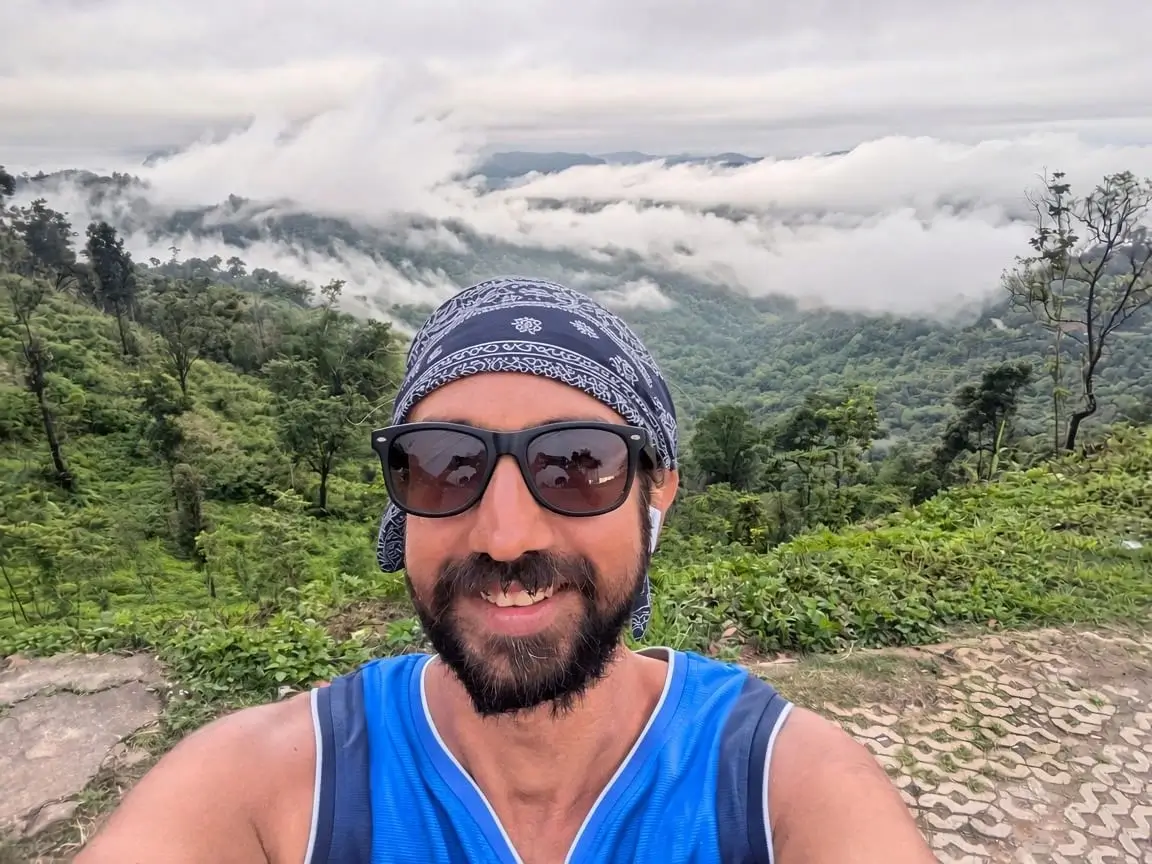
Written by Dee, Thai-born founder of Off Path Thailand. My life changed after renting a scooter in Chiang Mai nearly a decade ago. I still remember the moment my jaw dropped at the natural beauty around me — riding into the distance with mountains on both sides felt more alive than any PS4 game I had ever played. Since that day, I’ve been hooked on this kind of travel — because there’s so much wonder to discover in Thailand’s quiet, hidden places. I’ve spent close to ten years exploring these off the beaten path corners and helping others experience parts of the country that feel far more meaningful than the usual tourist stops. About the founder
Prefer a quick chat?
Message us directly on WhatsApp
If you already have an idea of your trip, send us a message — we’ll guide you through the best options for your travel style.
Chat on WhatsAppTell us your dates and vibe — Our team replies within 24 hours to begin crafting your trip.
Leave everything to us and experience Thailand Off The Beaten Path
Every journey leaves a footprint — the difference is in how we choose to travel. At Off Path Thailand, we focus on keeping those footprints light. Discover how sustainable travel in Thailand connects comfort with care.