
Last Updated: September 18, 2026
Thailand Off The Beaten Path
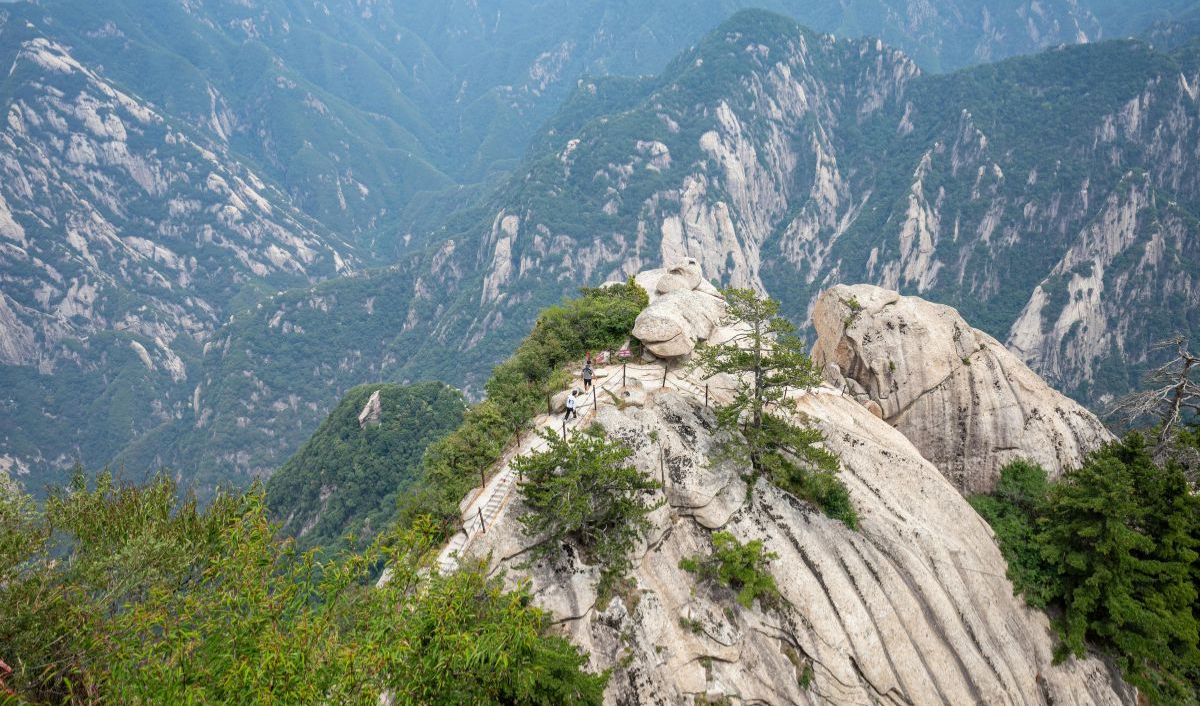
TL;DR: Thailand off the beaten path isn’t an Instagram filter, it’s a different map entirely. Off Path Thailand is about Bangkok neighborhoods where locals actually live, provinces like Ratchaburi and parts of Kanchanaburi that most travelers zoom past on the highway, and islands like Koh Kood that haven’t been “discovered” yet. This guide breaks down where to go, why it beats the tourist-trail version, and how to actually pull it off, including as a custom private trip.
- Thailand Off The Beaten Path
- Why Most Travelers Miss the Real Thailand
- Bangkok Off the Beaten Path
- Best Thailand Off the Beaten Path Destinations
- Nan: Cultural Haven in the Northern Valleys
- Nan
- Map of Nan
- Pranburi & Sam Roi Yot: Caves Beyond Hua Hin
- Pranburi
- Map of Pranburi
- Cha-am: The Beach Town Locals Actually Use
- Cha-am
- Map of Cha-am
- Ratchaburi: Sacred Caves and a Border Town Hot Spring
- Ratchaburi
- Map of Ratchaburi
- Kanchanaburi: Beyond the Bridge Over the River Kwai
- Kanchanaburi
- Map of Kanchanaburi
- Uthai Thani: A Hot Spring Escape Near Bangkok
- Uthai Thani
- Map of Uthai Thani
- Chiang Dao: The North's Quietest Corner
- Chiang Dao
- Map of Chiang Dao
- Koh Kood: The Island Alternative to Koh Lipe
- Koh Kood
- Map of Koh Kood
- Map of Hidden Thailand
- Message us directly on WhatsApp
- Practical Tips for Traveling Thailand Off the Beaten Path
- How I Can Help You Plan a Custom Private Trip
- Frequently Asked Questions
- Is Thailand off the beaten path travel safe?
- Do I need to speak Thai to travel Thailand off the beaten path?
- What's the best way to plan a Thailand off the beaten path trip?
- Is Thailand off the beaten path travel more expensive than the usual tourist route?
- How much time should I set aside for Thailand off the beaten path destinations?
- Can you help plan a fully custom Thailand off the beaten path itinerary?
- Is it safe for Americans to go to Thailand right now?
- Is Thailand affected by the Iran War?
- What is the 3 day rule in Thailand?
- Where not to go in Thailand at the moment?
- Is $30,000 enough for a Thailand trip?
- Is $3000 a month enough to live in Thailand?
- Leave everything to us and experience Thailand Off The Beaten Path
Searching for Thailand off the beaten path usually turns up the same handful of places, repeated across a dozen blogs, most written by people who spent a week in the country and never left the tourist circuit. I’ve lived in Thailand my whole life. I still ride out to find places most Thais haven’t heard of, let alone foreign visitors — and the gap between what gets marketed as “hidden gems” and what’s actually hidden is bigger than most people realize.
This is genuinely how I travel, and I wouldn’t do it any other way: as a second-generation Thai, I’ve learned there’s always more to know about my own country, and my first trip to Chiang Mai proved it, introducing me to hill tribe communities I’d never interacted with despite my heritage, a warmth in the people that felt entirely different from anything I’d known, and landscapes that reshaped how I saw Thailand off the beaten path.
That trip is the reason Off Path Thailand exists. The best part of traveling this way is the sustainability behind it. Staying in family-owned guesthouses instead of big resorts means you leave a small footprint, and your money goes directly to the families who live there, not to corporations who know very little about the people or the land they’re built on. Places like this are every bit as spectacular as Phuket or Samui, they’re just waiting to be discovered respectfully, on their own terms.
This isn’t a list assembled from other people’s blog posts. Every place in this guide, I’ve actually been to myself — the sacred snake cave in Ratchaburi where I sat in meditation, the hot spring in Kanchanaburi I rode a motorbike 120km to get to, the border town I reached by a two-hour local train. This guide covers why going off the beaten path in Thailand matters, where to actually go — in Bangkok and beyond — and how to do it properly, including as a custom private trip.
For a deeper dive into the capital itself, our full guide to off the beaten path Bangkok covers the neighborhoods, canals, and markets that rarely make it onto a typical itinerary. Getting around is half the fun once you know the ropes, see our full Bangkok transportation guide for routes, fares, and honest tips on the BTS, MRT, canal boats, and more.
Why Most Travelers Miss the Real Thailand
Most people miss the real Thailand for a simple reason: they play it safe. They go where everyone else has gone, book the places that show up first in every list and every feed, and call it a trip. But that isn’t what advanced travel is about, and it isn’t what real travel is about either. Anyone can book a fancy resort, park themselves by the pool for a few days, and leave having seen almost nothing of the country they flew across the world for. Real travel means being willing to go somewhere you can’t fully picture yet, trusting that the unfamiliar is usually where the actual experience is waiting.
I spent a good part of my twenties doing what a lot of people my age in Bangkok did — going overseas for nightlife and novelty. Singapore, Japan, South Korea. It wasn’t until my early thirties, coming back from those trips, that I looked at my own city with the same curiosity I’d been giving everyone else’s. Bangkok unfolded in a way I hadn’t expected. I gravitated toward exploring Thailand off the beaten path—the spots that weren’t staged for tourists and the places that weren’t “Instagram worthy” by design.
What surprised me most was this: I grew up in Thailand, I’d lived in Bangkok my entire life, and I still didn’t fully understand my own culture until I started seeking out authentic Thailand travel experiences over the curated ones. Talking to people who weren’t there to sell me something changed how I understood locals — even people from my own country. That’s the real case for going off the beaten path. It’s not about bragging rights for finding somewhere obscure. It’s a better way to actually see a place for what it is.
Why Explore Thailand Off the Beaten Path?
- Real interactions, not transactions. Vendors and locals in non-touristy areas aren’t performing for you — conversations happen because people are curious, not because they’re selling something.
- Fewer crowds, more presence. A quiet cave, a nearly empty hot spring, a beach with no beach clubs — these places let you actually experience them instead of photographing them and moving on.
- Lower cost, often better quality. Local restaurants, homestays, and hot springs in non-touristy provinces are usually cheaper and more genuine than their heavily-marketed counterparts.
- A more honest picture of the country. Tourist zones are curated. Everywhere else is just… Thailand, as it actually is.
Before locking in a route, the Thailand hidden gem beaches guide is worth a read — it covers the specific beaches on each island that most visitors never find, with getting-there details for each.”
If you’re thinking of visiting the most popular towns in northern Thailand, have a look at our Chiang Mai vs Chiang Rai comparison article.
Bangkok Off the Beaten Path
Bangkok is where this shift in how I traveled started, so it feels right to begin here. Most first-time visitors see Sukhumvit, Khao San Road, and a handful of temples, then leave thinking they’ve seen the city. They’ve seen a version of it — the one built for them.
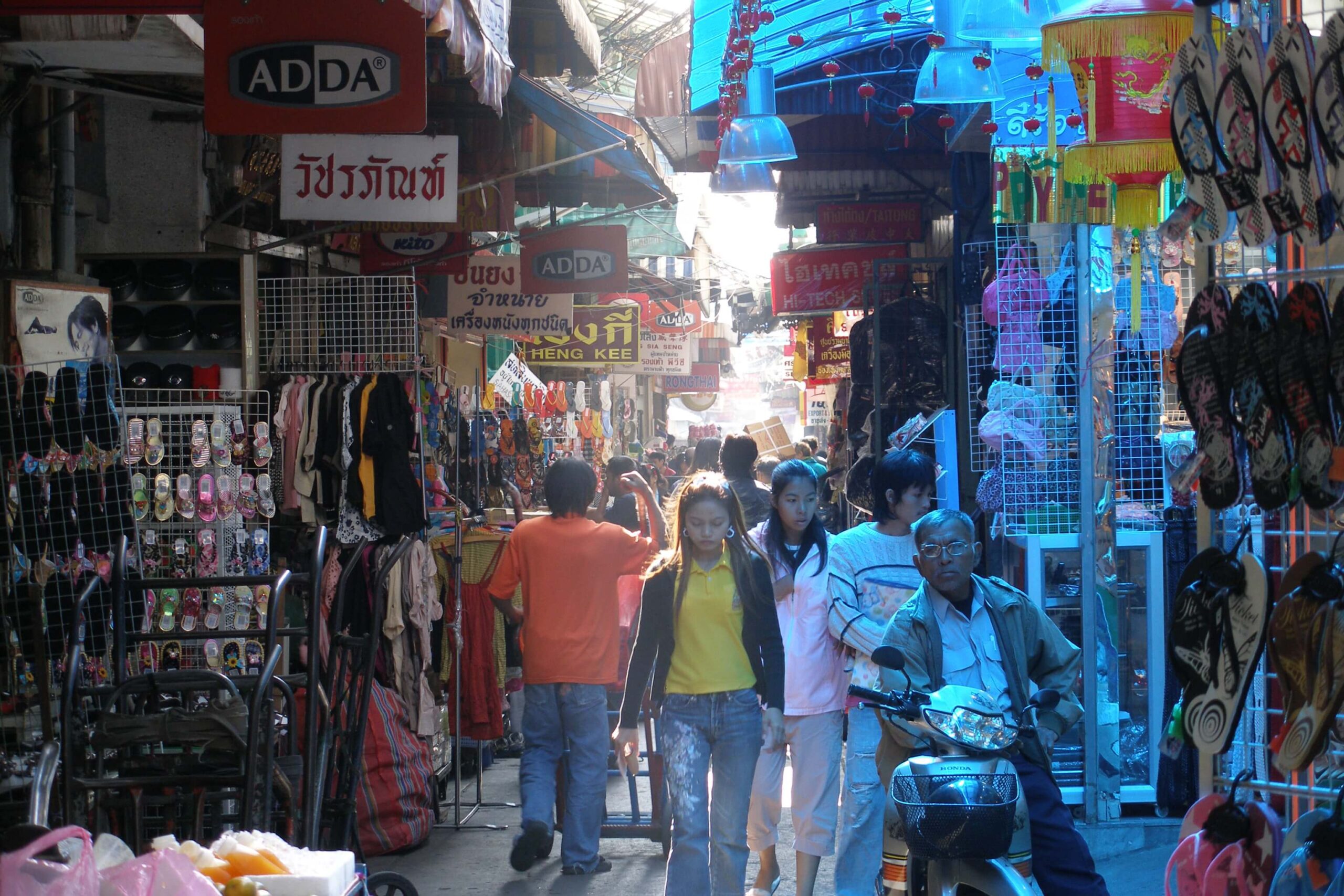
Bangkok off the beaten path looks different. It’s the old shophouse neighborhoods where multi-generational Thai-Chinese families still run the same businesses their grandparents started — Sampheng Market is a good example, one of the oldest trading streets in the city. It’s canal-side communities accessible only by longtail boat, where the pace of life hasn’t changed much in decades. It’s markets that serve the neighborhood, not the tour groups.
While you’re here, you should check out our article on traveling Bangkok off the beaten path to find hidden gems.
Neighborhoods and Experiences Worth Seeking Out
- Old shophouse districts — narrow lanes of century-old buildings, small family-run shops, and street food stalls that have no English menu and don’t need one.
- Canal communities — a longtail boat ride away from the tourist center but a world apart in pace and atmosphere.
- Local wet markets — not the “floating market” tour bus version, but the ones where Bangkok residents actually buy their groceries at 6am.
- Neighborhood temples — smaller, quieter, and often more atmospheric than the major tourist temples, without the crowds or the entrance queues.
I’ve written a more detailed breakdown of these areas in my Bangkok neighborhoods guide, and if quiet local markets are more your interest, my hidden local markets piece goes deeper into specific ones worth visiting. For a slower morning, my quiet cafés guide covers spots locals actually work and read in, rather than cafés built for photos.
Bangkok
-
Best time to visitNovember to February, cooler and drier, best for walking neighborhoods and canal trips without the heat.
-
How to get thereSuvarnabhumi or Don Mueang airport, both well connected internationally with easy transfers into the city.
-
Best way to travelBTS Skytrain and MRT for the city center, longtail boats for the canals, and a Grab ride for anything in between.
-
Things to doExplore Grand Palace and Wat Pho, ride a longtail boat along Chao Phraya, sample street food in Chinatown, and visit Chatuchak Market.
-
Location Bangkok, Thailand’s capital, on the Chao Phraya River in the country’s central plains.
Google Maps · TAT Official Page
Map of Bangkok
Best Thailand Off the Beaten Path Destinations
Beyond Bangkok Click to open side panel for more information
Beyond Bangkok, some of the best places for Thailand off the beaten path travel aren’t hidden because they’re hard to find. They are hidden because most travelers simply don’t think to look. These are provinces I have personally spent time exploring, specifically chasing the kind of authentic experiences that don’t show up in typical itineraries.
Nan: Cultural Haven in the Northern Valleys
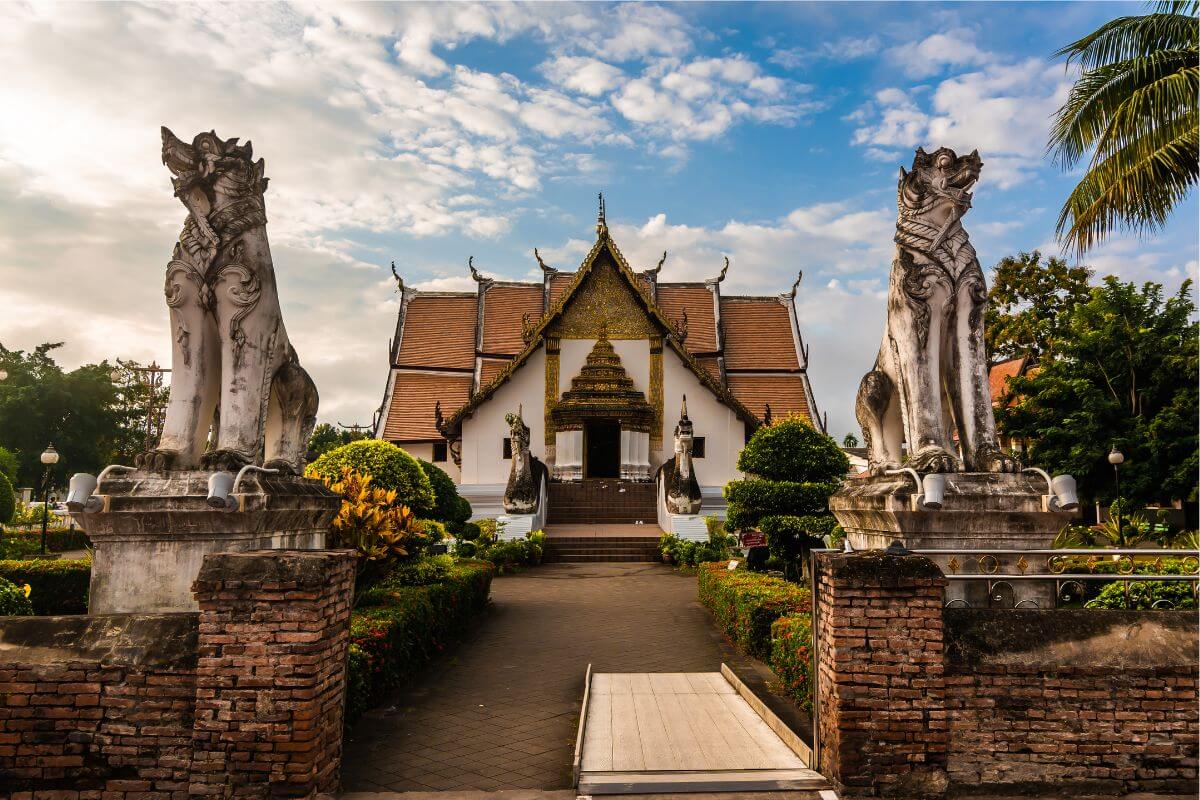
Nan is one of the slowest-paced provinces I’ve spent time in — shaped by its history as a once-independent kingdom, which is rare to say about any Thai province. It sits about four hours from Chiang Mai, but it feels much further removed than that, carrying centuries of Lanna tradition in its language and its pace of life.
Wat Phumin, Nan’s most famous temple, isn’t impressive for its size — it’s impressive for its intimacy. The murals on its walls depict everyday Lanna life rather than grand religious scenes, and there’s rarely more than a handful of other visitors there at any given time.
A tip from a juice-bar owner in Chiang Mai once sent me on a scooter journey out to Sapan Waterfall. The first 50km out of town tested my patience — narrow roads, flat stretches, scattered villages, and a genuine temptation to turn back. Then the road opened into a valley that looked like it belonged in a different film entirely. That valley, more than the waterfall itself, is what I remember most vividly from that trip.
My full Nan itinerary maps out a slower route through the province’s quiet roads and mountain viewpoints, and the Nan destination guide covers more of what makes the area worth the drive. Read my Nan Travel story here.
Nan
-
Best time to visitNovember to February, when the valley is cool and the rice terraces are green.
-
How to get thereFly Bangkok–Nan (about 1.5 hours), or take a scenic bus from Chiang Mai.
-
Best way to travelRent a scooter or hire a local driver. The valley roads are quiet and mountain views are worth the extra time.
-
Things to doVisit Wat Phumin, explore the scenic rice terraces in Pua, stargaze at Doi Samer Dao, and walk through the Nan Night Market.
-
Location Nan Province, Northern Thailand (bordering Laos, ~670 km north of Bangkok).
Google Maps · TAT Official Page
Map of Nan
Pranburi & Sam Roi Yot: Caves Beyond Hua Hin
I grew up thinking I knew Hua Hin — my family vacationed there every year, same restaurants, same stretch of beach. It wasn’t until a solo trip in my early thirties that I kept driving south past the usual turnoff, and that decision changed how I saw the whole coastline.
Khao Tao, a lakeside neighborhood ringed by mountains, was the first surprise — quiet beaches, a seaside cave temple on the hill, and a noticeably more relaxed pace than Hua Hin just up the road. From there, the coastal road led me into Khao Sam Roi Yot National Park, Thailand’s first coastal national park.
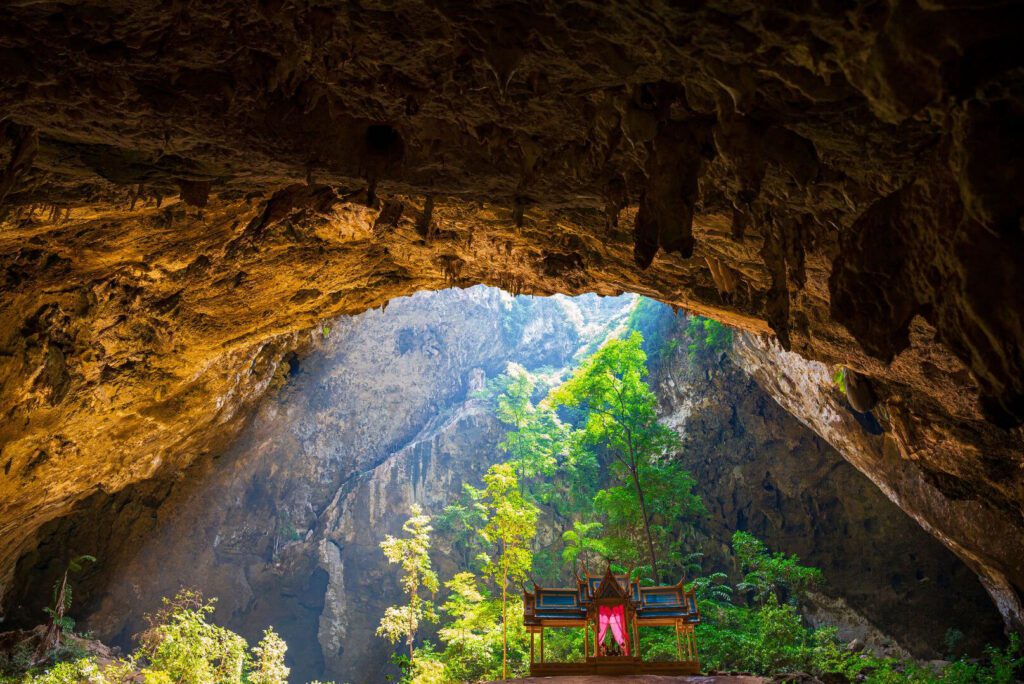
Inside the park, I hiked to Phraya Nakhon Cave in flip-flops, with no plan and no idea what I was walking into. A tiny royal pavilion built for Rama V sits inside the cave under a natural opening in the rock, where sunlight streams down dramatically during the first few months of the year. Standing there felt like nature and human craftsmanship meeting in a way I hadn’t seen anywhere else in Thailand.
Most travelers never get past Hua Hin, which is exactly why this stretch of coast stays this quiet. My Pranburi itinerary maps out a relaxed route through Khao Tao, Sam Roi Yot, and the quieter beaches beyond Hua Hin, and the Pranburi destination guide goes deeper into the area.
Pranburi
-
Best time to visitNovember to April, dry season with calm seas and clear skies over Sam Roi Yot.
-
How to get thereAbout a 3 hour drive south from Bangkok, or a bus to Hua Hin followed by a short taxi.
-
Best way to travelA rented car works best here, roads are quiet and it makes reaching Sam Roi Yot and the mangroves easy.
-
Things to doHike to Phraya Nakhon Cave, walk the Pranburi Forest Park mangrove boardwalk, relax on Pak Nam Pran beach, and explore Khao Sam Roi Yot.
-
Location Prachuap Khiri Khan Province, just south of Hua Hin on the Gulf of Thailand.
Google Maps · TAT Official Page
Map of Pranburi
Cha-am: The Beach Town Locals Actually Use
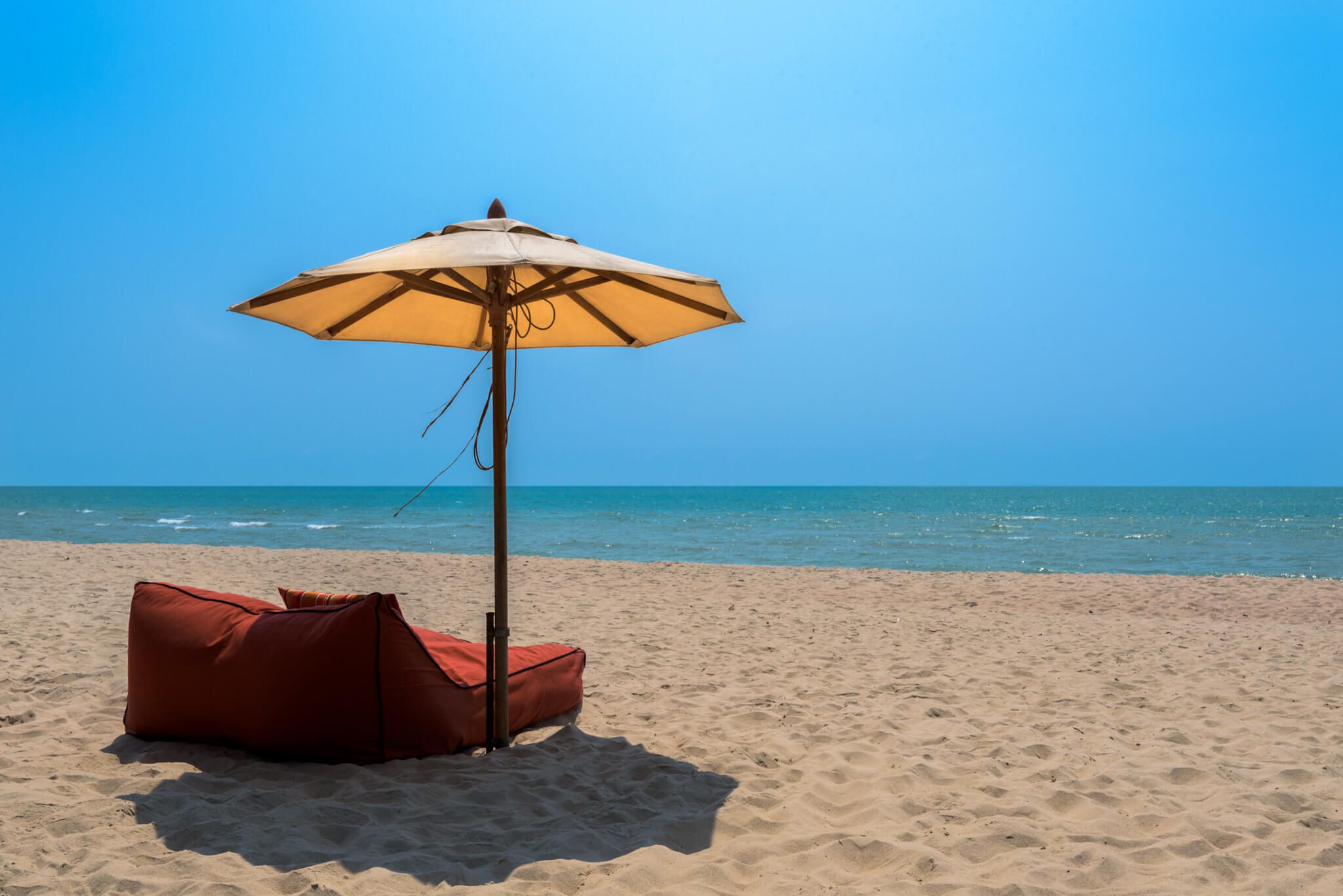
I’ve been coming to Cha-am since I was about ten years old, and I still base myself here most of the year when I’m not in Bangkok. It sits in Phetchaburi province, right before Hua Hin, and it’s mostly visited by Thais rather than foreign tourists — which shows in the pace, the night markets, and the noticeably calmer beaches.
The water here isn’t the turquoise you’ll find on the southern islands, and that’s not really the point. It’s a 30-minute drive to Hua Hin if you want a change of scenery, and a straightforward 2.5-hour drive south from Bangkok, which makes it one of the easiest genuinely local beach towns to reach from the city.
If you’re short on time, Cha-am also features in my quiet beach day trips from Bangkok guide.
Cha-am
-
Best time to visitNovember to February, cooler and drier, with calm water along the long beach promenade.
-
How to get thereAround 2.5 hours by car or bus from Bangkok, just north of Hua Hin.
-
Best way to travelA bicycle or scooter is enough here, the beach road is flat and low-traffic compared to Hua Hin.
-
Things to doCycle along the beach promenade, visit the teakwood Mrigadayavan Palace, sample fresh local seafood, and visit Cha-am Forest Park.
-
Location Phetchaburi Province, on the Gulf of Thailand, about 20 minutes north of Hua Hin.
Google Maps · TAT Official Page
Map of Cha-am
Ratchaburi: Sacred Caves and a Border Town Hot Spring
I’d driven past Ratchaburi for years on the way to Hua Hin and the south, never once stopping. That changed with two separate trips.
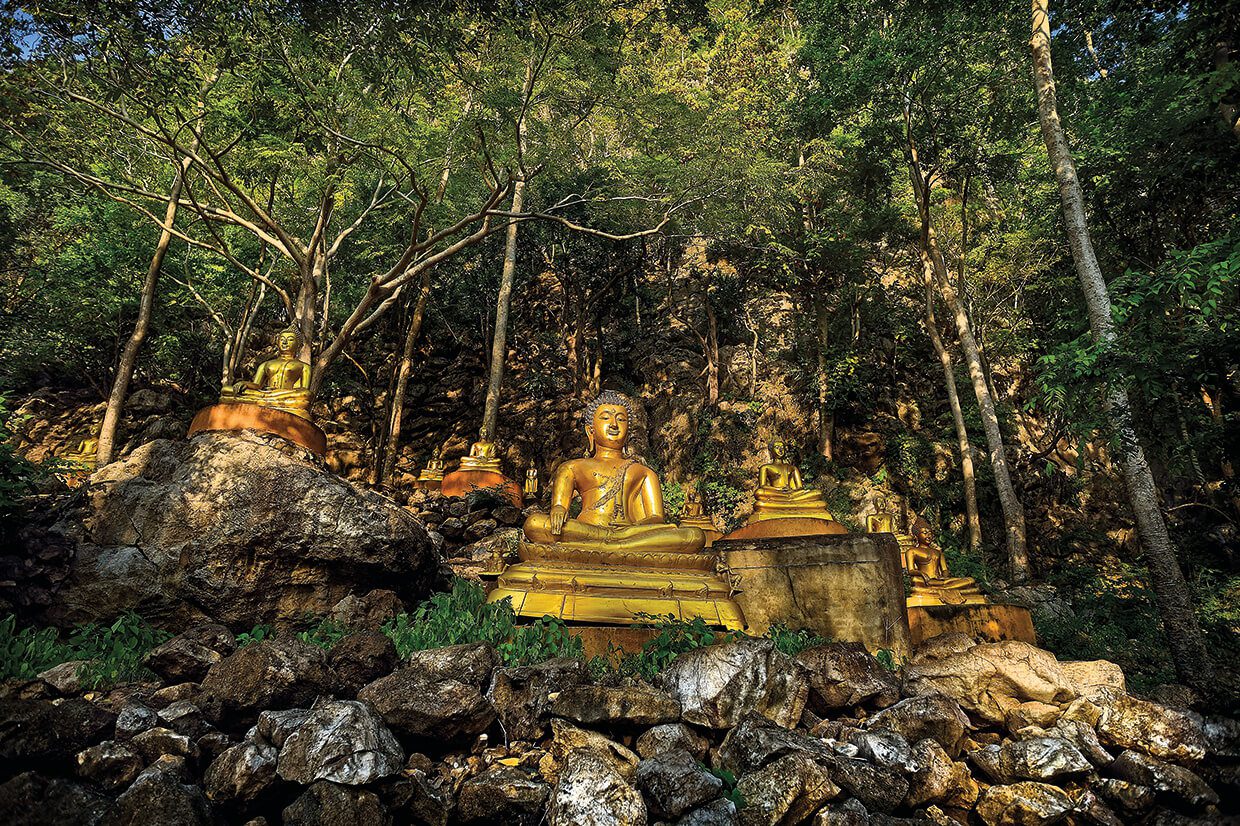
The first was to Khao Ngu — “Snake Mountain” — right in the city center. It’s a small mountain with a lake surrounding it, sacred caves holding Buddha statues, and troops of monkeys roaming the grounds. I sat in meditation inside one of the caves, and it was genuinely one of the most sacred experiences I’ve had in Thailand. There were no crowds, no entrance fee lines, just the stillness of the cave and the sound of the lake outside.
The second trip took me further out. I took the local train from Cha-am, where I spend most of my year — about a two-hour ride — and continued from Ratchaburi city out toward the Myanmar border, to a town called Suan Phueng (“Bee Garden”). I was chasing hot springs, as I usually am. It was a day trip, so my time was limited, but I got to wander the charming small town, stop at a local coffee shop, and visit one of the area’s two hot springs.
Honestly, the hot spring itself was decent, not exceptional — more of a swimming pool filled with hot spring water than a natural setting. There’s a waterfall nearby I didn’t have time to reach, since I needed to catch the van back to Cha-am before dark. Still, experiencing this quiet side of Thailand off the beaten path made the journey and the town completely worthwhile, and it’s definitely on my list to return to properly.
Ratchaburi
-
Best time to visitNovember to February, cooler days for the floating markets, caves, and riverside temples.
-
How to get thereAbout 1.5 to 2 hours by car or bus southwest of Bangkok, often bypassed on the way to Hua Hin.
-
Best way to travelA car or private driver covers the spread-out sights best, from Damnoen Saduak’s markets to Khao Ngu’s caves.
-
Things to doVisit Damnoen Saduak Floating Market, walk the limestone bridges at Khao Ngu Stone Park, and explore the mountain cafes in Suan Phueng.
-
Location Ratchaburi Province, southwest of Bangkok, bordering Myanmar to the west.
Google Maps · TAT Official Page
Map of Ratchaburi
Kanchanaburi: Beyond the Bridge Over the River Kwai
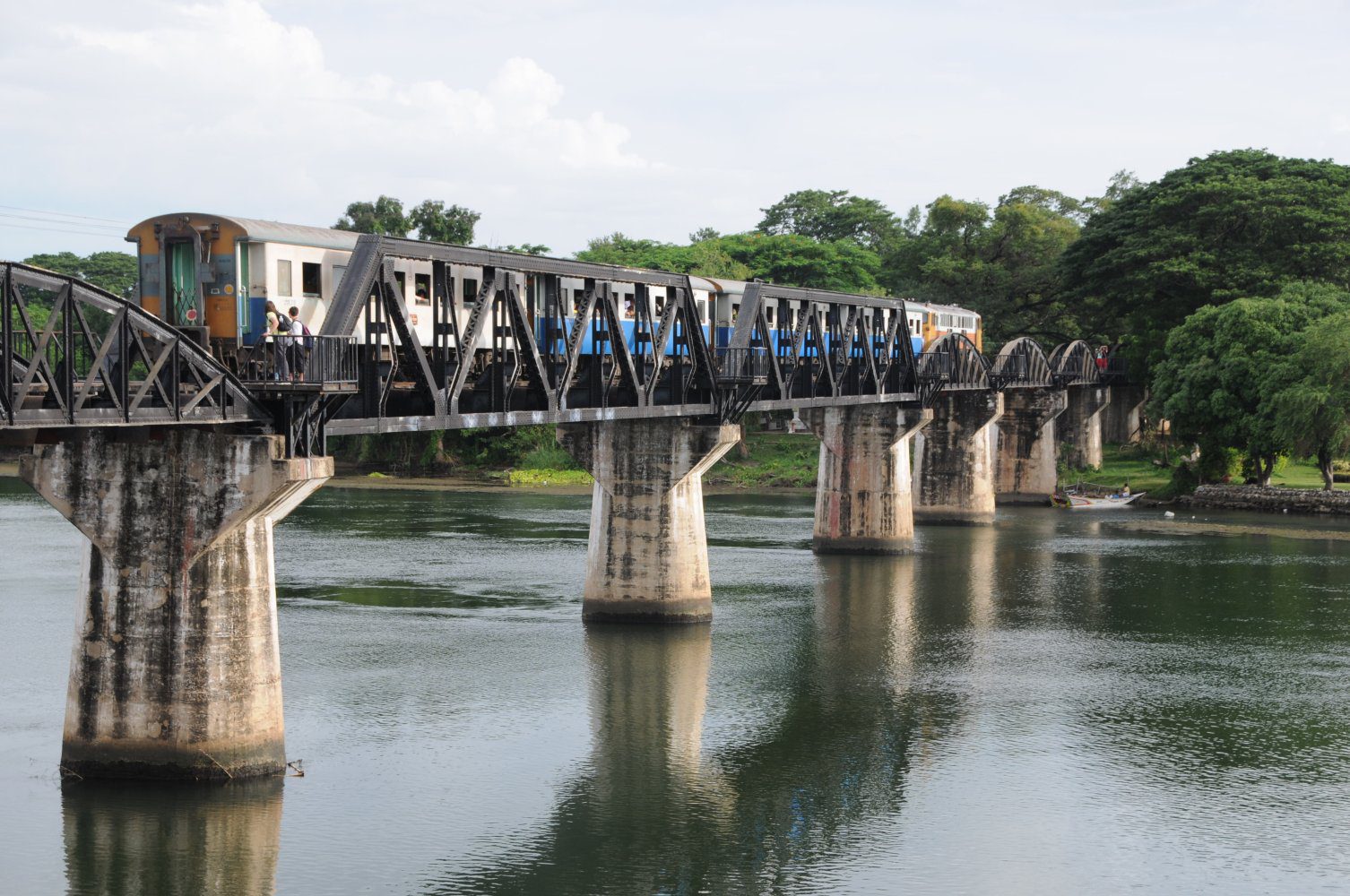
Kanchanaburi is popular enough to not really count as “hidden” on paper, but it’s a large province, and most visitors never leave the small radius around the Bridge over the River Kwai and the Death Railway Museum. On a recent trip I also trekked Erawan Falls all the way to its seventh level, in flip-flops — spectacular, and far less crowded once you get past the first two tiers where most day-trippers stop.
The Hin Dat hot springs have a genuinely interesting history: they were discovered by Japanese soldiers during their WWII occupation of the area and designated as an R&R station for their troops. The springs sit around 120km north of Kanchanaburi’s city center, in a proper nature area with three thermal pools and a river running alongside to cool off in.
I rode my motorbike out from Bangkok in search of it — two days easing into the trip, then a 120km ride north on the third day. It’s genuinely one of the best trips I’ve done in the last couple of years, and the springs themselves reminded me a lot of the Sai Ngam hot springs near Pai — natural, uncrowded, and worth the effort to reach. I still did the standard Kanchanaburi stops on that trip too — the Death Railway Museum, the actual bridge — but Hin Dat was the real highlight, the kind of place I ride for.
Kanchanaburi
-
Best time to visitNovember to February, cooler weather for waterfalls, jungle hikes, and the river.
-
How to get thereAbout 2 to 3 hours by car or bus from Bangkok, or the scenic Death Railway train.
-
Best way to travelA car or private driver for the day trip circuit to falls, temples, and the river crossing.
-
Things to doSwim at seven-tiered Erawan Falls, walk across the Bridge over the River Kwai, ride the Death Railway train, and visit Hellfire Pass.
-
Location Kanchanaburi Province, about 130 km west of Bangkok, bordering Myanmar.
Google Maps · TAT Official Page
Map of Kanchanaburi
Uthai Thani: A Hot Spring Escape Near Bangkok
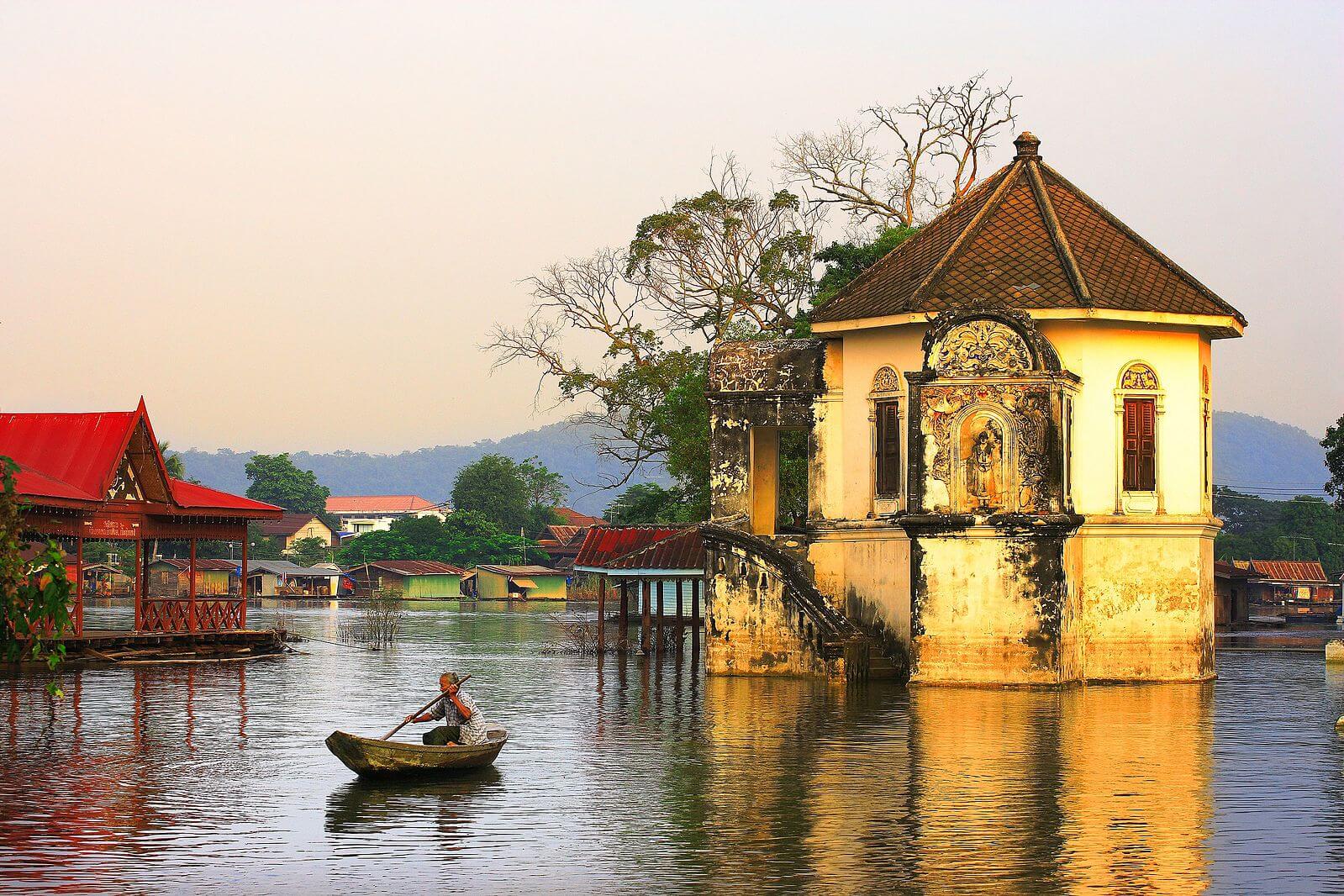
Uthai Thani came about from pure necessity. I was craving a Chiang Dao-style hot spring and scooter trip, but the flights, the extra days off, and the added expense made it feel like more than I wanted to commit to at the time. Uthai Thani turned out to be the answer — close enough for a genuine escape from Bangkok without the logistics of flying north.
The town itself looks ordinary at first, similar in feel to Nan but with virtually no tourism. The ride out to Samor Thong Hot Spring is what changed that — rolling hills, quiet country roads, and mountains rising in the distance, with barely another vehicle on the road the whole way. Bathing options start at just 30 baht, and like most natural springs in Thailand, the water carries a distinct sulfur scent, worth a proper shower afterward.
Most travelers skip Uthai Thani entirely in favor of Ayutthaya or Kanchanaburi when they’re looking for something near Bangkok. That’s exactly why it’s stayed this quiet — close enough to reach in a few hours, far enough from the usual routes to feel like a genuine discovery.
Uthai Thani
-
Best time to visitNovember to February, dry and cool for the forests and river-raft villages.
-
How to get thereAbout 3.5 hours by car or bus north of Bangkok, a quiet detour most travelers skip entirely.
-
Best way to travelA car is best for reaching Huai Kha Khaeng and the Sakae Krang riverfront, sights are spread out.
-
Things to doMarvel at the Crystal Hall in Wat Tha Sung, cruise past the Sakae Krang floating raft community, and explore the ancient prehistoric valley at Hup Pa Tat.
-
Location Uthai Thani Province, in Thailand’s lower north, bordering Nakhon Sawan and Tak.
Google Maps · TAT Official Page
Map of Uthai Thani
Chiang Dao: The North’s Quietest Corner
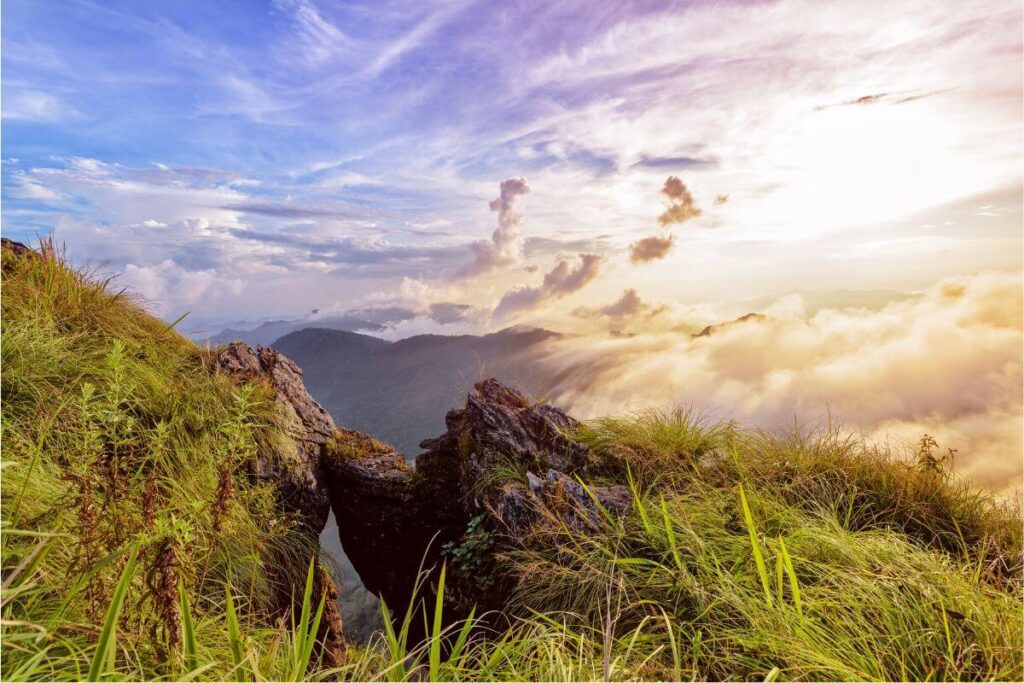
Northern Thailand outside Chiang Mai city has been the focus of a lot of my time over the past few years, and Chiang Dao is one of the clearest examples of how different the north feels once you leave the well-worn Chiang Mai–Pai loop.
Chiang Dao sits in the shadow of Thailand’s third-highest mountain, with caves, quiet villages, and a noticeably slower pace than Chiang Mai just an hour and a half away. I’ve written in more depth about it in my Chiang Dao private guide, and the Chiang Dao Caves page covers one of the area’s most requested stops.
If northern Thailand has a single place that captures everything the region does best, it’s Chiang Dao. This is where limestone peaks rise straight out of the valley floor, streams cut through farmland still worked by hand, and the air carries that particular coolness you only get this far north. The hot springs here feel earned rather than curated, tucked into forest rather than built up for tourists, and the cave system beneath the mountain is genuinely world-class, a network of chambers and passages that rivals anything else in the country. It’s the kind of place that makes you understand why people fall for northern Thailand in the first place, and why so few travelers ever make it this far.
Chiang Dao
-
Best time to visitNovember to February, when mornings are cool enough for mist over the valley and the cave stays comfortable to explore.
-
How to get thereAbout 1 to 1.5 hours by car or minivan north of Chiang Mai city.
-
Best way to travelRent a scooter or car, the roads wind through valley and forest and are best enjoyed at your own pace.
-
Things to doExplore limestone caverns at Chiang Dao Cave, soak in Pong Arang Hot Springs, climb Wat Tham Pha Phaung, and gaze up at monumental Doi Luang Chiang Dao.
-
Location Chiang Mai Province, in the shadow of Doi Chiang Dao, one of Thailand’s highest peaks.
Google Maps · TAT Official Page
Map of Chiang Dao
Koh Kood: The Island Alternative to Koh Lipe
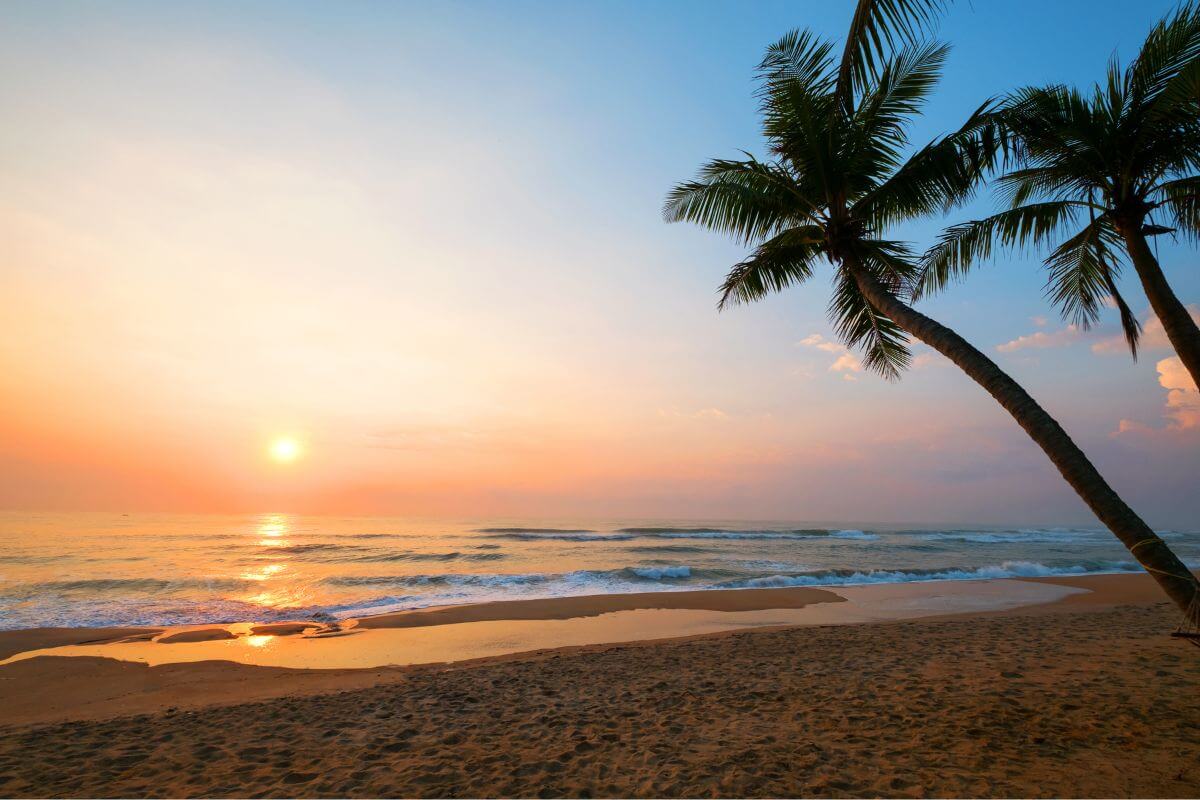
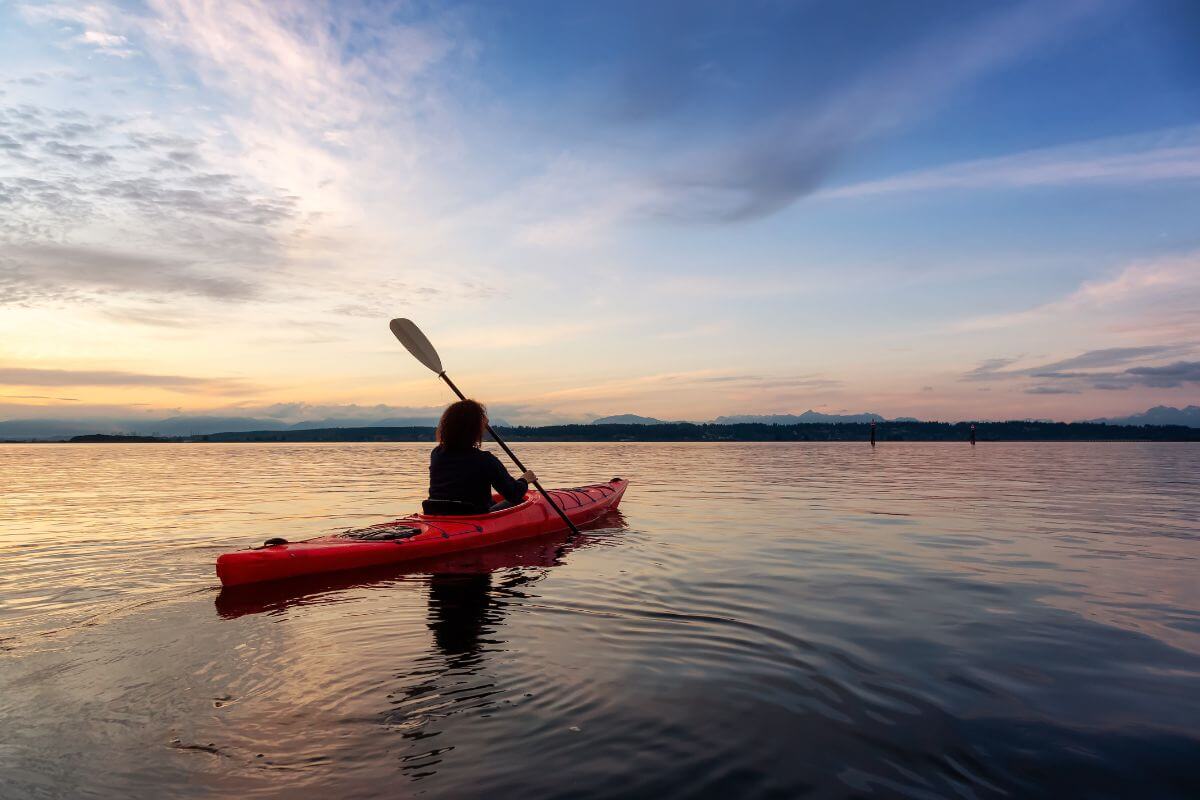
A client recently asked me about visiting Koh Lipe, and I gave her the honest answer rather than the easy one. Koh Lipe is genuinely the most beautiful island in Thailand — nearly Maldives-level beautiful — but as a destination for Thailand off the beaten path travel, getting there is a real undertaking. You fly or bus to Hat Yai, then take a bus to the ferry port, and finally a ferry to the island itself. Once you’re there, it’s a small island with limited things to actually do beyond the beaches.
Instead, I pointed her toward two easier alternatives. Similan Islands, off the coast of Krabi, are stunning, though currently only accessible as day trips. And Koh Kood — which reminds me distinctly of what Koh Samui was like 30 years ago, before it became what it is now. Both are considerably easier to reach than Koh Lipe, and Koh Kood in particular gives you that quiet, undeveloped island feeling that’s getting harder to find in Thailand’s more famous beach destinations.
Koh Kood wasn’t even on my radar. I was on one of my annual solo trips to Koh Samet, and a few days in, I got bored. I ended up talking to a bartender one night, the way you do when you’re traveling alone and looking for something to do, and he was the one who mentioned Koh Kood. I’d never even heard of it.
The next morning I was on a ferry chasing the recommendation, but I didn’t make it in time for the connecting boat to the island, so I ended up spending a night in Chanthaburi instead. That turned out to be its own small adventure, the kind of detour that only happens when you’re traveling alone and don’t have anyone to answer to. That’s honestly one of my favorite parts of solo travel, being spontaneous enough to let a stranger’s recommendation completely rewrite your trip.
When I finally got to Koh Kood, it did not disappoint. I rented a bike and rode around the entire island over a couple of days, and what stuck with me most wasn’t just how beautiful it was, it was how quiet it was. Genuinely no one had ever mentioned this place to me before. Not other travelers, not blogs, nothing. The only people who talked about Koh Kood like it mattered were locals. That’s when it really clicked for me how much of the real Thailand exists completely outside the places everyone assumes are the highlights.
Koh Kood
-
Best time to visitNovember to April, outside the monsoon season when ferries run reliably and the water is calm.
-
How to get thereDrive or bus to Laem Sok pier in Trat, then a speedboat or slow ferry to the island.
-
Best way to travelRent a bike and ride the whole island, the roads are quiet and it’s the best way to see everything, beaches, waterfalls, and the fishing villages.
-
Things to doLounge on pristine Klong Chao Beach, swim in freshwater pools at Khlong Chao Waterfall, kayak through mangrove estuaries, and enjoy fresh seafood at Ao Yai fishing village.
-
Location Trat Province, near the Cambodian border, in the Gulf of Thailand.
Google Maps · TAT Official Page
Map of Koh Kood
Map of Hidden Thailand
Prefer a quick chat?
Message us directly on WhatsApp
If you already have an idea of your trip, send us a message — we’ll guide you through the best options for your travel style.
Chat on WhatsAppPractical Tips for Traveling Thailand Off the Beaten Path
Getting the most out of Thailand off the beaten path travel comes down to a few practical realities that don’t apply to the well-trodden tourist circuit.
Local trains are a genuinely underused way to reach smaller provinces — the Cha-am to Ratchaburi route I mentioned is a good example, cheap and scenic, if slower than driving.
A motorbike or rented car opens up places like Hin Dad that simply aren’t reachable by public transport in a reasonable amount of time.
Local vans (rot tuu) connect smaller towns like Suan Phueng, though schedules can be limited, especially in the evening.
A private driver or guide removes almost all of this friction, particularly for multi-stop routes across less-connected provinces.
November–February is the most comfortable weather window across most of these destinations, though it’s also the busiest season nationally.
Burning season (roughly February–April) affects air quality in parts of the north, including Chiang Dao and Nan — worth checking current conditions before you commit to dates if you’re sensitive to haze.
Rainy season (June–October) is genuinely a good time for off the beaten path travel — fewer visitors, lush landscapes, and hot springs like Hin Dat and Suan Phueng are just as good, if not better, with the extra water in the rivers nearby.
The honest truth about Thailand off the beaten path travel is that it is harder to plan than a standard tourist itinerary. There is less information available, fewer set tours, and more local knowledge required to actually find the good version of a place rather than a disappointing one. Going with a private guide or driver who already knows these routes removes most of that risk.
How I Can Help You Plan a Custom Private Trip
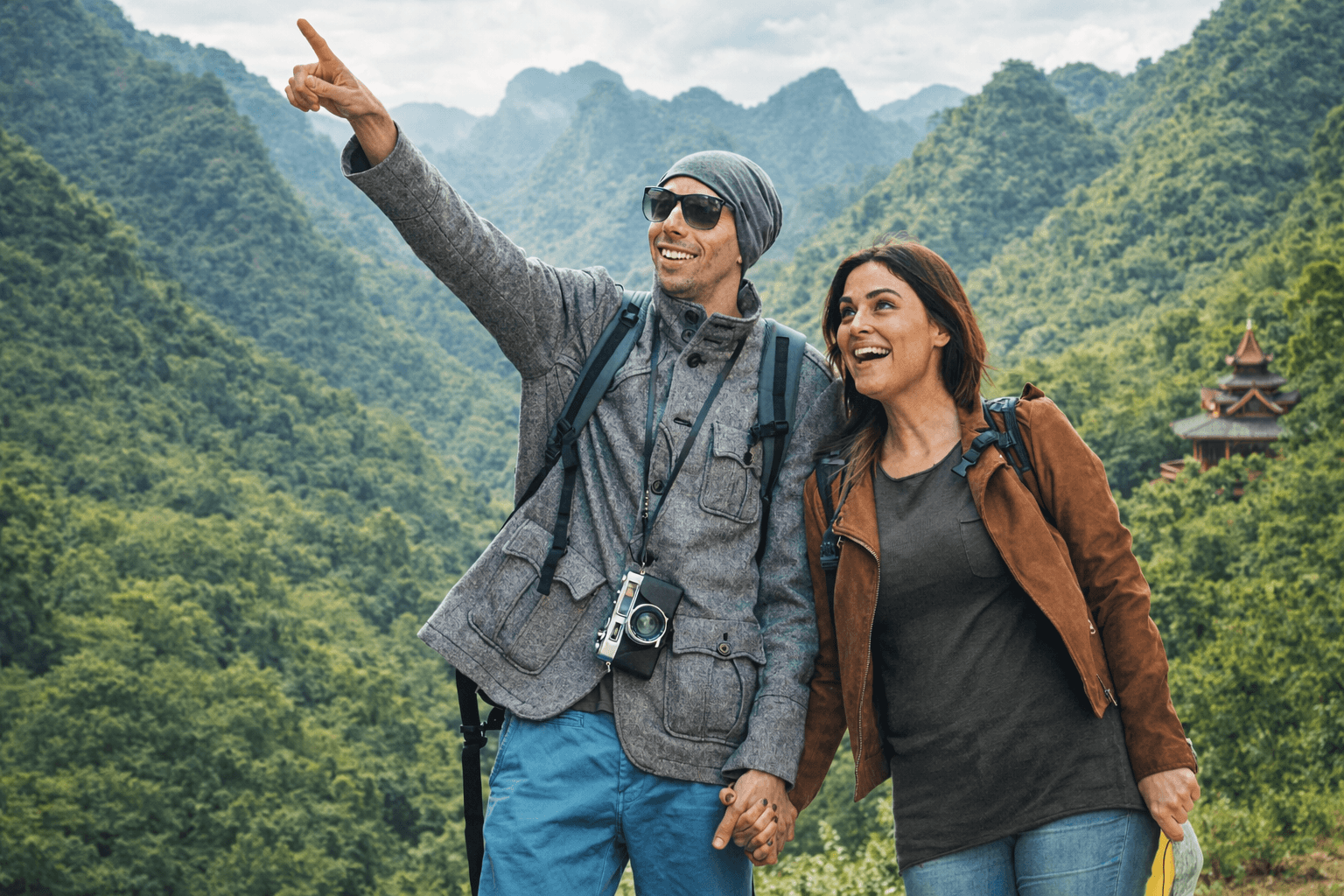
We don’t work off fixed packages. If a destination isn’t listed on our site — including anywhere mentioned in this guide — that doesn’t mean we can’t build a trip around it. Whether you want a single detour from a standard route or a full custom itinerary built entirely around off the beaten path experiences, we handle the guide, driver, and accommodation logistics so you don’t have to piece it together yourself.
We also lean toward sustainable tourism practices where it makes sense — smaller footprints, local operators, and community-based experiences over mass tourism infrastructure.
If you’re planning a trip that goes beyond the standard circuit, whether that’s Ratchaburi’s caves, Kanchanaburi’s hot springs, the quiet corners of the north, or an island that isn’t on every “top 10” list, message me on WhatsApp or reach out through my contact page, and I’ll help you build a route around what actually interests you — not what’s easiest to sell.
Prefer a quick chat or email?
Get in touch directly
If you already have an idea of your trip, send us a message — we’ll guide you through the best options for your travel style.
Frequently Asked Questions
Is Thailand off the beaten path travel safe?
Yes. Thailand off the beaten path destinations like Ratchaburi and Kanchanaburi are generally very safe, often safer and quieter than crowded tourist zones. Basic precautions apply as they would anywhere, but there’s nothing inherently riskier about Thailand off the beaten path travel compared to the standard circuit.
Do I need to speak Thai to travel Thailand off the beaten path?
It helps, but it’s not essential. Many Thailand off the beaten path destinations see fewer English speakers than Bangkok or Phuket, so a translation app or a private guide who speaks both languages makes Thailand off the beaten path travel much smoother.
What’s the best way to plan a Thailand off the beaten path trip?
Start with a genuine local source rather than a generic listicle, Thailand off the beaten path recommendations are only as good as the person making them. Working with a private guide who’s actually visited these places, rather than compiling secondhand information, is the most reliable way to plan Thailand off the beaten path travel.
Is Thailand off the beaten path travel more expensive than the usual tourist route?
Usually less expensive, not more. Thailand off the beaten path destinations tend to have lower accommodation and food costs than heavily touristed areas, since prices haven’t been inflated by high foreign demand.
How much time should I set aside for Thailand off the beaten path destinations?
It depends on how many you want to cover. A single Thailand off the beaten path destination like Ratchaburi can be a day trip from Bangkok, while combining several, Kanchanaburi, Chiang Dao, Nan, Koh Kood, is better suited to a longer, custom multi-day route.
Can you help plan a fully custom Thailand off the beaten path itinerary?
Yes, this is exactly what Off Path Thailand specializes in. Every Thailand off the beaten path destination in this guide can be built into a custom private itinerary, including places not listed on the site at all.
Is it safe for Americans to go to Thailand right now?
Yes, Thailand remains a safe and welcoming destination for American travelers. Daily life, tourism infrastructure, and major travel hubs operate completely as normal. Standard travel precautions apply, and visitors should monitor official travel advisories for localized advice regarding specific border regions.
Is Thailand affected by the Iran War?
Not directly. Thailand stayed neutral throughout the 2026 US-Israel-Iran conflict and was not a party to it, day-to-day life and tourism inside Thailand continued as normal. The main real-world effect for travelers was on long-haul flight routing, some airlines rerouted around closed Middle East airspace, which occasionally meant longer flight times or higher fares to reach Thailand. Since the situation has shifted several times through 2026, it’s worth checking your airline’s current routing and your home country’s travel advisory before booking.
What is the 3 day rule in Thailand?
There isn’t one single official rule that goes by this name, so it likely depends on what you read it in reference to. It’s sometimes used loosely to describe the requirement for hotels and guesthouses to report foreign guests to Thai Immigration shortly after check-in (the TM30 process), or informally around visa and re-entry timing. Because the phrase isn’t tied to one specific regulation, it’s worth checking Thailand’s official immigration site for whichever rule prompted the question.
Where not to go in Thailand at the moment?
The area to be cautious around is the Thailand-Cambodia border, where an on-and-off conflict since 2025 has led to a fragile ceasefire and periodic clashes in border provinces such as Surin, Sisaket, Buriram, and Sa Kaeo. The vast majority of Thailand, including Bangkok, Chiang Mai, Phuket, Pattaya, Koh Samui, and Krabi, continues to operate normally with no disruption. Given how often the situation has changed through 2026, check your government’s current travel advisory before finalizing a route anywhere near the border.
Is $30,000 enough for a Thailand trip?
For almost any length of trip, yes, and for most trips it’s far more than enough. At premium-style spending ($290 to $360 per person per day) a $30,000 budget covers roughly 80 to 100 person-days, months of travel for one person, or well over a month of high-comfort travel for a couple. At moderate spending, it stretches even further. The real question isn’t whether $30,000 is enough, it’s how you want to spend it: fewer destinations with more depth, or a longer, more layered route.
Is $3000 a month enough to live in Thailand?
Yes, $3,000 per month (over 100,000 Thai Baht) provides a very comfortable to luxury lifestyle in Thailand. It easily covers modern condominium rentals, frequent dining out, Western amenities, domestic travel, and daily expenses across major hubs like Chiang Mai, Bangkok, or island provinces.

About the author
Written by Dee, Thai-born founder of Off Path Thailand. Nearly a decade ago, a scooter ride through Chiang Mai’s mountains changed my perspective forever. Since then, I’ve spent nearly ten years exploring Thailand’s quiet, hidden corners and helping travelers experience the meaningful beauty beyond the usual tourist stops. About the founder
Tell us your dates and vibe — Our team replies within 24 hours to begin crafting your trip.
Leave everything to us and experience Thailand Off The Beaten Path
Every journey leaves a footprint — the difference is in how we choose to travel. At Off Path Thailand, we focus on keeping those footprints light. Discover how sustainable travel in Thailand connects comfort with care.